
spec sheet12 rows
Resveratrol is a stilbenoid polyphenol produced by several plants as a defensive compound, or phytoalexin, in response to injury or infection. It occurs in the skins of grapes, in red wine, in peanuts, and in berries, and is extracted commercially from Japanese knotweed for use in supplements. It became widely known through research linking it to sirtuin enzymes and the so-called French paradox; in animal studies, activation of the SIRT1 and AMPK pathways induced mitochondrial biogenesis, increased running endurance, and protected against diet-induced metabolic disease. Its relevance in people remains uncertain, as oral bioavailability is very low and at least one trial found that it blunted the cardiovascular benefits of exercise training in older men.
- the red wine polyphenol that started the sirtuin era
- antioxidant support and calmer inflammatory signaling
- switches on the SIRT1 and AMPK exercise mimetic program
- studied for blood vessel and heart health
- a meta analysis found lower body weight and more lean mass
- striking rodent metabolic data; human results stay modest
- Digestive upset, such as nausea or diarrhea, with larger supplemental amounts
- Possible interaction with blood-thinning medications
Overview
Resveratrol is a natural phenol of the stilbenoid family, produced by plants such as grapevines as a phytoalexin, a compound made in response to attack by bacteria or fungi [3]. It is found in grape skins, red wine, peanuts, and various berries; red wine contains more than white wine because it is fermented in contact with the grape skins [3]. The compound exists in two geometric forms, cis and trans, and the trans form can convert to the cis form on exposure to ultraviolet light [3]. Most commercial resveratrol is extracted from Japanese knotweed [3].
Interest in resveratrol grew after laboratory reports that it activates sirtuin enzymes, in particular SIRT1, and mimics some effects of calorie restriction, prompting speculation about anti-aging and heart-protective potential [2]. This idea was popularized alongside the French paradox, the observation of relatively low rates of heart disease in populations with high wine consumption [2]. The compound was commercialized through a company co-founded by the researcher David Sinclair, which was acquired by a major pharmaceutical firm and later closed without producing a successful drug [2].
Despite extensive study, high-quality evidence that resveratrol improves lifespan or meaningfully treats human disease is lacking [3]. A significant limitation is its very low bioavailability; although well absorbed, it is rapidly converted in the intestine and liver into sulfate and glucuronide metabolites, so little unchanged resveratrol reaches the bloodstream [1]. An umbrella review of trials in type 2 diabetes, metabolic syndrome, and fatty liver disease found that most reported effects were small and rested on low-certainty evidence [4]. Resveratrol is sold as a dietary supplement rather than an approved drug, and expert reviews have cautioned that current evidence does not justify its use beyond the amounts found in food [3].
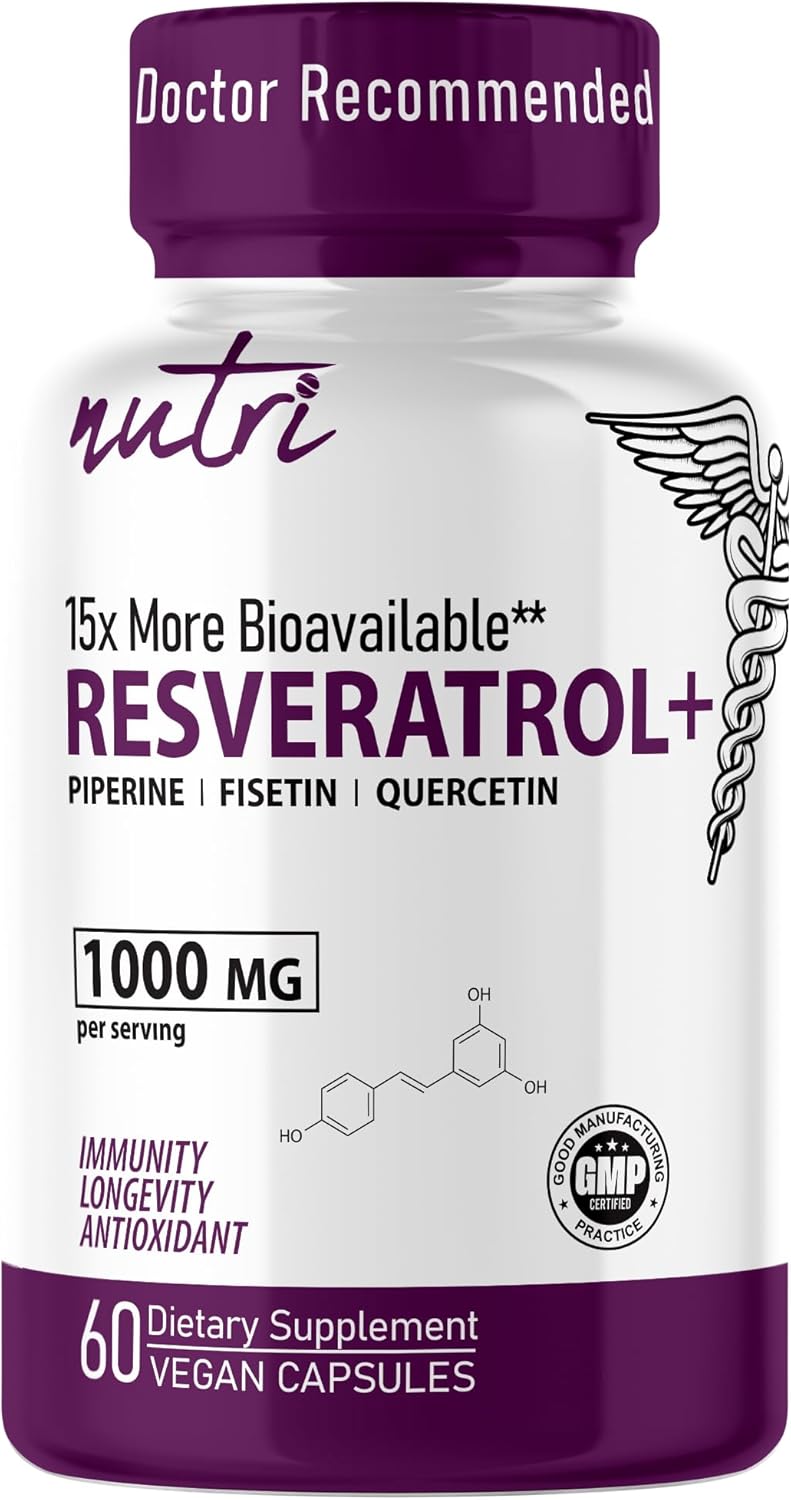
Mechanism
Resveratrol has been reported to act on a range of molecular targets, most prominently the enzymes, especially SIRT1, which are involved in cellular stress responses and metabolism and are also implicated in the effects of calorie restriction [2]. Through these and other pathways it shows antioxidant and anti-inflammatory activity in laboratory systems [2]. A central obstacle to translating these findings to people is its pharmacokinetics: resveratrol is extensively metabolized by sulfate and glucuronide conjugation in the gut and liver, giving it very low systemic , so the concentrations reached in the body are far below those used in laboratory experiments [1]. This gap helps explain why promising cellular effects have not reliably produced clinical benefits [3][4].
receptor fingerprint
SIRT1activates
activates
NF-kB / inflammatory signalinginhibits
scavenges
Platelet aggregationmild inhibition
Dosingtypical ranges, not medical advice
interested in protocols and clinical dosages? make an account to see them! ^_^
Safetyrisks and cautions, not medical advice
Generally well tolerated; higher doses can cause GI upset, loose stools, or nausea. It can inhibit certain cytochrome P450 enzymes and has mild antiplatelet (blood-thinning) effects, so caution with anticoagulants or before surgery. It may have weak estrogenic activity, which is worth noting for hormone-sensitive situations. Very high doses studied in trials sometimes caused more GI complaints without clear added benefit.
Subjective profileweighing the evidence above
Fine as a modest antioxidant and heart-health polyphenol, but expectations should stay tempered; the longevity claims are way ahead of the human evidence.
Where to buy
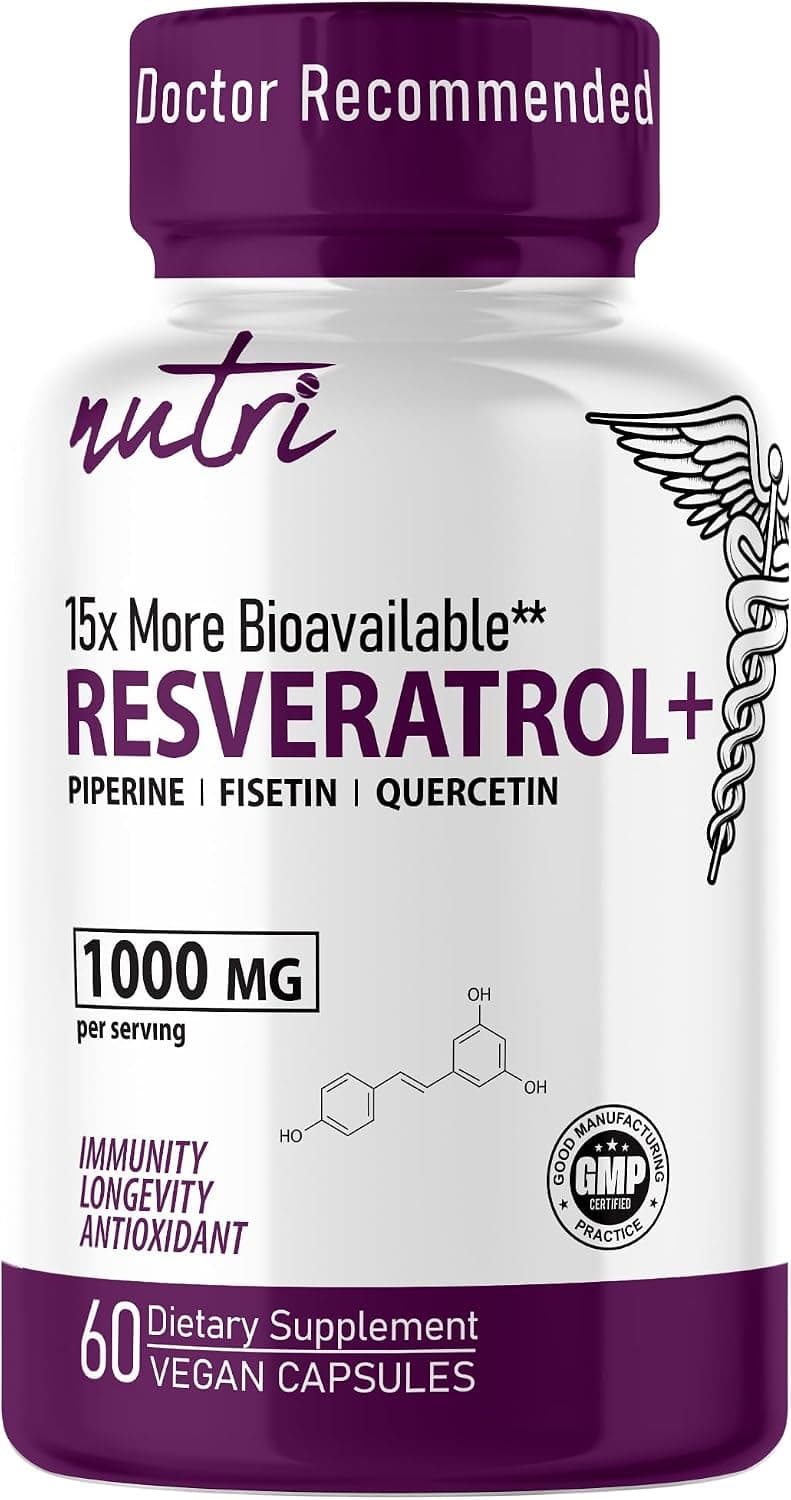
1 other outlet

Suppliers
Vendors carrying Resveratrol, with live product details and codes. Links are affiliate links that support the wiki at no cost to you.
Amazon
Resveratrol
iHerb
Resveratrol
Research
- 2003first citedSmall molecule activators of sirtuins extend Saccharomyces cerevisiae lifespan
- 2006most active year3 papers
- 2021meta-analysisThe effects of resveratrol supplementation in patients with type 2 diabetes, metabolic syndrome…
- 2025most recentResveratrol Attenuates CSF Markers of Neurodegeneration and Neuroinflammation in Individuals wi…
- 1.High absorption but very low bioavailability of oral resveratrol in humans
- 2.Therapeutic potential of resveratrol: the in vivo evidence
- 3.What is new for an old molecule? Systematic review and recommendations on the use of resveratrol
- 4.The effects of resveratrol supplementation in patients with type 2 diabetes, metabolic syndrome, and nonalcoholic fatty liver disease: an umbrella review of meta-analyses of randomized controlled trials
- 5.Resveratrol improves health and survival of mice on a high-calorie diet
- 6.Small molecule activators of sirtuins extend Saccharomyces cerevisiae lifespan
- 7.Resveratrol improves mitochondrial function and protects against metabolic disease by activating SIRT1 and PGC-1alpha
- 8.AMP-activated protein kinase-deficient mice are resistant to the metabolic effects of resveratrol
- 9.Resveratrol blunts the positive effects of exercise training on cardiovascular health in aged men
- 10.Exercise training, but not resveratrol, improves metabolic and inflammatory status in skeletal muscle of aged men
- 11.Pleiotropic mechanisms facilitated by resveratrol and its metabolites
- 12.Small molecules that regulate lifespan: evidence for xenohormesis
19 listed here; entry last updated August 2026
Reviews
My notesprivate to this device
FAQ
Is resveratrol really an anti-aging miracle?
The mouse and cell data got a lot of hype, but human longevity evidence is weak. It is better described as a modest antioxidant and metabolic-support supplement, not a miracle.
Why is bioavailability such a problem?
Your body rapidly conjugates it into glucuronides and sulfates, so very little free resveratrol circulates. Taking it with fat and using micronized forms helps somewhat.
trans vs cis, which matters?
trans-Resveratrol is the bioactive form and it's light-sensitive, so store it in the dark and buy products that specify trans.
Can I just drink red wine instead?
The amount in wine is tiny; you'd need absurd quantities to match supplement doses, and the alcohol offsets any benefit.
Does it thin the blood?
It has mild antiplatelet activity, so be careful if you're on blood thinners or approaching surgery.
Does resveratrol affect body weight?
A meta-analysis found resveratrol significantly decreased body weight and increased lean mass, which fits its activation of the SIRT1 and AMPK metabolic pathways. The effect is real but modest, best seen as a complement to diet and training rather than a standalone fat-loss tool.
Adverse effects
- Digestive upset, such as nausea or diarrhea, with larger supplemental amounts
- Possible interaction with blood-thinning medications
Notes and cautions
- Generally well tolerated at the levels found in food
- Very low bioavailability limits its effects in the body