
data + articles · 5 listed
newest 2022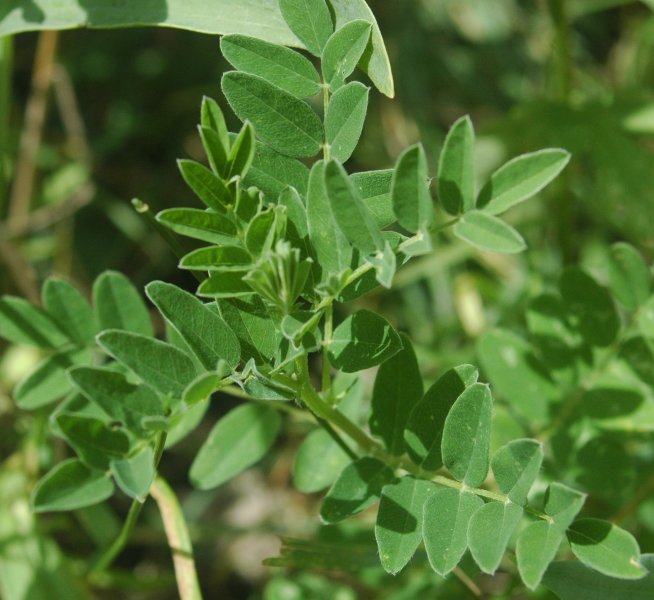
spec sheet10 rows
Astragalus is a herbal medicine prepared from the dried root of Astragalus membranaceus (also classified as Astragalus mongholicus or Astragalus propinquus), a flowering legume known in Chinese as huang qi. It is one of the most widely used tonic herbs in traditional Chinese medicine, where the root is valued for supporting energy and immune function. Its roots contain saponins such as astragaloside IV, polysaccharides, and flavonoids, and modern research has focused mainly on its immune-modulating properties.
- Immune support
- Anti-fatigue tonic
- Antioxidant activity
- Cardiovascular support
- Occasional mild digestive upset
- Theoretical interaction with immunosuppressant drugs
- May affect blood sugar or blood pressure
- Use standardized products, since some Astragalus species are toxic
Overview
Astragalus is the common name for the root of Astragalus membranaceus, a perennial plant in the legume family (Fabaceae) native to temperate parts of Asia, including northern China, Mongolia, and Siberia. [1] Only the root, known in commerce as Astragali Radix or huang qi, is used medicinally; it is typically harvested from mature plants, dried, and sliced. Care is taken to distinguish the medicinal species from toxic members of the large Astragalus genus. [1]
The herb has been used for well over two thousand years in traditional Chinese medicine, where it is classed as a qi tonic intended to strengthen vitality and resistance to illness. [2] It is also counted among the fundamental herbs of traditional Mongolian medicine. Preparations range from sliced root added to soups and teas to concentrated extracts.
The root's activity is attributed to three main groups of compounds: triterpene saponins, most notably astragaloside IV; polysaccharides; and flavonoids such as calycosin and formononetin. [1][5] These constituents, especially the polysaccharides and saponins, are the focus of most pharmacological study. [1]
Modern interest centers on the immune system. A review of Astragali Radix concluded that it can enhance several arms of immune function, acting on immune organs, mucosal defenses, and both innate and adaptive immune cells, which has prompted interest in its use alongside conventional treatment. [1] An older review of tonic herbs similarly examined astragalus among agents studied for immune support in cancer care. [2] A controlled clinical trial reported that an astragalus extract eased symptoms of seasonal allergic rhinitis, though the supporting evidence overall is limited. [3]
Constituents of the plant have additionally been studied for antioxidant, anti-inflammatory, and neuroprotective activity in laboratory settings. [4] In Western countries astragalus is sold as a dietary supplement rather than an approved medicine, in the form of capsules, tinctures, teas, and dried root, and it is generally considered well tolerated in healthy adults.
Mechanism
Astragalus root works through a mixture of constituents rather than one active ingredient, chiefly its polysaccharides, triterpene saponins such as astragaloside IV, and flavonoids. [1] Its best-documented action is immune modulation: the polysaccharides in particular stimulate immune cells including macrophages, natural killer cells, T-lymphocytes, and B-lymphocytes, and influence the release of signaling molecules called cytokines, which together can raise the activity of both innate and adaptive immune defenses. [1] The saponin astragaloside IV contributes antioxidant and anti-inflammatory effects, lowering reactive oxygen species and pro-inflammatory mediators. [5] Flavonoids add further antioxidant capacity. [4] These combined actions are thought to underlie the herb's traditional use as a tonic, although the strength of clinical evidence in humans varies by condition. [2]
receptor fingerprint
Macrophage / NK cell activitystimulates
Inflammatory cytokinesmodulates
reduces
(hTERT)activates
Dosingtypical ranges, not medical advice
interested in protocols and clinical dosages? make an account to see them! ^_^
Safetyrisks and cautions, not medical advice
Well tolerated for most people with few side effects. Because it stimulates immune function, those with autoimmune disease or on immunosuppressive drugs should be careful, and it may interact with some immune therapies. Long-term high-dose safety is reasonably established through traditional use.
Subjective profileweighing the evidence above
A reliable, well-tolerated immune and tonic herb; good baseline adaptogen, not a miracle.
Resources
This entry is here for reference.
Research
- 2003first citedImmune System Effects of Echinacea, Ginseng, and Astragalus: A Review
- 2022most recentAstragalus species: Phytochemistry, biological actions and molecular mechanisms underlying thei…
- 1.Astragali Radix (Huangqi): A promising edible immunomodulatory herbal medicine
- 2.Immune System Effects of Echinacea, Ginseng, and Astragalus: A Review
- 3.Efficacy and safety of Astragalus membranaceus in the treatment of patients with seasonal allergic rhinitis
- 4.Astragalus species: Phytochemistry, biological actions and molecular mechanisms underlying their potential neuroprotective effects on neurological diseases
- 5.Research review on the pharmacological effects of astragaloside IV
5 listed here; entry last updated August 2026
Reviews
My notesprivate to this device
FAQ
Is astragalus good for colds?
It is traditionally used as preventive immune support and there is moderate evidence for immune modulation, though it is not a cure.
Can I take it long term?
Long-term use is common in traditional practice and generally considered safe for healthy people.
Does it help with the telomere/aging stuff?
It contains the telomerase-activating saponins behind that trend, but whole-root effects on aging are unproven.
Who should avoid it?
People with autoimmune disease or on immune-suppressing medication should talk to a doctor first.
Adverse effects
- Occasional mild digestive upset
- Theoretical interaction with immunosuppressant drugs
- May affect blood sugar or blood pressure
- Use standardized products, since some Astragalus species are toxic
Notes and cautions
- Generally well tolerated