
spec sheet10 rows
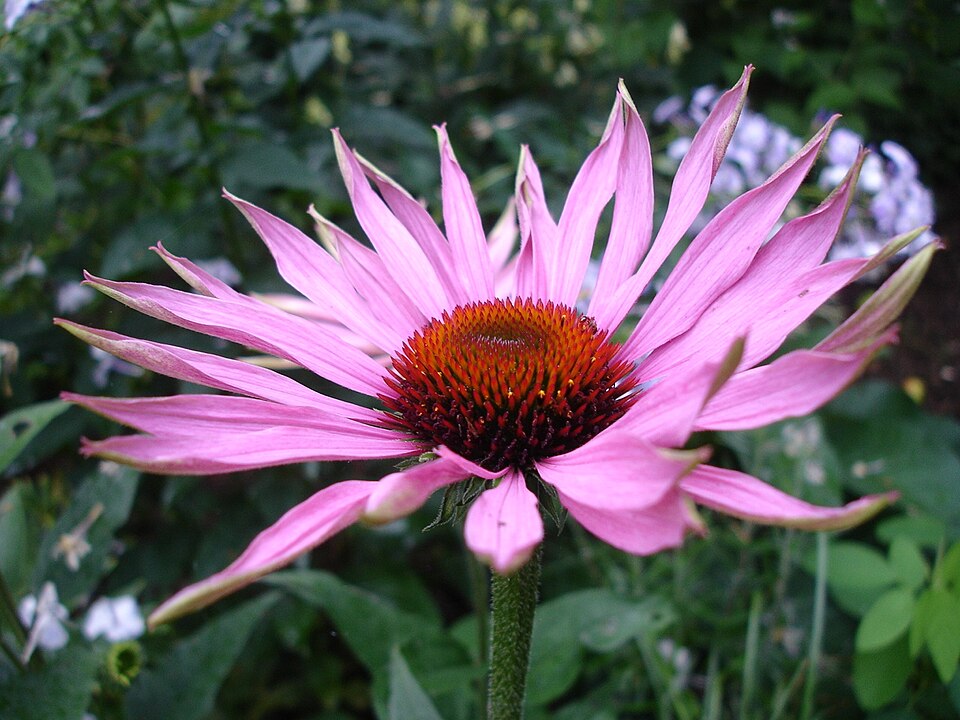
Echinacea is a genus of flowering plants in the daisy family (Asteraceae), native to North America, whose roots and aerial parts are widely used in herbal medicine. Preparations, most often from Echinacea purpurea, are marketed chiefly to prevent or shorten the common cold, though controlled trials have given inconsistent results. It is generally well tolerated and is sold as a dietary supplement rather than an approved medicine.
- Immune support
- May shorten colds slightly
- Anti-inflammatory
- Antioxidant activity
- Allergic reactions, especially in people allergic to daisy-family plants
- Mild digestive upset or nausea
- Skin rash in sensitive individuals
Overview
Echinacea, commonly called coneflower, is a genus of herbaceous plants in the family Asteraceae native to eastern and central North America, where several species were used by Indigenous peoples. Three species dominate commercial products: Echinacea purpurea, Echinacea angustifolia, and Echinacea pallida. Preparations differ considerably because manufacturers use different species, different plant parts (root versus aerial parts), and different extraction methods, which makes it hard to compare one product with another [1].
The plants contain a mixture of bioactive constituents, chiefly caffeic acid derivatives (such as cichoric acid and echinacoside), alkylamides, and polysaccharides, which are thought to underlie the herb's reported immunomodulatory and anti-inflammatory activity [2].
Echinacea is used mainly for the prevention and treatment of the common cold and other upper-respiratory infections. A large Cochrane systematic review of randomized trials concluded that Echinacea products have not been shown to provide a meaningful benefit for treating colds, while leaving open the possibility of a weak preventive effect, since prevention trials showed consistent but statistically non-significant positive trends [1]. Broader reviews of herbal medicines similarly describe the clinical evidence for Echinacea in colds as inconclusive [3].
Echinacea is generally well tolerated; in clinical trials, dropout and adverse-event rates were similar to placebo, and toxicity studies describe the preparations as well tolerated [1][2]. Reported side effects are usually mild, although allergic reactions can occur, especially in people sensitive to other plants of the daisy family. In most countries Echinacea is sold as a dietary supplement or traditional herbal product rather than an approved drug [3].
Mechanism
Echinacea is regarded primarily as an immunomodulator. Its activity is attributed to several classes of constituents acting together: alkylamides, caffeic acid derivatives such as cichoric acid and echinacoside, and polysaccharides and glycoproteins [2]. Through these components, Echinacea preparations have been reported to influence the behavior of macrophages and other immune cells, to alter production, and to exert antioxidant and anti-inflammatory effects, which is the proposed basis for any benefit against respiratory infections [2]. Because product composition varies so widely between species, plant parts, and extraction methods, the net pharmacological effect differs from one preparation to another, which may help explain the inconsistent clinical results [1].
receptor fingerprint
Macrophage / NK cell activitystimulates
reduces
Cannabinoid (CB2) receptorsmodulates
Inflammatory cytokinesmodulates
Dosingtypical ranges, not medical advice
interested in protocols and clinical dosages? make an account to see them! ^_^
Safetyrisks and cautions, not medical advice
Generally well tolerated for short-term use, with occasional GI upset or rash. Allergic reactions can occur, especially in people allergic to ragweed and other Asteraceae plants. Long-term continuous use is not well studied, and those with autoimmune conditions or on immunosuppressants should be cautious.
Resources
This entry is here for reference.
Research
- 2014first citedEchinacea for preventing and treating the common cold
- 2021most recentEchinacea in hepatopathy: a review of its phytochemistry, pharmacology, and safety
- 1.Echinacea for preventing and treating the common cold
- 2.Echinacea in hepatopathy: a review of its phytochemistry, pharmacology, and safety
- 3.A critical approach to evaluating clinical efficacy, adverse events and drug interactions of herbal remedies
3 listed here; entry last updated July 2026
Reviews
My notesprivate to this device
FAQ
Does echinacea actually work for colds?
Evidence is mixed; some studies show a small reduction in cold duration or risk, others show no clear benefit.
When should I take it?
Most people use it short-term at the very first sign of a cold rather than continuously.
Who should avoid echinacea?
People allergic to ragweed or other daisy-family plants, and those with autoimmune conditions, should be cautious.
Which species is best?
Purpurea and angustifolia are most used; the species and plant part strongly affect the active compounds.
Adverse effects
- Allergic reactions, especially in people allergic to daisy-family plants
- Mild digestive upset or nausea
- Skin rash in sensitive individuals
Notes and cautions
- Potency varies widely between brands