
spec sheet10 rows
American ginseng (Panax quinquefolius) is a slow-growing perennial herb of the ivy family, native to the hardwood forests of eastern North America and prized for its aromatic root. It has been harvested and traded for centuries, especially for export to East Asia, where it is used in traditional medicine and valued as a tonic distinct in character from Asian ginseng. Its roots contain ginsenosides, and modern research has examined it for effects on blood sugar, cognition, cancer-related fatigue, and the common cold [1][2].
- real human cognitive data behind the standardized extract
- working memory support you can actually build on
- a calmer stress response without the jitters
- gentler than Asian ginseng if that one runs too hot
- immune support and better blood sugar control
- May lower blood sugar, a concern alongside diabetes medicines
- Can reduce the effect of warfarin and similar blood thinners
- Occasional insomnia, headache, or digestive upset
Overview
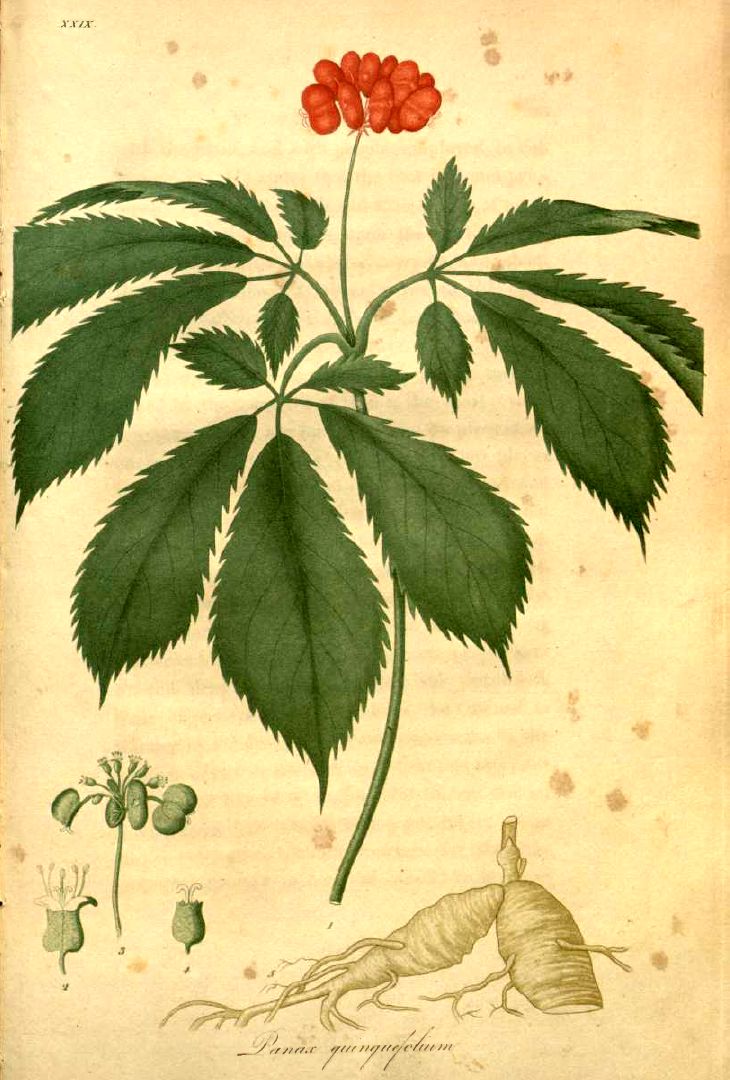
American ginseng is a herbaceous perennial in the family Araliaceae that grows in the shade of deciduous forests across the Appalachian and Ozark regions and into eastern Canada. It stands well under knee height and bears a forked, fleshy root reminiscent of a small parsnip, which is the part used medicinally. The species is closely related to Asian ginseng but is a distinct plant with its own chemical character.
The root's activity is generally credited to ginsenosides, a family of dammarane-type saponins that American ginseng shares with other Panax species but produces in a different balance; this difference is often cited to explain why the two ginsengs are used somewhat differently in traditional practice [2]. Immune-focused extracts are also standardized to particular polysaccharides derived from the root [4].
The plant has a long history of use among Indigenous peoples of North America and a trade history stretching back over three centuries. After a French Jesuit identified it near Montreal in the early 1700s, North American ginseng became a significant export to China, and commercial cultivation later developed, with regions such as Wisconsin and parts of Canada becoming major producers. Heavy demand has put pressure on wild populations, which are now considered vulnerable and are protected under international trade rules that regulate harvest and export.
American ginseng has been the subject of several human trials. In people with type 2 diabetes, doses of the root taken before a glucose challenge lowered the rise in blood sugar afterward [1]. A study in healthy young adults using a standardized extract found improvements in working memory, effects the authors linked to its particular ginsenoside profile [2]. A large multicenter trial in cancer survivors reported that American ginseng reduced cancer-related fatigue over several weeks without notable toxicity [3]. A polysaccharide-rich root extract, taken through the cold season, lowered the number and duration of colds in one randomized trial, although the broader evidence for preventing respiratory infections is considered mixed [4].
American ginseng is generally well tolerated, but it can interact with anticoagulant medicines such as warfarin, and combining it with glucose-lowering drugs raises a theoretical risk of low blood sugar [1]. In the United States it is sold as a dietary supplement rather than an approved drug, in forms that include dried whole and sliced root, powders, capsules, standardized extracts, and teas.

Mechanism
The effects of American ginseng are attributed mainly to its ginsenosides, steroid-like saponins that interact with many cellular pathways rather than a single receptor. These compounds show antioxidant activity and can influence signaling, sensitivity, and neurotransmitter systems, which offers a plausible basis for the observed reductions in post-meal blood glucose and the changes in cognitive performance [1][2].
The immune activity of the plant is linked more to its polysaccharide fraction, which can stimulate cells of the innate immune system and alter the release of signaling molecules, an action proposed to underlie the reduction in cold frequency seen with standardized extracts [4]. Because ginseng contains a mixture of active constituents whose proportions vary with the plant and preparation, its overall effect is best understood as the sum of several modest actions rather than a single defined mechanism [3].
receptor fingerprint
/ modulates
Cholinergic signalingsupports
sensitivityimproves
reduces
Immune cell activitymodulates
Dosingtypical ranges, not medical advice
interested in protocols and clinical dosages? make an account to see them! ^_^
Safetyrisks and cautions, not medical advice
Generally well tolerated. Possible mild effects include headache, digestive upset, or trouble sleeping if taken late. It can lower blood sugar, so people on diabetes medication should watch for additive effects, and it may interact with warfarin. Not much safety data in pregnancy, so best avoided there.
Subjective profileweighing the evidence above
A solid, gentle adaptogen with real cognitive data behind the standardized extract. Worth trying if Asian ginseng feels too stimulating.
Where to buy
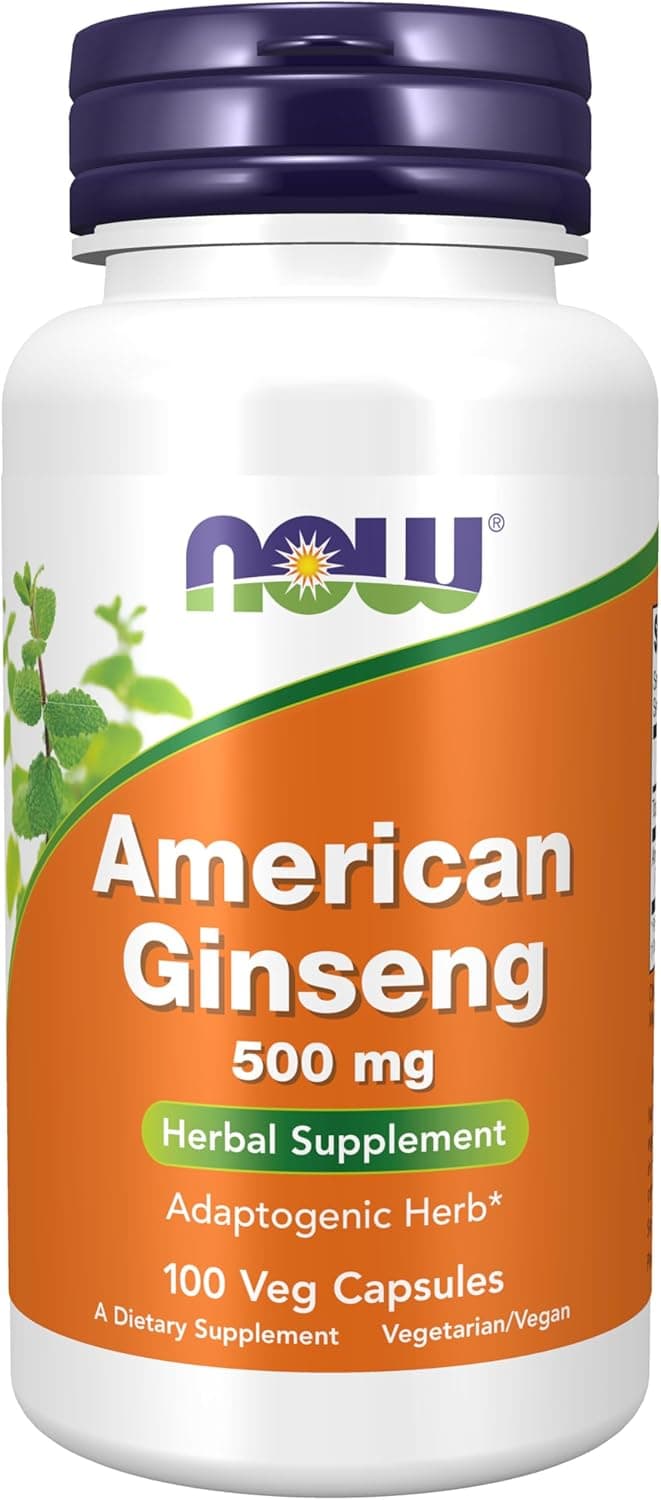
Suppliers
Vendors carrying American Ginseng, with live product details and codes. Links are affiliate links that support the wiki at no cost to you.
Amazon
American Ginseng
Research
- 2000first citedSimilar postprandial glycemic reductions with escalation of dose and administration time of Ame…
- 2013most recentWisconsin Ginseng (Panax quinquefolius) to improve cancer-related fatigue: a randomized, double…
- 1.Similar postprandial glycemic reductions with escalation of dose and administration time of American ginseng in type 2 diabetes
- 2.Effects of American ginseng (Panax quinquefolius) on neurocognitive function: an acute, randomised, double-blind, placebo-controlled, crossover study
- 3.Wisconsin Ginseng (Panax quinquefolius) to improve cancer-related fatigue: a randomized, double-blind trial, N07C2
- 4.Efficacy of an extract of North American ginseng containing poly-furanosyl-pyranosyl-saccharides for preventing upper respiratory tract infections: a randomized controlled trial
4 listed here; entry last updated August 2026
Reviews
My notesprivate to this device
FAQ
How is this different from Asian ginseng?
It has a different ginsenoside ratio and is considered more cooling and calming, versus Asian ginseng which tends to be more stimulating.
Will it help my memory?
The standardized Cereboost extract has shown working memory benefits in healthy adults, so there's some real support, though it's not dramatic.
Can I take it for colds?
There's decent evidence it may reduce the frequency and duration of respiratory infections when taken regularly through the season.
Does it affect blood sugar?
Yes, it can lower blood glucose, which is a benefit for some but something to watch if you're on diabetes medication.
Is it safe long term?
It appears well tolerated for months of use, though very long-term data is limited. Cycling is a reasonable precaution.
Adverse effects
- May lower blood sugar, a concern alongside diabetes medicines
- Can reduce the effect of warfarin and similar blood thinners
- Occasional insomnia, headache, or digestive upset
Notes and cautions
- Generally well tolerated
- Product quality and ginsenoside content vary widely