
spec sheet10 rows
Bitter melon extract is a herbal preparation derived from Momordica charantia, a tropical and subtropical vine of the gourd family (Cucurbitaceae) whose warty, intensely bitter fruit is both a vegetable and a traditional medicine. Long used in Asian, African, and Caribbean cooking and folk remedies, the plant and its extracts have been studied mainly for a possible blood-sugar-lowering effect in type 2 diabetes [1]. Clinical evidence for this use is mixed and generally of low quality, with some trials and analyses suggesting a modest benefit and others finding no clear effect [2][3]. It is sold as a dietary supplement in the form of capsules, powders, teas, and juices.
- Mild blood sugar support
- Antioxidant activity
- Traditional digestive use
- Low cost
- Because it can lower blood sugar, using it alongside diabetes medicines may lead to hypoglycemia [1].
Overview
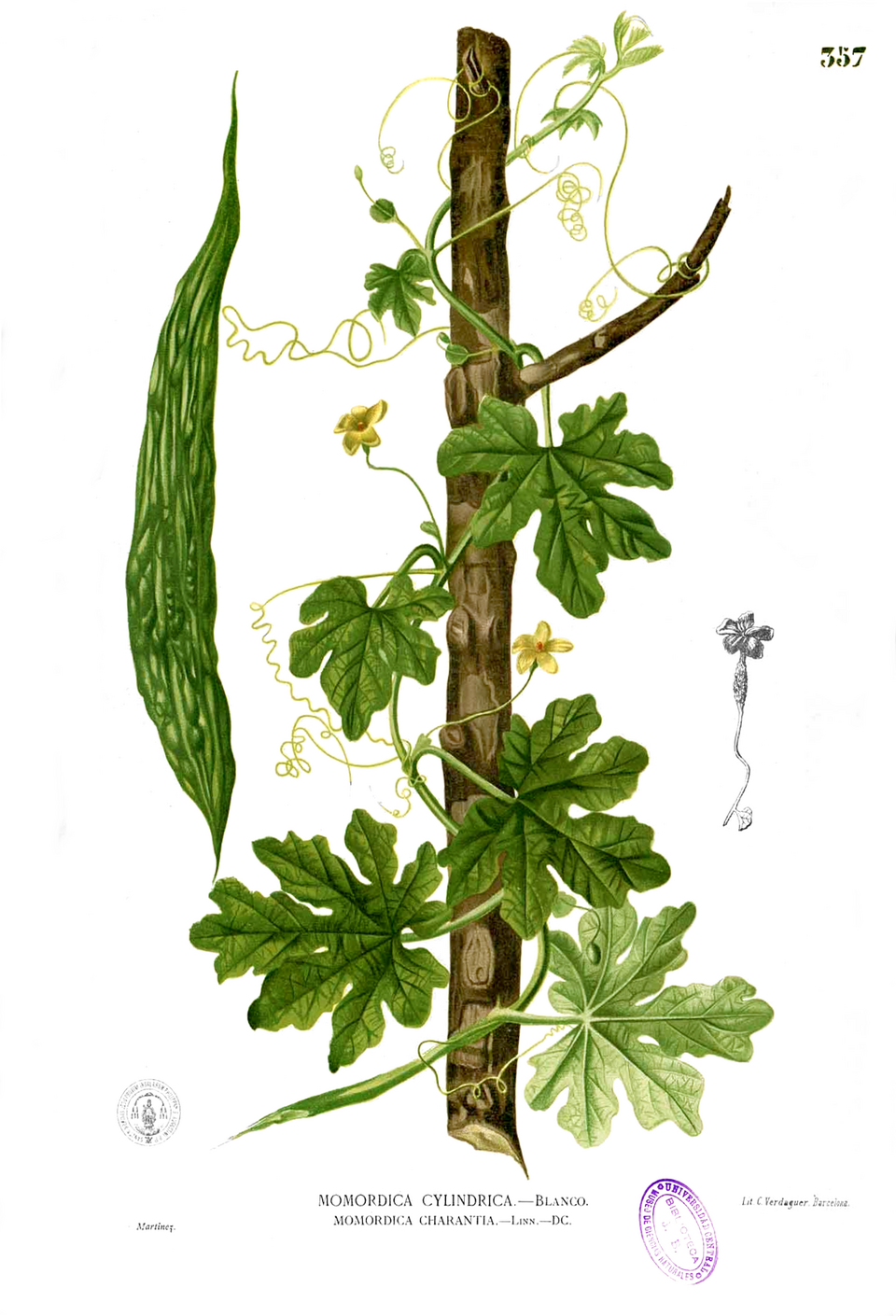
Bitter melon, also called bitter gourd, karela, or balsam pear, is the fruit of Momordica charantia, a climbing vine in the cucurbit family that grows across tropical and subtropical regions [1]. The plant bears deeply lobed leaves and an oblong fruit with a distinctive warty surface, usually eaten while green, and its flavor is markedly bitter [1]. Bitter melon extract refers to concentrated preparations made from the fruit, seeds, or aerial parts, which are processed into supplements rather than eaten as a vegetable.
The fruit is a staple ingredient in the cuisines of China, India, Southeast Asia, and parts of Africa and the Caribbean, and it has a long history in traditional medicine systems across Asia, South America, India, and East Africa, where it has been used chiefly for diabetes and related complaints [1]. Its biological activity is attributed to a mix of compounds, including the steroidal saponin charantin, an insulin-like polypeptide sometimes called polypeptide-p, cucurbitane-type triterpenoids, and other constituents; the seeds also contain vicine [1]. These compounds are the focus of research into the plant's reputed glucose-lowering effects [1].
Most scientific study of bitter melon has centered on blood sugar. Laboratory and animal work has repeatedly suggested a hypoglycemic effect, but human trials have been less consistent [1]. A Cochrane systematic review concluded that there was insufficient evidence to recommend Momordica charantia for type 2 diabetes, noting that the trials were few, small, and varied widely in the preparations used [2]. A later systematic review and meta-analysis found that bitter melon preparations produced a small but statistically significant reduction in fasting and post-meal glucose and in HbA1c compared with placebo, while cautioning that the underlying evidence was of low to very low quality [3]. Individual randomized trials have reported specific effects, such as improved insulin secretion in patients with type 2 diabetes, though sample sizes have been modest [4].
The proposed ways in which bitter melon might lower glucose include enhancing insulin secretion, improving the uptake of glucose into tissues, and reducing glucose production, effects linked to its various bioactive components in preclinical models [1][4]. Beyond diabetes, the plant has been examined for antioxidant, anti-inflammatory, and other activities, and some reviews have explored possible relevance to conditions such as Alzheimer's disease, although this remains speculative [1]. A recurring theme in the literature is that the lack of standardized extracts makes it hard to compare studies or draw firm conclusions [2][3].
Bitter melon is treated as a food and a dietary supplement rather than an approved medicine, and no standardized medicinal product is licensed for diabetes [2]. Culinary use of the fruit is generally safe, but concentrated extracts warrant caution: because the plant can lower blood sugar, combining it with diabetes medications may risk hypoglycemia, and the seeds contain vicine, which can trigger a reaction called favism in people with the enzyme deficiency G6PD [1]. Bitter melon is also traditionally contraindicated in pregnancy, having been associated with uterine effects, and the ripe fruit and mature seeds are considered more toxic than the immature green fruit [1]. Supplements are sold as capsules, dried powders, teas, and bottled juices [1].
Mechanism
Bitter melon is thought to lower blood glucose through several overlapping actions attributed to its bioactive constituents [1]. Proposed mechanisms include stimulating the release of from the pancreas, improving the sensitivity of tissues to insulin and the uptake of glucose into cells, and suppressing the liver's production of glucose [1]. Some of these effects are ascribed to charantin and to the -like polypeptide known as polypeptide-p, while cucurbitane triterpenoids have shown activity on pathways involved in glucose transport in laboratory studies [1].
Consistent with an -related mechanism, at least one randomized trial reported that supplementation increased measures of insulin secretion in people with type 2 diabetes [4]. Because these findings come largely from cell, animal, and small human studies using non-standardized preparations, however, the precise mechanism in people remains uncertain [2][3].
receptor fingerprint
reduces
activates
Intestinal glucose absorptioninhibits
signalingmimics
Dosingtypical ranges, not medical advice
interested in protocols and clinical dosages? make an account to see them! ^_^
Safetyrisks and cautions, not medical advice
Generally well tolerated in food amounts. High doses can cause GI upset, diarrhea, and abdominal cramps. It can lower blood sugar, so combining it with diabetes drugs risks hypoglycemia; the seeds contain vicine, which can cause favism-like reactions in G6PD-deficient people. Avoid in pregnancy since it has traditional use as an abortifacient.
Resources
This entry is here for reference.
Research
- 2012first citedMomordica charantia for type 2 diabetes mellitus.
- 2019meta-analysisMomordica charantia L. lowers elevated glycaemia in type 2 diabetes mellitus patients: Systemat…
- 2023most recentThe Effects of Momordica charantia on Type 2 Diabetes Mellitus and Alzheimer's Disease.
- 1.The Effects of Momordica charantia on Type 2 Diabetes Mellitus and Alzheimer's Disease.
- 2.Momordica charantia for type 2 diabetes mellitus.
- 3.Momordica charantia L. lowers elevated glycaemia in type 2 diabetes mellitus patients: Systematic review and meta-analysis.
- 4.Momordica charantia Administration Improves Insulin Secretion in Type 2 Diabetes Mellitus.
4 listed here; entry last updated August 2026
Reviews
My notesprivate to this device
FAQ
Does bitter melon actually lower blood sugar?
Studies show a small, inconsistent effect. It's not a substitute for real diabetes management.
Can I take it with metformin?
Possibly, but the combined glucose-lowering could push you into hypoglycemia. Talk to your doctor and monitor.
Is it safe in pregnancy?
No, it has traditional abortifacient use and should be avoided.
Why is it so bitter?
The cucurbitane triterpenoids that give it the bitterness are also part of what's thought to be active.
Adverse effects
- Because it can lower blood sugar, using it alongside diabetes medicines may lead to hypoglycemia [1].
Notes and cautions
- Culinary amounts are usually well tolerated; concentrated extracts may cause abdominal pain, diarrhea, or other digestive upset [1].
- The seeds contain vicine and can provoke favism in people with G6PD deficiency [1].
- It is traditionally avoided in pregnancy, and the ripe fruit and mature seeds are considered more toxic than the green fruit [1].