

spec sheet10 rows
Bacopa monnieri is a creeping wetland herb of the family Plantaginaceae, known in Ayurvedic tradition as brahmi and used for centuries as a remedy for memory and mental clarity. Its characteristic compounds are a group of triterpenoid saponins called bacosides, and standardized extracts are marketed as dietary supplements aimed at cognition. Clinical trials suggest it may modestly aid memory in some settings, though the overall evidence is mixed and it is not an approved medicine.
- one of the few memory herbs with trials worth citing
- memory formation and recall improve with daily use
- bacosides raise acetylcholine for sharper learning
- calms an overactive mind while it works on memory
- antioxidant defense right where the brain needs it
- take it with a fatty meal and the stomach issue fades
- Gastrointestinal upset is the most common complaint, including nausea and stomach cramping
- Increased stool frequency or looser stools, thought to relate to its effect on gut motility
- Dry mouth and fatigue are occasionally reported
Overview
Bacopa monnieri, botanically Bacopa monnieri (L.) Pennell, is a small perennial creeping herb in the family Plantaginaceae that grows in wetlands and along water margins in many parts of the world. It goes by several common names, including brahmi, water hyssop, thyme-leaved gratiola, herb of grace, and Indian pennywort [1][2]. The plant has a long history in Ayurveda, the traditional medicine of India, where it has been used for generations as a tonic for memory, learning, and calm [2].
The herb's signature constituents are the bacosides, a family of dammarane-type triterpenoid saponins, accompanied by related bacopasides and a range of other phytochemicals such as flavonoids and alkaloids [1]. Modern supplements typically use extracts standardized to a defined bacoside content, and several well-studied preparations, including the extract known as CDRI 08, have been produced specifically for research [4]. These saponins are generally regarded as the compounds responsible for the plant's effects on the nervous system [1].
Bacopa is one of the more heavily studied herbal nootropics. A randomized, double-blind, placebo-controlled trial in healthy older adults reported that a standardized extract improved delayed word recall and performance on an attention task compared with placebo, alongside small reductions in anxiety and depression scores [1]. Other controlled trials have examined the herb in children with attention and hyperactivity difficulties [4] and in people with Alzheimer's disease, sometimes head-to-head against the drug donepezil [3]. Systematic reviews, however, have found the clinical picture inconclusive; a review of randomized trials in Alzheimer's dementia judged the overall certainty of evidence to be very low and found no clear advantage over placebo or standard drugs, while noting no major safety problems [2]. As a result, Bacopa is best described as a promising but not firmly established cognitive aid [2].
In most markets Bacopa monnieri is sold as a dietary supplement rather than an approved drug, commonly as capsules, tablets, or powdered extract standardized for bacoside content. Regulators have pushed back on overreaching marketing; the U.S. Food and Drug Administration has warned companies that promoting Bacopa supplements as treatments for diseases such as Alzheimer's is not backed by adequate evidence. In clinical trials the herb has generally been well tolerated, with the most common complaints being gastrointestinal, such as nausea, stomach upset, and looser or more frequent stools [1][2].

Mechanism
The cognitive effects attributed to Bacopa monnieri are generally linked to its bacoside saponins and are thought to arise from several overlapping actions rather than a single receptor target [1][2]. A prominent theme is antioxidant activity: bacosides can scavenge free radicals and support the brain's own antioxidant defenses, which may shield neurons from the associated with aging [1]. The herb is also reported to influence the cholinergic system, which is central to memory, and preclinical work suggests it can promote the growth and branching of dendrites, the signal-receiving projections of neurons, in memory-related regions such as the [1][2].
Additional proposed mechanisms include modulation of inflammatory signaling and an effect on cerebral blood flow [2]. In the controlled trial in older adults, the pattern of benefit, an improvement in delayed recall that emerged only over weeks of daily use, fits a gradual, cumulative action rather than an immediate stimulant effect [1]. Because much of the mechanistic detail comes from laboratory and animal studies, these explanations remain provisional, and the human evidence for meaningful cognitive benefit is still mixed [2].
receptor fingerprint
inhibits
()raises
upregulates
Antioxidant enzymes (SOD, catalase)boosts
Dosingtypical ranges, not medical advice
interested in protocols and clinical dosages? make an account to see them! ^_^
Safetyrisks and cautions, not medical advice
Bacopa is safe for most adults at the usual 300 to 600 mg a day. The main downside is stomach stuff; nausea, cramping, and loose stools; and taking it with a meal that has some fat mostly fixes that. Skip it during pregnancy and breastfeeding since the data isn't there. It can add to sedatives, benzodiazepines, and thyroid meds (it may lower thyroxine), so be careful if you're on thyroid therapy. It plays nicely with cholinergics like racetams and Alpha-GPC, though piling them high together can bring on cholinergic side effects.
Subjective profileweighing the evidence above
One of the few memory herbs with trials worth citing, and a fair pick if you can commit to eight to twelve weeks of daily use, because the effect builds slowly rather than showing up on day one. Take it with a fatty meal and the stomach upset that puts most people off largely disappears.
Where to buy
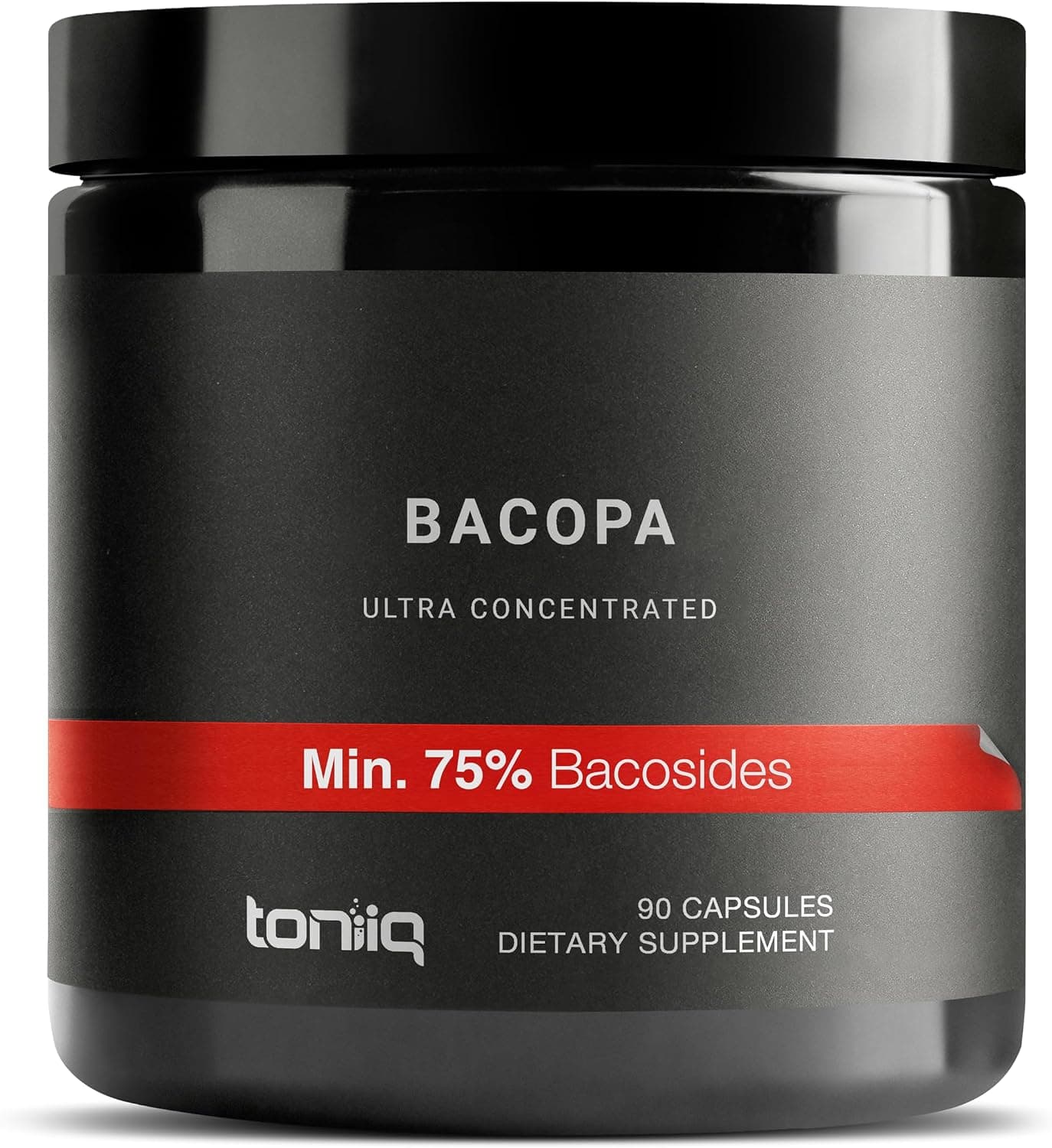
1 other outlet

Suppliers
Vendors carrying Bacopa Monnieri, with live product details and codes. Links are affiliate links that support the wiki at no cost to you.
Amazon
Bacopa Monnieri
iHerb
Bacopa Monnieri
Research
- 2008first citedEffects of a standardized Bacopa monnieri extract on cognitive performance, anxiety, and depres…
- 2022most recentUse of Bacopa monnieri in the Treatment of Dementia Due to Alzheimer Disease: Systematic Review…
- 1.Effects of a standardized Bacopa monnieri extract on cognitive performance, anxiety, and depression in the elderly: a randomized, double-blind, placebo-controlled trial
- 2.Use of Bacopa monnieri in the Treatment of Dementia Due to Alzheimer Disease: Systematic Review of Randomized Controlled Trials
- 3.Efficacy of Bacopa Monnieri (Brahmi) and Donepezil in Alzheimer's Disease and Mild Cognitive Impairment: A Randomized Double-Blind Parallel Phase 2b Study
- 4.A Randomized Controlled Trial Investigating the Effects of a Special Extract of Bacopa monnieri (CDRI 08) on Hyperactivity and Inattention in Male Children and Adolescents: BACHI Study Protocol (ANZCTRN12612000827831).
4 listed here; entry last updated August 2026
Reviews
My notesprivate to this device
FAQ
How long until it works?
Bacopa is known for building effects gradually; many report noticeable benefits after several weeks of consistent daily use rather than right away.
Why take it with food?
Bacopa can cause stomach upset on an empty stomach, and it contains fat-soluble compounds, so pairing it with a meal is common.
Is it a stimulant?
No, it is a calming adaptogenic herb rather than a stimulant, and some people find it slightly relaxing.
Can it be taken long term?
It is traditionally used over extended periods, but personal tolerance varies and general educational info is no substitute for professional guidance.
Adverse effects
- Gastrointestinal upset is the most common complaint, including nausea and stomach cramping
- Increased stool frequency or looser stools, thought to relate to its effect on gut motility
- Dry mouth and fatigue are occasionally reported
Notes and cautions
- Generally well tolerated in trials, though long-term safety data remain limited
- Could add to the effect of sedating medications, so combining them warrants some caution