
spec sheet11 rows
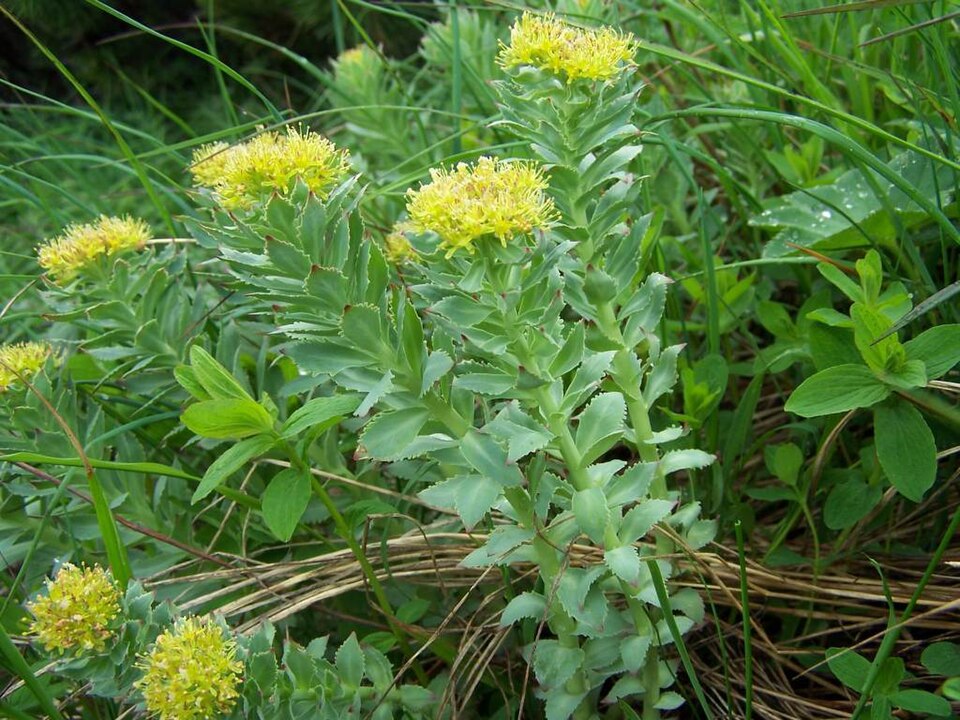
Rhodiola rosea, commonly called golden root or roseroot, is a perennial flowering plant of the family Crassulaceae that grows in cold, high-altitude and Arctic regions. Its root has a long history of use in the traditional medicine of northern Europe and Asia, and it is popularly classed as an adaptogen, an herb said to help the body resist stress and fatigue. Its most characteristic studied constituents are the phenolic compounds rosavin and salidroside, though high-quality clinical evidence for its benefits is limited.
- the adaptogen for when you are mentally worn down
- cuts physical and mental fatigue
- better stress resilience across a long day
- sharper focus exactly when tiredness bites
- non-jittery energy; nothing like a stimulant crash
- arctic root standardized to rosavin and salidroside
- Occasional dizziness or dry mouth
- Overstimulation or difficulty sleeping in some people, especially later in the day
Overview
Rhodiola rosea is a perennial flowering plant in the stonecrop family, Crassulaceae, known by names such as golden root, rose root, and roseroot [2]. It grows in cold climates, including Arctic and mountainous regions of Europe, Asia, and North America, often on sea cliffs and at high altitude [4]. The plant is dioecious, with separate male and female individuals, and its leaves and shoots are edible [2].
The plant has been used since ancient times; it was described by the Greek physician Dioscorides, and it features in the folk medicine of Scandinavia, Russia, and other parts of Asia and Eastern Europe [2]. It is widely marketed as an adaptogen, a category of herbs traditionally held to increase resistance to physical and mental stress [2]. Roughly 140 compounds have been identified in its roots, of which the phenylpropanoid glycosides known as rosavins and the phenylethanoid salidroside are considered the most characteristic active constituents [2].
Rhodiola has been studied mainly for fatigue, stress, and mood. A systematic review of controlled trials found that while some studies suggested benefits for physical performance and mental fatigue, methodological weaknesses limited firm conclusions, and overall there is no high-quality evidence that it treats any disease [1][2]. A practical concern is product quality: surveys using DNA analysis have found that many commercial Rhodiola products are adulterated or substituted with other Rhodiola species [3]. Rising demand has also raised conservation concerns, with wild populations under pressure from overharvesting and calls for a shift toward sustainable cultivation [4]. Rhodiola is sold as a dietary supplement, and regulators have warned manufacturers against unsupported health claims [1].


Mechanism
Rhodiola's effects are generally attributed to its phenolic constituents, chiefly the rosavins and the compound salidroside, which are also used as markers of extract quality [2]. In laboratory and animal studies, Rhodiola extracts have shown adaptogenic activity, meaning a broad increase in resistance to stress, together with reported neuroprotective, antioxidant, and anti-fatigue effects [2].
Proposed mechanisms include interaction with the body's stress-hormone system, dampening responses, and effects on signaling molecules and stress-response proteins such as heat shock proteins [2]. Rhodiola also inhibits monoamine oxidase; root extracts inhibit both MAO-A and MAO-B in the test tube, which has been proposed to contribute to its anti-depressant activity and, via MAO-B inhibition, to interest in age-related decline [5]. How strongly these laboratory mechanisms account for the modest and inconsistent effects seen in human trials remains uncertain [1][2].
receptor fingerprint
/ modulates
Monoamine neurotransmitters (, , )modulates
Cellular energy / ATP metabolismsupports
Antioxidant defensessupports
Safetyrisks and cautions, not medical advice
It's generally well tolerated and considered fairly safe short term, with the most common complaints being jitteriness, irritability, or trouble sleeping if taken too late in the day. Because it can be mildly activating, people prone to anxiety or with bipolar disorder should be careful. It may interact with antidepressants and stimulants, and long-term safety data is limited.
Subjective profileweighing the evidence above
A solid anti-fatigue adaptogen that shines when you're mentally worn down or stressed. Take it earlier in the day, use a standardized extract, and don't expect stimulant-level punch.
Where to buy
3 other outlets

Suppliers
Vendors carrying Rhodiola Rosea, with live product details and codes. Links are affiliate links that support the wiki at no cost to you.
Amazon
Rhodiola Rosea
Amazon
Rhodiola Rosea

iHerb
Rhodiola Rosea
iHerb
Rhodiola Rosea
Research
- 2009first citedMonoamine oxidase inhibition by Rhodiola rosea L. roots
- 2021most recentRunning out of time to smell the roseroots: Reviewing threats and trade in wild Rhodiola rosea…
- 1.Rhodiola rosea for physical and mental fatigue: a systematic review
- 2.Rosenroot (Rhodiola rosea): traditional use, chemical composition, pharmacology and clinical efficacy
- 3.Survey of commercial Rhodiola products revealed species diversity and potential safety issues
- 4.Running out of time to smell the roseroots: Reviewing threats and trade in wild Rhodiola rosea L.
- 5.Monoamine oxidase inhibition by Rhodiola rosea L. roots
5 listed here; entry last updated August 2026
Reviews
My notesprivate to this device
FAQ
How is rhodiola different from ashwagandha?
Rhodiola is more activating and best for fatigue and energy; ashwagandha is more calming and better for anxiety and sleep. They pair well.
When should I take it?
Morning or early afternoon. It's mildly stimulating, so late dosing can interfere with sleep.
How should I choose a product?
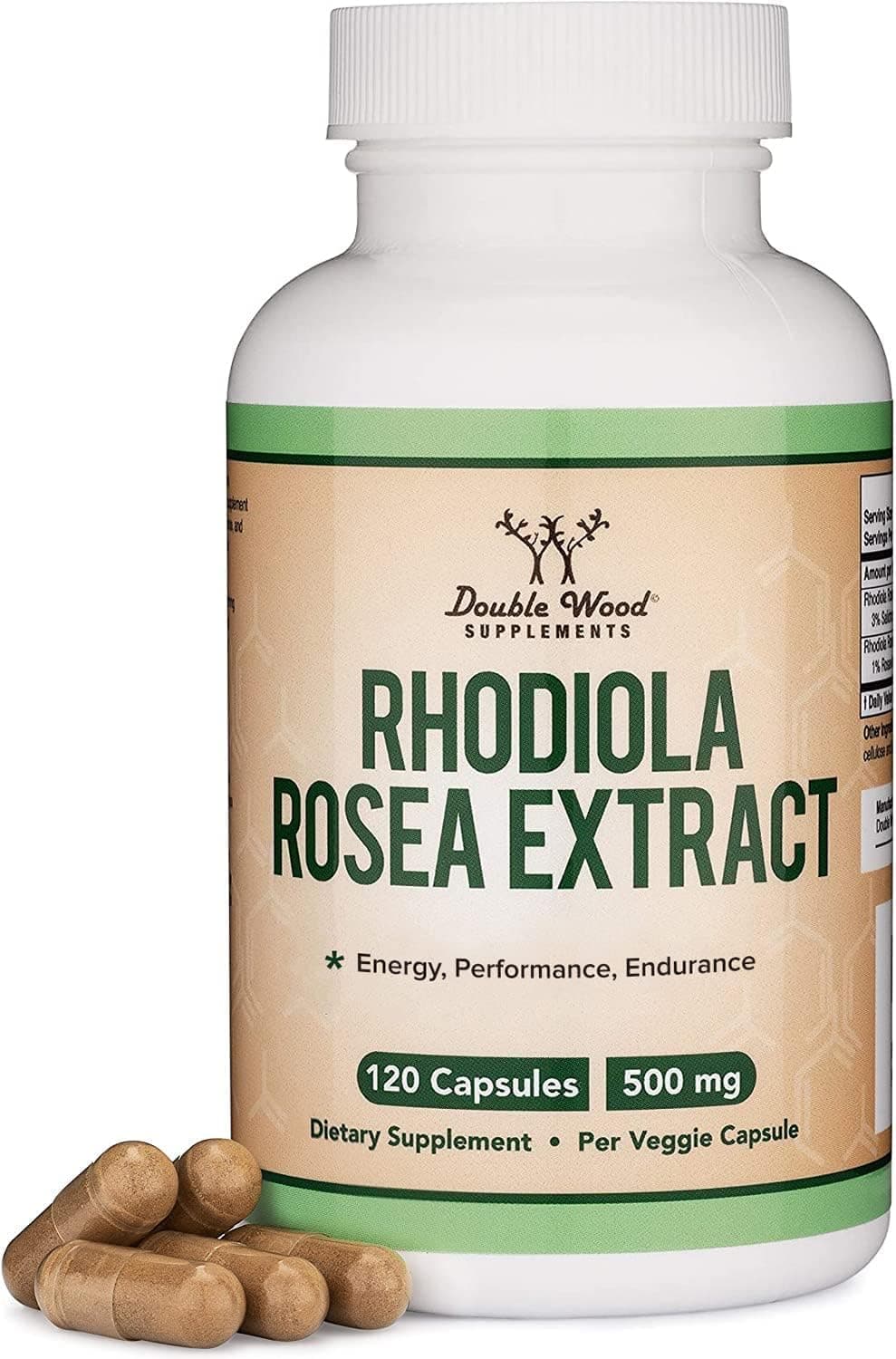
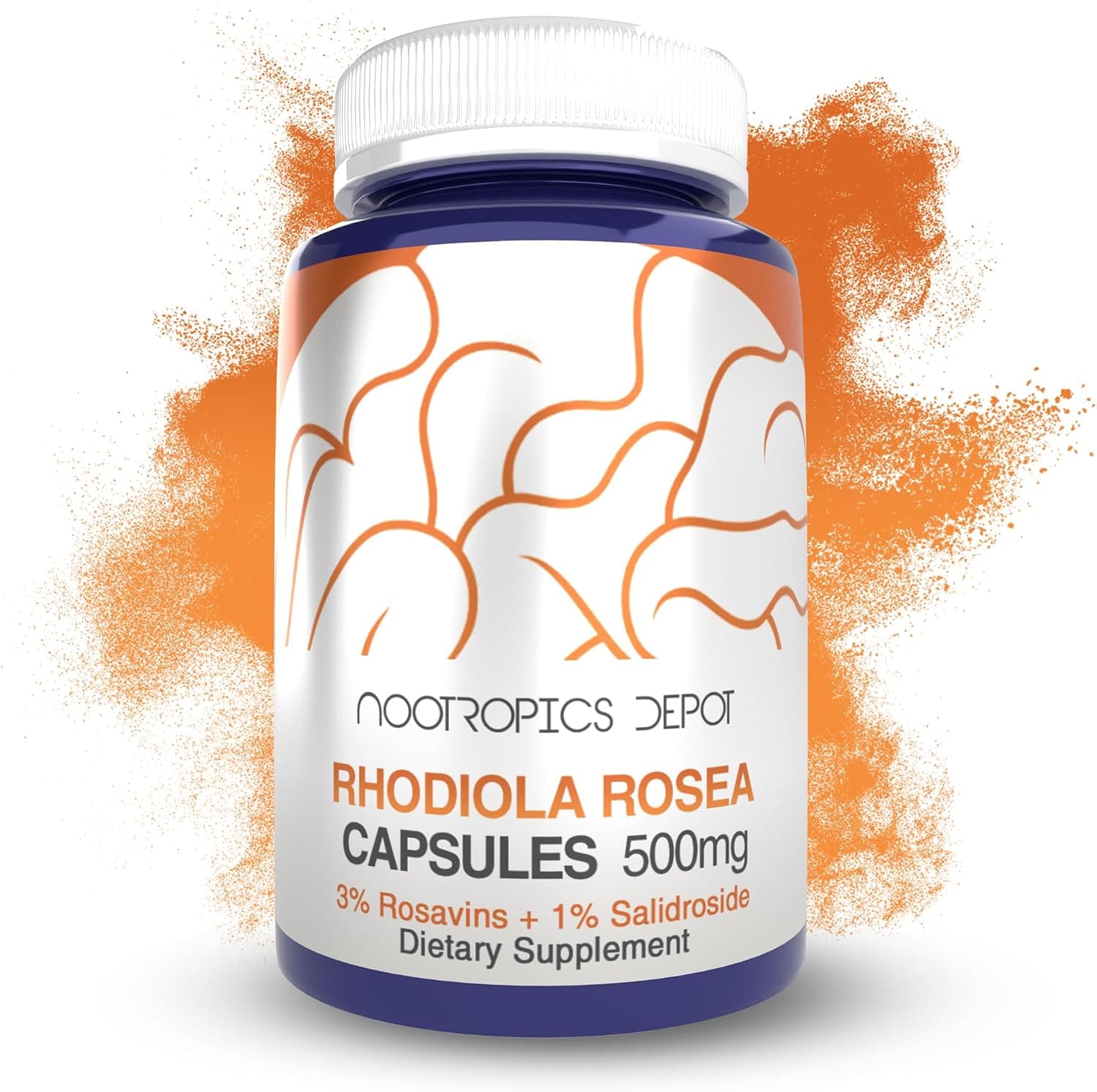
Look for an extract standardized to roughly 3% rosavins and 1% salidroside; quality varies a lot between brands.
Does it help with depression?
One trial found it milder but better tolerated than sertraline for mild-to-moderate depression. It's not a substitute for treatment, though.
Do I need to cycle it?
Many people cycle it to avoid tolerance, and long-term data is limited, so periodic breaks are reasonable.
Adverse effects
- Occasional dizziness or dry mouth
- Overstimulation or difficulty sleeping in some people, especially later in the day
Notes and cautions
- Generally well tolerated in short-term studies
- Product quality varies, with reports of adulteration or substitution