

spec sheet11 rows
Maca (Lepidium meyenii) is an edible plant of the mustard family, Brassicaceae, native to the high Andes of Peru. Its starchy root, or hypocotyl, has been eaten and used as a traditional remedy for centuries and is now sold worldwide as a powder or extract. It is best known for claims around libido, sexual function, and energy, although the clinical evidence is modest and mixed.
- raises libido without touching your hormones
- a decent human evidence base behind that claim
- may cut fatigue and lift mood
- a nutrient dense Andean food, not a drug
- well tolerated with very little downside
- Mild digestive upset
Overview
Maca is a herbaceous plant in the mustard family, related to radishes and turnips, that grows at very high altitude, roughly 3,800 to 4,400 meters, in the Andes of Peru and Bolivia. It has been cultivated for around two thousand years, notably in the Lake Junin region, and the part that is eaten is the fleshy hypocotyl, a swollen structure that merges the base of the stem with the taproot. This is dried, cooked, or processed into powder, flour, gelatinized starch, or extract, and the roots occur in several colors, including cream-yellow, red, purple, and black, which are treated as distinct varieties.
Chemically, maca contains glucosinolates such as glucotropaeolin, along with polyphenols and a group of compounds called macamides (N-benzylamides) that are characteristic of the plant. It also contains a molecule known as MTCA, over which a French food-safety agency once raised a possible mutagenicity caution, a point that remains disputed.
Most human research has looked at sexual function. A randomized, placebo-controlled trial in healthy men found that maca improved self-reported sexual desire, and importantly this effect was independent of testosterone and estradiol levels and of mood [1]. A pilot study suggested maca might ease sexual dysfunction caused by SSRI antidepressants, possibly in a dose-related way [2], and a small trial in men with mild erectile dysfunction found a modest improvement in sexual and general well-being compared with placebo [3]. Maca has also been studied for semen quality and for menopausal symptoms, with results that remain inconclusive overall.
Maca is consumed as a food and sold internationally as a supplement in the form of powder, capsules, and extracts. It is generally treated as a food rather than a drug, and the evidence for its specific medicinal claims is still limited.

Mechanism
How maca produces its reported effects is not well understood. In clinical studies the improvement in sexual desire occurred without any change in testosterone or estradiol, so a straightforward hormonal explanation is not supported [1]. Attention has instead focused on the plant's distinctive constituents, particularly the macamides and the compounds derived from its glucosinolates, which may act through central nervous system or antioxidant pathways rather than through sex hormones. Because the available trials are small and differ in design and preparation, the biological basis for maca's effects on libido, well-being, and energy remains uncertain [2][3].
receptor fingerprint
libido pathwaysmodulates
Sex hormonesno significant change
Energy metabolismsupports
Mood pathwaysmodulates
Dosingtypical ranges, not medical advice
interested in protocols and clinical dosages? make an account to see them! ^_^
Safetyrisks and cautions, not medical advice
As a food, maca is very well tolerated; occasional side effects are mild GI upset or, rarely, jitteriness. It's usually cooked (gelatinized) to improve digestibility. People with thyroid issues should note it contains goitrogenic glucosinolates, so heavy raw intake may not be ideal, though cooked forms lower this. No serious interactions are well documented.
Subjective profileweighing the evidence above
A solid, safe non-hormonal libido helper with a decent evidence base. Energy and mood benefits are more variable, but the downside is minimal.
Where to buy
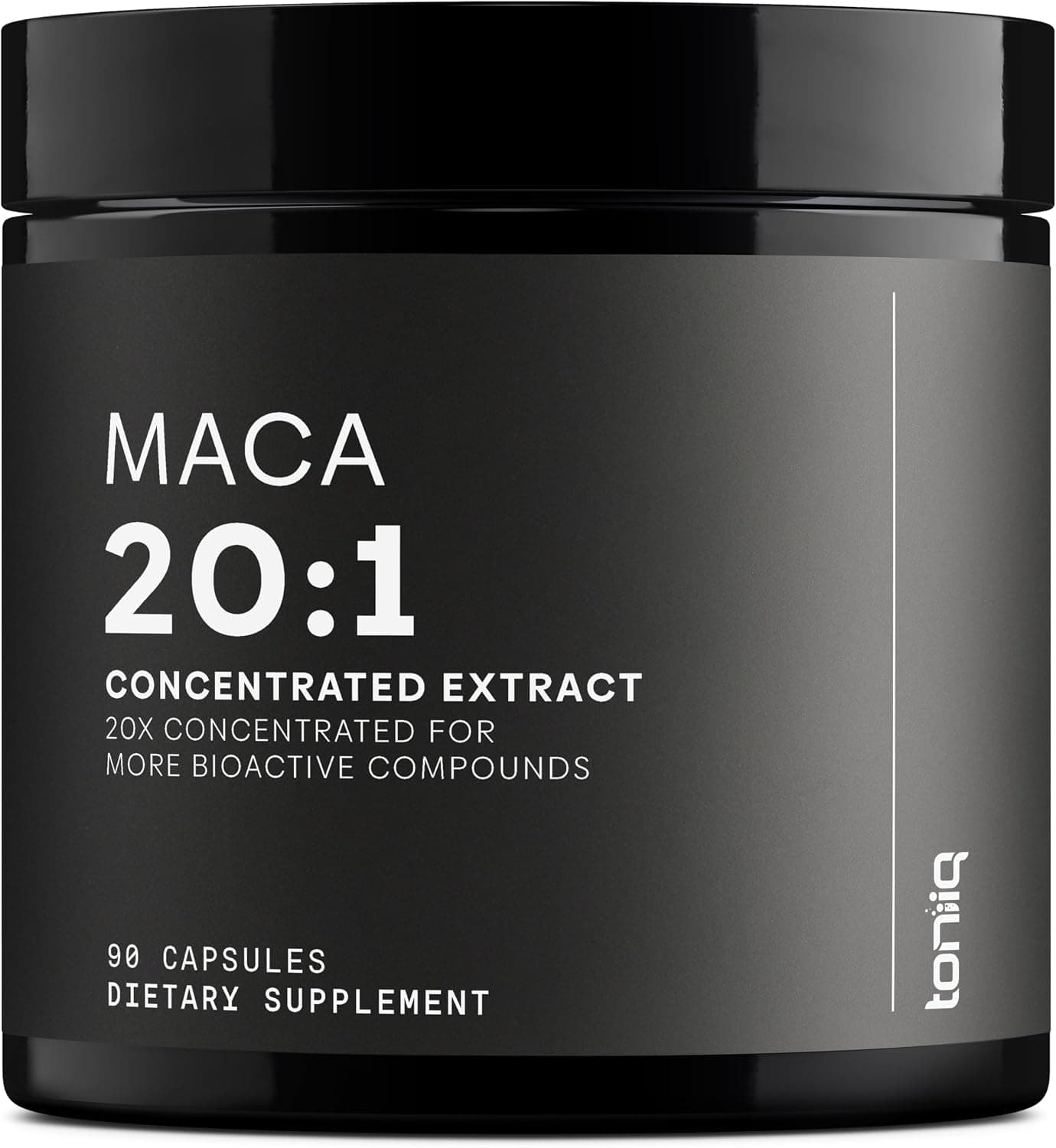
Suppliers
Vendors carrying Maca, with live product details and codes. Links are affiliate links that support the wiki at no cost to you.
Amazon
Maca
Research
- 2002first citedEffect of Lepidium meyenii (MACA) on sexual desire and its absent relationship with serum testo…
- 2009most recentSubjective effects of Lepidium meyenii (Maca) extract on well-being and sexual performances in…
- 1.Effect of Lepidium meyenii (MACA) on sexual desire and its absent relationship with serum testosterone levels in adult healthy men
- 2.A double-blind, randomized, pilot dose-finding study of maca root (L. meyenii) for the management of SSRI-induced sexual dysfunction
- 3.Subjective effects of Lepidium meyenii (Maca) extract on well-being and sexual performances in patients with mild erectile dysfunction: a randomised, double-blind clinical trial
3 listed here; entry last updated August 2026
Reviews
My notesprivate to this device
FAQ
Does maca raise testosterone?
No. Studies consistently show it improves libido without changing testosterone or other sex hormones.
Which color should I choose?
Black maca is often used for energy and cognition, red for prostate support, yellow is the common all-purpose type.
Raw or gelatinized?
Gelatinized (cooked) maca is easier to digest and lowers goitrogen content. Most people prefer it.
How long until it works?
Libido effects typically take a few weeks of daily use to show up.
Is it safe with thyroid problems?
It contains goitrogens, so heavy raw intake may not be ideal. Cooked forms are safer; check with your doctor.
Limitations of the evidence
- Limited long-term safety data
Adverse effects
- Mild digestive upset
Notes and cautions
- Generally well tolerated as a food
- Caution in thyroid conditions due to goitrogenic glucosinolates