
spec sheet10 rows
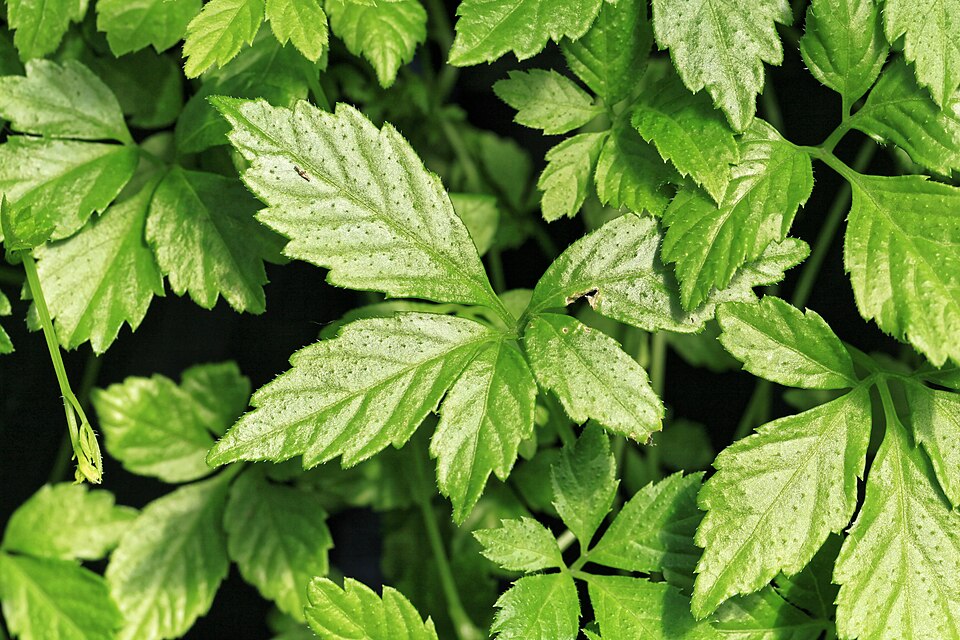
Jiaogulan is a climbing vine in the gourd family, Cucurbitaceae, whose scientific name is Gynostemma pentaphyllum. Native to parts of South and East Asia, its leaves are brewed as a herbal tea and used in traditional Chinese and other folk medicine, where it has earned nicknames such as southern ginseng and five-leaf ginseng [1]. Its notable constituents are saponins called gypenosides, some of which are structurally close to the ginsenosides of true ginseng [1][2].
- AMPK activation
- Better blood sugar control
- Mild fat-loss support
- Stress resilience
- Cardiovascular and antioxidant support
- People taking glucose-lowering or lipid-lowering medicines should be aware of possible additive effects
Overview
Jiaogulan is the common name for Gynostemma pentaphyllum, a dioecious, herbaceous climbing vine in the gourd family, Cucurbitaceae [1]. The plant is known by many folk names, including southern ginseng, five-leaf ginseng, poor man's ginseng, and sweet tea vine; the Chinese name jiaogulan is often rendered as twisting blue plant [1]. Unlike true ginseng it is a vine rather than a root crop, but it is grouped alongside ginseng in popular use because of similarities in its chemistry [1].
The species is native to a broad swath of South and East Asia, ranging from India and Bangladesh through Southeast Asia to China, Korea, and Japan, and it grows on mountain slopes across a wide range of elevations [1]. It has since been cultivated and naturalized more widely, and it is grown as a hardy perennial in temperate gardens [1].
Traditionally the leaves are dried and brewed as a herbal tea, and the plant has a long history of folk use as a general tonic, with a reputation as an adaptogen said to support resilience and vitality [1]. Today it is consumed as tea and also taken as alcohol extracts and dietary supplements [1]. In the European Union it is regulated as a novel food, reflecting its relatively recent introduction to Western markets [1].
The characteristic constituents of jiaogulan are its saponins, a large group of dammarane-type compounds called gypenosides [1]. Some of these are chemically identical or very similar to the ginsenosides of Panax ginseng, and the plant also contains polysaccharides, flavonoids, and phytosterols [1][2]. A few gypenosides are intensely sweet, one being reported as roughly two hundred times sweeter than table sugar, which contributes to the tea's agreeable taste [1].
Modern research has examined the plant mainly for metabolic and cardiovascular effects. A small randomized controlled trial in people with type 2 diabetes reported improvements in fasting glucose and insulin sensitivity with jiaogulan tea, and reviews have summarized lipid-lowering and other pharmacological activities, though the overall evidence remains preliminary and larger, rigorous trials are still needed [2][3][4]. In the studies conducted to date it has generally been well tolerated, but its use is not a substitute for established treatment, and quality and composition can vary between products [3].
Mechanism
The biological activity of jiaogulan is attributed largely to its dammarane-type saponins, known collectively as gypenosides, together with polysaccharides and flavonoids [1]. Several of these saponins share the same molecular framework as the ginsenosides found in ginseng, which is thought to explain the plant's ginseng-like reputation [1]. Across cell and animal studies, a recurring theme is activation of AMP-activated protein kinase (), a central sensor of cellular energy status; through this pathway the extract has been reported to influence how the body handles glucose and lipids [2][4].
Reported cholesterol-lowering actions have been linked to effects on the SREBP-2 and HMGCR pathway of cholesterol synthesis and on LDL-receptor regulation, while triglyceride effects have been tied to PPAR-related signaling [2]. The saponins and other constituents also show antioxidant activity, scavenging reactive oxygen species and supporting the cell's defenses against oxidative damage, which is one proposed basis for the plant's studied neuroprotective and anti-aging effects [4]. Much of this mechanistic work comes from laboratory and animal models, and the pathways involved are still being clarified [1][2].
receptor fingerprint
activates
sensitivityimproves
/ eNOSincreases
/ modulates
Reactive oxygen speciesreduces
Dosingtypical ranges, not medical advice
interested in protocols and clinical dosages? make an account to see them! ^_^
Safetyrisks and cautions, not medical advice
Generally well tolerated; the most common complaints are mild nausea or loose stools, especially at higher doses. Because it can lower blood sugar and blood pressure, watch for additive effects if you're on diabetes or blood-pressure meds. Data in pregnancy is lacking, so it is best avoided there.
Resources
This entry is here for reference.
Research
- 2010first citedAntidiabetic effect of Gynostemma pentaphyllum tea in randomly assigned type 2 diabetic patients
- 2024most recentSaponins derived from Gynostemma pentaphyllum regulate triglyceride and cholesterol metabolism…
- 1.Progress in the Medicinal Value, Bioactive Compounds, and Pharmacological Activities of Gynostemma pentaphyllum
- 2.Saponins derived from Gynostemma pentaphyllum regulate triglyceride and cholesterol metabolism and the mechanisms: A review
- 3.Antidiabetic effect of Gynostemma pentaphyllum tea in randomly assigned type 2 diabetic patients
- 4.Herbal Medicine for Slowing Aging and Aging-associated Conditions: Efficacy, Mechanisms and Safety
4 listed here; entry last updated July 2026
Reviews
My notesprivate to this device
FAQ
Is Jiaogulan like ginseng?
It's a relative in effect; its gypenosides resemble ginsenosides, but it's gentler and non-stimulating.
Does it actually help blood sugar?
Small human trials on the AMPK pathway are encouraging, though it is no substitute for real diabetes management.
Will it keep me up at night?
No, it has no caffeine and isn't stimulating, so you can drink it in the evening.
Can I combine it with metformin?
They hit the same AMPK pathway; talk to your doctor since effects could add up on blood sugar.
How long until I notice anything?
It's a slow-build herb; metabolic and stress benefits show up over weeks, not acutely.
Adverse effects
- People taking glucose-lowering or lipid-lowering medicines should be aware of possible additive effects
Notes and cautions
- It has generally been well tolerated in the studies conducted so far
- It is a herbal supplement, not a substitute for established medical treatment
- Product quality and saponin content can vary between preparations