
spec sheet10 rows
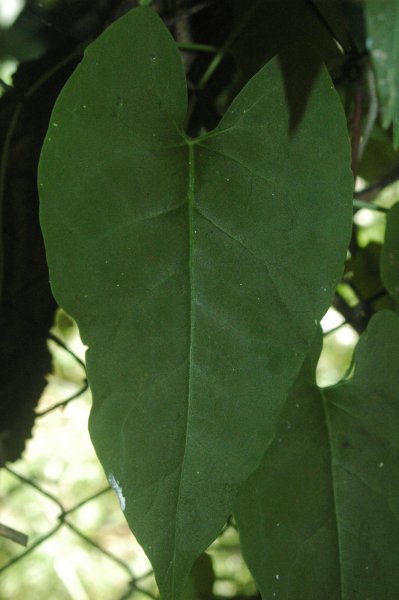
He Shou Wu, also known as fo-ti or tuber fleeceflower, is the processed root of Reynoutria multiflora (formerly Polygonum multiflorum), a climbing plant of the buckwheat family, Polygonaceae, native to China. It is one of the most widely used tonic herbs in traditional Chinese medicine, historically taken for hair color, vitality, and longevity. Modern attention has focused both on its bioactive stilbenes and anthraquinones and on well-documented cases of liver injury linked to its use.
- Traditional longevity tonic
- Antioxidant compounds
- Reputed hair support
- General vitality in folk use
- Liver injury, including rare severe hepatitis
- Nausea or abdominal discomfort
- Loose stools from the anthraquinone content
- Skin rash in some users
Overview
He Shou Wu is the common Chinese name for the root of Reynoutria multiflora, a perennial climbing vine of the family Polygonaceae that has also been classified as Polygonum multiflorum and Fallopia multiflora [1]. Native to central and southern China and neighboring regions, it is known in North America as fo-ti and by the English name tuber fleeceflower [2]. The plant grows from a thick woody tuber, and it is this root that is prepared for medicinal use.
The herb is listed in the Chinese Pharmacopoeia and ranks among the most popular tonics in traditional Chinese medicine [2]. It is traditionally credited with blackening the hair, tonifying the liver and kidneys, and promoting longevity and vitality [1]. An important distinction in its preparation is drawn between the raw root and the processed root, which is typically stewed with black soybean liquid; the two forms are regarded as having different properties and uses in traditional practice [1].
More than a hundred compounds have been identified in the plant, with the principal classes being stilbenes, quinones, and flavonoids [1]. The best-studied stilbene is 2,3,5,4'-tetrahydroxystilbene-2-O-glucoside, while the quinone fraction includes anthraquinones such as emodin and rhein [1]. These same anthraquinones, along with the way the root is processed, are closely tied to the herb's toxicity profile [1].
Laboratory and clinical investigations have explored a range of possible effects, including antioxidant, anti-aging, lipid-lowering, anti-inflammatory, and neuroprotective activities, and the herb has been examined in the context of conditions such as high cholesterol, hair loss, and neurodegenerative disease [1][2]. Much of this evidence remains preliminary, and reviews emphasize that rigorous clinical confirmation is still limited [2].
A major concern surrounding He Shou Wu is its potential to cause liver injury. Case series have documented acute hepatitis following ingestion of the herb in various forms, ranging in severity from mild, reversible illness to, in rare instances, liver failure requiring transplantation or resulting in death [3]. Research indicates that this hepatotoxicity is often idiosyncratic and may involve an immune-mediated mechanism rather than a simple dose-dependent poisoning, meaning susceptibility can vary widely between individuals [4]. The processing method and the specific constituents present, particularly the anthraquinones, are thought to influence the risk [1][4].
He Shou Wu is sold internationally as a dietary supplement and traditional herbal product, and is encountered as dried root slices, powders, teas, tinctures, and capsules, as well as an ingredient in hair-care preparations [2]. Because of the documented liver-injury reports, some regulatory agencies and safety reviews have issued warnings about its use, and monitoring of liver health is often advised for those who take it [3][4].
Mechanism
The pharmacological activity of He Shou Wu is attributed mainly to its stilbene glycosides and anthraquinones. The principal stilbene, tetrahydroxystilbene glucoside, has shown antioxidant, lipid-lowering, anti-inflammatory, and neuroprotective actions in experimental models, and is considered a major contributor to the herb's traditional tonic and anti-aging reputation [1]. The anthraquinones emodin and rhein carry their own biological activities but are also implicated in the herb's toxicity [1].
With respect to the liver, evidence suggests that He Shou Wu injury is frequently idiosyncratic; rather than acting purely as a direct dose-dependent toxin, the herb appears in many cases to trigger an immune-mediated response in susceptible individuals, with inflammatory stress and individual genetic and immune factors shaping vulnerability [4]. The method of processing alters the balance of active and toxic constituents, which is one reason traditional practice distinguishes so sharply between raw and prepared root [1].
receptor fingerprint
Reactive oxygen speciesreduces
Hepatocytesstresses
Inflammatory cytokinesreduces
Hair follicle signalingmodulates
Dosingtypical ranges, not medical advice
interested in protocols and clinical dosages? make an account to see them! ^_^
Safetyrisks and cautions, not medical advice
The big one is idiosyncratic liver injury; there are documented cases of hepatitis linked to He Shou Wu, sometimes serious. Raw (unprocessed) root is harsher and more likely to cause GI upset and liver stress than the prepared form. Don't use it with other hepatotoxic supplements or alcohol, and stop immediately if you notice dark urine, yellowing, or right-side abdominal pain.
Subjective profileweighing the evidence above
Cool traditional reputation, but the liver-toxicity reports make it a use-with-caution herb rather than a daily longevity staple.
Resources
This entry is here for reference.
Research
- 2011first citedDrug-Induced Liver Injury: Twenty Five Cases of Acute Hepatitis Following Ingestion of Polygonu…
- 2021most recentThe hepatotoxicity of Polygonum multiflorum: The emerging role of the immune-mediated liver inj…
- 1.Traditional usages, botany, phytochemistry, pharmacology and toxicology of Polygonum multiflorum Thunb.: a review
- 2.Review of clinical studies of Polygonum multiflorum Thunb. and its isolated bioactive compounds
- 3.Drug-Induced Liver Injury: Twenty Five Cases of Acute Hepatitis Following Ingestion of Polygonum multiflorum Thunb.
- 4.The hepatotoxicity of Polygonum multiflorum: The emerging role of the immune-mediated liver injury
4 listed here; entry last updated August 2026
Reviews
My notesprivate to this device
FAQ
Is He Shou Wu safe?
It carries a real, documented risk of liver injury, so it is not something to take casually or long-term without monitoring.
Raw or prepared?
Prepared (processed) root is considered gentler; raw root is harsher on the gut and liver.
Does it really regrow hair?
The hair claims are mostly traditional lore and animal data; not something to count on.
Can I take it daily forever?
Best avoided. Short cycles with liver enzyme checks make more sense given the risk.
Who should avoid it?
Anyone with liver issues, heavy drinkers, and people on other liver-taxing meds or supplements.
Adverse effects
- Liver injury, including rare severe hepatitis
- Nausea or abdominal discomfort
- Loose stools from the anthraquinone content
- Skin rash in some users