
data + articles · 2 listed
newest 2023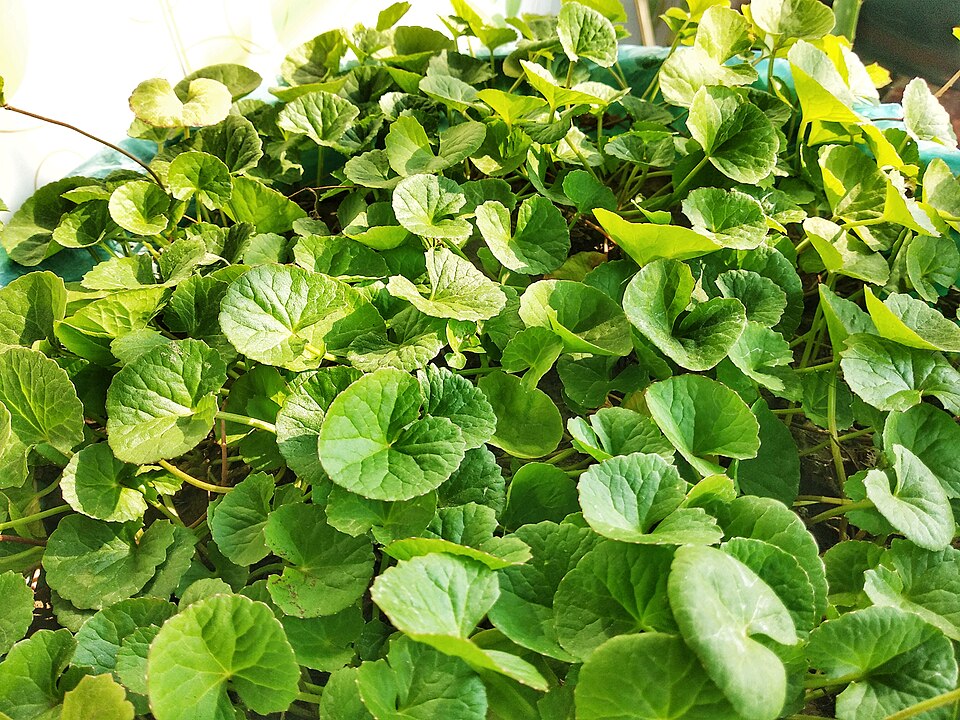
spec sheet10 rows
Gotu kola is the common name for Centella asiatica, a small creeping herbaceous plant of the family Apiaceae that grows in wetlands across Asia and other warm regions. It has a long history in Ayurvedic and traditional Chinese medicine, where it has been used for wound healing, skin conditions, and as a tonic said to support memory and mental clarity. Its activity is attributed to a group of pentacyclic triterpenoid compounds, including asiaticoside, madecassoside, and their related acids.
- calm, clear-headed cognitive support without stimulation
- a long Ayurvedic record as a memory and clarity tonic
- the classic herb for wound healing and skin repair
- supports veins and circulation in the legs
- asiaticoside and madecassoside are the active triterpenoids
- a genuinely versatile, well-tolerated all-rounder
- Topical use can cause allergic skin reactions in some people
- Uncommon reports of liver problems with prolonged oral use
Overview
Centella asiatica, known as gotu kola, is a perennial herb with slender creeping stems and rounded, fan-shaped leaves that grows low to the ground in damp, tropical, and subtropical environments. It is native to the Indian subcontinent, Southeast Asia, parts of Australia, and other warm regions, and it is used both as a food and as a medicinal plant. In several Asian cuisines the leaves are eaten raw in salads, juices, and other dishes, while in traditional medicine the whole plant has long been employed for a variety of purposes [1].
The characteristic constituents of gotu kola are pentacyclic triterpenoids and their sugar-linked glycosides. The most studied are the saponins asiaticoside and madecassoside, together with their corresponding aglycones, asiatic acid and madecassic acid; asiaticoside and madecassoside are recognized as marker compounds for the plant in pharmacopeias [1]. Standardized extracts, sometimes described as titrated extracts of Centella asiatica, concentrate these triterpene fractions, which are credited with the plant's effects on connective tissue and blood vessels [2].
Gotu kola is traditionally valued for promoting wound healing and healthy skin and as a restorative herb thought to aid cognition and calm the mind. Modern laboratory and clinical research has explored these uses, reporting that its triterpenoids can influence collagen production and support the healing of wounds and scars, and that standardized extracts may benefit the microcirculation in conditions such as chronic venous insufficiency [1][2]. Reviews also describe neuroprotective, anti-inflammatory, antioxidant, and anxiety-related effects in experimental models, and the plant is widely used in cosmetics for skin hydration, soothing, and the appearance of scars [1][2]. As with many herbal products, much of the evidence comes from laboratory studies and small trials, so conclusions about clinical benefit remain cautious.
Gotu kola is marketed as a dietary supplement and cosmetic ingredient rather than an approved medicine in most countries, and it is available as dried herb, teas, capsules, tinctures, and topical creams. It is generally considered well tolerated when used appropriately, but reported adverse effects include allergic skin reactions with topical use and, uncommonly, liver-related problems associated with prolonged oral use, so extended use warrants care [1]. It should be distinguished from unrelated plants and from the kola nut, with which it shares no botanical relationship despite the similar name.

Mechanism
The effects of gotu kola are attributed mainly to its triterpenoid saponins, especially asiaticoside and madecassoside, and their aglycones asiatic acid and madecassic acid [1]. A central mechanism is the modulation of collagen and extracellular matrix production: these compounds can stimulate fibroblasts and influence collagen synthesis and remodeling, which underlies the plant's traditional use in wound healing and its cosmetic use for scars and skin firmness [1][2].
The triterpenoids also exert antioxidant and anti-inflammatory actions, reducing and inflammatory signaling, and they have been reported to support the microcirculation by strengthening the walls and connective tissue of small blood vessels and reducing capillary leakage, effects invoked in the treatment of venous insufficiency [2].
In the nervous system, experimental studies suggest that Centella triterpenoids can protect neurons, promote nerve growth factor activity, and influence neurotransmission, which may relate to the herb's traditional reputation for enhancing memory and easing anxiety [1]. Because these findings derive largely from cell, animal, and small human studies, the degree to which they translate into consistent clinical benefit is still being defined.
receptor fingerprint
Collagen synthesisstimulates
Microcirculationimproves
/ anxiety responsereduces
/ neurotrophinsincreases
Dosingtypical ranges, not medical advice
interested in protocols and clinical dosages? make an account to see them! ^_^
Safetyrisks and cautions, not medical advice
Generally well tolerated, with occasional GI upset, drowsiness, or skin irritation with topical use. High doses or long-term use have raised rare concerns about liver stress, so avoid excessive use and cycle if using long term. Avoid in pregnancy and with liver disease.
Where to buy
Suppliers
Vendors carrying Gotu Kola, with live product details and codes. Links are affiliate links that support the wiki at no cost to you.
Amazon
Gotu Kola
Research
- 1.Therapeutic properties and pharmacological activities of asiaticoside and madecassoside: A review
- 2.TECA (Titrated Extract of Centella Asiatica): new microcirculatory, biomolecular, and vascular application in preventive and clinical medicine. A status paper
2 listed here; entry last updated August 2026
Reviews
My notesprivate to this device
FAQ
Is gotu kola the same as brahmi?
The name brahmi is confusingly used for both gotu kola and bacopa; they are different plants with overlapping brain-tonic reputations.
Does it help skin and scars?
Yes, its triterpenes support collagen and circulation, and it is well studied for wound healing and skin.
Will it calm anxiety?
It has a gentle anxiolytic reputation with some supporting studies, though it is mild.
Is long-term use safe?
Short to moderate term use is well tolerated; because of rare liver concerns, cycle it if using long term.
Adverse effects
- Topical use can cause allergic skin reactions in some people
- Uncommon reports of liver problems with prolonged oral use
Notes and cautions
- Generally well tolerated at customary doses
- Best distinguished from unrelated plants such as the kola nut