
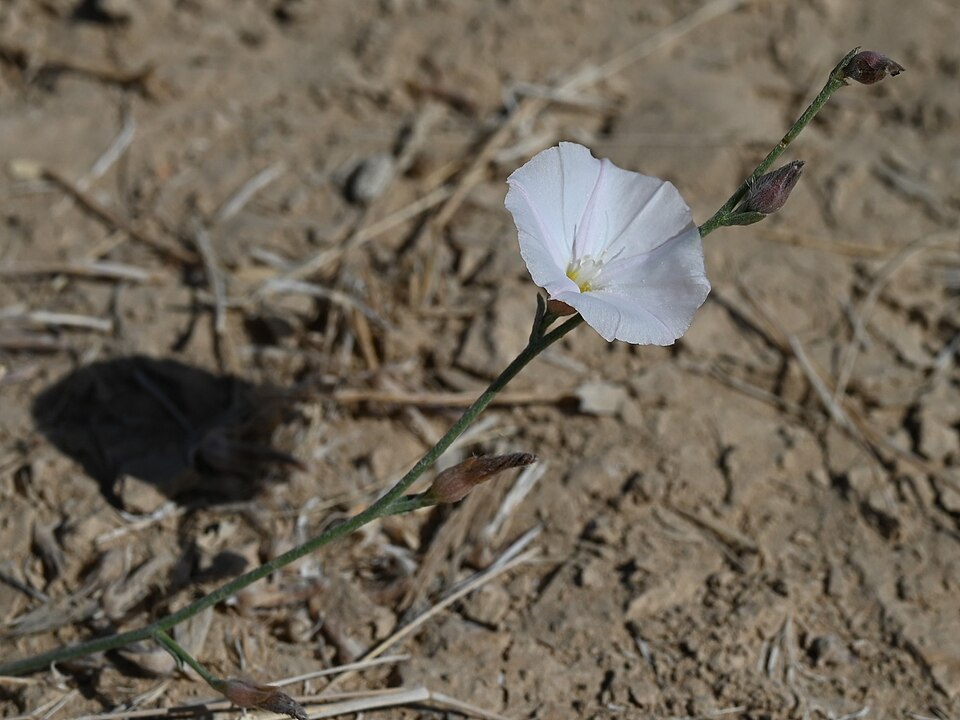
spec sheet10 rows
Convolvulus pluricaulis is a small perennial herb of the morning glory family (Convolvulaceae), native to India and best known in Ayurvedic medicine as shankhpushpi [1][2]. It has long been used as a brain tonic to support memory and to calm the mind, and it is one of several plants traditionally sold under the shankhpushpi name [2][4]. Modern laboratory research has examined its extracts for memory-enhancing, anxiety-reducing and neuroprotective effects, although evidence in humans remains limited [2][3].
- Memory support
- Anxiolytic/calming
- Antioxidant neuroprotection
- Stress resilience
- May cause drowsiness or low mood at higher amounts, in keeping with its calming effects
Overview
Convolvulus pluricaulis, also written as Convolvulus prostratus and sometimes C. microphyllus, is a low, spreading perennial herb belonging to the Convolvulaceae, the same botanical family as bindweed and morning glory [1][2]. It grows in India and neighbouring regions and bears small pale flowers [1]. In Ayurveda it is one of the plants called shankhpushpi, a name that has caused some confusion because it is also applied to other species, notably Evolvulus alsinoides and the blue-flowered Clitoria ternatea; comparative pharmacological work has suggested that Convolvulus pluricaulis is the most appropriate source of shankhpushpi where memory enhancement is concerned [2][4].
In traditional Indian medicine, shankhpushpi is classed among the Medhya Rasayana herbs, the group regarded as rejuvenators of the mind and intellect [2]. The whole plant is used, and preparations have been taken as a brain and nerve tonic to strengthen memory and learning, to ease anxiety and mental stress, to aid sleep, and to help with conditions such as epilepsy [2]. It is a common ingredient in classical Ayurvedic formulations aimed at the nervous system [2].
Chemical study of the herb has identified a mixture of constituents, including alkaloids, flavonoids, coumarins such as scopoletin, steroids and glycosides, which are thought to underlie its biological activity [2]. As with many traditional botanicals, the exact combination of active compounds varies with the plant material and the preparation, and no single molecule is regarded as solely responsible for its effects [2].
Laboratory studies, mostly in rodents, have reported a broad range of effects for Convolvulus pluricaulis extracts on the nervous system, including improved performance on memory tasks and anxiolytic, antidepressant, antistress, sedative and anticonvulsant actions [2][4]. Other work has pointed to antioxidant and neuroprotective activity; for example, an extract lessened brain injury in a rat model of reduced blood flow to the brain, an effect attributed to its scavenging of harmful free radicals [3]. Recent reviews that gather this evidence conclude that the herb shows genuine promise for memory and neurological health, while stressing that most findings come from cell and animal experiments and that well-designed human trials are still lacking [2][5].
Convolvulus pluricaulis is used as a herbal remedy and dietary supplement rather than as an approved drug, and it is sold as dried herb, powders (churna), syrups and extracts, often as part of multi-herb Ayurvedic products [1][2]. In traditional use it has a long record of tolerability, but standardised safety and dosing data from modern clinical research are limited [2].
Mechanism
The effects attributed to Convolvulus pluricaulis are thought to arise from the combined action of its plant constituents rather than a single compound [2]. A prominent theme in the research is antioxidant and neuroprotective activity: extracts have been shown to boost the brain's own defensive enzymes and to reduce markers of oxidative damage, which can protect nerve cells under stress such as interrupted blood flow [3].
The herb is also proposed to support the cholinergic system that is central to memory, with studies suggesting it can influence signalling, and to modulate other neurotransmitters involved in mood and anxiety [2]. Network and pharmacological analyses have linked its compounds to signalling and to pathways relevant in cognitive disorders and Alzheimer's disease [5]. Taken together, these actions on , cholinergic function and neurotransmission are the leading explanations for its traditional reputation as a memory tonic, although the precise mechanisms in humans remain to be confirmed [2][3].
receptor fingerprint
Cholinergic signalingsupports
Brain reduces
tonemodulates
/ stress axisreduces
Dosingtypical ranges, not medical advice
interested in protocols and clinical dosages? make an account to see them! ^_^
Safetyrisks and cautions, not medical advice
Generally well tolerated with a long traditional record and few reported side effects; high doses may cause mild sedation or GI upset. Human safety data at standardized doses is limited. Because of possible sedative and thyroid effects, take care combining with sedatives or thyroid medication.
Resources
This entry is here for reference.
Research
- 2011first citedNootropic, anxiolytic and CNS-depressant studies on different plant sources of shankhpushpi.
- 2026most recentNeuropharmacological Evaluation of Convolvulus pluricaulis in a Surgical Sciatic Nerve Injury M…
- 1.Neuropharmacological Evaluation of Convolvulus pluricaulis in a Surgical Sciatic Nerve Injury Model: Modulation of Oxidative, Inflammatory, and Neurochemical Pathways.
- 2.An update on Ayurvedic herb Convolvulus pluricaulis Choisy.
- 3.Neuroprotective effect of Convolvulus pluricaulis Choisy in oxidative stress model of cerebral ischemia reperfusion injury and assessment of MAP2 in rats.
- 4.Nootropic, anxiolytic and CNS-depressant studies on different plant sources of shankhpushpi.
- 5.Role of Shankhpushpi (Convolvulus pluricaulis) in neurological disorders: An umbrella review covering evidence from ethnopharmacology to clinical studies.
5 listed here; entry last updated August 2026
Reviews
My notesprivate to this device
FAQ
Is this the real shankhpushpi?
Convolvulus pluricaulis is the species most classically identified as shankhpushpi, though the name is applied to a few plants regionally.
Does it make you sleepy?
It leans calming and can be mildly sedating at higher doses, which is why many take it in the evening.
What is a medhya rasayana?
An Ayurvedic category of herbs used as brain and intellect tonics; shankhpushpi is a classic member.
Can I stack it with bacopa?
Yes, they are commonly combined in Ayurvedic brain formulas for complementary memory and calm.
Adverse effects
- May cause drowsiness or low mood at higher amounts, in keeping with its calming effects
Notes and cautions
- Generally considered well tolerated in traditional use
- Has shown thyroid-lowering effects in animal studies, so caution is reasonable for those with thyroid conditions
- Human safety and dosing data are limited, as most evidence comes from animal studies