
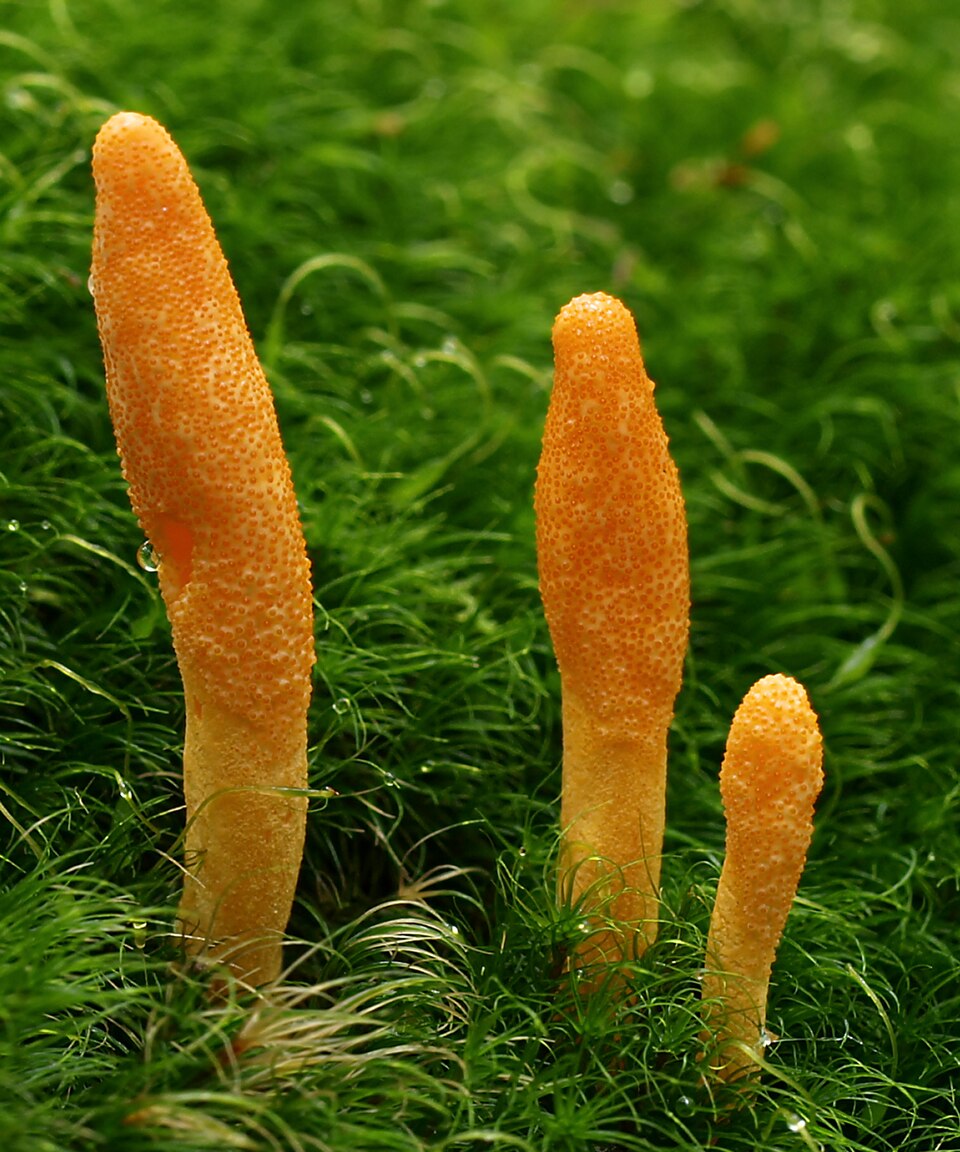
spec sheet10 rows
Cordyceps is a genus of ascomycete fungi that live as parasites of insects and other arthropods, with more than 200 described species distributed mainly across Asia. The genus is best known for the caterpillar fungus, long placed here but now reclassified as Ophiocordyceps sinensis, and for the type species Cordyceps militaris, both of which feature prominently in traditional Chinese and Tibetan medicine. Interest in these fungi centers on bioactive constituents such as the nucleoside cordycepin and various polysaccharides, though rigorous human evidence for health claims remains limited.
- a stamina adaptogen with a plausible mitochondrial angle
- reached for as anti-fatigue and endurance support
- cordycepin and polysaccharides are the active constituents
- centuries of use in Chinese and Tibetan medicine
- effects are real for plenty of people; human trials stay thin
- Mild digestive upset or dry mouth reported
- Possible additive effect with blood-thinning drugs
Overview
Cordyceps is a genus of sac fungi (Ascomycota) whose members are largely internal parasites of insects and other arthropods, a lifestyle described as entomopathogenic [1]. The name joins the Greek word for club with a Latin root for head, reflecting the club-shaped fruiting bodies many species send up from an infected host [1]. Historically the genus was very broad, but molecular phylogenetic work published in 2007 showed it was not a single natural group and split many former members into separate genera such as Ophiocordyceps and Metacordyceps, leaving Cordyceps militaris as the type species [1].
Most Cordyceps species infect a host, grow through and replace its internal tissue with fungal mycelium, and then push up a stalked structure bearing spore-forming perithecia [1]. The released ascospores go on to infect new hosts [1]. This striking parasitism, in which the fungus consumes the insect and erupts from its body, has made the genus a popular subject in natural history.
Two members dominate human interest. The caterpillar fungus, which parasitizes moth larvae on the Tibetan Plateau and was formerly called Cordyceps sinensis, has been used in Chinese and Tibetan medicine for centuries and ranks among the most expensive medicinal fungi in the world [2]. Cordyceps militaris, the type species and the original source of cordycepin, is far easier to cultivate and now supplies much of the commercial market [2][4].
Research on Cordyceps has focused on constituents such as the adenosine analog cordycepin, adenosine itself, and cell-wall polysaccharides, which have been studied for possible immune-modulating, anti-inflammatory, antioxidant, and antifatigue effects [2]. A small double-blind trial of a fermented Cordyceps sinensis preparation (Cs-4) in healthy older adults reported improvements in metabolic and ventilatory thresholds during cycling, although maximal oxygen uptake did not change [3]. Overall, reviewers note that clinical studies remain few and often low in quality, so therapeutic potential is still unproven [2].
Cordyceps is not an approved drug; in Western markets it is sold as a dietary supplement or food, typically as dried fruiting body, milled powder, or hot-water and alcohol extracts, and increasingly as laboratory-cultivated C. militaris rather than wild-harvested caterpillar fungus [2][3]. Because wild caterpillar fungus is scarce and costly, adulteration and species mislabeling are recognized concerns [2].

Mechanism
Cordyceps is a whole fungus rather than a single molecule, so its reported effects are attributed to a mixture of constituents. The most studied is cordycepin (3'-deoxyadenosine), an analog that can interfere with RNA synthesis and engage adenosine-related signaling, giving the genus much of its antiproliferative and anti-inflammatory reputation [4]. Cordyceps preparations are also rich in polysaccharides and , which have been proposed to modulate immune cell activity and support cellular energy metabolism [2].
In exercise studies, a fermented C. sinensis product was associated with a higher lactate threshold and ventilatory threshold, pointing to improved aerobic metabolism rather than a change in peak oxygen uptake [3]. Because extracts contain many compounds in variable amounts, the precise contribution of each to a given effect is hard to isolate, and mechanisms seen in cell and animal models have not been firmly confirmed in people [2].
receptor fingerprint
Cellular ATP productionsupports
Oxygen utilization (VO2)improves
Natural killer / immune cellsmodulates
Reactive oxygen speciesreduces
Vascular tonerelaxes
Dosingtypical ranges, not medical advice
interested in protocols and clinical dosages? make an account to see them! ^_^
Safetyrisks and cautions, not medical advice
Generally well tolerated, with mild GI upset the most common complaint. Because it modulates the immune system, people on immunosuppressants or with autoimmune conditions should be cautious. It may also have mild blood-thinning and blood-sugar-lowering effects, so watch for additive interactions.
Subjective profileweighing the evidence above
A pleasant adaptogen for stamina and energy with a plausible mitochondrial angle; effects are real for some but not everyone.
Where to buy
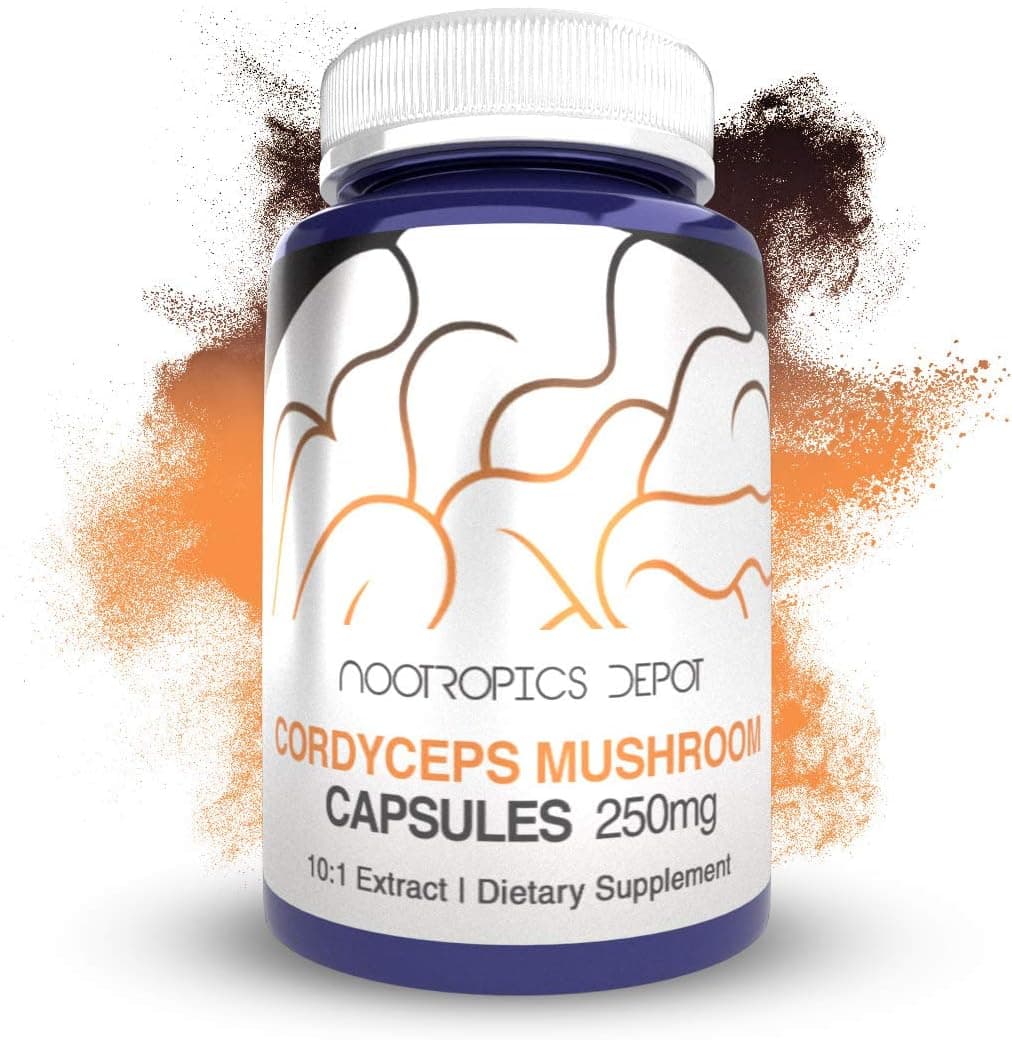
Suppliers
Vendors carrying Cordyceps, with live product details and codes. Links are affiliate links that support the wiki at no cost to you.
Amazon
Cordyceps
Research
- 1950first citedCordycepin, a metabolic product isolated from cultures of Cordyceps militaris (Linn.) Link.
- 2010most recentEffect of Cs-4 (Cordyceps sinensis) on exercise performance in healthy older subjects: a double…
- 1.Phylogenetic classification of Cordyceps and the clavicipitaceous fungi
- 2.The traditional Chinese medicine Cordyceps sinensis and its effects on apoptotic homeostasis
- 3.Effect of Cs-4 (Cordyceps sinensis) on exercise performance in healthy older subjects: a double-blind, placebo-controlled trial
- 4.Cordycepin, a metabolic product isolated from cultures of Cordyceps militaris (Linn.) Link.
4 listed here; entry last updated August 2026
Reviews
My notesprivate to this device
FAQ
Does cordyceps boost endurance?
It plausibly improves oxygen use and ATP output; some people feel a clear stamina benefit while trials are mixed.
Militaris or sinensis?
Cultivated Cordyceps militaris is more standardized, affordable, and sustainable than wild sinensis.
Is it a stimulant?
No, it's caffeine-free and non-jittery, more of a slow-build energy herb.
Who should be careful?
People on immunosuppressants, with autoimmune disease, or on blood thinners.
How long until I feel it?
Give it a few weeks of consistent use for the stamina effects to show.
Adverse effects
- Mild digestive upset or dry mouth reported
- Possible additive effect with blood-thinning drugs
Notes and cautions
- Generally well tolerated in short studies
- May stimulate immune activity; caution with immunosuppressants
- Wild caterpillar fungus prone to adulteration and mislabeling