
spec sheet10 rows
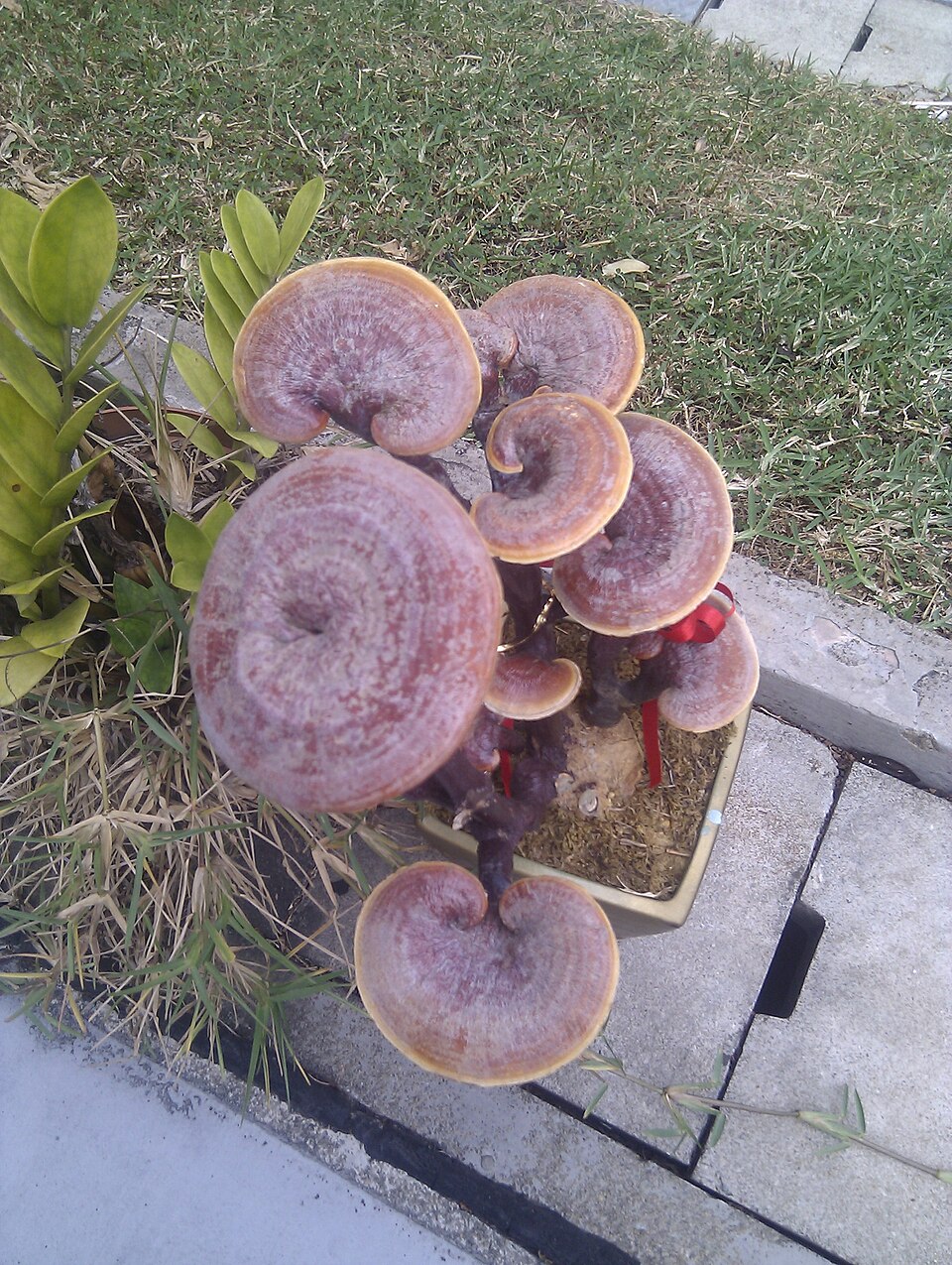
Reishi, known in China as lingzhi and scientifically as Ganoderma lucidum and related species, is a woody polypore mushroom native to East Asia. It has been used in Chinese and other East Asian traditional medicine for more than two thousand years, where it was sometimes called the mushroom of immortality. Its most studied constituents are triterpenoids known as ganoderic acids and cell-wall polysaccharides such as beta-glucans.
- Two thousand years of use as the immortality mushroom
- Beta glucans and ganoderic acids do the real work
- A legitimate adaptogen for calm and immune support
- Gentle nightly wind down; better sleep quality reported
- Easy daily ritual; brews into tea or blends anywhere
- Occasional digestive upset, such as nausea
- Dry mouth or throat with prolonged use in some reports
- Possible interaction with blood-thinning or immune-related medications
Overview
Reishi is a bracket or shelf fungus with a characteristic reddish-brown, varnished, kidney-shaped cap that grows on hardwood trees [1]. In China it is called lingzhi, meaning roughly "divine mushroom," and it has been revered in East Asian cultures for over two thousand years [1]. Its scientific naming has long been unsettled; specimens have been placed under Ganoderma lucidum, and East Asian cultivated material is now often assigned to closely related species such as Ganoderma lingzhi [1].
Reishi has a long history in traditional Chinese and Japanese medicine, in which the dried mushroom is typically sliced or powdered and simmered into a bitter decoction [1]. Traditional texts credited it with promoting vitality and longevity, and it became a symbol of good fortune and health in East Asian art and folklore [1]. Today it is consumed as teas, powders, and extract-based supplements.
The mushroom's most studied constituents are triterpenoids called ganoderic acids, whose structures resemble steroid hormones, along with polysaccharides that include beta-glucans [1][3]. Laboratory research has explored immune-modulating, antioxidant, and anti-inflammatory activities, and reviews have examined possible effects in models of neurodegenerative disease [1][3]. In cancer care, a Cochrane systematic review of randomized trials concluded that reishi should not be used as a first-line treatment, but that as an addition to conventional chemotherapy or radiotherapy it might improve tumor response and some measures of immune function, while being generally well tolerated [2]. Overall, human evidence remains limited and of variable quality [2].

Mechanism
Reishi's biological effects are attributed mainly to two groups of compounds: polysaccharides, especially beta-glucans, and triterpenoids known as ganoderic acids [1][3]. Beta-glucans are thought to interact with receptors on immune cells and to modulate immune responses, which is the basis for reishi's traditional reputation as an immune tonic [1][3]. The triterpenoids, whose structures resemble steroid hormones, have shown antioxidant, anti-inflammatory, and cell-regulating actions in laboratory studies [3]. In cancer-related trials, reishi taken alongside conventional therapy has been associated with shifts in immune-cell populations, such as changes in lymphocyte subsets and natural-killer-cell activity [2]. How reliably these laboratory mechanisms translate into clinical benefit in people is still uncertain [2].
receptor fingerprint
Immune receptors (beta-glucan)modulates
Inflammatory cytokinesreduces
reduces
Stress and responsebuffers
Sleep pathwayssupports
Dosingtypical ranges, not medical advice
interested in protocols and clinical dosages? make an account to see them! ^_^
Safetyrisks and cautions, not medical advice
Generally safe with occasional dry mouth, GI upset, or dizziness. It may have mild blood-thinning and blood-pressure-lowering effects, so caution is warranted with anticoagulants and before surgery. Rare liver concerns have been reported with certain powdered products.
Subjective profileweighing the evidence above
A gentle, legitimate adaptogen for calm and immune support. Great as a nightly wind-down mushroom, just don't expect dramatic effects.
Where to buy
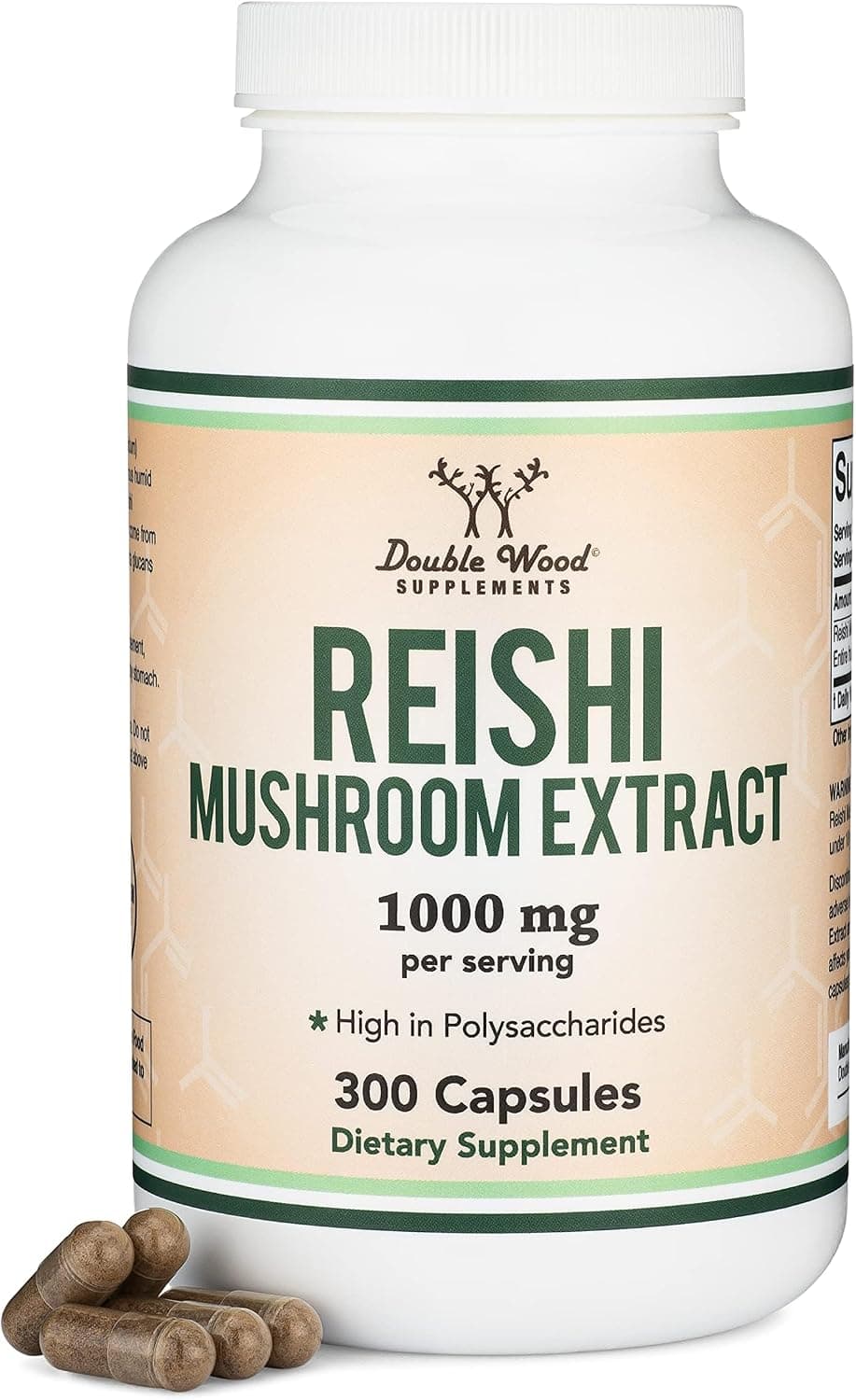
Suppliers
Vendors carrying Reishi, with live product details and codes. Links are affiliate links that support the wiki at no cost to you.
Amazon
Reishi
Research
- 2011first citedGanoderma lucidum (Lingzhi or Reishi): A Medicinal Mushroom
- 2016meta-analysisGanoderma lucidum (Reishi mushroom) for cancer treatment
- 2024most recentThe Biological Activity of Ganoderma lucidum on Neurodegenerative Diseases: The Interplay betwe…
- 1.Ganoderma lucidum (Lingzhi or Reishi): A Medicinal Mushroom
- 2.Ganoderma lucidum (Reishi mushroom) for cancer treatment
- 3.The Biological Activity of Ganoderma lucidum on Neurodegenerative Diseases: The Interplay between Different Active Compounds and the Pathological Hallmarks
3 listed here; entry last updated August 2026
Reviews
My notesprivate to this device
FAQ
Does reishi make you sleepy?
It is more of a gentle wind-down than a sedative; many people find it easier to relax in the evening.
How long until it works?
Give it a few weeks of consistent use, especially for immune and stress benefits.
Extract or raw powder?
Standardized extracts concentrate the beta-glucans and triterpenes, so they are usually more reliable than raw powder.
Any medication concerns?
Be cautious with blood thinners and blood pressure meds given its mild effects on both.
Is it a true adaptogen?
It fits the adaptogen description reasonably well, helping buffer stress, though human data are still moderate.
Adverse effects
- Occasional digestive upset, such as nausea
- Dry mouth or throat with prolonged use in some reports
- Possible interaction with blood-thinning or immune-related medications
Notes and cautions
- Generally well tolerated in studies