
spec sheet10 rows
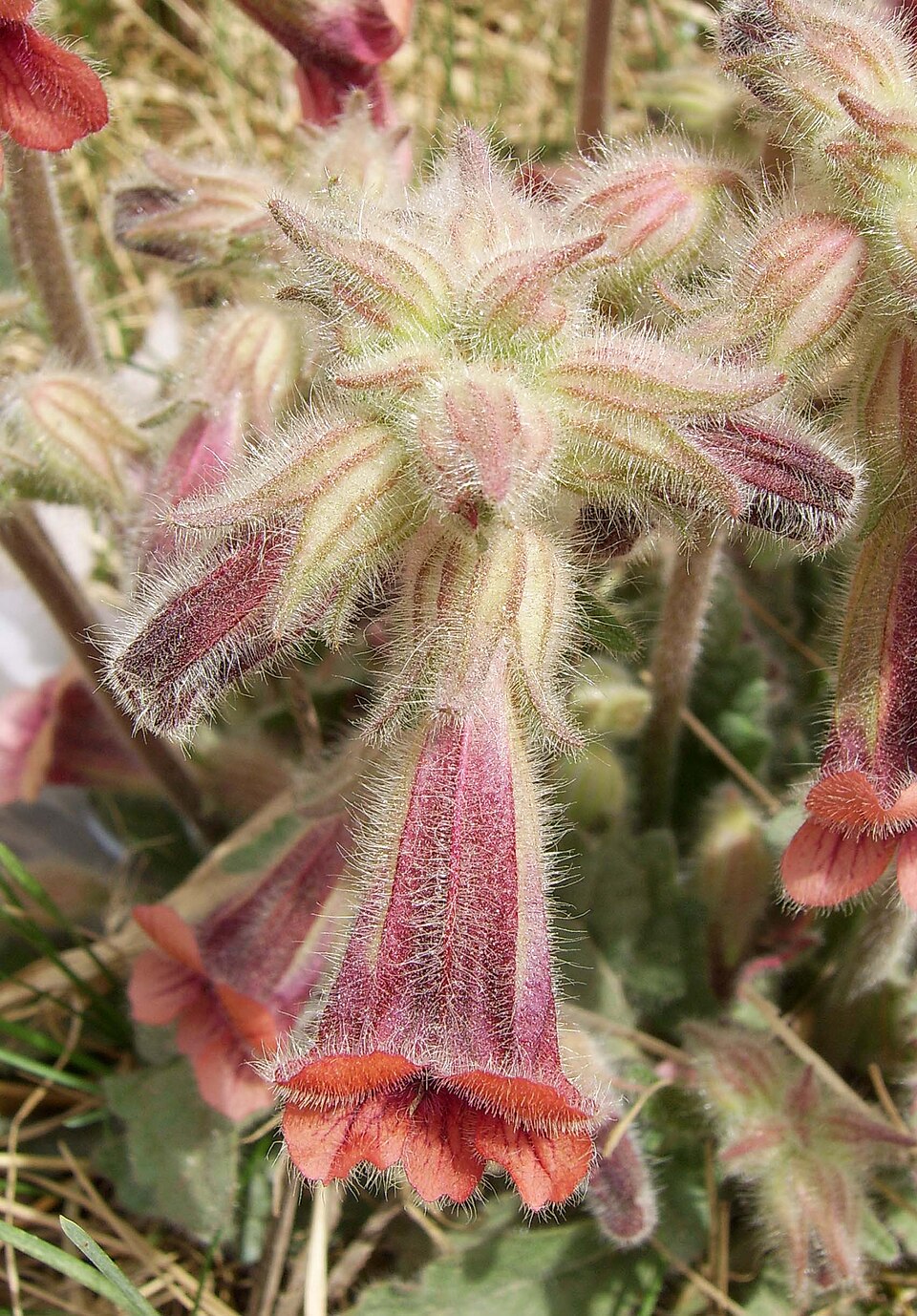
Rehmannia (Rehmannia glutinosa), known in Chinese as dihuang, is a flowering plant traditionally counted among the fundamental herbs of Chinese medicine. Its root, used fresh, dried, or steam-processed, is a staple of many classical herbal formulas. Modern chemical work has identified iridoid glycosides such as catalpol among its main constituents.
- Anti-inflammatory activity
- Immune modulation
- Antioxidant protection
- Traditional adrenal and longevity support
- Possible metabolic effects
- Digestive upset, such as loose stools, in some people
- Potential to interact with other herbs or medications in combination formulas
Overview
Rehmannia glutinosa is a flowering plant placed in the family Orobanchaceae; unlike most members of that family it is not parasitic and carries out its own photosynthesis [1]. The plant's genus name honors the physician Joseph Rehmann, while the species name refers to the sticky texture of its parts. It is native to China and has long been cultivated there for medicinal use [1].
In traditional Chinese medicine, rehmannia root is regarded as one of the fifty fundamental herbs and is prepared in distinct forms: the fresh or dried root, called sheng dihuang, and a steam-processed form, called shu dihuang, which are held to have different properties and uses [1]. Classical texts describe it for nourishing what the tradition calls yin and blood and for cooling the blood, and it appears in many well-known multi-herb formulas [1].
Chemical studies have isolated more than a hundred compounds from the root, among them iridoid glycosides such as catalpol, phenylethanoid glycosides, and polysaccharides [1]. Catalpol in particular has been the focus of laboratory research examining antioxidant, anti-inflammatory, and tissue-protective effects, including in models of cardiovascular and cerebrovascular disease [2]. Rehmannia is also studied as part of traditional herb combinations; one network-pharmacology analysis explored how a processed-rehmannia pairing might act on bone in models of diabetic osteoporosis [3]. Much of this evidence comes from laboratory and animal work rather than large human trials [1][2].
Mechanism
Rehmannia's reported activities are generally attributed to its mixture of iridoid glycosides, phenylethanoid glycosides, and polysaccharides, with the iridoid catalpol among the most studied constituents [1]. In laboratory and animal models, catalpol has shown antioxidant, anti-inflammatory, and anti-apoptotic effects, acting on signaling pathways involved in cell survival and stress responses [2]. Researchers have connected rehmannia-containing preparations to effects on blood sugar, bone, kidney function, and neural tissue in experimental systems [1][3]. How these findings translate to the traditional whole-root preparations used in people is not yet well established, since much of the work isolates single compounds [1][2].
receptor fingerprint
NF-kB / inflammationinhibits
Immune polysaccharidesmodulates
reduces
modulates
Blood glucosemodulates
Dosingtypical ranges, not medical advice
interested in protocols and clinical dosages? make an account to see them! ^_^
Safetyrisks and cautions, not medical advice
Rehmannia is generally well tolerated; side effects can include mild digestive upset, especially loose stools with the raw form. It may affect blood sugar and could interact with diabetes or immune-modulating medications, so caution is warranted there. As with many tonic herbs, quality and preparation (raw vs prepared) matter.
Subjective profileweighing the evidence above
A respected traditional tonic with interesting anti-inflammatory and immune-modulating compounds, but modern human data is limited. Fine as part of a considered blend.
Resources
This entry is here for reference.
Research
- 2022first citedA systematic review on botany, processing, application, phytochemistry and pharmacological acti…
- 2025most recentNetwork pharmacology analysis uncovers the mechanism of Shudihuang-Shanzhuyu herb pair in preve…
- 1.A systematic review on botany, processing, application, phytochemistry and pharmacological action of Radix Rehmnniae.
- 2.Protective effects of catalpol on cardio-cerebrovascular diseases: A comprehensive review
- 3.Network pharmacology analysis uncovers the mechanism of Shudihuang-Shanzhuyu herb pair in prevention and treatment of diabetic osteoporosis via PI3K/AKT pathway
3 listed here; entry last updated August 2026
Reviews
My notesprivate to this device
FAQ
What is rehmannia used for?
Traditionally it's a kidney and adrenal tonic for longevity and immune support. Modern evidence centers on anti-inflammatory and immune effects.
Raw or prepared root?
TCM distinguishes raw (cooling) from prepared/cooked (tonifying) rehmannia; prepared is the classic tonic form.
Is the evidence strong?
Not yet. Most support comes from tradition and preclinical work; human trials are limited.
Can it affect blood sugar?
Some data suggests it can. If you're diabetic or on glucose-lowering meds, use caution.
Is it usually taken alone?
More often it's part of a multi-herb formula rather than a solo supplement.
Limitations of the evidence
- Most safety information comes from traditional practice rather than controlled trials
Adverse effects
- Digestive upset, such as loose stools, in some people
- Potential to interact with other herbs or medications in combination formulas
Notes and cautions
- Generally regarded as well tolerated in traditional use