
spec sheet10 rows
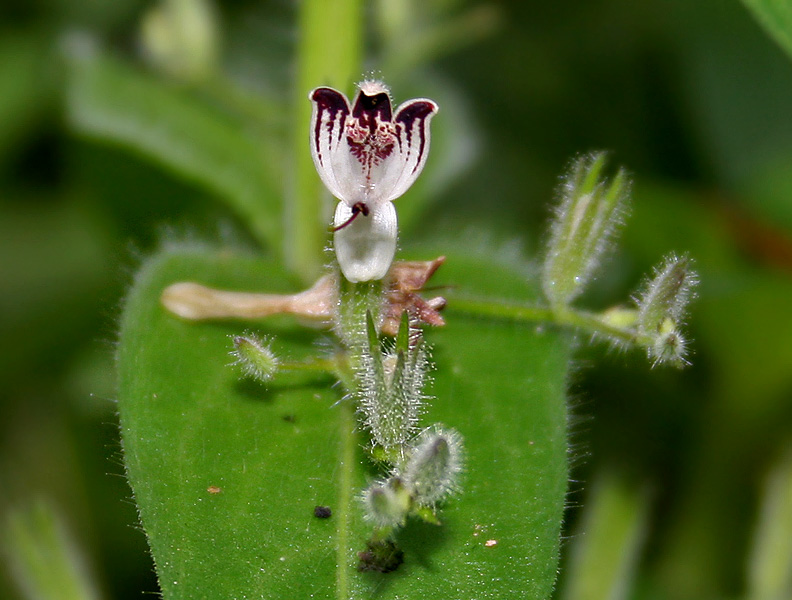
Andrographis is a herbal supplement made from Andrographis paniculata, an annual plant of the family Acanthaceae native to South and Southeast Asia and known by common names such as green chiretta and kalmegh. Its main active constituents are bitter diterpenoid compounds, chiefly andrographolide. Long used in Ayurvedic and traditional Chinese medicine for fever and colds, it is taken today mainly as a remedy for upper respiratory infections, though the supporting clinical evidence is of variable quality.
- may shorten colds
- eases upper respiratory symptoms
- anti-inflammatory action
- antioxidant activity
- Mild stomach upset or loss of appetite
- Headache or fatigue in some users
- Allergic reactions (rash, rarely more serious)
- Best avoided in pregnancy
- May interact with some medications
Overview
Andrographis refers to preparations of the plant Andrographis paniculata, a herbaceous annual in the family Acanthaceae that grows across India, Sri Lanka, and parts of Southeast Asia. The whole plant is intensely bitter, a property reflected in its traditional name "king of bitters." Its characteristic active compounds are diterpenoid lactones, of which andrographolide is the most abundant and the most studied [2].
The plant has a long record of use in the Ayurvedic and Siddha systems of India and in traditional Chinese medicine, where it has been given for fever, sore throat, colds and influenza, digestive complaints, and liver conditions. This traditional reputation as a remedy for infection and inflammation set the direction for much of the modern research on the herb [2].
Contemporary interest centers on respiratory infections. A systematic review and meta-analysis of randomized trials concluded that Andrographis paniculata, alone or with usual care, appeared to relieve cough and sore throat and shorten time to recovery in acute respiratory infections, while cautioning that most of the underlying trials were of poor methodological quality [1]. The herb and its extracts have also been examined for antimicrobial, anti-inflammatory, hepatoprotective, and antiviral activity in laboratory and preclinical work [2], and a fixed herbal combination containing the plant was tested in a randomized trial in people with mild COVID-19 [3].
Reported side effects are usually mild and gastrointestinal, though allergic reactions can occur, and a semi-synthetic injectable derivative used in some countries has been associated with more serious hypersensitivity reactions. Andrographolide can affect drug-metabolizing enzymes, raising the possibility of interactions, and the herb is generally advised against in pregnancy because of traditional and experimental concerns about reproductive effects [2].
In most Western countries Andrographis is sold as a dietary supplement rather than an approved medicine, commonly as a standardized extract providing a defined amount of andrographolide, and often combined with other botanicals. Regulatory bodies have at times reviewed its safety, particularly with respect to rare allergic reactions.
Mechanism
The activity of Andrographis is attributed largely to andrographolide and related diterpenoids. Laboratory studies indicate that andrographolide can dampen inflammatory signaling, in part by interfering with the NF-kappaB pathway that drives production of inflammatory mediators, and can modulate immune-cell activity, effects that may underlie the herb's traditional use in feverish and infectious illness [2].
Andrographolide has also shown direct actions against a range of microbes and viruses in experimental systems, including interference with viral replication and bacterial virulence [2]. In the setting of respiratory infection, these anti-inflammatory and immune-modulating effects are the proposed basis for the symptom relief seen in clinical trials [1][3]. Andrographolide can influence cytochrome P450 drug-metabolizing enzymes, the likely mechanism behind reported herb-drug interactions [2].
receptor fingerprint
NF-kB inflammatory signalinginhibits
Immune cell activitymodulates
Pro-inflammatory cytokinesreduces
reduces
Dosingtypical ranges, not medical advice
interested in protocols and clinical dosages? make an account to see them! ^_^
Safetyrisks and cautions, not medical advice
It is generally well tolerated short-term, but its bitterness can cause nausea, and some people report digestive upset, headache, or fatigue. Because it can modulate the immune system, people on immunosuppressants or with autoimmune conditions should be cautious. It is not recommended in pregnancy, and there are theoretical concerns about fertility and about additive effects with blood-pressure or blood-thinning medications.
Subjective profileweighing the evidence above
One of the more evidence-backed immune herbs for colds; not a miracle, but a reasonable option at the first sign of a cold.
Resources
This entry is here for reference.
Research
- 2017first citedAndrographis paniculata (Chuān Xīn Lián) for symptomatic relief of acute respiratory tract infe…
- 2023most recentEfficacy of Kan Jang in patients with mild COVID-19: a randomized, quadruple-blind, placebo-con…
- 1.Andrographis paniculata (Chuān Xīn Lián) for symptomatic relief of acute respiratory tract infections in adults and children: A systematic review and meta-analysis.
- 2.Andrographis paniculata (Burm. f.) Wall. ex Nees: An Updated Review of Phytochemistry, Antimicrobial Pharmacology, and Clinical Safety and Efficacy.
- 3.Efficacy of Kan Jang in patients with mild COVID-19: a randomized, quadruple-blind, placebo-controlled trial
3 listed here; entry last updated August 2026
Reviews
My notesprivate to this device
FAQ
What is andrographis used for?
Mainly to ease and possibly shorten the common cold and upper respiratory infections.
What's the active compound?
Andrographolide, which has anti-inflammatory and immune-modulating effects.
Is the evidence good?
It's among the better-supported immune herbs, though study quality varies.
Who should avoid it?
Pregnant people, and those on immunosuppressants or with autoimmune conditions should be cautious.
Adverse effects
- Mild stomach upset or loss of appetite
- Headache or fatigue in some users
- Allergic reactions (rash, rarely more serious)
- Best avoided in pregnancy
- May interact with some medications
Notes and cautions
- Usually well tolerated