
data + articles · 4 listed
newest 2025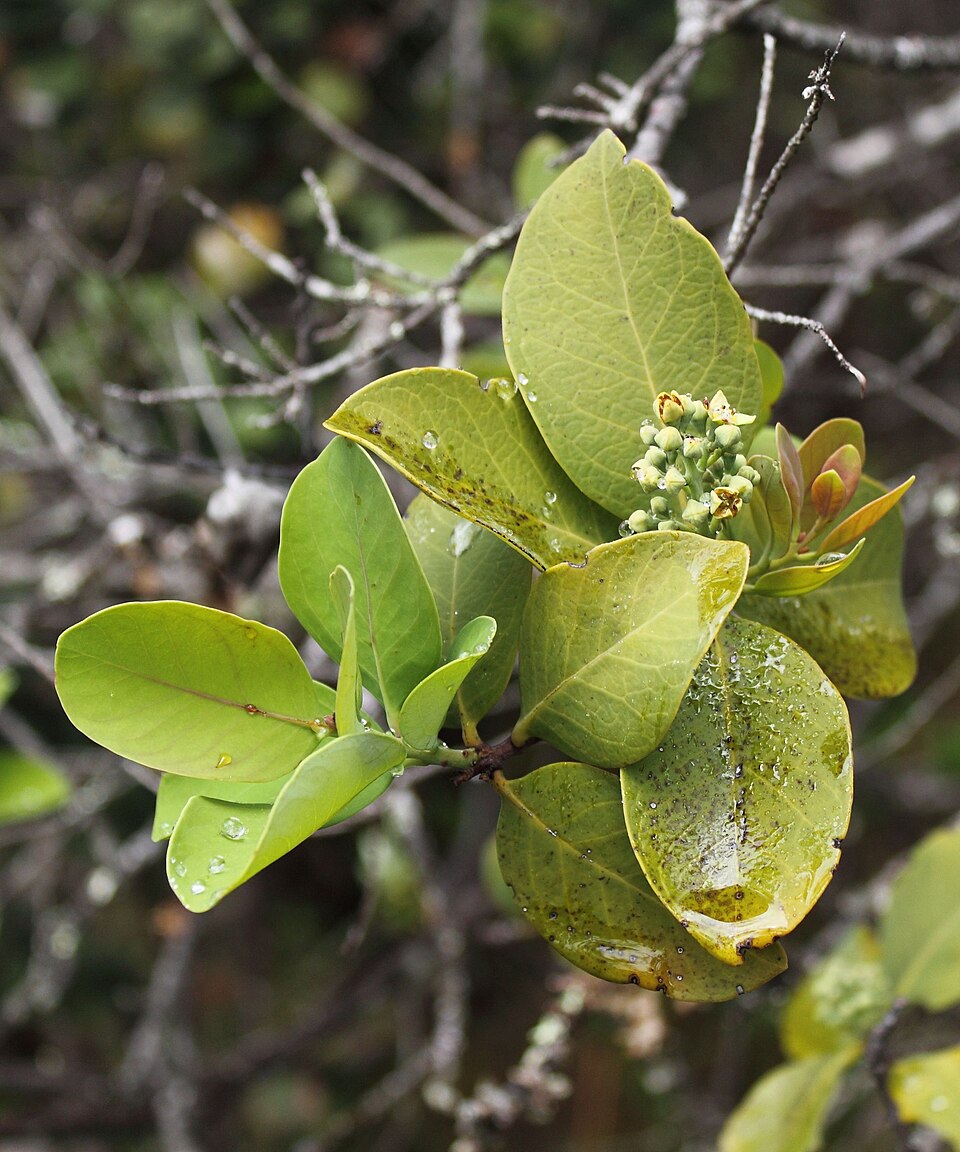
spec sheet10 rows
Sandalwood is a class of fragrant, fine-grained wood, together with the essential oil distilled from it, obtained from hemiparasitic trees of the genus Santalum, most notably Indian sandalwood (Santalum album). Prized for a soft, warm, long-lasting woody scent, it has been used for millennia in perfumery, incense, carving, and the religious traditions of Asia. Its aroma comes chiefly from two isomers of the sesquiterpene santalol, which are also the focus of research into the oil's anti-inflammatory and other biological effects.
- Calming aroma
- Possible anti-inflammatory activity
- Traditional skin uses
- Antioxidant activity in lab studies
- Skin irritation or contact allergy from the undiluted oil
- Rare allergic reactions
- Possible skin sensitivity to light in some people
Overview
Sandalwood refers both to the heavy, yellowish, aromatic heartwood of trees in the genus Santalum and to the essential oil steam-distilled from that wood [2]. The trees are slow-growing hemiparasites that draw part of their nutrition from the roots of host plants. Indian sandalwood (Santalum album) is the most valued species, while Australian sandalwood (Santalum spicatum) and several Pacific species are also harvested [2]. The oil is dominated by sesquiterpene alcohols, with alpha-santalol and beta-santalol together making up the majority of its content and giving the wood its characteristic fragrance [2].
Native to parts of Insular Southeast Asia, Australia, and the Pacific, sandalwood spread across Asia through ancient maritime and incense trade routes [2]. It holds deep religious and cultural significance, as sandalwood paste and incense feature in Hindu, Buddhist, Jain, and other ceremonies, and the fine wood has long been favored for carving statues and ritual objects. In Ayurveda and traditional Chinese medicine the heartwood has been used for skin, cardiovascular, and respiratory complaints [2].
In perfumery, sandalwood oil is prized as a base note and fixative, valued for a soft, creamy, milky, woody scent that blends readily with florals and other woods [2]. It has also served niche technical roles, such as an immersion oil in microscopy. Because demand has long outstripped supply, Indian sandalwood has been heavily over-exploited, wild populations are considered threatened, and much production has shifted to managed plantations and to Australian sources [2].
Scientific interest centers on the oil and its santalols. Sandalwood album oil, also called East Indian sandalwood oil, has shown anti-inflammatory, antimicrobial, and anti-proliferative activity in laboratory work, and pharmaceutical-grade preparations have been studied in dermatology for acne, psoriasis, eczema, warts, and molluscum contagiosum [1]. Alpha-santalol has drawn particular attention for chemopreventive effects against skin and other cancers in cell and animal models, where it can trigger cell-cycle arrest and apoptosis [3]. Separately, a synthetic sandalwood-type odorant was found to activate the olfactory receptor OR2AT4 in skin keratinocytes and to promote wound-healing processes, illustrating that sandalwood-like molecules can act on receptors well outside the nose [4].
Sandalwood is sold as raw wood, chips and powder, incense, and steam-distilled essential oil, and pharmaceutical-grade oil has been developed for topical medical use [1]. It is not a scheduled drug, but several Santalum species are protected or regulated because of over-harvesting and conservation concerns [2].
Mechanism
The biological effects attributed to sandalwood come mainly from its sesquiterpene alcohols, chiefly alpha-santalol and beta-santalol [2][3]. In laboratory studies, sandalwood oil and alpha-santalol reduce inflammatory signaling and show antimicrobial and anti-proliferative activity, which is the proposed basis for topical benefit in inflammatory skin conditions [1]. In cancer models, alpha-santalol induces cell-cycle arrest and programmed cell death, or apoptosis, in tumor cells and can suppress chemically and ultraviolet-induced skin carcinogenesis [3].
Sandalwood-type odorants also engage odorant receptors expressed outside the nose; the synthetic Sandalore activates the keratinocyte receptor OR2AT4, raising intracellular calcium and cyclic AMP and phosphorylating the ERK and p38 pathways, which in turn promotes keratinocyte proliferation and migration during wound repair [4]. As with many botanical oils, its overall activity reflects a complex mixture of constituents rather than a single defined drug target [1][2].
receptor fingerprint
Pro-inflammatory signalingreduces
reduces
Olfactory/limbic pathwaysmodulates
Skin inflammationmodulates
Dosingtypical ranges, not medical advice
interested in protocols and clinical dosages? make an account to see them! ^_^
Safetyrisks and cautions, not medical advice
Topical sandalwood oil can cause skin irritation or allergic reactions in sensitive people, so patch testing is smart. Essential oils should not be swallowed casually; ingesting concentrated oil can be toxic. As with most botanicals, pregnant or breastfeeding people should avoid concentrated use without guidance.
Resources
This entry is here for reference.
Research
- 2014first citedA synthetic sandalwood odorant induces wound-healing processes in human keratinocytes via the o…
- 2025most recentSantali Albi Lignum: from traditional efficacies to pharmacological properties and modern thera…
- 1.Sandalwood Album Oil as a Botanical Therapeutic in Dermatology
- 2.Santali Albi Lignum: from traditional efficacies to pharmacological properties and modern therapeutic applications
- 3.Anticancer Effects of Sandalwood (Santalum album)
- 4.A synthetic sandalwood odorant induces wound-healing processes in human keratinocytes via the olfactory receptor OR2AT4
4 listed here; entry last updated July 2026
Reviews
My notesprivate to this device
FAQ
Can I take sandalwood as a supplement?
There's no established oral dose and concentrated oil can be toxic swallowed, so it's mostly used aromatically or topically.
Does it actually reduce pain?
Traditional use suggests it, but solid human pain data is lacking, so keep expectations modest.
Is the aroma calming or energizing?
Studies are mixed; some report relaxation, others mild alertness, likely depending on the person and setting.
Is sandalwood oil safe on skin?
Usually when diluted, but patch test first because irritation and allergy do happen.
Is it endangered?
Wild Indian sandalwood has been over-harvested, so sustainably sourced or Australian sandalwood is worth seeking out.
Adverse effects
- Skin irritation or contact allergy from the undiluted oil
- Rare allergic reactions
- Possible skin sensitivity to light in some people
Notes and cautions
- Not intended for ingestion of the concentrated oil