
spec sheet10 rows
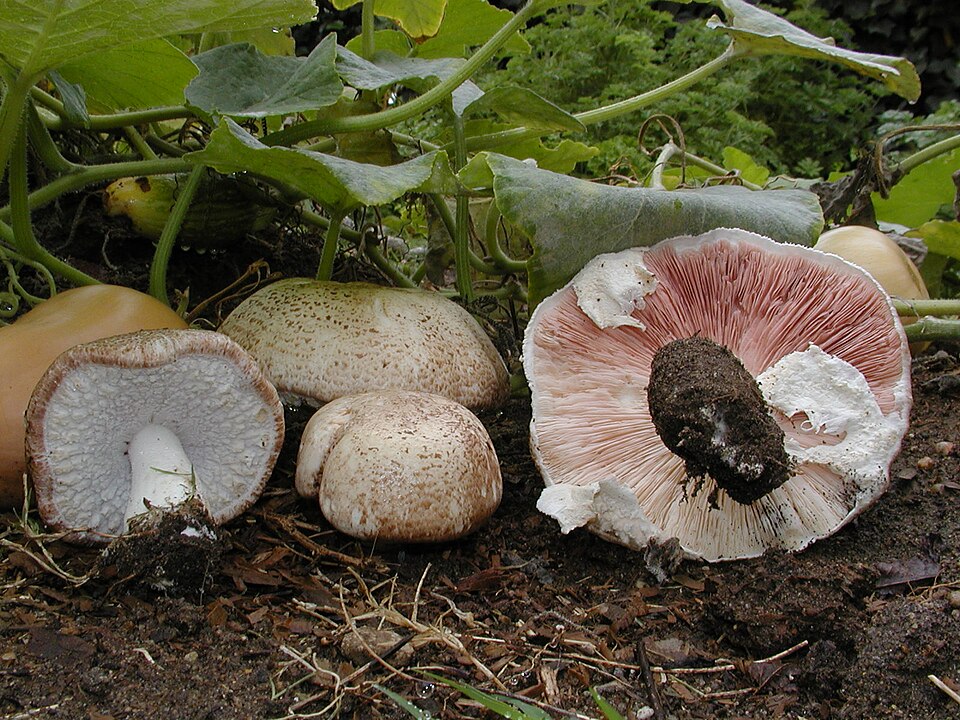
Agaricus blazei is an edible mushroom, more correctly known by the scientific name Agaricus subrufescens, that is used both as food and as a traditional health supplement. Native to the Americas and widely cultivated in Brazil and Japan, it is prized for its almond-like aroma and marketed under names such as almond mushroom and royal sun agaricus. It contains polysaccharides including beta-glucans that are the focus of research into immune and liver effects, though strong clinical evidence for medicinal benefit remains limited.
- Immune activation
- Beta-glucan content
- Antioxidant support
- Traditional wellness tonic
- Digestive upset such as nausea can occur with concentrated extracts
- Rare reports of liver enzyme changes with some supplement use
- Allergic reactions are possible in sensitive individuals
Overview
Agaricus blazei is the popular commercial name for a cultivated edible mushroom whose correct scientific identity is Agaricus subrufescens, a species first described in North America by Charles Peck in 1893 [1]. When a mushroom grown in Brazil became popular as a health food in the late twentieth century, it was labeled Agaricus blazei Murrill, but genetic analysis later showed that the Brazilian and North American cultures are the same organism, so the older name subrufescens takes priority [1]. It is variously sold as the almond mushroom, royal sun agaricus, himematsutake, and cogumelo do sol, and owes its sweet, almond-like scent to aromatic compounds such as benzaldehyde [1].
The mushroom is native to the northeastern United States and adjacent Canada and has since been recorded across many countries, while large-scale cultivation is centered in Brazil, Japan, and other parts of Asia [1]. Like other members of its family it is rich in cell-wall polysaccharides, notably beta-glucans, and researchers have also isolated distinctive ergostane-type molecules named blazeispirols from its cultured mycelium [4]. These constituents are the basis of interest in the mushroom as a source of potentially bioactive compounds [4][2].
Agaricus blazei has been promoted in complementary medicine for immune support and for cancer, but such claims are not backed by sufficient high-quality clinical research [2]. Laboratory and animal studies have examined its polysaccharides for effects on immune cells, and small human and animal studies have looked at effects on the liver, including a report that an extract helped normalize liver enzymes in people with chronic hepatitis B [3] and findings that it protected rodent livers against chemical injury [5]. It is generally consumed as an edible mushroom or as a dried powder or extract sold as a dietary supplement rather than as an approved medicine, and it is not a regulated drug [1].
Mechanism
Agaricus blazei is studied chiefly for the biological activity of its complex polysaccharides, especially beta-glucans, which form part of the fungal cell wall [2][4]. Beta-glucans from mushrooms are recognized by pattern-recognition receptors on immune cells, such as dectin-1 and complement receptor 3, an interaction thought to prime immune responses; this is the general basis for the immunomodulatory effects attributed to the mushroom, although the clinical significance in humans is not established [2].
In laboratory and animal work, extracts of the mushroom have been reported to stimulate immune cells such as macrophages and natural killer cells and to influence the release of signaling molecules called cytokines [2]. Separate research points to antioxidant and liver-protective actions, with animal studies showing reduced markers of chemically induced liver damage and a small clinical report describing improved liver enzyme levels in chronic hepatitis B [3][5]. The mushroom also contains unusual ergostane-derived compounds, the blazeispirols, whose biological roles are still being characterized [4]. Overall the proposed mechanisms rest largely on preclinical data, and firm conclusions about how, or whether, the mushroom produces meaningful effects in people await stronger evidence [2].
receptor fingerprint
Dectin-1 / beta-glucan receptorsactivates
Natural killer cellsactivates
Macrophages and cytokinesstimulates
reduces
Dosingtypical ranges, not medical advice
interested in protocols and clinical dosages? make an account to see them! ^_^
Safetyrisks and cautions, not medical advice
Generally well tolerated, with occasional digestive upset. There have been rare reports of liver enzyme changes with certain products, so people with liver conditions should be cautious and choose quality extracts. Because it stimulates immune activity, people on immunosuppressants or with autoimmune conditions should check with a doctor first.
Subjective profileweighing the evidence above
A legit immune-support mushroom with decent lab backing, worth including in a mushroom rotation. Just keep the longevity and anti-cancer claims in the 'promising, not proven' column.
Resources
This entry is here for reference.
Research
- 2002first citedBlazeispirols B, C, E and F, des-A-ergostane-type compounds, from the cultured mycelia of the f…
- 2008controlled trialThe mushroom Agaricus blazei Murill extract normalizes liver function in patients with chronic…
- 2022most recentA concise review of mushrooms antiviral and immunomodulatory properties that may combat against…
- 1.Agaricus subrufescens, a cultivated edible and medicinal mushroom, and its synonyms
- 2.A concise review of mushrooms antiviral and immunomodulatory properties that may combat against COVID-19
- 3.The mushroom Agaricus blazei Murill extract normalizes liver function in patients with chronic hepatitis B
- 4.Blazeispirols B, C, E and F, des-A-ergostane-type compounds, from the cultured mycelia of the fungus Agaricus blazei
- 5.Agaricus blazei Murill as an efficient hepatoprotective and antioxidant agent against CCl4-induced liver injury in rats
5 listed here; entry last updated August 2026
Reviews
My notesprivate to this device
FAQ
What makes this mushroom special?
It's notably high in immune-active beta-glucans and has a long history of use in Japan for immune support.
Does it fight cancer?
There's preclinical interest, but human evidence is limited, so it shouldn't be treated as a cancer therapy.
Is it safe for the liver?
Mostly, but a few reports of liver enzyme changes exist, so pick quality extracts and be cautious if you have liver issues.
Can I take it with immune medications?
Check with a doctor; it stimulates the immune system, which can conflict with immunosuppressants or autoimmune conditions.
Extract or whole powder?
Hot-water or standardized beta-glucan extracts are generally preferred for delivering the active polysaccharides.
Adverse effects
- Digestive upset such as nausea can occur with concentrated extracts
- Rare reports of liver enzyme changes with some supplement use
- Allergic reactions are possible in sensitive individuals
Notes and cautions
- Generally well tolerated when eaten as a food
- Supplement quality and potency vary between products