
spec sheet12 rows
Ashwagandha is an adaptogenic herb prepared from the root of Withania somnifera, a small evergreen shrub in the nightshade family (Solanaceae) native to parts of Africa, the Middle East, and the Indian subcontinent. It has been used for centuries in Ayurveda, India's traditional system of medicine, as a rejuvenating tonic. Its main active constituents are steroidal lactones known as withanolides, and it is among the better-studied herbal supplements, with clinical research centering on stress, anxiety, and sleep.
- One of the best studied herbs for stress and anxiety
- Measurably lowers cortisol in controlled trials
- Better sleep quality without heavy sedation
- Modest testosterone support in men
- Helps strength and recovery alongside training
- Centuries of Ayurvedic use, now with real clinical work behind it
- Mild digestive upset
- Drowsiness
- Headache
Overview
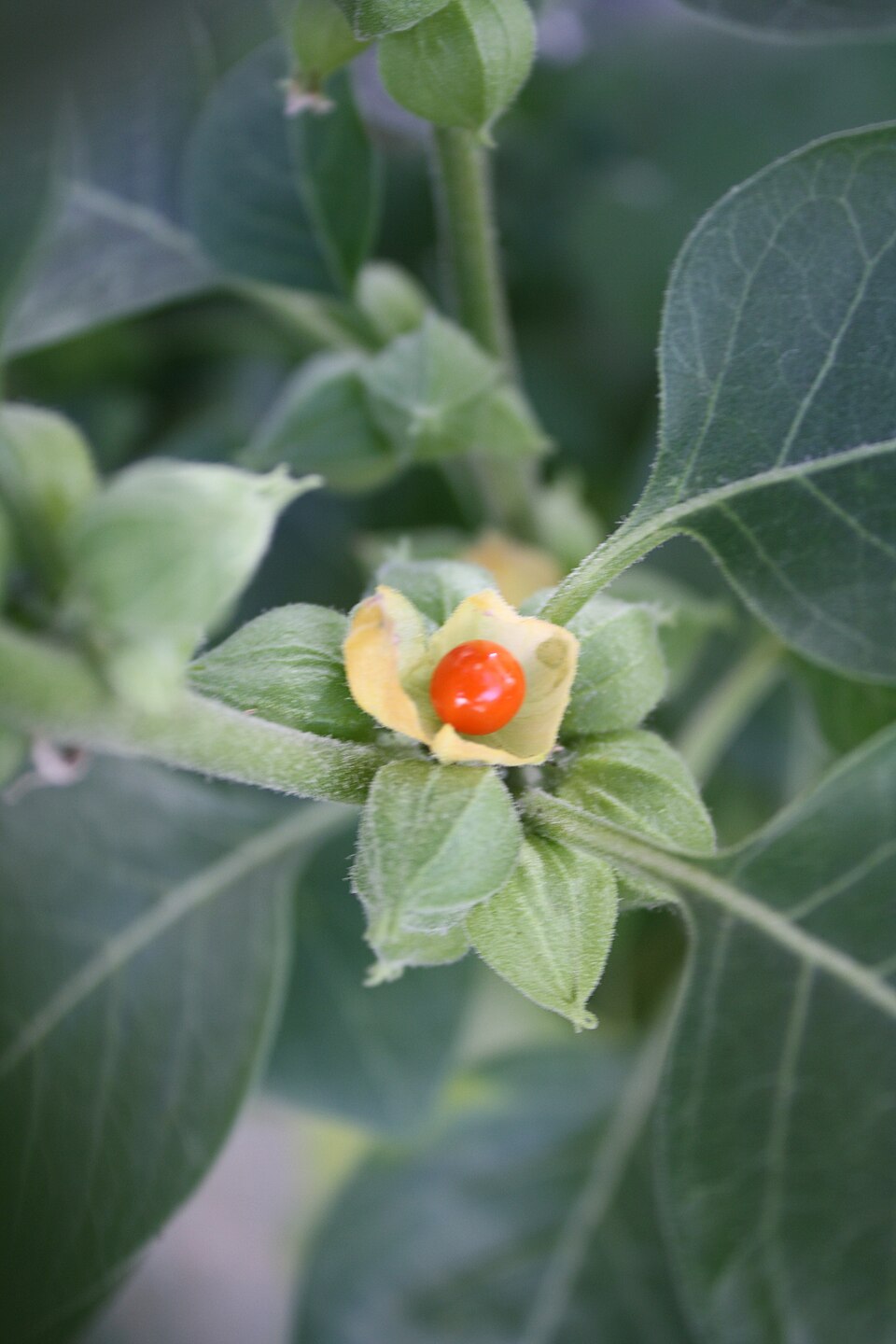
Ashwagandha, also called Indian ginseng or winter cherry, is the common name for both the plant Withania somnifera and the herbal preparations made from it. The shrub is short and evergreen, with dull green leaves, small greenish flowers, and orange-red berries, and it grows in drier regions of the Indian subcontinent as well as parts of Africa, the Mediterranean, and the Middle East. [4] The root, dried and powdered, is the part most often used, although leaf material is also employed.
The herb has a long history in Ayurveda, where it is classified as a rasayana, a category of remedies intended to promote vitality and healthy aging. [1] Its Sanskrit-derived name is usually translated as "smell of the horse," a reference both to the odor of the fresh root and, by tradition, to the vigor it was believed to impart.
The pharmacology is attributed largely to withanolides, a family of naturally occurring steroidal lactones, alongside alkaloids and compounds called sitoindosides. [4] Commercial extracts are commonly standardized to a defined withanolide content, and branded root extracts are sold widely as capsules, powders, and tinctures.
The most consistent modern findings concern stress and anxiety. A randomized, double-blind, placebo-controlled trial reported that a concentrated root extract lowered perceived stress and serum cortisol in chronically stressed adults. [1] A later placebo-controlled study similarly found reductions in anxiety and stress ratings in healthy adults. [2] Systematic reviews conclude that the evidence is encouraging but still tentative, given the modest size and variable design of the trials. [4]
Ashwagandha has also been studied for sleep. A systematic review and meta-analysis of controlled trials found that root extract produced a small but measurable improvement in overall sleep quality, with clearer benefits in people diagnosed with insomnia. [3] Further research has specifically examined its effect on nonrestorative sleep. [5]
In most Western markets ashwagandha is sold as a dietary supplement rather than an approved drug. It is generally well tolerated over the short term, with mild digestive upset, drowsiness, or headache reported most often. [4] It can raise thyroid hormone levels and has been linked in rare cases to liver injury, and it is generally advised against during pregnancy and in people with hormone-sensitive conditions. [4]

Mechanism
Ashwagandha's effects are attributed chiefly to withanolides, a group of steroidal lactones present in the root and leaf. [4] The best-characterized action is modulation of the stress response: extracts lower circulating and are thought to dampen activity of the hypothalamic-pituitary-adrenal (HPA) axis, which governs the body's hormonal reaction to stress. [1] Withanolides and related constituents also appear to enhance signaling at -A receptors, an inhibitory system in the brain that promotes calm and sleep, which may account for the observed anxiolytic and sleep effects. [2][3] Additional proposed actions include antioxidant activity and mild effects on thyroid and reproductive hormones, though these are less firmly established. In men, small increases in testosterone and fertility markers have been reported, likely tied in part to reduced stress. [2]
receptor fingerprint
/ reduces
-A receptorsenhances signaling
Testosterone / reproductive axismodestly raises (men)
Antioxidant defensessupports
Dosingtypical ranges, not medical advice
interested in protocols and clinical dosages? make an account to see them! ^_^
Safetyrisks and cautions, not medical advice
It's generally well tolerated, with mild GI upset and drowsiness being the most common complaints. There have been rare reports of liver injury, so it's worth being cautious and stopping if you notice symptoms. It can nudge thyroid hormone levels up, which matters for people with thyroid conditions, and it may interact with sedatives, thyroid meds, and immunosuppressants. Pregnant women are usually advised to avoid it.
History
Ashwagandha (Withania somnifera) is a small shrub of the Solanaceae family native to the arid regions of India, the Middle East, and parts of Africa, and it has been used in Ayurvedic medicine for more than two thousand years. Classified in traditional Indian practice as a Rasayana, or rejuvenating tonic, its root was employed to promote vitality, restore strength during convalescence, and support sleep; the species name somnifera, meaning sleep-inducing, reflects this long-standing use.
Scientific investigation of the plant began in earnest during the mid twentieth century, when Indian pharmacologists isolated and characterized its withanolide constituents, a class of steroidal lactones now regarded as the principal active compounds. From the late twentieth century onward, standardized root extracts such as KSM-66 and Sensoril were developed to deliver consistent withanolide concentrations, transitioning the herb from a traditional botanical preparation into a formally studied dietary supplement.
Reputation
Ashwagandha is among the most widely used and best regarded of the botanical adaptogens, valued by consumers and researchers alike for its apparent ability to attenuate stress and lower cortisol without pronounced sedation or dependence. A substantial body of randomized controlled trials, together with several meta-analyses, supports modest but reproducible reductions in subjective stress and anxiety, and users frequently report improved sleep quality and a general sense of calm. It enjoys a favorable safety reputation for short-term use, though commentators note that many trials are small, industry funded, or of limited duration, and that questions remain regarding long-term effects, standardization across products, and rare reports of liver injury. On balance it is viewed as one of the few herbal supplements with credible human evidence behind its central claims.
Subjective profileweighing the evidence above
A genuinely useful adaptogen for stress, anxiety and sleep; one of the better-supported herbal options. Cycle it, use a standardized extract, and watch it if you have thyroid issues.
Where to buy
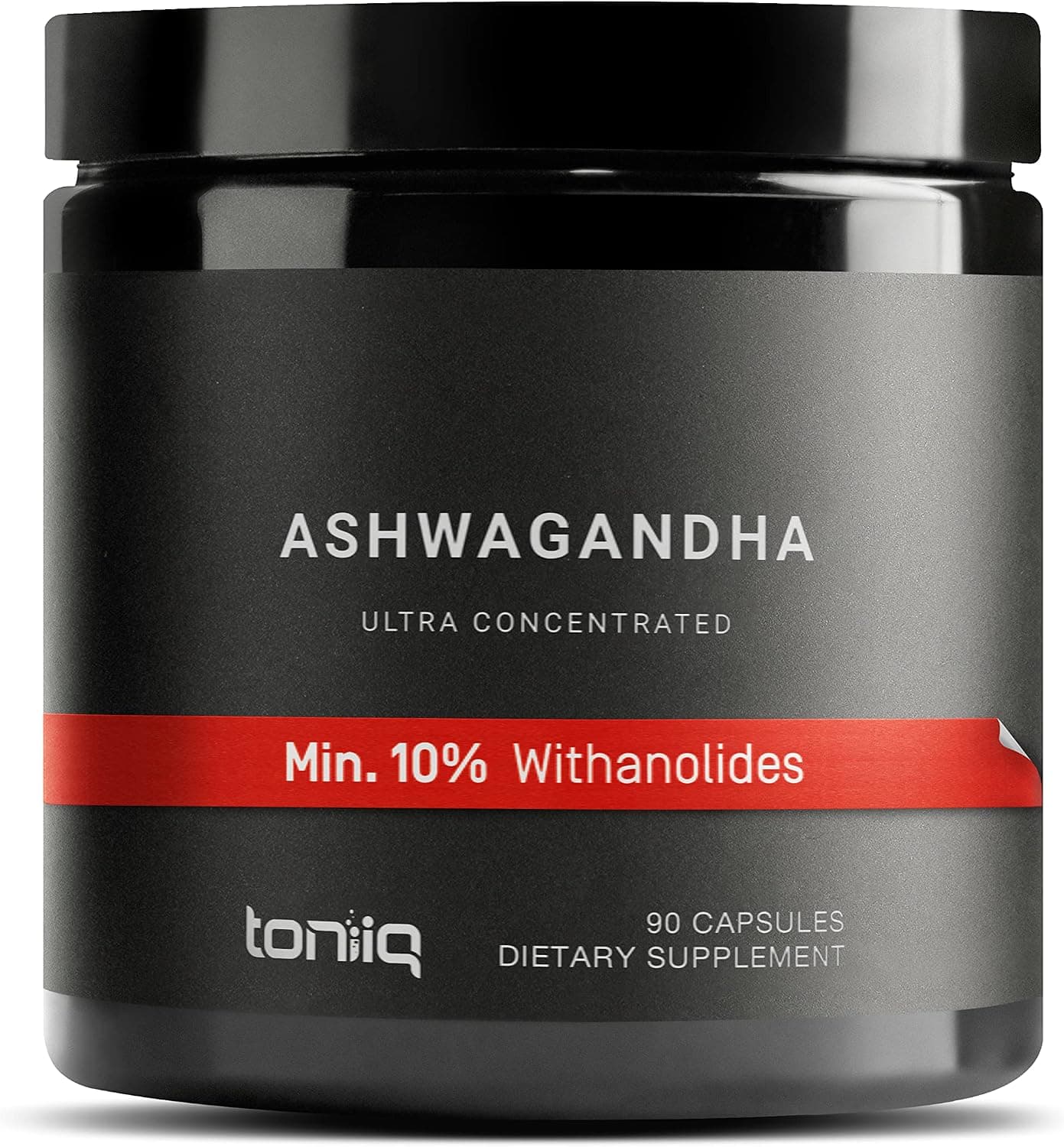
Suppliers
Vendors carrying Ashwagandha, with live product details and codes. Links are affiliate links that support the wiki at no cost to you.
Amazon
Ashwagandha
Research
- 2012first citedA Prospective, Randomized Double-Blind, Placebo-Controlled Study of Safety and Efficacy of a Hi…
- 2021meta-analysisEffect of Ashwagandha (Withania somnifera) extract on sleep: A systematic review and meta-analy…
- 2024most active year5 papers
- 2025most recentEffect of ashwagandha (Withania somnifera) extract with Sominone (Somin-On™) to improve memory…
- 1.A Prospective, Randomized Double-Blind, Placebo-Controlled Study of Safety and Efficacy of a High-Concentration Full-Spectrum Extract of Ashwagandha Root in Reducing Stress and Anxiety in Adults
- 2.Adaptogenic and Anxiolytic Effects of Ashwagandha Root Extract in Healthy Adults: A Double-blind, Randomized, Placebo-controlled Clinical Study
- 3.Effect of Ashwagandha (Withania somnifera) extract on sleep: A systematic review and meta-analysis
- 4.Safety and efficacy of Withania somnifera for anxiety and insomnia: Systematic review and meta-analysis
- 5.Study protocol and rationale for a prospective, randomized, double-blind, placebo-controlled study to evaluate the effects of Ashwagandha (Withania somnifera) extract on nonrestorative sleep.
- 6.Effects of Ashwagandha (Withania Somnifera) on stress and anxiety: A systematic review and meta-analysis.
- 7.Effect of an ashwagandha (Withania Somnifera) root extract on climacteric symptoms in women during perimenopause: A randomized, double-blind, placebo-controlled study.
- 8.Exploring the efficacy and safety of a novel standardized ashwagandha (Withania somnifera) root extract (Witholytin®) in adults experiencing high stress and fatigue in a randomized, double-blind, placebo-controlled trial.
- 9.Does Ashwagandha supplementation have a beneficial effect on the management of anxiety and stress? A systematic review and meta-analysis of randomized controlled trials.
- 10.Efficacy and Safety of Ashwagandha (Withania somnifera (L.) Dunal) Root Extract in Improving Memory and Cognitive Functions.
- 11.Effects of Ashwagandha ( Withania somnifera) standardized root extract on physical endurance and VO (2max) in healthy adults performing resistance training: An eight-week, prospective, randomized, double-blind, placebo-controlled study.
- 12.Effects of Withania somnifera Extract in Chronically Stressed Adults: A Randomized Controlled Trial.
24 listed here; entry last updated August 2026
Reviews
My notesprivate to this device
FAQ
What's the difference between KSM-66 and Sensoril?
Both are standardized extracts. KSM-66 is root-only with higher withanolides via a different process; Sensoril uses root and leaf and is often dosed lower. KSM-66 has more stress and testosterone data.
Does ashwagandha boost testosterone?
In men, several studies show modest increases, likely tied to lower stress. It's not a replacement for TRT and effects are small.
Should I take it in the morning or at night?
Either works for stress. If you want sleep benefits, evening dosing makes sense; some split it across the day.
Can it hurt my liver?
Rare cases of liver injury have been reported. It's uncommon, but stop and see a doctor if you get nausea, dark urine, or yellowing skin.
Is it safe with thyroid problems?
It can raise thyroid hormone levels, so people with hyperthyroidism or on thyroid meds should be cautious and talk to their doctor.
Adverse effects
- Mild digestive upset
- Drowsiness
- Headache
- May raise thyroid hormone levels
- Rare reports of liver injury
- Best avoided in pregnancy and in hormone-sensitive conditions
- Can add to the effect of sedatives
Notes and cautions
- Generally well tolerated short term