
data + articles · 5 listed
newest 2023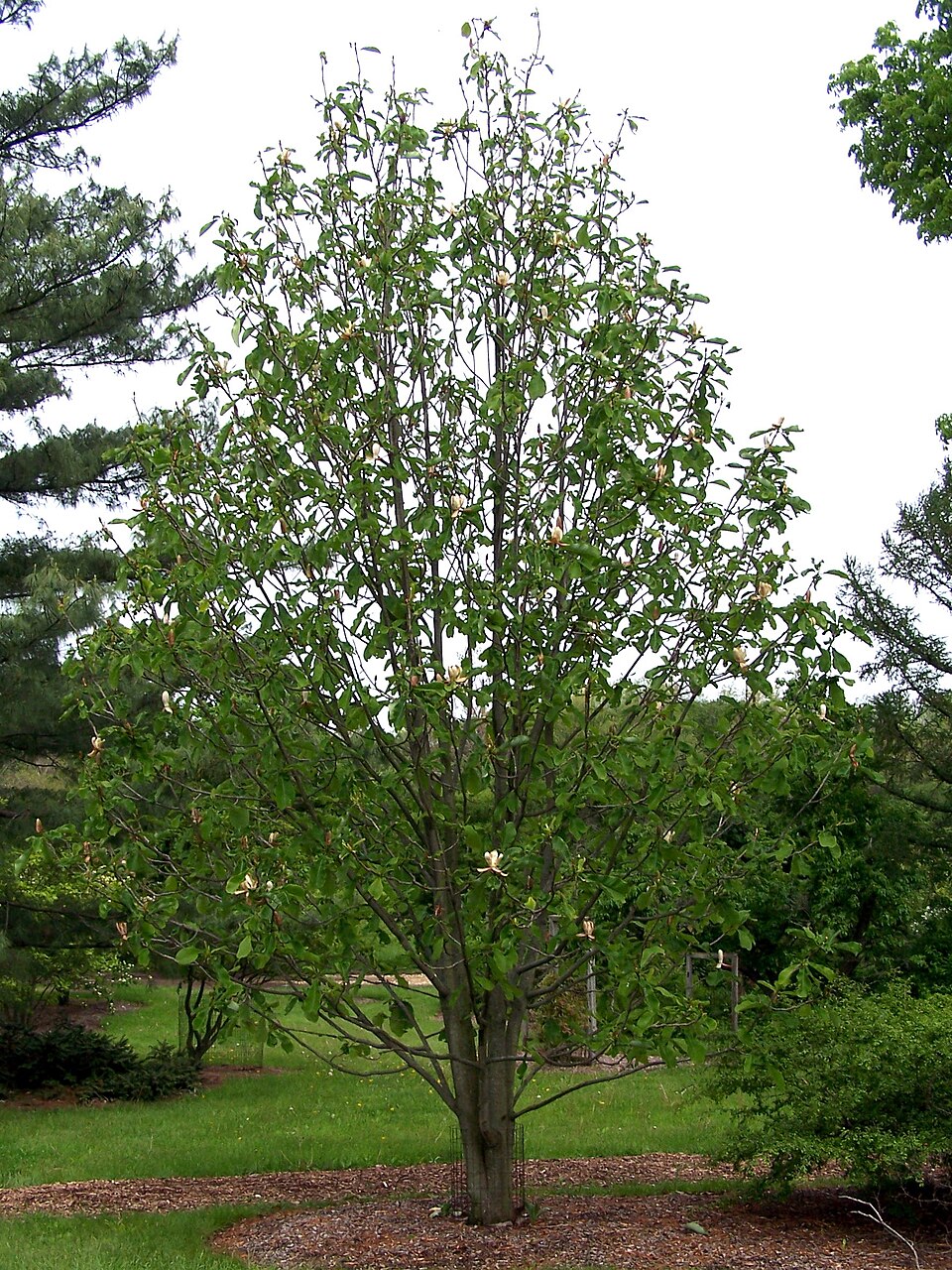
spec sheet10 rows
Magnolia bark is a herbal material obtained from the bark of Magnolia officinalis and related magnolia species, long used in traditional Chinese and Japanese medicine, where it is known as houpu or hou po. Its characteristic constituents are the polyphenolic lignans magnolol and honokiol, which are considered responsible for most of its biological activity [1][2]. Modern research has examined the bark and its isolated lignans for neuroprotective, anti-inflammatory, anti-anxiety, and antitumor properties, though most evidence comes from laboratory and animal studies rather than large human trials [1][2].
- an evening wind-down herb with a real GABAergic mechanism
- magnolol and honokiol are the lignans doing the work
- takes the edge off stress without a benzodiazepine
- studied for anxiety, neuroprotection and inflammation
- centuries of use in Chinese and Japanese medicine
- strong lab and animal evidence; human trials are catching up
- May cause drowsiness or sedation
- Occasional digestive upset such as nausea
Overview
Magnolia bark is the dried stem, branch, and root bark of Magnolia officinalis, a deciduous tree native to the mountains and valleys of China, together with bark from related magnolia species used similarly in traditional medicine [2]. Known as houpu, it has a long history in traditional Chinese medicine for complaints such as abdominal fullness and distension and for conditions the tradition frames in terms of dampness and stagnant qi. The bark is aromatic and bitter and is usually prepared as a decoction or blended into multi-herb formulas.
The pharmacological interest in magnolia bark centers on two structurally similar biphenolic lignans, magnolol and honokiol, which occur in relatively high concentration in the bark [1][5]. Both compounds are lipophilic and able to cross the blood-brain barrier, and they share many overlapping activities, including antioxidant, anti-inflammatory, and neuromodulatory effects [1]. A practical obstacle noted in the literature is their poor water solubility and limited oral bioavailability, which has prompted efforts to develop chemically modified derivatives with improved properties [5].
Contemporary studies have investigated these lignans across a range of models. Reviews of their neuropharmacology describe effects relevant to cerebral ischemia, neuroinflammation, Alzheimer's disease, brain tumors, anxiety, and depression, with magnolol and honokiol acting on multiple signaling pathways [1]. Honokiol in particular has been characterized as an antiangiogenic and antitumor agent in preclinical cancer models, apparently acting through effects on tumor signaling and mitochondrial pathways without notable toxicity in the systems tested [3]. Broader pharmacological reviews additionally attribute antimicrobial, antithrombotic, hepatoprotective, and analgesic activities to honokiol, while cautioning that human pharmacokinetic and clinical data remain preliminary [2].
Magnolia bark and its extracts are sold widely as dietary supplements, often marketed for stress, relaxation, and sleep, and the bark is also used as a flavoring and in oral-care products. Because magnolol and its metabolites show GABA-ergic and cannabimimetic activity, one review raised the theoretical possibility of misuse of magnolia products promoted as natural sedatives, while noting that no peer-reviewed cases of dependence had been identified and that the plant enjoys a broadly favorable legal status worldwide [4]. The source tree Magnolia officinalis has been assessed as endangered in the wild, which carries implications for sustainable sourcing [1].

Mechanism
The activity of magnolia bark is attributed mainly to its lignans magnolol and honokiol, which are enough to enter the central nervous system and act on several molecular targets [1]. A prominent mechanism is modulation of inhibitory neurotransmission: these lignans positively influence -type A receptor signaling, an action consistent with the calming, sedative, and anti-anxiety effects reported for the bark, and magnolol and its tetrahydromagnolol also interact with cannabinoid receptors [1][4]. Through these and related pathways the compounds have shown anxiolytic and antidepressant-like effects in animal models [1].
Beyond the nervous system, magnolol and honokiol exert broad antioxidant and anti-inflammatory actions, scavenging reactive oxygen species and suppressing pro-inflammatory signaling and cytokines, which underlies much of their reported neuroprotective and tissue-protective activity [1][2]. In cancer models, honokiol has been described as antiangiogenic and pro-apoptotic; proposed mechanisms include blocking signaling in tumors with altered p53 and ras function and promoting the permeability transition that triggers cell death [3]. A recurring theme across this research is that, despite promising laboratory findings, the low water solubility and modest of the lignans limit the concentrations reached in the body, so the clinical relevance of these mechanisms in people remains to be established [2][5].
receptor fingerprint
-A receptorpositive modulator
/ modulates
reduces
Inflammatory pathwaysinhibits
Dosingtypical ranges, not medical advice
interested in protocols and clinical dosages? make an account to see them! ^_^
Safetyrisks and cautions, not medical advice
Generally well tolerated; side effects can include drowsiness, especially at higher doses, and occasional GI upset. Because it enhances GABA signaling, it can add to the effects of alcohol and sedatives. Long-term high-dose safety isn't well studied, so moderation is sensible.
History
Magnolia bark, derived chiefly from Magnolia officinalis and known in traditional Chinese medicine as houpu and in Japanese Kampo practice within formulas such as saiboku-to, has been used for well over a thousand years for complaints described in terms of stagnation, anxiety, digestive upset, and low mood. Phytochemical study in the twentieth century identified two structurally related biphenolic lignans, magnolol and honokiol, as its principal bioactive constituents, and subsequent pharmacological work attributed much of the bark's calming activity to modulation of GABA-A receptors along with additional antioxidant and anti-inflammatory actions. On the basis of this research, standardized magnolia bark extracts entered the modern supplement market as botanical anxiolytic and sleep aids, sometimes paired with other herbs.
Reputation
Magnolia bark enjoys a favorable reputation as a gentle, plant-derived option for stress, relaxation, and sleep, buoyed by its long traditional pedigree and by mechanistic studies of honokiol and magnolol that give it more scientific grounding than many folk remedies. Users tend to value it for a mild calming effect without heavy sedation, and it appears in combination formulas aimed at cortisol and evening wind-down. At the same time, high-quality human trials remain relatively limited, so its evidence base is regarded as promising rather than definitive, and marketing claims frequently extend beyond what controlled studies support. It is generally considered well tolerated, with drowsiness the most commonly noted effect.
Where to buy
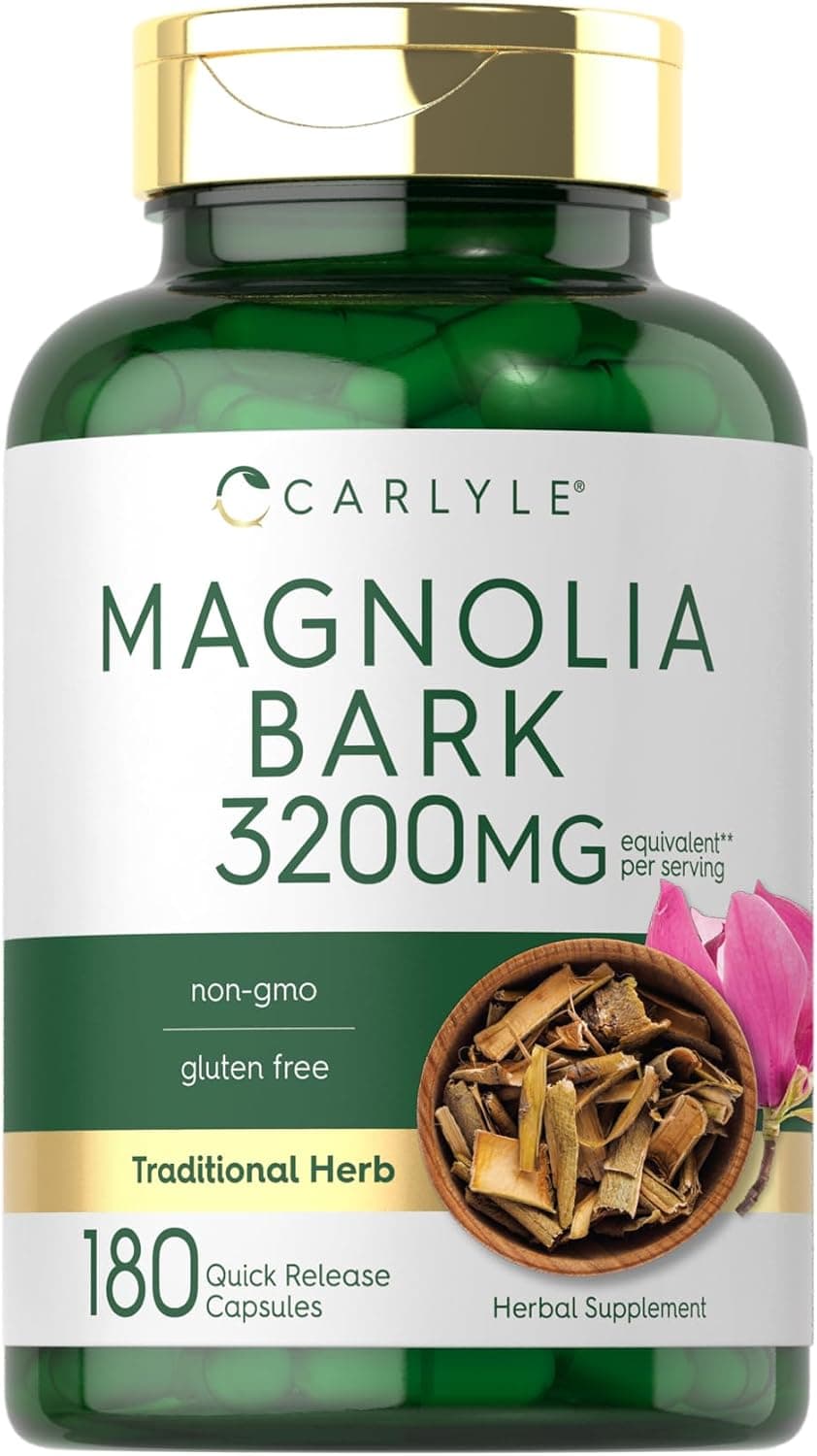
Suppliers
Vendors carrying Magnolia Bark, with live product details and codes. Links are affiliate links that support the wiki at no cost to you.
Amazon
Magnolia Bark
Research
- 2009first citedHonokiol, a multifunctional antiangiogenic and antitumor agent
- 2023most recentThe Neuropharmacological Effects of Magnolol and Honokiol: A Review of Signal Pathways and Mole…
- 1.The Neuropharmacological Effects of Magnolol and Honokiol: A Review of Signal Pathways and Molecular Mechanisms
- 2.Honokiol: A review of its pharmacological potential and therapeutic insights
- 3.Honokiol, a multifunctional antiangiogenic and antitumor agent
- 4.Is there a potential of misuse for Magnolia officinalis compounds/metabolites?
- 5.Research Progress on the Structural Modification of Magnolol and Honokiol and the Biological Activities of Their Derivatives
5 listed here; entry last updated August 2026
Reviews
My notesprivate to this device
FAQ
Is magnolia bark like a benzodiazepine?
It modulates the same GABA-A receptors but through a different profile, so it's much gentler and non-habit-forming at normal doses.
Does it help with cortisol?
Yes, it's often used for stress and cortisol management, and there's some human data supporting that.
Can I take it during the day?
Low doses, yes, for stress. Higher doses are better saved for evening due to sedation.
Is honokiol or magnolol more important?
Both contribute; products often standardize to a ratio of the two. Honokiol crosses into the brain well.
Is it safe with alcohol?
Be cautious. It enhances GABA signaling and can add to alcohol's sedation.
Adverse effects
- May cause drowsiness or sedation
- Occasional digestive upset such as nausea
Notes and cautions
- Can add to the effects of alcohol or other sedatives
- Human safety and long-term data are limited