
data + articles · 4 listed
newest 2024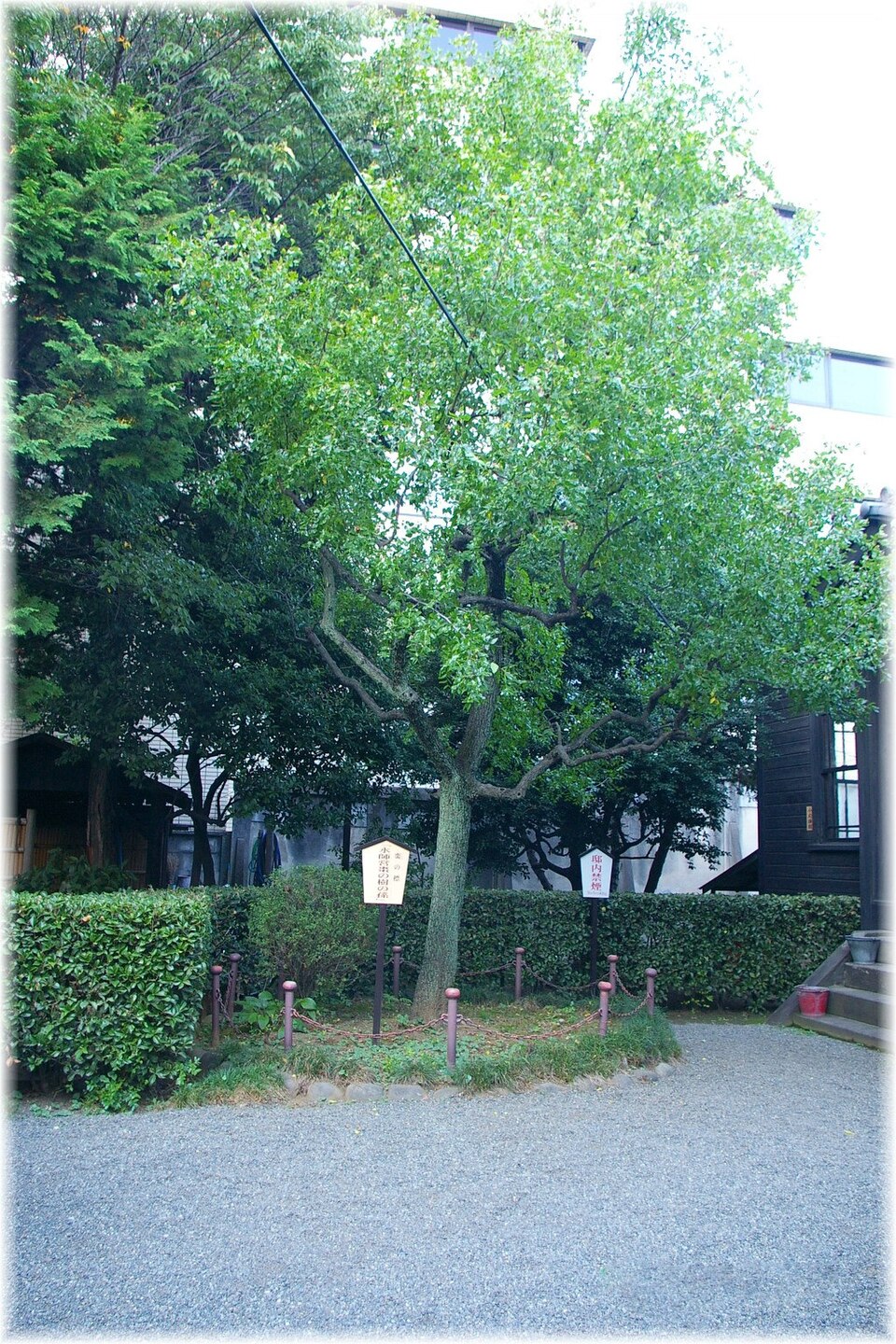
spec sheet10 rows
Jujube is the common name for Ziziphus jujuba, a small thorny tree or shrub of the buckthorn family, Rhamnaceae, and for its edible fruit. Also called red date or Chinese date, it has been cultivated in China and neighboring regions for thousands of years, and the fruit is eaten fresh, dried, or candied as well as used in traditional medicine [1]. Its fruit and seeds contain saponins, flavonoids, and polysaccharides that are the focus of pharmacological study [1][2].
- Promotes calm before sleep
- Mild anxiety reduction
- Supports sleep onset
- Antioxidant activity
- Long traditional use record
- The seed preparation used for sleep is distinct from the fruit eaten as food
Overview
Jujube is the common name for Ziziphus jujuba, a small deciduous tree or shrub of the buckthorn family, Rhamnaceae, usually bearing thorny branches and reaching several meters in height [1]. Its fruit is an oval drupe that is smooth and green when unripe, with the crisp texture and mild flavor of an apple, and that darkens, wrinkles, and sweetens as it dries, taking on the look of a small date; for this reason it is widely called the red date or Chinese date [1].
The plant is thought to have originated in eastern Asia, across the region spanning southern and central China, India, Korea, and Japan, where wild jujube remains have been recovered from Neolithic-era sites [1]. It has been cultivated for several thousand years, is most extensively grown in China, and has spread to many warm-temperate parts of the world; it tolerates a wide range of climates and a degree of winter cold [1].
Jujube is valued first of all as a food. The fruit is eaten fresh as a crisp snack and, more commonly, dried or candied, and it is made into tea, juice, vinegar, pickles, wine, and a variety of desserts [1]. In some countries the fruit is smoked and sold as black jujube [1]. Dried jujubes are energy-rich and carbohydrate-dense, while the fresh fruit is a notable source of vitamin C [1].
In traditional Chinese and other Asian medicine the fruit has long been used as a tonic and gentle remedy, including to ease stress and encourage sleep, and the seed of the closely related sour jujube, known as suanzaoren, is a classic ingredient for insomnia and restlessness [1][4]. The characteristic constituents include saponins such as the jujubosides, flavonoids, triterpenic acids, and polysaccharides; the plant also contains ziziphin, a compound that temporarily suppresses the perception of sweetness [1][2].
Contemporary research, largely in the laboratory and in animals, has reported sedative, antioxidant, anti-inflammatory, hepatoprotective, immunomodulatory, and metabolic effects for jujube fruit and seed extracts [1][2][4]. Much of this work aims to identify the active molecules and their mechanisms, and reviewers generally caution that robust human clinical evidence is still limited [1][4]. As a common food, jujube is regarded as safe and well tolerated when eaten in normal amounts [1].
Mechanism
The properties attributed to jujube come from a mix of constituents, chiefly saponins such as the jujubosides, along with flavonoids, triterpenic acids, polysaccharides, and a high content of vitamin C [1][2]. The traditional use of jujube seed as a calming, sleep-promoting remedy has been examined experimentally; in comparative animal studies, saponins and flavonoids extracted from the seed reduced spontaneous movement and lengthened barbiturate-induced sleep, with the saponin fraction producing the strongest sedative and hypnotic effect, whereas polysaccharides did not [3]. These calming actions are generally linked to modulation of neurotransmitter systems, including and signaling, that govern arousal and sleep [4].
The fruit's polysaccharides have separately shown immunomodulatory, antioxidant, and gastrointestinal-protective activities in laboratory models, and are considered among its principal bioactive components [2]. Broader pharmacological reviews describe antioxidant, anti-inflammatory, hepatoprotective, and blood-sugar and lipid-modulating effects, most of which have been observed in cell and animal experiments rather than in large human trials [1][4]. Overall, jujube is best understood as a nutrient-rich food with mild pharmacological activity rather than a potent single-target drug [1].
receptor fingerprint
-A receptorpositive modulator
receptormodulates
modulates
reduces
Dosingtypical ranges, not medical advice
interested in protocols and clinical dosages? make an account to see them! ^_^
Safetyrisks and cautions, not medical advice
Jujube is a food and is considered very safe, with side effects being uncommon and mild, like drowsiness or digestive upset. Because it can add to sedation, combining it with alcohol, benzodiazepines, or other sleep aids should be done cautiously. People with diabetes should note the fruit is fairly sugary, though seed extracts are not.
Resources
This entry is here for reference.
Research
- 2007first citedComparison of the sedative and hypnotic effects of flavonoids, saponins, and polysaccharides ex…
- 2024most recentPhytochemical, pharmacological, pharmacokinetic and toxicological characteristics of Ziziphi Sp…
- 1.Therapeutic Effects of Ziziphus jujuba Mill. Fruit in Traditional and Modern Medicine: A Review
- 2.Isolation, structures and bioactivities of the polysaccharides from jujube fruit (Ziziphus jujuba Mill.): A review
- 3.Comparison of the sedative and hypnotic effects of flavonoids, saponins, and polysaccharides extracted from Semen Ziziphus jujube
- 4.Phytochemical, pharmacological, pharmacokinetic and toxicological characteristics of Ziziphi Spinosae Semen: a review
4 listed here; entry last updated July 2026
Reviews
My notesprivate to this device
FAQ
Is it the fruit or the seed that helps sleep?
Mainly the seed (suan zao ren). The fruit is more of a nutritious food, though it's calming too.
Will it knock me out?
No, it's gentle. Expect mild calm and easier sleep onset, not heavy sedation.
Can I combine it with other sleep aids?
Cautiously. It adds to sedation, so go easy when stacking with things like melatonin or alcohol.
Is jujube safe long term?
It's a food with a long safety record, so occasional or regular use is generally fine for most people.
Does it help anxiety during the day?
It can take the edge off, but its calming nature makes it better suited to evening use.
Adverse effects
- The seed preparation used for sleep is distinct from the fruit eaten as food
Notes and cautions
- As a common food it is regarded as safe and well tolerated when eaten in normal amounts
- Most reported medicinal effects come from animal and laboratory studies, not large human trials
- The dried fruit is high in sugar and calories