
spec sheet11 rows
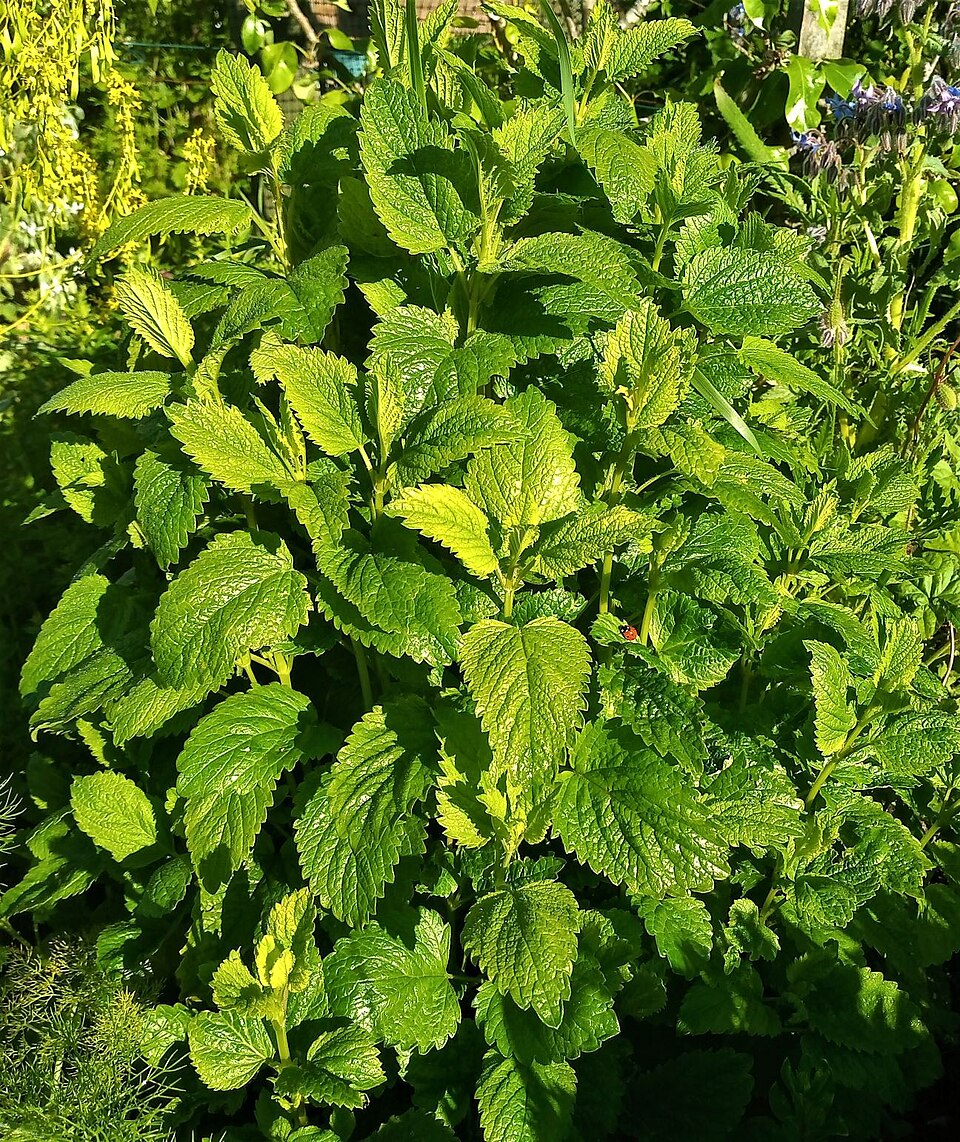
Lemon balm, known botanically as Melissa officinalis, is a lemon-scented perennial herb in the mint family, Lamiaceae. Native to the eastern Mediterranean and western Asia, it has been grown for over two thousand years and used traditionally to ease tension, lift mood, and aid digestion and sleep. Its leaves are rich in the polyphenol rosmarinic acid and in fragrant terpenes such as citronellal, geranial, and neral. Modern controlled studies have examined it for anxiety, mood, cognition, sleep, and palpitations, with its calming effect attributed largely to rosmarinic acid inhibiting GABA transaminase and to extract binding at cholinergic receptors.
- one of the best daytime calm herbs, full stop
- takes the edge off stress with barely any sedation
- human trials back it for stress, mood and light sleep
- rosmarinic acid slows GABA breakdown for real calm
- cholinergic binding gives it a clarity angle too
- calmed benign heart palpitations in controlled work
- Drowsiness at higher doses
- Can add to other sedatives
- Occasional nausea or stomach upset
Overview
Lemon balm is hands down one of the best daytime-calm herbs; the one to reach for when the goal is taking the edge off stress while still functioning, because at sensible doses it's soothing without being sedating. Botanically it's Melissa officinalis, a lemon-scented mint, and the heavy lifter is rosmarinic acid, a polyphenol that inhibits GABA transaminase (GABA-T, the enzyme that chews up your GABA); block that enzyme and GABA hangs around longer, which is essentially a gentle version of what some anti-anxiety and anti-seizure drugs do.
On top of that, the extract binds nicotinic and muscarinic acetylcholine receptors in human brain tissue, and that cholinergic angle is pretty much why people notice small memory and mood bumps. The human data is genuinely solid for a herb; David Kennedy's crossover studies showed a single dose lifting calmness and even sharpening memory and math speed under stress.
Beyond the lab, an Iranian trial calmed benign heart palpitations and the anxious feeling that rides along with them, and in angina patients daily lemon balm lowered depression, anxiety, stress, and sleep complaints. A 2024 phytosome trial even pinned better sleep partly on rosmarinic acid hitting GABA-T, which lines the mechanism up neatly with the clinical wins. It suits daytime stress and light sleep support, and it layers really well with L-Theanine for calm focus or Valerian in the evening.
It's about as safe as herbs get; the main things to know are that bigger doses can make you drowsy, it can add to other sedatives, and there's an old, not-well-proven note about heavy long-term use nudging thyroid signaling, so megadosing it indefinitely without a reason is a bad idea. Tea works but it's a coin-flip on dose; a standardized extract is far more consistent.

Mechanism
Lemon balm works through several mild, overlapping actions rather than one dominant target. Its principal polyphenol, rosmarinic acid, inhibits transaminase (GABA-T), the enzyme that degrades the inhibitory neurotransmitter GABA; bioassay-guided fractionation identified rosmarinic acid (roughly 1.5% of the dried leaf) as the main GABA-T inhibitor, giving about 40% inhibition at 100 micrograms per milliliter in rat brain, so more GABA persists and neural excitability settles.
The same extracts bind human cortical and receptors, displacing nicotine and scopolamine with IC50 values around 0.18 and 3.47 milligrams per milliliter respectively, a cholinergic action that fits the mood and memory improvements seen after single doses in volunteers. Rosmarinic acid plus the triterpenes ursolic and oleanolic acid add antioxidant and anti-inflammatory activity, and the herb also blunts stress-axis reactivity. A limiting factor is the modest oral of these polyphenols, which newer standardized and phytosome formulations aim to improve.
receptor fingerprint
transaminase (GABA-T)inhibits (via rosmarinic acid)
receptorbinds / displaces nicotine
Reactive oxygen speciesreduces (via rosmarinic acid)
receptorbinds / displaces scopolamine
weakly inhibits (extract-dependent)
HPA / stress axismodulates
Dosingtypical ranges, not medical advice
interested in protocols and clinical dosages? make an account to see them! ^_^
Safetyrisks and cautions, not medical advice
Well tolerated with few side effects. Higher doses can cause drowsiness, so it can add to alcohol, benzodiazepines, or other sedatives. There is a theoretical, poorly established concern that heavy long-term use could blunt thyroid signaling, so people with thyroid conditions should be mindful, and it may interact with sedative and thyroid medications. Generally regarded as safe as a food and tea; safety in pregnancy is not well established, and composition can vary between products.
Subjective profileweighing the evidence above
Hands down one of the best daytime-calm herbs; soothing without much sedation, and genuinely well-supported by human data for stress, mood, and light sleep.
Where to buy
Suppliers
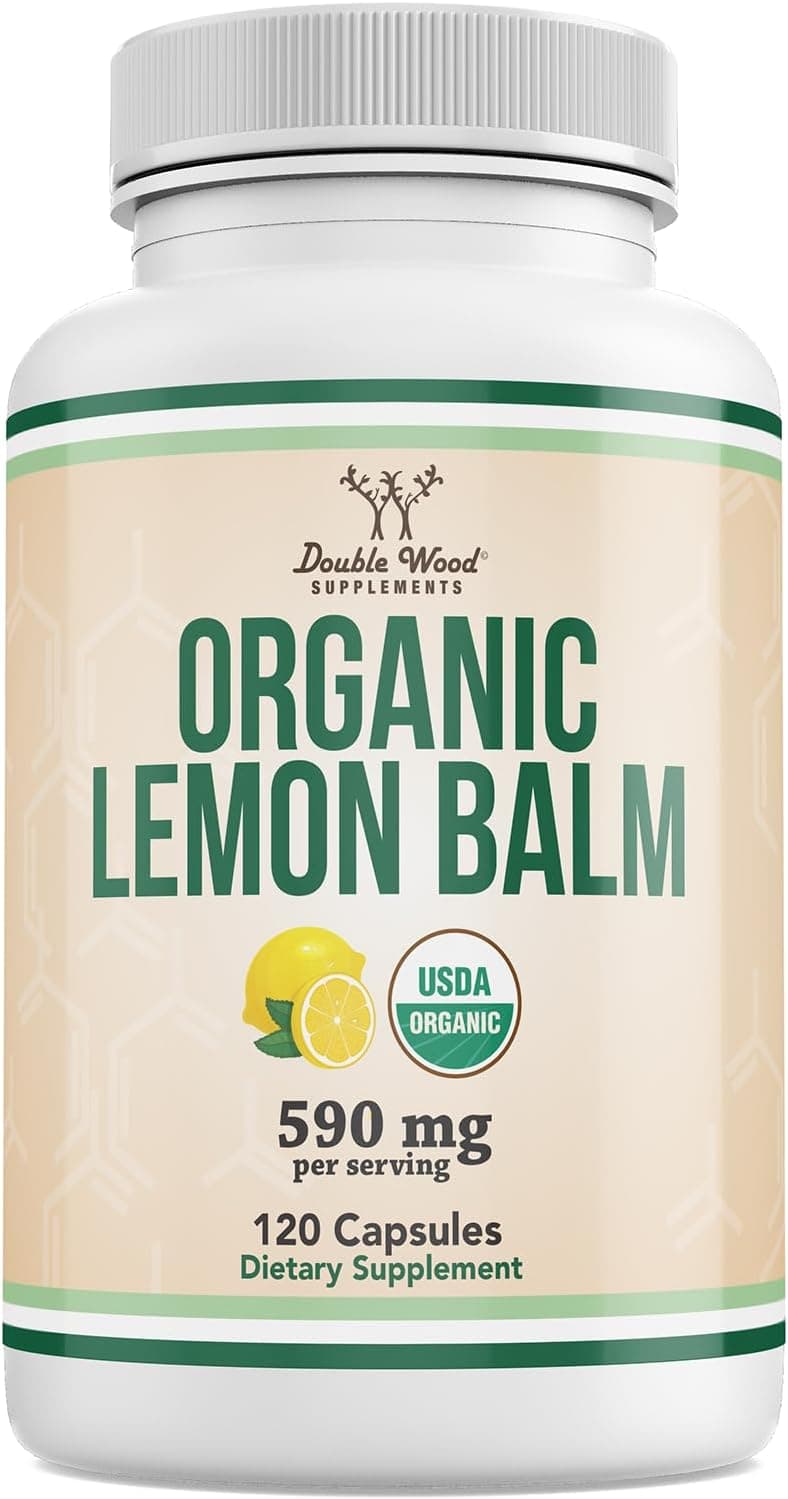
Vendors carrying Lemon Balm, with live product details and codes. Links are affiliate links that support the wiki at no cost to you.
Amazon
Lemon Balm
Research
- 2003first citedModulation of mood and cognitive performance following acute administration of single doses of…
- 2024most recentEffects of Melissa officinalis Phytosome on Sleep Quality: Results of a Prospective, Double-Bli…
- 1.Bioassay-guided fractionation of lemon balm (Melissa officinalis L.) using an in vitro measure of GABA transaminase activity
- 2.Modulation of mood and cognitive performance following acute administration of single doses of Melissa officinalis (Lemon balm) with human CNS nicotinic and muscarinic receptor-binding properties
- 3.Attenuation of laboratory-induced stress in humans after acute administration of Melissa officinalis (Lemon Balm)
- 4.Heart palpitation relief with Melissa officinalis leaf extract: double blind, randomized, placebo controlled trial of efficacy and safety
- 5.The effects of Melissa officinalis supplementation on depression, anxiety, stress, and sleep disorder in patients with chronic stable angina
- 6.Effects of Melissa officinalis Phytosome on Sleep Quality: Results of a Prospective, Double-Blind, Placebo-Controlled, and Cross-Over Study.
6 listed here; entry last updated August 2026
Reviews
My notesprivate to this device
FAQ
Will lemon balm make me sleepy during the day?
At moderate doses it's calming without much drowsiness, which is why it's a great daytime stress tool. Larger doses lean more sedating, which is handy at night.
How does it actually work?
Its main polyphenol, rosmarinic acid, inhibits GABA-T (the enzyme that breaks down GABA), so more of your calming GABA sticks around; it also binds acetylcholine receptors, which is the mood and memory angle.
What dose and standardization should I look for?
Human trials commonly use around 300 to 600 mg of a standardized leaf extract, with a single 500 mg dose typical, or a few grams brewed as tea.
How quickly does it kick in?
Acute calming and mood effects can show up within an hour or two of a dose, which is why the crossover studies caught them the same day.
Is the tea as good as capsules?
Tea works but the dose is a coin-flip; a standardized extract is far more consistent, especially phytosome forms made to improve absorption.
Any interactions or cautions?
It can add to sedatives, and there's an old, not-well-proven note about heavy long-term use nudging thyroid signaling; be mindful if you take sleep meds or have thyroid issues.
Adverse effects
- Drowsiness at higher doses
- Can add to other sedatives
- Occasional nausea or stomach upset
- Rare allergic skin reaction with topical use
- Unproven thyroid concern with heavy long-term use