
spec sheet12 rows
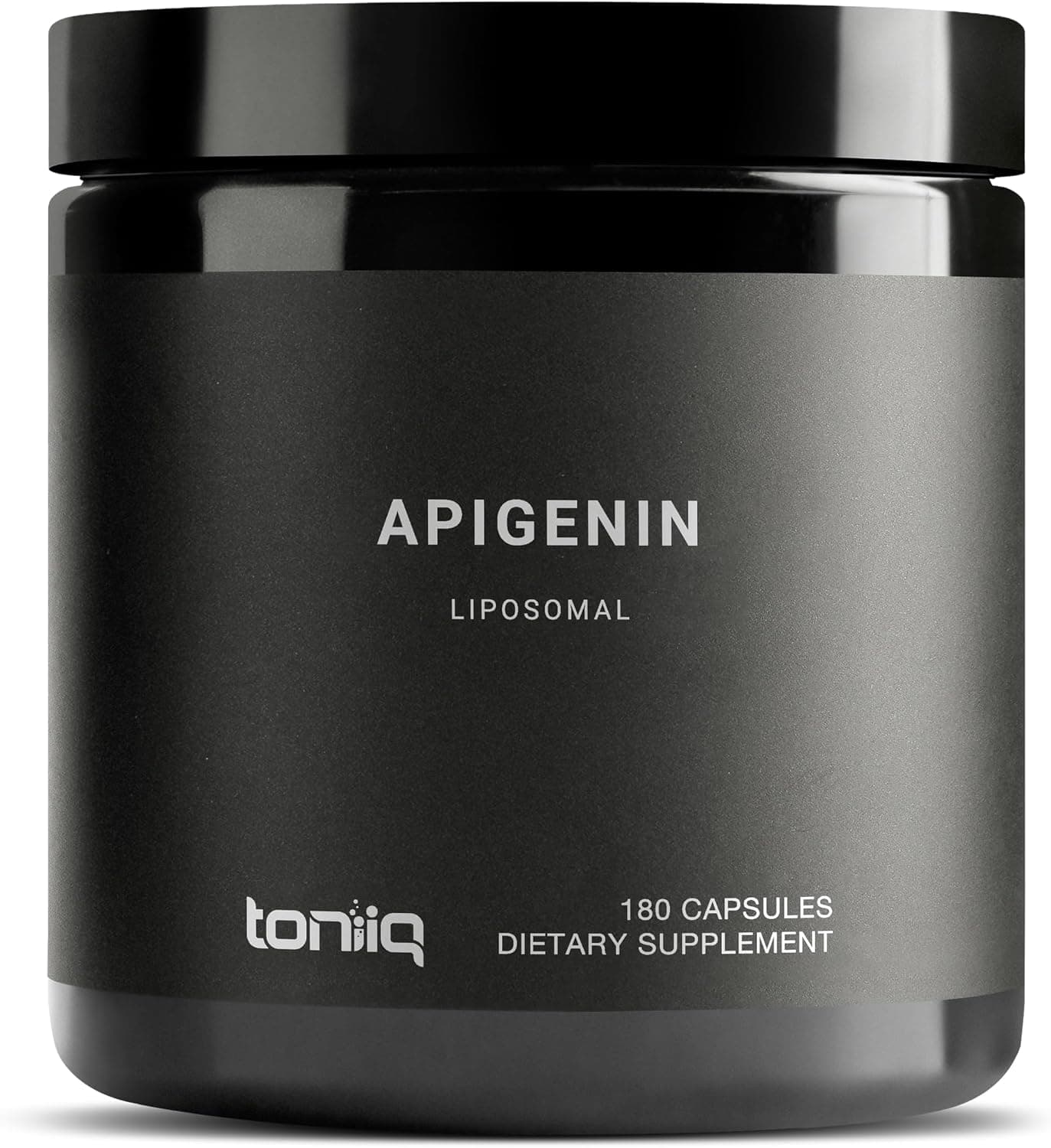
Apigenin is a naturally occurring flavone, a subclass of flavonoid plant pigment, found in many fruits, vegetables, and herbs, with especially high levels in chamomile, parsley, and celery. It is a yellow crystalline compound studied for antioxidant, anti-inflammatory, and mild calming effects, the last linked to its interaction with receptors in the brain. Apigenin is consumed as part of a normal diet and is also sold as a dietary supplement.
- The calming flavone behind a cup of chamomile before bed
- A gentle wind down that pairs cleanly with a sleep stack
- Antioxidant and anti-inflammatory across the board
- Inhibits CD38, a promising route to supporting NAD levels
- Food derived, low risk, and easy to live with nightly
- Mild drowsiness possible with calming use
- Poorly absorbed when taken by mouth
- May add to the effect of sedatives
Overview
Apigenin (chemically 4',5,7-trihydroxyflavone) is a flavone, one of the flavonoid classes of plant polyphenols. In plants it often occurs bound to sugars as glycosides such as apiin, from which the free aglycone apigenin is released. It is a yellow solid and is biosynthesized through the phenylpropanoid and flavone pathways by way of intermediates including naringenin.
The compound is widespread in the plant kingdom. Particularly rich sources include dried and fresh parsley, celery and celery seed, and chamomile, where apigenin makes up a large share of the flavonoids in the flowers. It is also present in foods and beverages such as oregano, thyme, and chamomile tea, so ordinary diets supply modest amounts.
Apigenin has been examined for a range of biological activities. One of the most studied is its interaction with the brain's GABA system: laboratory work identified apigenin from chamomile as a ligand that binds the benzodiazepine site of the GABA-A receptor and showed anxiety-reducing effects in animals at doses that did not cause strong sedation [1]. This finding is often cited to help explain the traditional use of chamomile as a calming tea. Apigenin has also been investigated for antioxidant and anti-inflammatory properties and, together with other polyphenols, for possible protective effects against neuroinflammation in models of Alzheimer's disease [2].
A practical limitation is that only a small fraction of dietary apigenin reaches the bloodstream. A controlled human study using apigenin-rich parsley found that plasma levels rose modestly and then fell within about a day, with only a small percentage of the ingested amount recovered, indicating limited oral bioavailability [3]. This has prompted interest in formulations intended to improve absorption.
Apigenin is a normal dietary constituent rather than a drug, and it is marketed as a dietary supplement, sometimes as a purified compound and sometimes within chamomile or other botanical extracts. It is generally regarded as having a good safety profile at dietary levels, though high-dose supplement use has not been extensively studied.

Mechanism
Apigenin appears to act through several complementary routes. In the nervous system it binds the benzodiazepine site on -A receptors, where it behaves largely as a mild modulator; this interaction is the proposed basis for its anxiety-reducing and gently calming effects, distinct from the stronger sedation produced by benzodiazepine drugs [1]. As a polyphenol it also scavenges reactive oxygen species and can influence inflammatory signaling, including pathways that regulate the production of inflammatory mediators, effects that underlie much of the interest in its antioxidant and anti-inflammatory potential [2]. In laboratory studies apigenin has additionally been reported to affect cell-cycle regulation and enzymes involved in cell signaling. The clinical relevance of many of these actions is tempered by the compound's limited absorption from food and supplements [3].
receptor fingerprint
CD38 enzymeinhibits
Inflammatory cytokinesreduces
reduces
-A benzodiazepine siteweak positive modulator
Dosingtypical ranges, not medical advice
interested in protocols and clinical dosages? make an account to see them! ^_^
Safetyrisks and cautions, not medical advice
Generally well tolerated at supplement doses. It can add to the effects of other sedatives, so combining with alcohol, benzodiazepines, or other sleep aids should be done cautiously. It has estrogenic and enzyme-inhibiting activity in lab studies, so people with hormone-sensitive conditions or on medications metabolized by CYP enzymes should be thoughtful. Pregnancy safety isn't established.
Subjective profileweighing the evidence above
A pleasant, low-risk calming flavonoid that pairs well with a sleep stack. Effects are subtle, not a sledgehammer.
Where to buy
Suppliers
Vendors carrying Apigenin, with live product details and codes. Links are affiliate links that support the wiki at no cost to you.
Amazon
Apigenin
Research
- 1995first citedApigenin, a component of Matricaria recutita flowers, is a central benzodiazepine receptors-lig…
- 2015most recentCurcumin and apigenin: novel and promising therapeutics against chronic neuroinflammation in Al…
- 1.Apigenin, a component of Matricaria recutita flowers, is a central benzodiazepine receptors-ligand with anxiolytic effects
- 2.Curcumin and apigenin: novel and promising therapeutics against chronic neuroinflammation in Alzheimer's disease
- 3.Bioavailability of apigenin from apiin-rich parsley in humans
3 listed here; entry last updated August 2026
Reviews
My notesprivate to this device
FAQ
Will apigenin knock me out?
No. It's a weak GABA-A modulator, so it's more of a gentle wind-down than a strong sedative.
Is this just chamomile?
Apigenin is the main calming compound in chamomile, concentrated. A cup of chamomile tea gives you a smaller, less consistent dose.
Does it really help NAD and longevity?
It inhibits CD38, an NAD-consuming enzyme, in lab studies. That's promising mechanistically but not proven to extend healthspan in people.
Can I combine it with melatonin?
Many people stack apigenin with magnesium and a small dose of melatonin for sleep. Just be cautious layering multiple sedating agents.
Adverse effects
- Mild drowsiness possible with calming use
- Poorly absorbed when taken by mouth
- May add to the effect of sedatives
Notes and cautions
- Generally well tolerated from foods
- High-dose supplement use is not well studied