
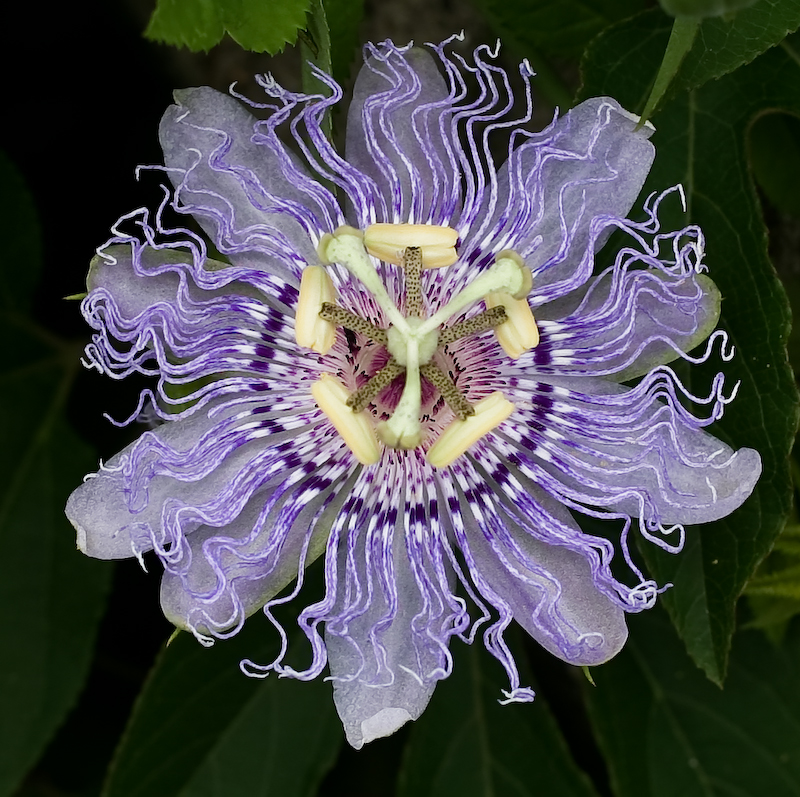
spec sheet10 rows
Passionflower usually refers to Passiflora incarnata, a climbing vine native to the southeastern United States and long used in herbal medicine. Its above-ground parts are taken, typically as teas, extracts, or tinctures, to ease anxiety and support sleep. It is thought to act on the brain's GABA system, and while some clinical studies suggest calming and sleep benefits, the overall evidence remains limited.
- a calming herb that takes the edge off anxiety
- eases situational nerves before an exam or a procedure
- helps sleep arrive without knocking anyone flat
- not habit forming; nothing to taper off
- gentle enough to use in the daytime
- centuries of folk use, plus small encouraging trials
- Drowsiness or sedation
- Dizziness
- Occasional stomach upset
Overview
Passionflower, in herbal usage, most often means Passiflora incarnata, also called maypop or purple passionflower, a perennial climbing vine of the family Passifloraceae native to the southeastern United States [1]. It has a long history of traditional use, having served as a food and medicinal plant for Indigenous peoples of North America and later being adopted into European and North American herbal practice, where it appeared in pharmacopoeias as a sedative [1][4]. The flowering and leafy parts of the plant are the portions used medicinally.
Passionflower is used mainly as a mild sedative and calming remedy for anxiety, nervous restlessness, and difficulty sleeping [1]. Its activity is attributed to plant compounds including flavonoids such as vitexin and chrysin and other constituents, which are thought to influence the gamma-aminobutyric acid (GABA) system, the brain's principal inhibitory signaling network [1]. Clinical research, though limited in size, includes randomized trials in which passionflower preparations improved subjective sleep quality and objective sleep measures, and systematic reviews describe reductions in anxiety with a generally favorable safety profile [1][2][3].
Passionflower is available as dried herb and teas, liquid extracts, tinctures, and capsules, and it is sometimes combined with other calming herbs such as valerian [3]. It is widely regarded as safe for short-term use, with only mild and transient side effects reported in trials, and it is recognized as safe for use as a food flavoring [4]. In many countries it is regulated as a herbal or dietary supplement rather than as a licensed medicine, and reviewers note that larger, high-quality studies are still needed to confirm its benefits [1][4].

Mechanism
The calming effects of passionflower are generally attributed to its action on the gamma-aminobutyric acid () system, the main inhibitory pathway in the brain [1]. Constituents of the plant, particularly flavonoids such as chrysin and vitexin, are thought to interact with signaling, either by modulating GABA receptors or by influencing GABA availability, which would tend to reduce neuronal excitability and produce a soothing, sedative effect [1]. This is consistent with the herb's traditional use for anxiety and insomnia and with clinical findings of improved sleep and lowered anxiety, although the precise molecular targets have not been fully established and much of the mechanistic evidence comes from laboratory and animal work [1][3].
receptor fingerprint
-A receptorpositive modulator
levelsincreases
receptorsmildly modulates
modulates
Dosingtypical ranges, not medical advice
interested in protocols and clinical dosages? make an account to see them! ^_^
Safetyrisks and cautions, not medical advice
Passionflower is well tolerated; occasional side effects include drowsiness, dizziness, or confusion, mostly at higher doses. It can add to the effects of sedatives, alcohol, and other sleep aids. Pregnant women are usually advised to avoid it due to limited safety data.
Where to buy
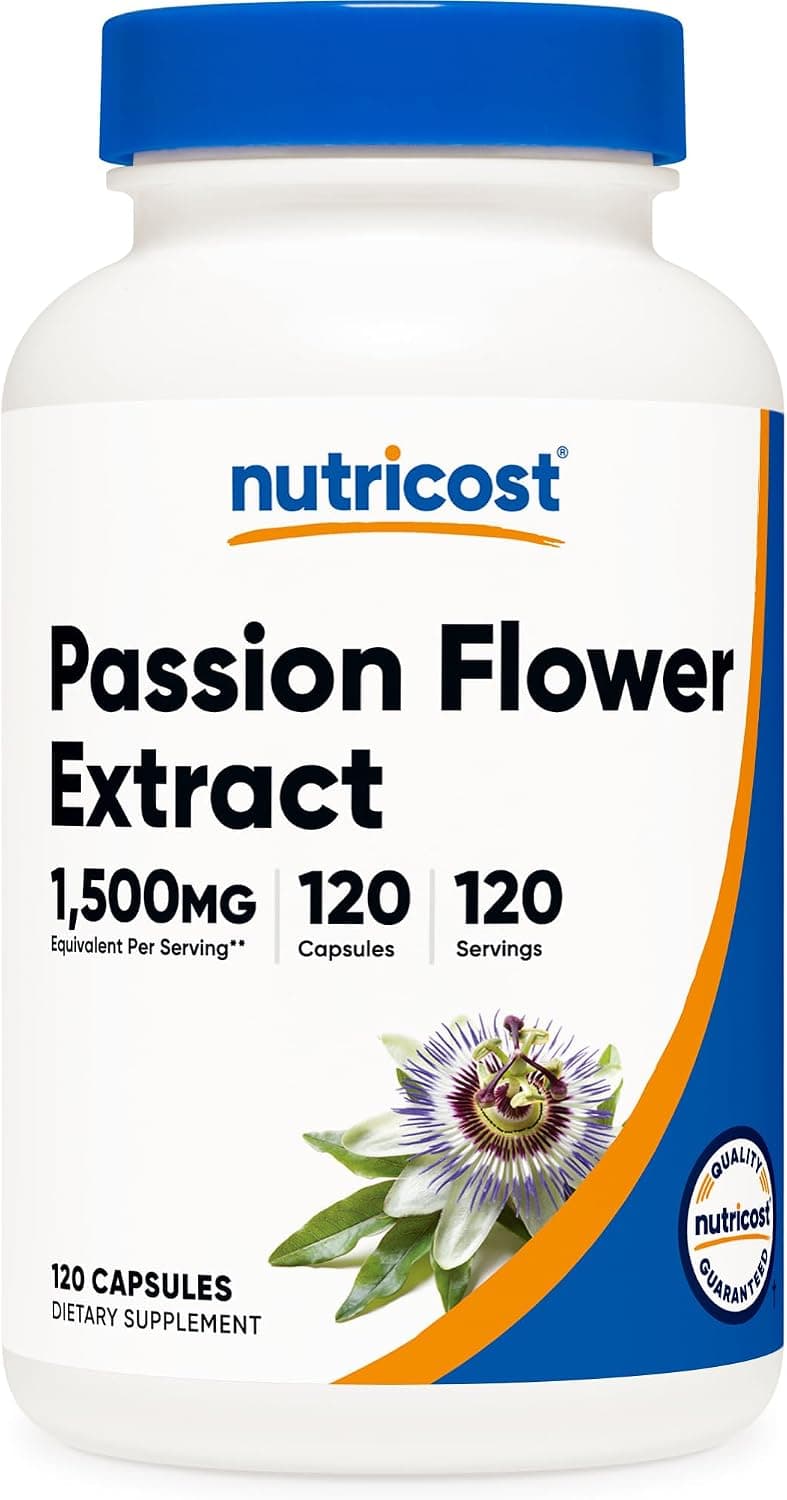
Suppliers
Vendors carrying Passionflower, with live product details and codes. Links are affiliate links that support the wiki at no cost to you.
Amazon
Passionflower
Research
- 2011first citedA double-blind, placebo-controlled investigation of the effects of Passiflora incarnata (passio…
- 2020most recentEffects of Passiflora incarnata Linnaeus on polysomnographic sleep parameters in subjects with…
- 1.Passiflora incarnata in Neuropsychiatric Disorders-A Systematic Review.
- 2.A double-blind, placebo-controlled investigation of the effects of Passiflora incarnata (passionflower) herbal tea on subjective sleep quality
- 3.Effects of Passiflora incarnata Linnaeus on polysomnographic sleep parameters in subjects with insomnia disorder: a double-blind randomized placebo-controlled study
- 4.Role Identification of Passiflora Incarnata Linnaeus: A Mini Review.
4 listed here; entry last updated August 2026
Reviews
My notesprivate to this device
FAQ
Is passionflower good for anxiety?
Yes, small trials support it, including for situational anxiety before procedures. It's gentle and non-addictive.
Does it work for sleep?
It helps with sleep onset and quality, especially in blends, though effects are mild.
Is it addictive?
No, it's non-habit-forming, unlike benzodiazepines.
Can I take it during the day?
Yes, at moderate doses for anxiety, though it can cause some drowsiness.
Any reason to avoid it?
Pregnant women are usually told to avoid it, and it adds to sedatives and alcohol.
Limitations of the evidence
- Limited safety data in pregnancy, where it is generally avoided
Adverse effects
- Drowsiness or sedation
- Dizziness
- Occasional stomach upset
- Possible additive effect with other sedatives