
spec sheet11 rows
Kava is a beverage and herbal medicine prepared from the root of Piper methysticum, a shrub in the pepper family native to the islands of the Pacific. For centuries it has been consumed ceremonially and socially across Oceania for its calming, mildly intoxicating effects, and it is used more widely as a remedy for anxiety and tension [1][2]. Its activity comes from a group of compounds called kavalactones, and its safety, particularly concerning the liver, has been the subject of regulatory debate [3][4].
- one of the best evidenced herbal anxiolytics going
- situational anxiety eased without heavy sedation
- centuries of ceremonial use across the Pacific islands
- kavalactones bring a sociable, talkative calm
- may smooth muscle tension and light sleep
- noble kava is the quality tier to insist on
- It commonly causes a temporary numbing of the mouth and, at higher intake, drowsiness
- Rare cases of serious liver injury have been reported, mainly with solvent-based extracts and poor-quality material
- Prolonged heavy use can cause a reversible scaly skin condition called kava dermopathy
Overview
Kava is both a plant and the beverage made from it. The plant, Piper methysticum, is a perennial shrub in the pepper family, Piperaceae, that originated in the northern islands of Vanuatu in the South Pacific and spread across Oceania; its scientific name combines the Latin for pepper with a Greek-derived word meaning intoxicating [1][4]. The drink is prepared from the ground root and rootstock, which are mixed with water and strained [1].
Across Polynesia, Micronesia, and Melanesia, kava has been consumed for well over a thousand years and holds an important place in ceremonial, religious, social, and political life; it is shared from a communal bowl at gatherings and used to mark significant occasions [4]. Traditional preparation involves grinding fresh or dried root and steeping it in water, sometimes with coconut milk, whereas products sold elsewhere often use dried root powder or concentrated extracts [1][4].
The active constituents are the kavalactones, which give kava its relaxing, mildly euphoric, and sedative qualities [1]. Drinkers typically describe a state of calm and sociability, muscle relaxation, and a numbing of the mouth, and at higher intake, drowsiness [1][2]. Unlike alcohol and many sedative drugs, kava at usual doses is reported not to impair mental clarity and not to cause dependence [1][2].
Kava has been studied mainly as a treatment for anxiety. A Cochrane systematic review of randomized, placebo-controlled trials concluded that kava extract appears to be an effective short-term symptomatic treatment for anxiety, with adverse events in those trials that were mild and infrequent, while calling for more data on long-term safety [3]. Later reviews similarly found evidence supporting a benefit in anxiety, with effects compared to some standard anti-anxiety medicines, while emphasizing appropriate cultivar and preparation choices [1][2].
The most serious concern surrounding kava is potential liver injury. Reports of rare severe hepatotoxicity in Europe and the United States around 1999 to 2002 prompted regulatory action, including a European ban on kava products in 2002 [4]. Subsequent analysis argued that the risk had been overstated and was tied to poor-quality material, non-root plant parts, and solvent-based extracts, since traditional water-based preparations retain liver-protective compounds and carry a comparatively low risk; a German court lifted that country's ban in 2014 [3][4]. Prolonged heavy use can also cause a reversible scaly skin condition known as kava dermopathy [1]. Today the regulatory status varies widely: kava is sold as a dietary supplement in the United States, where authorities have warned about rare liver injury and have not recognized it as generally safe for use in conventional foods, while other countries permit, restrict, or prohibit it to differing degrees [4].


Mechanism
The characteristic effects of kava come from its kavalactones, also called kavapyrones, a group of about eighteen related compounds of which six account for most of the pharmacological activity [1]. Rather than acting through a single target, kavalactones influence several systems in the nervous system [1][2]. A central action is enhancement of signaling at -A receptors, the main inhibitory receptors of the brain, which is thought to produce the calming and anxiety-reducing effects; this appears to involve changes in the lipid membrane around the receptor rather than binding at the usual benzodiazepine site [2].
Kavalactones also block voltage-gated sodium and calcium channels, reducing neuronal excitability and the release of excitatory neurotransmitters, and they inhibit the reuptake of noradrenaline and reversibly inhibit the enzyme monoamine oxidase B [1][2]. Some kavalactones have local anesthetic properties, which accounts for the characteristic numbing of the mouth when kava is consumed [1]. Together these actions produce relaxation and relief of anxiety that, at customary doses, are reported to occur without strongly impairing cognition and without the dependence associated with conventional sedatives [1][2].
receptor fingerprint
-A receptorpositive modulator
Voltage-gated sodium channelsblocks
Voltage-gated calcium channelsblocks
Monoamine oxidase Binhibits
releasereduces
Dosingtypical ranges, not medical advice
interested in protocols and clinical dosages? make an account to see them! ^_^
Safetyrisks and cautions, not medical advice
The big worry is hepatotoxicity, with rare but serious cases of liver damage reported. Avoid combining with alcohol, other sedatives, or liver-stressing drugs, and don't use it if you have liver problems. Heavy chronic use can cause a scaly skin condition called kava dermopathy.
History
Kava is a beverage and medicine prepared from the roots of Piper methysticum, a sterile cultigen domesticated in the Pacific more than 2,000 years ago and propagated only by cuttings, so that every plant descends from human-tended stock. European contact came through James Cook's Pacific voyages of the 1770s, and the naturalist Georg Forster, who sailed with Cook, gave the first detailed botanical description, formally naming the species Piper methysticum, 'intoxicating pepper,' in 1786.
Through the twentieth century kava extracts entered Western herbal medicine as anxiolytics sold in European pharmacies, but concern over roughly seventy case reports suggesting liver toxicity led Germany to ban kava preparations in 2002, with restrictions in the UK and elsewhere. Those bans, later partly revisited, had significant economic consequences for South Pacific kava-growing economies, and kava has since seen a revival through dedicated kava bars.
Where to buy
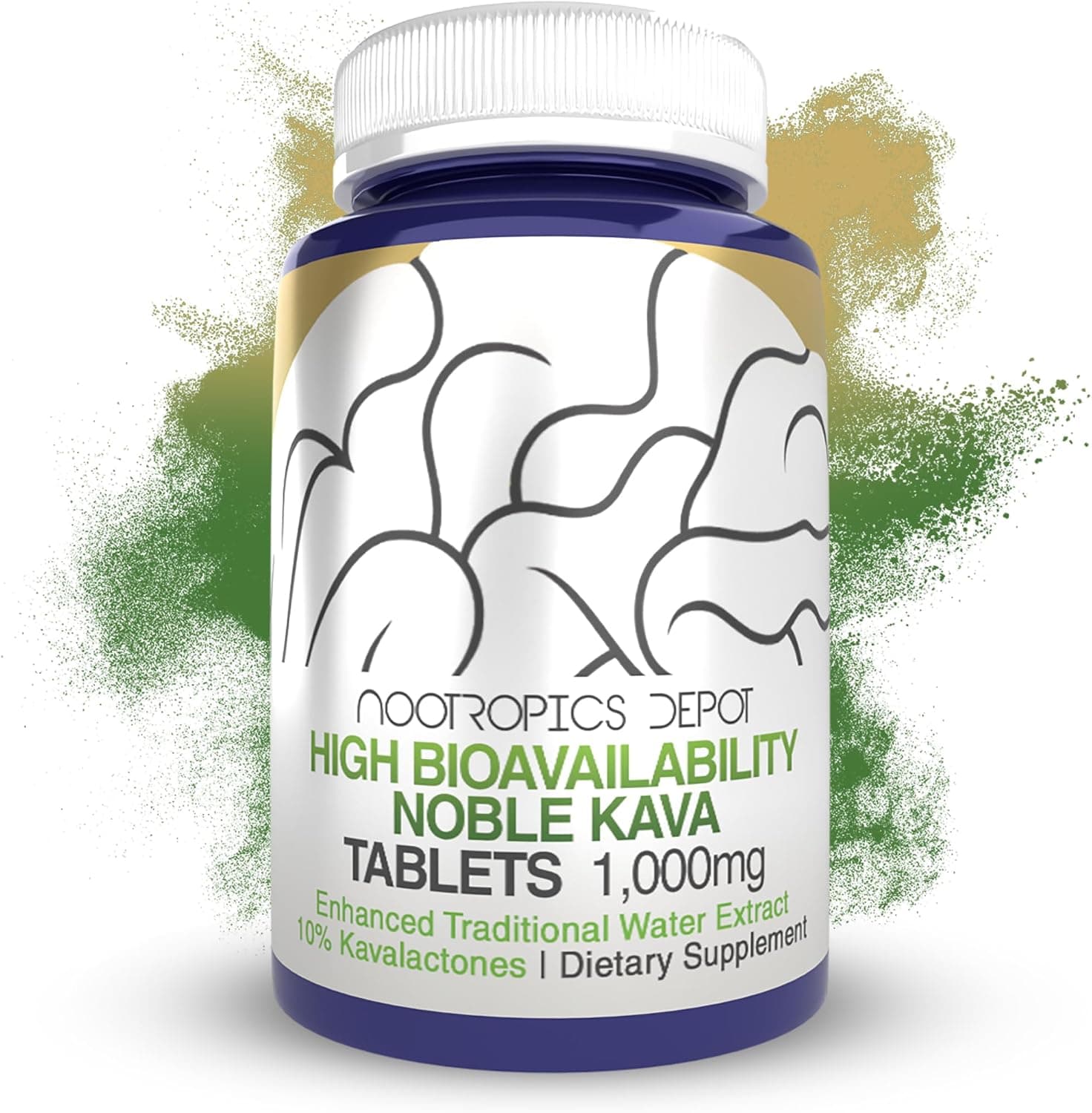
1 other outlet
Suppliers
Vendors carrying Kava, with live product details and codes. Links are affiliate links that support the wiki at no cost to you.
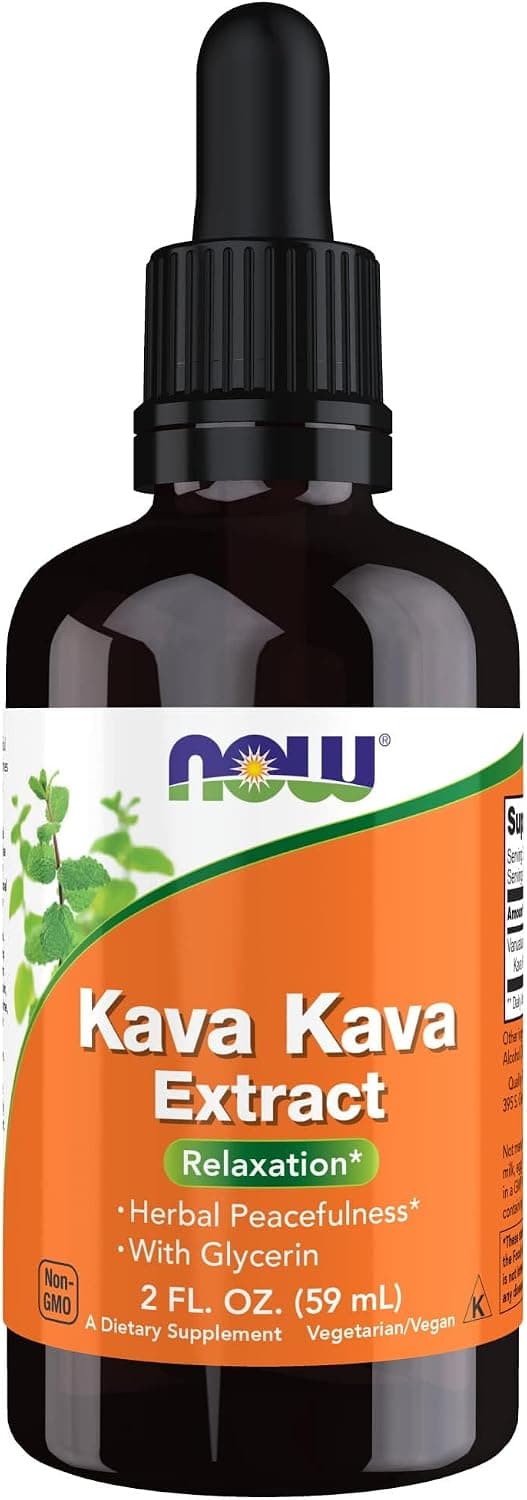
Amazon
Kava
Amazon
Kava
Research
- 2002first citedTherapeutic potential of kava in the treatment of anxiety disorders
- 2003meta-analysisKava extract for treating anxiety.
- 2015most recentGerman Kava Ban Lifted by Court: The Alleged Hepatotoxicity of Kava (Piper methysticum) as a Ca…
- 1.Therapeutic potential of kava in the treatment of anxiety disorders
- 2.Kava: a comprehensive review of efficacy, safety, and psychopharmacology
- 3.Kava extract for treating anxiety.
- 4.German Kava Ban Lifted by Court: The Alleged Hepatotoxicity of Kava (Piper methysticum) as a Case of Ill-Defined Herbal Drug Identity, Lacking Quality Control, and Misguided Regulatory Politics.
4 listed here; entry last updated August 2026
Reviews
My notesprivate to this device
FAQ
Is kava safe for my liver?
For most people using quality water-extracted noble kava short-term, serious liver problems are rare, but the risk is real. Avoid it with alcohol or liver disease.
Will it make me feel drunk?
Not like alcohol; it's more a calm, clear-headed relaxation, though high doses can be sedating.
Can I use it every day?
Better not for long stretches. Occasional or short-term use is safer for the liver.
Does it work for anxiety?
Yes, it's one of the better-supported herbal anxiolytics in controlled trials.
Can I drive after kava?
Not recommended; it can impair coordination and reaction time.
Adverse effects
- It commonly causes a temporary numbing of the mouth and, at higher intake, drowsiness
- Rare cases of serious liver injury have been reported, mainly with solvent-based extracts and poor-quality material
- Prolonged heavy use can cause a reversible scaly skin condition called kava dermopathy
- It should not be combined with alcohol or other sedatives, and liver function may warrant monitoring with regular use