

spec sheet11 rows
Valerian Root Valerian is an herbal supplement prepared from the root and rhizome of Valeriana officinalis, a flowering plant native to Europe and Asia. It has a long history of traditional use as a sleep aid and mild sedative and remains one of the more widely used botanicals for insomnia and nervous tension. Clinical evidence for its effectiveness is mixed, and it is sold as a dietary supplement or, in some regions, as an approved traditional herbal medicine.
- a classic first try for falling asleep faster
- non-habit-forming, unlike prescription sleep aids
- most people wake without any morning hangover
- a mild anti-anxiety effect for nervous tension
- centuries of traditional use across Europe and Asia
- widely available and easy to find anywhere
- Headache
- Digestive upset
- Daytime drowsiness or grogginess
Overview
Valerian is a herbal preparation derived from the dried underground parts, the root and rhizome, of Valeriana officinalis, a perennial flowering plant in the family Caprifoliaceae that is native to Europe and parts of Asia [4]. The root contains a complex mixture of constituents, including sesquiterpenes such as valerenic acid, a group of iridoid esters known as valepotriates, small amounts of the neurotransmitter GABA, and a volatile essential oil [1][4]. The precise combination of active substances differs between plants and between preparations, which complicates efforts to standardize commercial products [1].
Use of valerian as a calming and sleep-promoting remedy dates back to classical Greece and Rome, and it has remained a common traditional medicine for insomnia and anxiety ever since [1][4]. Today it ranks among the most popular botanical sleep aids and is frequently combined with other calming herbs such as hops or lemon balm [4].
Modern research has focused mainly on sleep quality and, to a lesser extent, on anxiety [1]. The clinical evidence is inconsistent: some systematic reviews and meta-analyses have concluded that valerian may modestly improve subjective sleep quality, while others have found the underlying trials too variable or too low in quality to support firm conclusions [1][2][3]. Reviewers have suggested that differences in extract quality and the unstable nature of some active compounds may account for much of this inconsistency [1]. Evidence for anxiety and for other conditions is weaker still [1][4].
Regulatory treatment varies by region. In the European Union the herb is recognized by the European Medicines Agency as a traditional herbal medicine for the relief of mild nervous tension and sleep problems, and Germany's Commission E has approved it as a mild sedative [4]. In the United States it is sold as a dietary supplement and is generally regarded as safe at customary intakes, though as a loosely regulated product its content and purity can vary [4]. Valerian is available as capsules, tablets, teas and liquid extracts, in both standardized and non-standardized forms [4]. Reported side effects are usually mild and include headache and digestive upset, and its use is generally discouraged during pregnancy and alongside alcohol or other sedatives [1][4].


Mechanism
The way valerian produces its calming effects is not fully established, but most proposed mechanisms center on the gamma-aminobutyric acid () system, the main inhibitory signaling network of the brain [1][4]. Valerenic acid, a sesquiterpene from the root, is thought to act on -A receptors and to modulate their activity, an effect that could strengthen inhibitory neurotransmission and encourage relaxation and drowsiness [1].
The root also contains itself along with compounds that may influence how GABA is released, broken down or taken back up, although how much orally consumed GABA actually reaches the brain is uncertain [1][4]. Additional interactions with and receptors have been proposed as further contributors to its sedative and anxiety-reducing effects [1]. Overall, valerian behaves as a mild sedative whose many constituents appear to act together rather than through a single well-defined target, and its measurable clinical effects tend to be modest and variable [1][4].
receptor fingerprint
-A receptormodulates
breakdown/reuptakeinhibits
receptorsmodulates
() receptorsmodulates
Dosingtypical ranges, not medical advice
interested in protocols and clinical dosages? make an account to see them! ^_^
Safetyrisks and cautions, not medical advice
Valerian is generally well tolerated, with occasional grogginess, headache, dizziness, or vivid dreams. A minority of people get a paradoxical stimulating effect. It can add to the sedation of alcohol and other CNS depressants, so combining them is risky, and it's best avoided before driving until you know how it affects you.
Where to buy

2 other outlets
Suppliers
Vendors carrying Valerian Root, with live product details and codes. Links are affiliate links that support the wiki at no cost to you.
Amazon
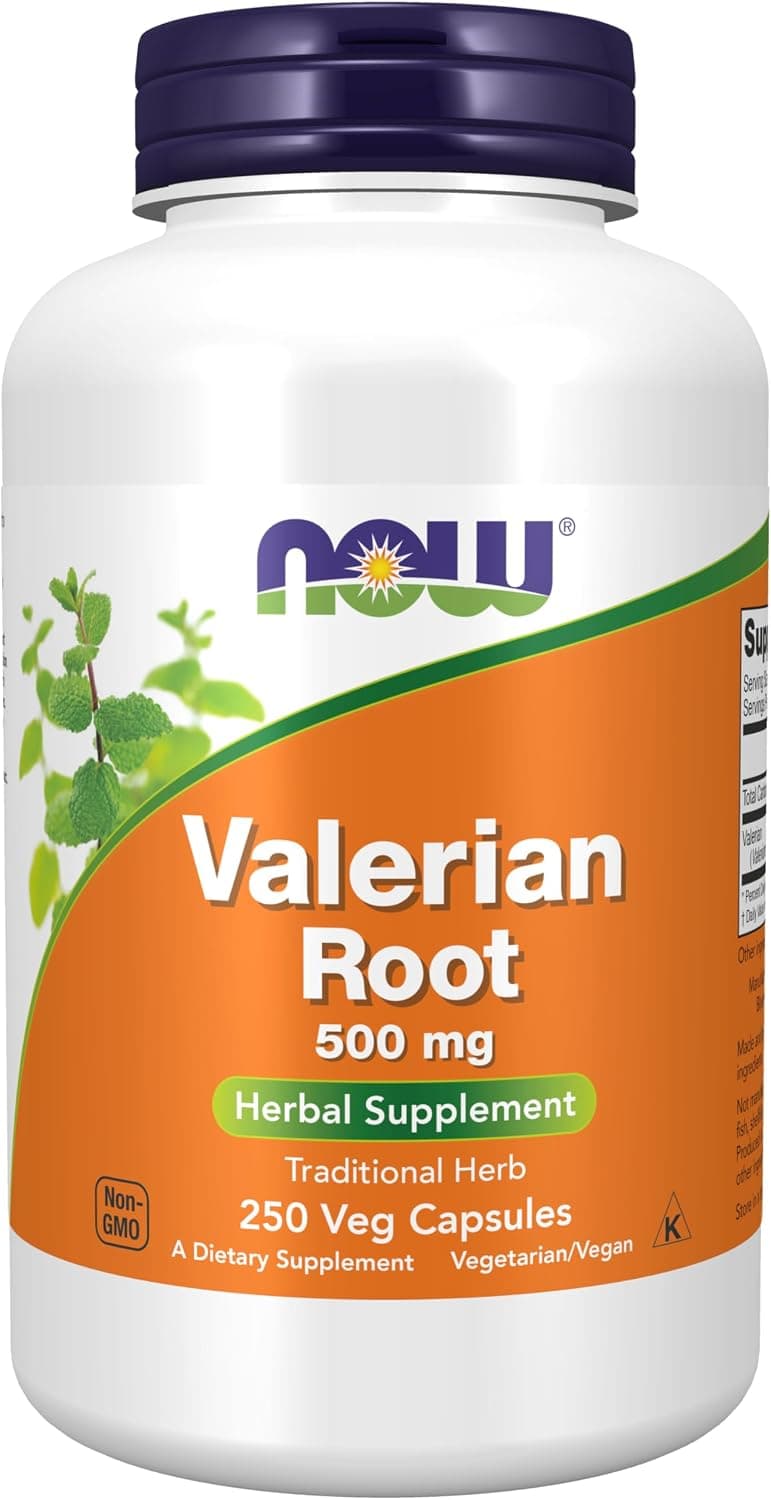
Valerian Root
RUPharma🌐
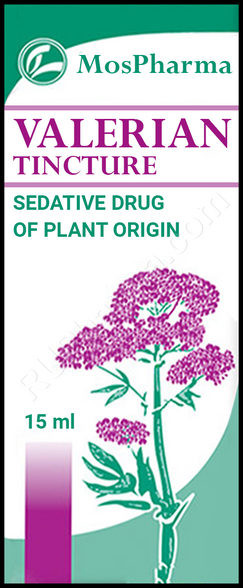
Valerian
Amazon
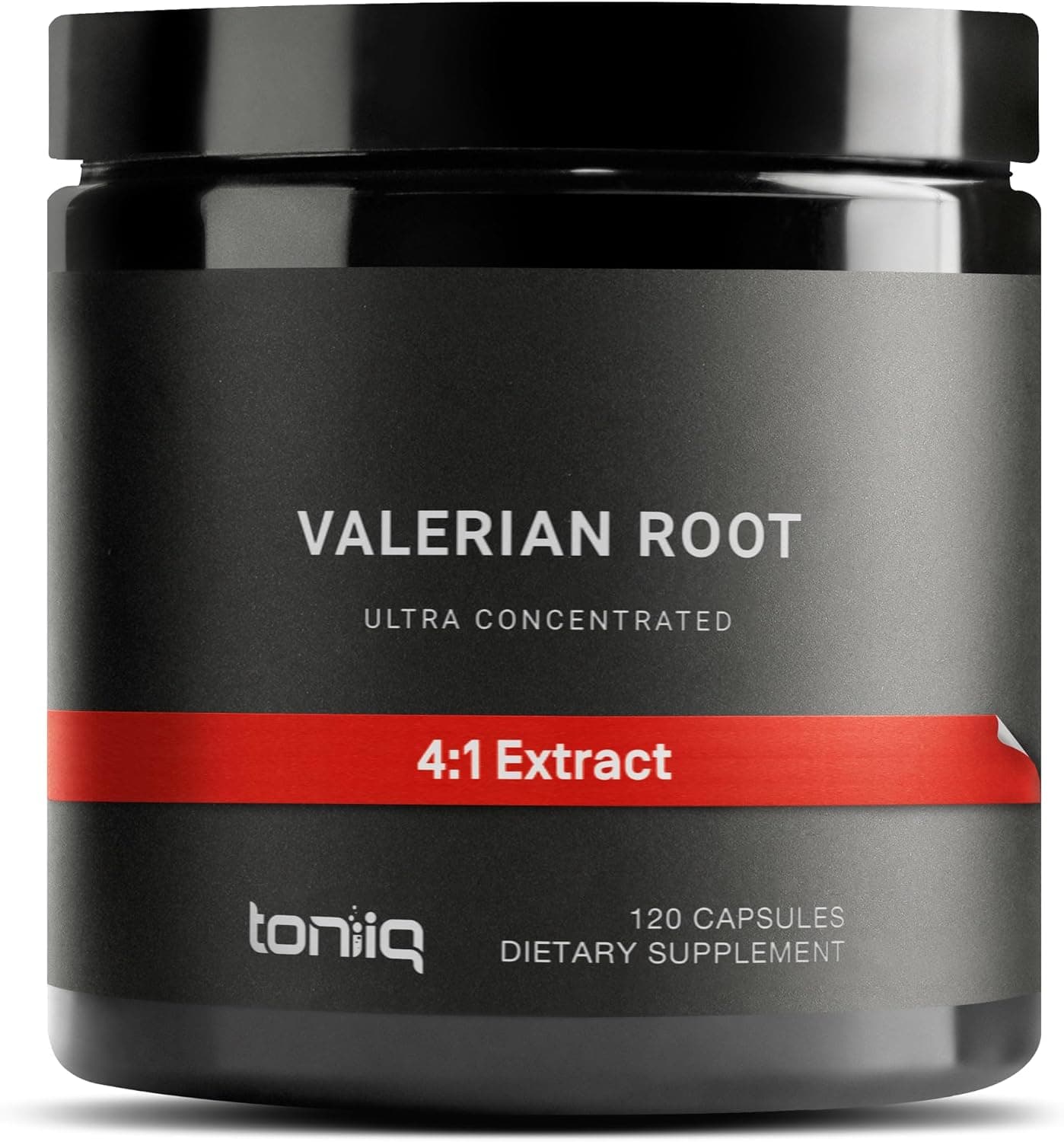
Valerian Root
Research
- 2006first citedValerian for sleep: a systematic review and meta-analysis
- 2020most recentValerian Root in Treating Sleep Problems and Associated Disorders: A Systematic Review and Meta…
- 1.Valerian Root in Treating Sleep Problems and Associated Disorders: A Systematic Review and Meta-Analysis
- 2.Valerian for sleep: a systematic review and meta-analysis
- 3.Effectiveness of Valerian on insomnia: a meta-analysis of randomized placebo-controlled trials
- 4.Valerian: Fact Sheet for Health Professionals (NIH Office of Dietary Supplements)
4 listed here; entry last updated August 2026
Reviews
My notesprivate to this device
FAQ
Does valerian work right away?
Sometimes, but for many people the benefit builds over one to two weeks of nightly use.
Why does it smell so bad?
The dried root has a famously funky, sweaty-sock odor; capsules mostly hide it.
Is it addictive?
No, it isn't considered habit-forming like prescription sleep drugs.
Can it make me more awake instead?
A small share of people get a paradoxical stimulating effect, so try it on a low-stakes night first.
Can I mix it with alcohol or sleep meds?
Better not to; it can add to their sedative effects and impair you more than expected.
Adverse effects
- Headache
- Digestive upset
- Daytime drowsiness or grogginess
- Best avoided with alcohol, other sedatives, and during pregnancy