
spec sheet11 rows
Honokiol is a biphenolic neolignan found in the bark, seed cones, and leaves of magnolia trees. It is one of the main bioactive constituents of magnolia bark, a material long used in traditional Chinese and Japanese herbal medicine for anxiety and mood complaints. In laboratory and animal research honokiol has drawn interest for anxiolytic, anti-inflammatory, antioxidant, neuroprotective, and anti-tumor activities, though it remains a subject of preliminary study rather than an approved drug.
- magnolia bark's calming compound, isolated and concentrated
- reduces anxiety and softens the stress response
- helps sleep arrive faster at night
- antioxidant and inflammation support alongside the calm
- centuries of use in Chinese and Japanese herbal practice
- Drowsiness from its calming activity
- Digestive upset in some users
Overview
Honokiol is a small, lipophilic biphenolic compound of the neolignan class, obtained from several species of the genus Magnolia, among them Magnolia officinalis, Magnolia obovata, and Magnolia grandiflora [1]. It occurs in the bark, seed cones, and leaves, and typically appears alongside a closely related isomer, magnolol [1]. Its structure has been noted for a loose resemblance to the anesthetic propofol, and it is lipophilic enough to cross the blood-brain barrier readily [4].
Magnolia bark carries a long history in East Asian medicine, where it is known in Chinese as houpu and features in traditional Japanese Kampo formulas such as saiboku-to and hange-koboku-to [1]. These preparations were used as remedies for anxiety, nervous tension, digestive complaints, and related conditions, and honokiol together with magnolol is regarded as one of the constituents responsible for their central-nervous-system effects [1].
Honokiol is described as a pleiotropic molecule, meaning it acts on the body through many different pathways rather than a single target [2]. Preclinical studies have reported a broad range of activities, including calming and anticonvulsant effects, anti-inflammatory and antioxidant actions, protection of nerve cells, promotion of neurite outgrowth, and anti-tumor effects across several cancer cell types [1][2]. Its ability to enter the central nervous system has made it of particular interest for brain-related research [4].
Among its most studied properties is a calming, anxiolytic effect. Honokiol and its analogs potentiate the activity of GABA-A receptors, the main inhibitory neurotransmitter receptors in the brain, in a way that has been compared to benzodiazepines but with a different receptor-subtype preference [3]. In cancer research, honokiol has shown anti-angiogenic and pro-apoptotic effects and has been found to cross the blood-brain and blood-cerebrospinal-fluid barriers to slow the growth of brain tumors in animal models [2][4].
To date honokiol remains in the realm of preliminary research, without approval as a pharmaceutical, and it is available primarily as a dietary supplement and in magnolia bark extracts and teas [1]. Reported side effects in studies have been limited, though its antithrombotic activity has prompted caution for people with bleeding disorders or those taking anticoagulant medication [2]. It is sold as purified honokiol, standardized magnolia bark extracts, and combination supplements.

Mechanism
Honokiol is regarded as a multi-target, pleiotropic compound whose effects arise from action on several molecular pathways rather than one receptor [2]. Its calming and anticonvulsant effects are linked to positive modulation of -A receptors; in electrophysiological studies honokiol and its methylated analog enhance the inhibitory currents these receptors carry, an action reminiscent of benzodiazepines but with its own preference among receptor subtypes [3].
In the context of inflammation and cancer, honokiol has been shown to inhibit signaling pathways including NF-kappaB, STAT3, , and , which help govern cell survival, proliferation, and inflammatory responses, and it can promote programmed cell death, or apoptosis, in tumor cells while suppressing the formation of the new blood vessels that feed tumors [2]. Its antioxidant activity lowers reactive oxygen species, and its neuroprotective actions include limiting excitotoxic calcium signaling and supporting the growth of nerve-cell projections [1][2]. A key pharmacological feature is its high lipophilicity, which lets it cross the blood-brain and blood-cerebrospinal-fluid barriers and reach central nervous system targets [4].
receptor fingerprint
-A receptorpositive modulator
Inflammatory signaling (NF-kB)inhibits
reduces
/ stress axislowers
Dosingtypical ranges, not medical advice
interested in protocols and clinical dosages? make an account to see them! ^_^
Safetyrisks and cautions, not medical advice
Generally well tolerated at supplement doses. Because it enhances GABA activity, it can add to the sedation of alcohol, benzodiazepines, or other sleep aids, so combining them warrants caution. High doses may cause drowsiness or GI upset. Long-term human safety data is limited.
Subjective profileweighing the evidence above
A nice, gentle anxiolytic and sleep aid from magnolia bark; solid for calm, light on hard human data for the bigger claims.
Where to buy
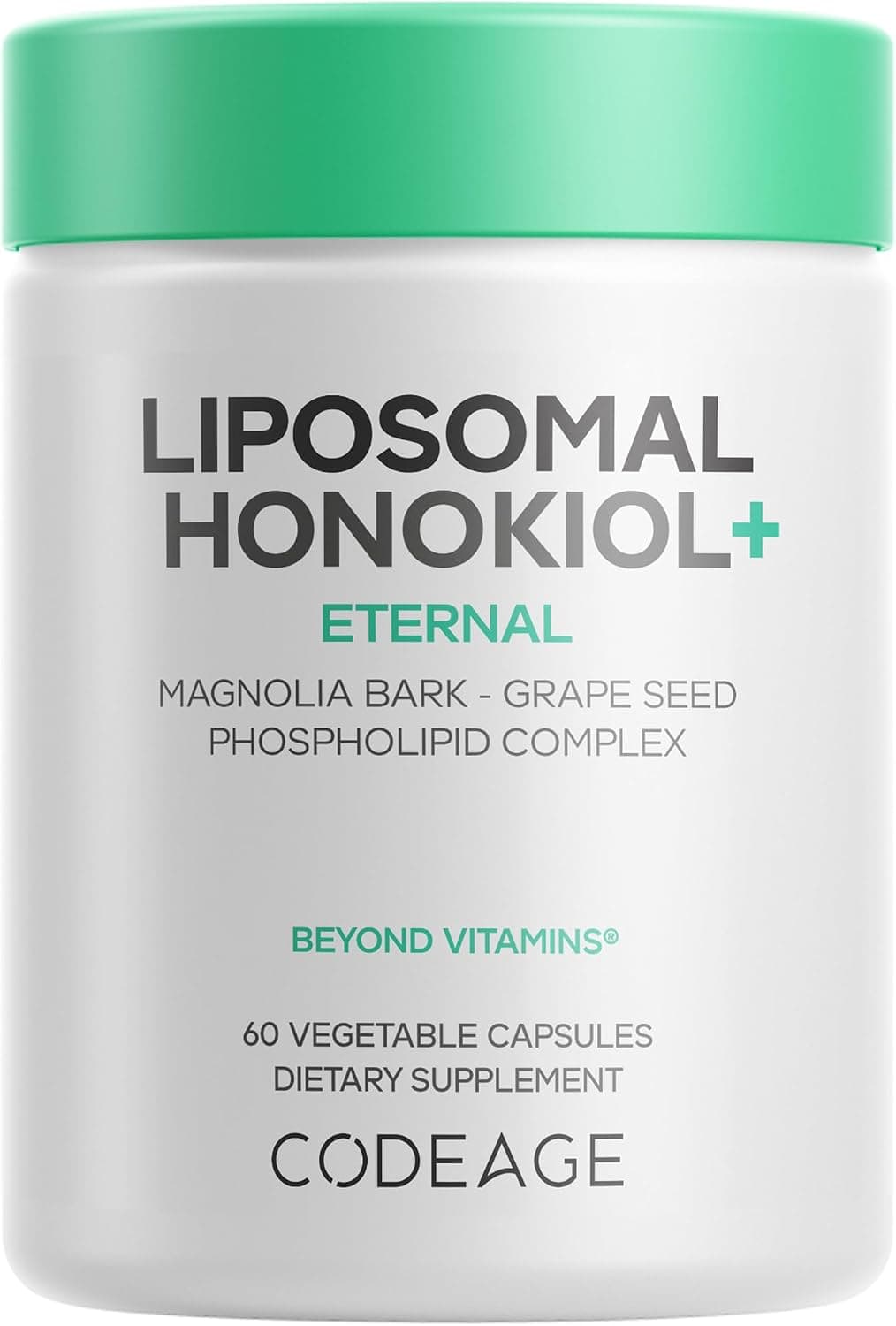
Suppliers
Vendors carrying Honokiol, with live product details and codes. Links are affiliate links that support the wiki at no cost to you.
Amazon
Honokiol
Research
- 2011first citedTherapeutic applications of compounds in the Magnolia family
- 2014most recentModerate concentrations of 4-O-methylhonokiol potentiate GABAA receptor currents stronger than…
- 1.Therapeutic applications of compounds in the Magnolia family
- 2.Honokiol analogs: a novel class of anticancer agents targeting cell signaling pathways and other bioactivities
- 3.Moderate concentrations of 4-O-methylhonokiol potentiate GABAA receptor currents stronger than honokiol
- 4.Honokiol crosses BBB and BCSFB, and inhibits brain tumor growth in rat 9L intracerebral gliosarcoma model and human U251 xenograft glioma model
4 listed here; entry last updated August 2026
Reviews
My notesprivate to this device
FAQ
Is honokiol the same as magnolia bark?
It's one of the two main active lignans in magnolia bark, along with magnolol.
Will it make me sleepy during the day?
At low doses it's more calming than sedating, but higher doses can cause drowsiness.
Is it addictive like Xanax?
No. It modulates GABA differently and isn't associated with the dependence seen with benzodiazepines.
Can I mix it with alcohol?
Best not to; both enhance GABA and the sedation can stack unpredictably.
Adverse effects
- Drowsiness from its calming activity
- Digestive upset in some users
Notes and cautions
- Generally limited side effects in studies
- Possible increased bleeding risk