
spec sheet15 rows
Baclofen is a centrally acting skeletal muscle relaxant and agonist of the GABA-B receptor, used chiefly to relieve the muscle spasticity caused by conditions such as multiple sclerosis and spinal cord injury. Chemically it is a derivative of the inhibitory neurotransmitter GABA, modified to cross into the brain and spinal cord. It can be taken by mouth or, for severe spasticity, delivered directly into the spinal fluid by an implanted pump, and it is also used off-label for alcohol use disorder.
- Deep, full-body muscle relaxation
- Tension eases and the mind quiets
- Crosses into the brain as a GABA-B agonist
- Explored for quieting cravings
- Better GABA-B tone, better calm
- Drowsiness, dizziness, and daytime sedation are the most common effects
- Muscle weakness and fatigue can accompany the drop in muscle tone
- Nausea, headache, dry mouth, and trouble sleeping are also reported
Overview
Baclofen is a prescription muscle relaxant and antispastic drug that works as a selective agonist of the GABA-B receptor, one of the receptors for gamma-aminobutyric acid (GABA), the main inhibitory neurotransmitter of the central nervous system [1][3]. Chemically it is beta-(4-chlorophenyl)-GABA, essentially a molecule of GABA carrying an added chlorophenyl group that helps the compound cross the blood-brain barrier, which GABA itself does poorly [1]. It is a small crystalline compound used clinically as a racemic mixture [1].
The drug was synthesized in 1962 by the Swiss chemist Heinrich Keberle at Ciba-Geigy, originally in the hope of treating epilepsy [1]. Its anticonvulsant effects proved underwhelming, but its ability to relax skeletal muscle and reduce spasticity stood out, and baclofen was subsequently developed and approved for that indication, reaching the market in the 1970s [1]. A historical curiosity is that it was approved as a medicine before the GABA-B receptor it acts on had even been identified, and it remains the only GABA-B agonist approved by the U.S. Food and Drug Administration [1].
Baclofen's central use is the management of chronic, disabling muscle spasticity, particularly the spasticity that accompanies multiple sclerosis and injury or disease of the spinal cord [1]. For severe cases that do not respond to oral therapy, the drug can be infused directly into the cerebrospinal fluid through a surgically implanted intrathecal pump, an approach that delivers strong antispastic effect at much smaller amounts; intrathecal baclofen has also been explored in patients with severe disorders of consciousness [4][5]. Beyond spasticity, baclofen has drawn attention as an off-label treatment for alcohol use disorder; a Cochrane systematic review concluded that it probably lowers the risk of relapse and increases the percentage of abstinent days, mainly among people who have already been detoxified, though it did not beat placebo on every measure [2]. It has additionally been studied for opioid withdrawal and other conditions [1].
Baclofen is a generic, prescription-only medicine that appears on the World Health Organization's List of Essential Medicines [1]. It is most commonly given as oral tablets, with the intrathecal pump reserved for severe spasticity, and compounded topical and other formulations exist as well [1]. A clinically important caution is that stopping the drug abruptly, especially after long-term or intrathecal use, can trigger a serious withdrawal syndrome, so treatment is tapered rather than halted suddenly [1].
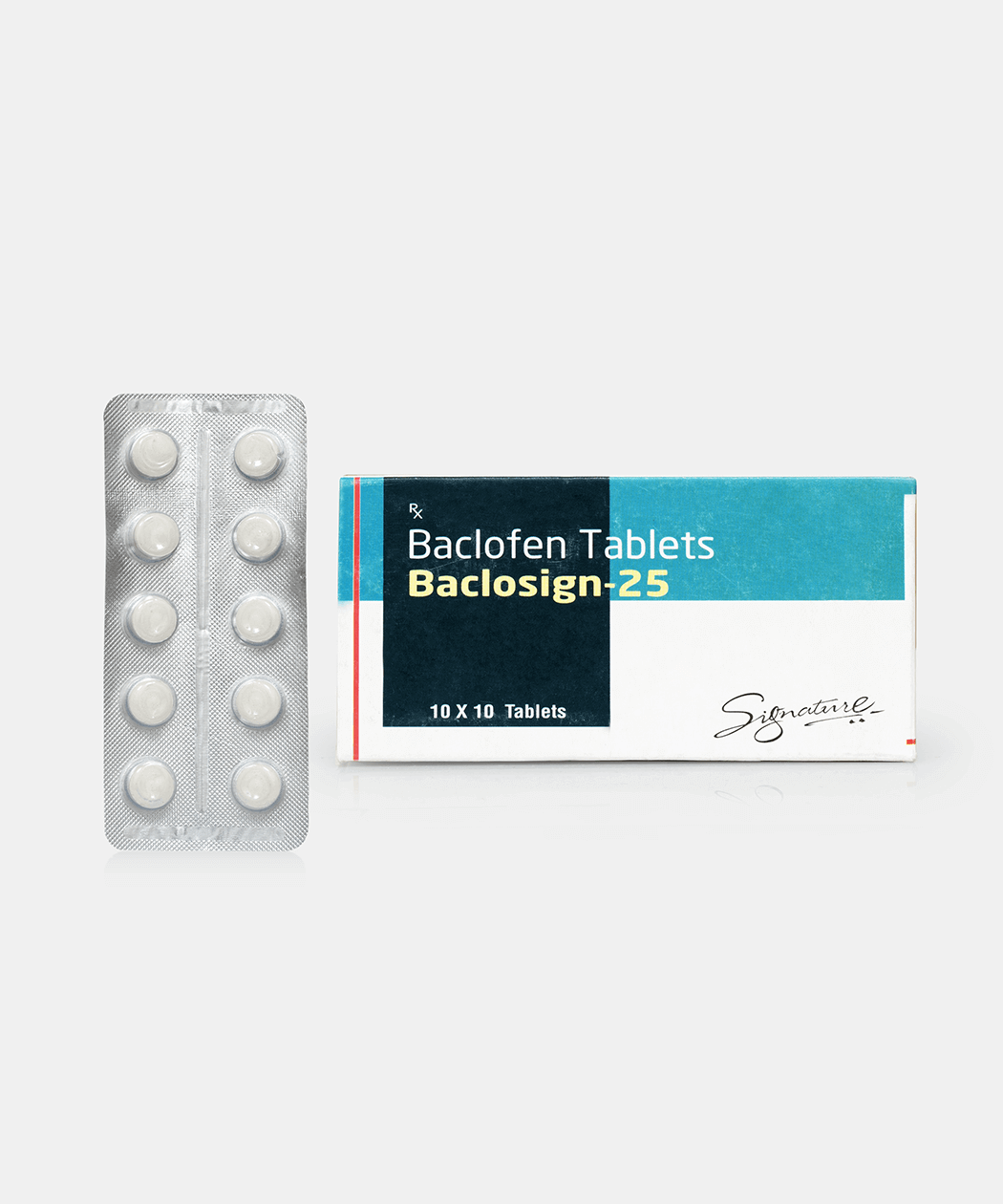

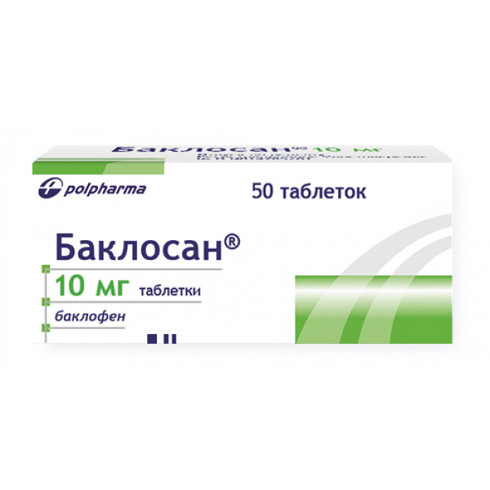
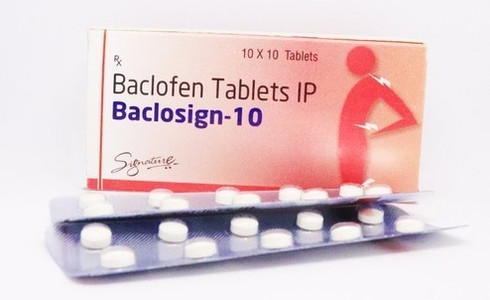
- Baclofen was the key molecule that led scientists to discover the GABA-B receptor in 1980, a receptor family now targeted across neurology and pain research.
- It was originally invented as a candidate epilepsy drug and only became a muscle relaxant after its anticonvulsant hopes fell through.
Mechanism
Baclofen produces its effects by activating -B receptors, which are metabotropic receptors coupled to G proteins rather than fast ion channels [3]. When baclofen binds these receptors on neurons, the linked G proteins open potassium channels and inhibit calcium channels; the resulting potassium efflux and reduced calcium entry hyperpolarize the neuron and quiet its activity [1][3]. On presynaptic terminals this lowers the calcium-dependent release of excitatory neurotransmitters, while on postsynaptic membranes it deepens inhibition [3].
In the setting of spasticity, the drug acts largely within the spinal cord, where it suppresses the mono- and polysynaptic reflexes that drive exaggerated muscle tone, calming the hyperexcitable motor circuits and relaxing the affected muscles [4][5]. Because oral baclofen crosses the only modestly, intrathecal delivery places the drug directly around the spinal cord and achieves a strong antispastic effect at a fraction of the oral amount [5]. The same widespread -B activity accounts for common side effects such as drowsiness, dizziness, and muscle weakness, and for the rebound overexcitation, which can include seizures, that follows abrupt withdrawal [1][2].
receptor fingerprint
-B receptoragonist
Spinal reflexes / spasticitysuppresses
Nervous systemsedates
Safetyrisks and cautions, not medical advice
Baclofen is a GABA-B receptor agonist and muscle relaxant that commonly causes sedation, drowsiness, dizziness, weakness and fatigue, and overdose can cause respiratory depression, coma and seizures; these effects are intensified by alcohol and other CNS depressants. Abrupt discontinuation after regular use can trigger a serious withdrawal syndrome with hallucinations, seizures and rebound spasticity, so it must be tapered. Dose reduction is needed in kidney impairment.
Interactionsdocumented pairs only, not exhaustive
Baclofen is a GABA-B receptor agonist and its labeling documents additive central nervous system and respiratory depression when combined with other CNS depressants; alcohol, opioids, benzodiazepines, and sedating antihistamines all compound its sedation. Tricyclic antidepressants may potentiate its muscle-relaxant effect, producing marked hypotonia. Antihypertensive agents can have their blood-pressure-lowering effect exaggerated, and in patients with renal impairment baclofen accumulates because it is largely renally cleared, so drugs that reduce renal function raise the risk of toxicity and encephalopathy. Abrupt discontinuation, especially of intrathecal baclofen, is a documented cause of seizures, hallucinations, and rebound spasticity, so it must be tapered. This is research information, not medical advice.
Checking a whole stack? Run it through interactions + stacks.
History
Baclofen was first synthesized in 1962 by the Swiss chemist Heinrich Keberle at Ciba-Geigy, who designed it as a lipophilic derivative of the neurotransmitter GABA, adding a chlorophenyl group in the hope of creating an anticonvulsant able to cross the blood-brain barrier. It proved disappointing as an antiepileptic but was found to relax skeletal muscle, and it entered clinical use in the 1970s for the spasticity of multiple sclerosis and spinal cord injury. In 1984 the pharmacologists Norman Bowery and colleagues used baclofen as the defining tool to identify the GABA-B receptor, establishing it as a distinct class from the fast GABA-A receptor. Intrathecal delivery by an implanted pump was later developed for severe spasticity, and the drug has more recently drawn attention as an off-label treatment for alcohol use disorder.
Reputation
Baclofen holds a well-established place in neurology and rehabilitation medicine as a first-line agent for relieving disabling muscle spasticity, and it appears on the World Health Organization's List of Essential Medicines. Patients and clinicians appreciate that, for severe cases, the intrathecal pump can deliver strong relief at a fraction of the oral dose while limiting sedation. In pharmacology it is remembered as the compound that opened the door to the entire GABA-B receptor field, giving it a lasting scientific legacy. Its off-label use for alcohol dependence has generated considerable interest and debate, with reviews finding modest and mixed benefit; careful dosing and gradual withdrawal are emphasized to avoid rebound effects.
Subjective profileweighing the evidence above
A real prescription muscle relaxant that genuinely helps spasticity and, for some people, takes the edge off anxiety and cravings. Sedation and muscle weakness are the common cost, and it must be tapered rather than stopped abruptly, since withdrawal can bring hallucinations and seizures.
Where to buy


Suppliers
Vendors carrying Baclofen, with live product details and codes. Links are affiliate links that support the wiki at no cost to you.
| supplier | size | price | $/mg |
|---|---|---|---|
| PCT.Zonelowest | 25MG | $3.32 | $0.133/mg |
| PCT.Zone | 10MG | $12.00 | $1.20/mg |

PCT.Zone
Baclofen
PCT.Zone
Baclofen
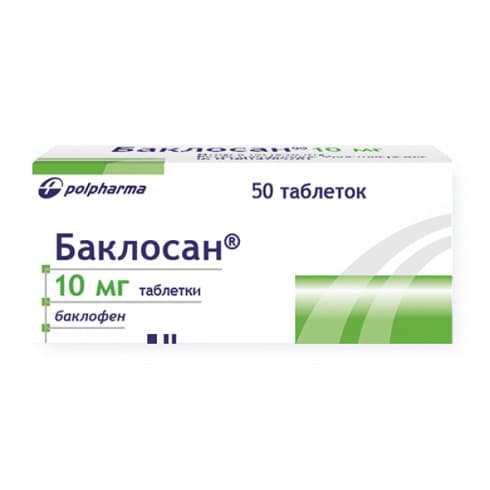
RUPharma🌐
Baclofen
RUPharma🌐
Baclofen (Baclosign)
Research
- 1980first citedBaclofen overdose.
- 2018meta-analysisBaclofen for alcohol use disorder-a systematic meta-analysis.
- 2020most active year3 papers
- 2025most recentShould the French approval of baclofen for alcohol dependence be extended to abstinence mainten…
- 1.Classics in Chemical Neuroscience: Baclofen
- 2.Baclofen for alcohol use disorder.
- 3.GABAB receptor trafficking and interacting proteins: targets for the development of highly specific therapeutic strategies to treat neurological disorders?
- 4.Effects of intrathecal baclofen therapy in subjects with disorders of consciousness: a reappraisal
- 5.Intrathecal administration of GABA agonists in the vegetative state
- 6.[Intrathecal baclofen. Experimental and pharmacokinetic studies].
- 7.Baclofen as an adjuvant analgesic.
- 8.Baclofen attenuates cognitive deficits in post-cardiac arrest brain injury.
- 9.Baclofen for alcohol use disorder-a systematic meta-analysis.
- 10.Baclofen in the treatment of alcohol use disorder: tailored doses matter.
- 11.Baclofen during alcohol detoxification reduces the need for additional diazepam: a randomized placebo-controlled trial.
- 12.Safety and efficacy of baclofen in the treatment of alcohol-dependent patients.
23 listed here; entry last updated August 2026
Reviews
My notesprivate to this device
FAQ
What is Baclofen used for?
It is a muscle relaxant also studied for anxiety and reducing cravings, such as in alcohol dependence.
How does Baclofen work?
It activates GABA-B receptors, boosting inhibitory tone to relax muscles and calm the nervous system.
Is Baclofen well-researched?
It is an approved medication for spasticity, with growing but still-evolving research for anxiety and cravings.
What are the main side effects?
Common effects include drowsiness, dizziness, and weakness, and it should not be stopped abruptly due to withdrawal risk.
Adverse effects
- Drowsiness, dizziness, and daytime sedation are the most common effects
- Muscle weakness and fatigue can accompany the drop in muscle tone
- Nausea, headache, dry mouth, and trouble sleeping are also reported
- Stopping suddenly, especially after long-term or intrathecal use, can cause a dangerous withdrawal syndrome with seizures, so doses are tapered
- Overdose or intrathecal pump errors can cause deep drowsiness and slowed breathing