
spec sheet15 rows
Pregabalin (Lyrica) is a widely prescribed gabapentinoid that delivers fast, reliable relief from anxiety and nerve pain by calming overexcited neurons [1][3]. It binds the alpha-2-delta subunit of voltage-gated calcium channels, dialing down the release of excitatory neurotransmitters, a targeted mechanism that underlies its approved uses in generalized anxiety disorder, neuropathic pain, fibromyalgia, and epilepsy [1][6]. Valued for its rapid onset and predictable, linear pharmacokinetics, pregabalin is one of the most established calming agents in modern neurology and psychiatry [3][6].
- Fast, reliable relief from anxiety
- Eases nerve pain
- Quiets overexcited neurons at the source
- Rapid onset, predictable absorption
- One of neurology's most established calming agents
- Settles the body into real relaxation
- Common effects include drowsiness, dizziness, and a feeling of being clouded or sedated
- It can cause weight gain, swelling in the extremities, dry mouth, and blurred vision
- Pregabalin has a recognized potential for dependence and misuse and is a controlled substance in several countries
Overview
Pregabalin is a prescription medication of the gabapentinoid class, chemically (S)-3-(aminomethyl)-5-methylhexanoic acid, a structural analogue of the neurotransmitter gamma-aminobutyric acid (GABA) and a close relative of the drug gabapentin [1][6]. Despite its GABA-like structure it does not act on GABA receptors; instead its target is the alpha-2-delta auxiliary subunit of voltage-gated calcium channels in the central nervous system [1][2]. It was developed as a more potent, better-absorbed successor to gabapentin and is marketed principally under the brand name Lyrica [6].
Pregabalin is approved by drug regulators for several indications. In the United States the Food and Drug Administration has approved it for neuropathic pain associated with diabetic peripheral neuropathy and postherpetic neuralgia, for fibromyalgia, for neuropathic pain associated with spinal cord injury, and as adjunctive therapy for partial-onset seizures; in Europe and many other regions it is additionally approved as a first-line treatment for generalized anxiety disorder [1][4][5]. Across large randomized controlled trials, oral pregabalin at 150 to 600 mg per day has been shown to relieve neuropathic pain and to reduce anxiety symptoms significantly more than placebo, and it is considered effective against both the psychological and physical symptoms of anxiety [3][4][6].
Because of a recognized potential for misuse, dependence, and a discontinuation syndrome, pregabalin is a controlled substance in a number of countries, including a Schedule V classification in the United States, and reports of abuse have grown, particularly among people with a history of substance use [5]. It is characterized by rapid, extensive absorption and highly predictable, linear pharmacokinetics that make it straightforward to dose, and it is eliminated largely unchanged by the kidneys [6]. Pregabalin is supplied as capsules, oral solution, and extended-release tablets [6].
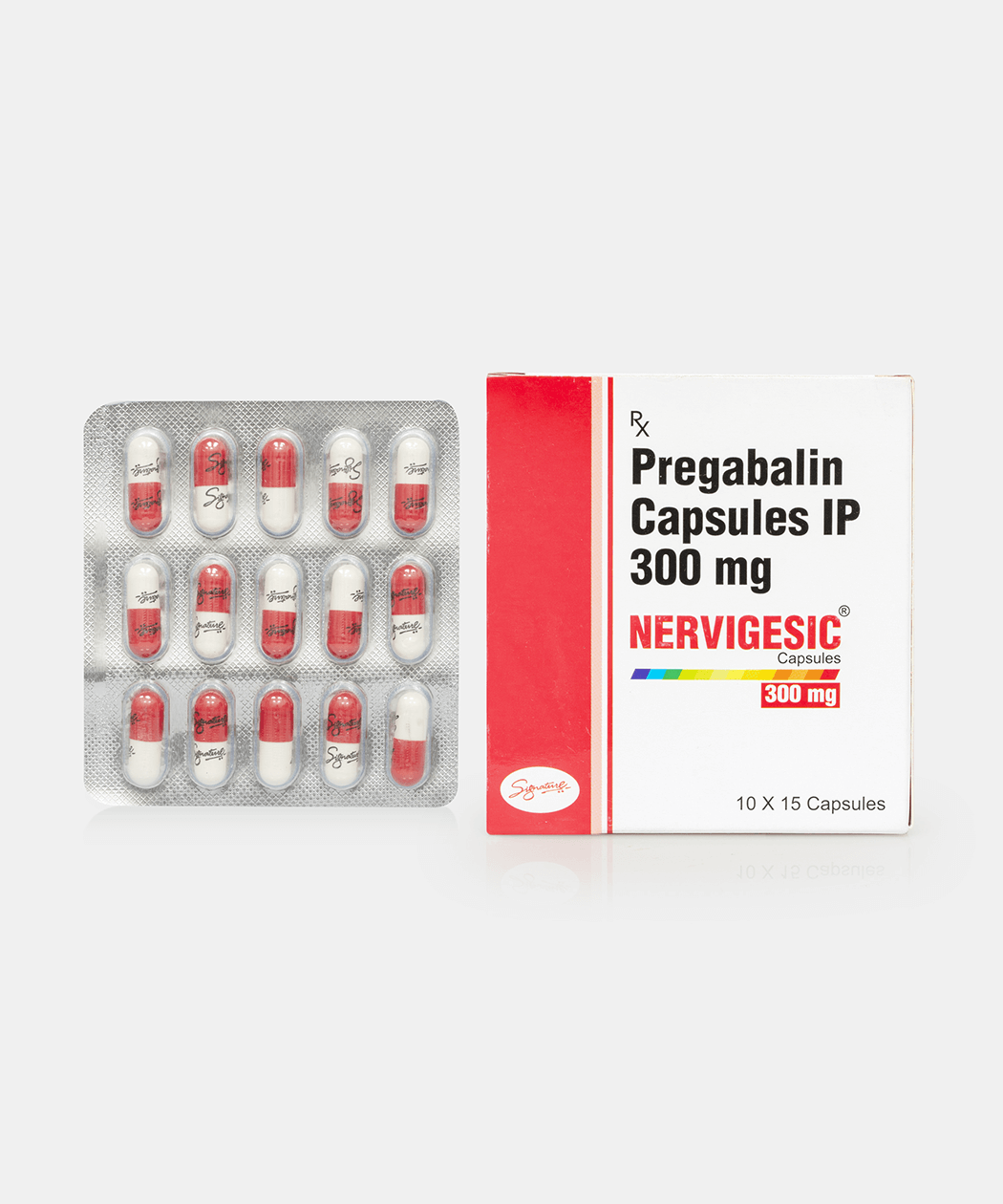

- Although pregabalin is built to resemble the neurotransmitter GABA, it has no direct action at GABA receptors; its effects come entirely from binding the alpha-2-delta calcium channel subunit.
- In generalized anxiety disorder trials its benefit can appear within the first week of treatment.
- It was invented by chemist Richard Silverman at Northwestern University and is sold as Lyrica.
Mechanism
Pregabalin works by binding with high affinity to the alpha-2-delta subunit, an auxiliary protein of voltage-gated (voltage-sensitive) calcium channels in the central nervous system [1][2]. Although pregabalin is a analogue by structure, it has no direct action at GABA-A or GABA-B receptors, on GABA uptake, or on GABA metabolism; its effect comes entirely from this calcium-channel subunit interaction [1]. By occupying the alpha-2-delta site, pregabalin reduces the calcium influx that normally triggers neurotransmitter release at active, overexcited synapses, thereby subtly decreasing the release of several excitatory neurotransmitters, including , noradrenaline, and substance P [1][7]. The net effect is a damping of abnormal or excessive neuronal excitability without broadly suppressing normal signaling, which is why the drug is described as reducing neurotransmitter release preferentially from activated neurons [1].
This single mechanism accounts for pregabalin's broad therapeutic range. Reduced excitatory transmission in pain pathways produces analgesia in neuropathic pain; the same action in cortical and limbic circuits produces anticonvulsant and anxiolytic effects [2][7]. Genetic studies reinforce the target: mutant mice lacking normal binding at the alpha-2-delta type 1 protein lose the pharmacological response to pregabalin, confirming that binding to this subunit is required for its activity [1]. Its role in anxiety is notable because, unlike benzodiazepines, pregabalin achieves calming without acting on receptors, giving it a distinct side-effect and dependence profile [3].
The clinical effect sizes are well quantified. In a double-blind trial in generalized anxiety disorder involving 276 patients, pregabalin significantly reduced Hamilton Anxiety Rating Scale scores compared with placebo, with separation from placebo apparent as early as the first week of treatment [3]. In neuropathic pain, a systematic review and meta-analysis by the Neuropathic Pain Special Interest Group calculated a number needed to treat of 7.7 (95 percent confidence interval 6.5 to 9.4) for 50 percent pain relief, supporting a strong, first-line recommendation for pregabalin alongside gabapentin and certain antidepressants [4]. These consistent, regulator-recognized effects distinguish pregabalin from unproven nootropics, though the same alpha-2-delta activity that calms neurons also carries a potential for sedation, dependence, and withdrawal on abrupt discontinuation [4][5].
receptor fingerprint
alpha-2-delta subunit (voltage-gated calcium channels)binds, inhibits
/ releasereduces
Dosingtypical ranges, not medical advice
interested in protocols and clinical dosages? make an account to see them! ^_^
Safetyrisks and cautions, not medical advice
Pregabalin works well, but it is a prescription medicine with a genuine dependence and abuse profile; it is a Schedule V controlled substance in the US and tightly controlled in many countries, and recreational high doses have produced diazepam like effects and strong drug liking in abuse studies. Common effects are drowsiness, dizziness, a bit of cognitive fog, and weight gain, and it combines dangerously with other CNS depressants, especially opioids and alcohol, where it can deepen respiratory depression. Do not stop it suddenly; abrupt discontinuation can bring rebound anxiety, insomnia, and real withdrawal, so taper under a doctor. The dose is lowered in kidney impairment, and pregnancy data is limited.
Interactionsdocumented pairs only, not exhaustive
Pregabalin carries well documented additive central nervous system depression when combined with opioids, benzodiazepines, alcohol, or other sedatives; the FDA labeling warns of serious and potentially fatal respiratory depression with concomitant opioids or other CNS depressants, particularly in the elderly or those with compromised respiratory function. Co-administration with angiotensin-converting-enzyme (ACE) inhibitors is associated with an increased risk of angioedema. Combining pregabalin with thiazolidinedione antidiabetics (pioglitazone, rosiglitazone) can produce additive peripheral edema and weight gain. Because pregabalin is excreted largely unchanged in urine with negligible CYP metabolism and essentially no plasma protein binding, it has few pharmacokinetic drug interactions; the concerns are pharmacodynamic. This is research information, not medical advice.
Checking a whole stack? Run it through interactions + stacks.
History
Pregabalin was discovered by the medicinal chemist Richard Bruce Silverman at Northwestern University, who designed the molecule as a structural analogue of the neurotransmitter GABA during research into anticonvulsant amino acids.
Developed commercially by Parke-Davis and later Pfizer as a successor to gabapentin, it was found to bind with high affinity to the alpha-2-delta subunit of voltage-gated calcium channels rather than acting on GABA receptors directly.
The United States Food and Drug Administration approved it in 2004 under the brand name Lyrica, initially for neuropathic pain associated with diabetic peripheral neuropathy and postherpetic neuralgia and for adjunctive treatment of partial-onset seizures. Its indications subsequently broadened to include fibromyalgia and, in the European Union, generalized anxiety disorder.
Backed by predictable, linear pharmacokinetics and a large clinical trial program, pregabalin became one of the most widely prescribed drugs in neurology and psychiatry, though its scheduling as a controlled substance in several countries later reflected recognition of its dependence potential.
Reputation
Pregabalin is a widely prescribed and reliably effective medication valued for its rapid onset and predictable behavior in the body, qualities that make it a mainstay for neuropathic pain, fibromyalgia, epilepsy, and, in many countries, generalized anxiety disorder.
Its regulator-recognized efficacy sets it apart from unproven calming agents: in generalized anxiety disorder it separates from placebo within the first week of treatment, and meta-analyses report efficacy and tolerability that compare favorably with established first-line options. Patients often appreciate that it calms overexcited neurons without acting on GABA receptors the way benzodiazepines do, giving it a distinct profile.
An honest account also notes its limits and cautions: it can cause sedation, dizziness, and weight gain, and abrupt discontinuation can provoke withdrawal, so it carries a genuine potential for dependence and is a controlled substance in several jurisdictions. Used appropriately, it is one of the most established and dependable calming agents in modern practice.
Subjective profileweighing the evidence above
It works, which is exactly the problem. Relief this fast and reliable is easy to lean on, and pregabalin has a documented misuse and dependence profile, controlled-substance status, and a withdrawal syndrome that means tapering rather than stopping. It deepens respiratory depression with opioids and alcohol. A prescription decision with an exit plan attached.
Where to buy

1 other outlet
Suppliers
Vendors carrying Pregabalin, with live product details and codes. Links are affiliate links that support the wiki at no cost to you.
| supplier | size | price | $/mg |
|---|---|---|---|
| PCT.Zonelowest | 300MG | $7.52 | $0.025/mg |
| PCT.Zone | 300MG | $18.00 | $0.060/mg |
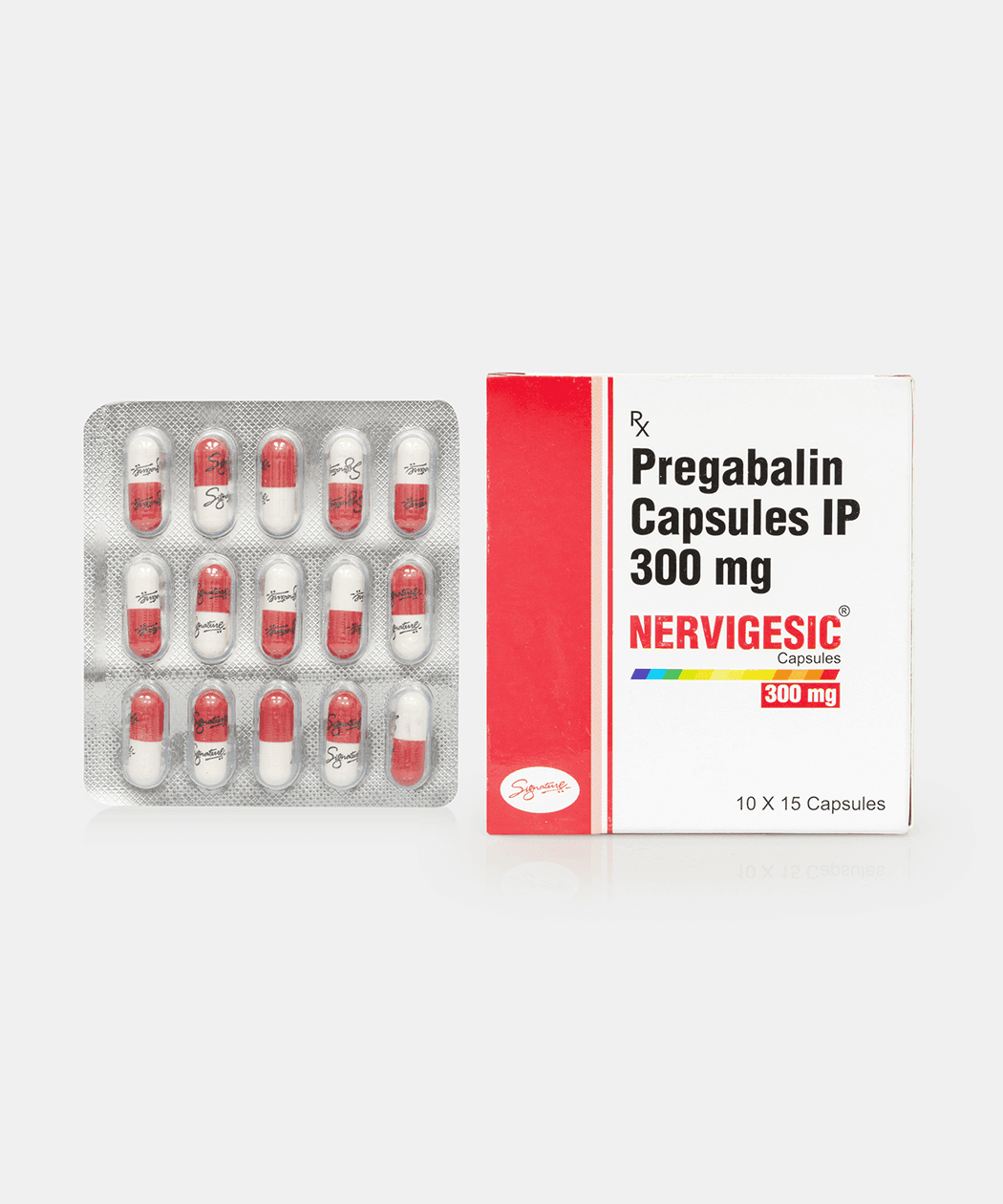
PCT.Zone
Pregabalin
PCT.Zone
Pregabalin
Research
- 2003first citedPregabalin in generalized anxiety disorder: a placebo-controlled trial.
- 2015meta-analysisPharmacotherapy for neuropathic pain in adults: a systematic review and meta-analysis.
- 2018most active year3 papers
- 2025most recentDoes pregabalin offer potential as a first-line therapy for generalized anxiety disorder? A met…
- 1.Pharmacology and mechanism of action of pregabalin: the calcium channel alpha2-delta (alpha2-delta) subunit as a target for antiepileptic drug discovery.
- 2.Mechanism of action of alpha2delta ligands: voltage sensitive calcium channel (VSCC) modulators.
- 3.Pregabalin in generalized anxiety disorder: a placebo-controlled trial.
- 4.Pharmacotherapy for neuropathic pain in adults: a systematic review and meta-analysis.
- 5.Pharmacotherapy of generalized anxiety disorder: focus and update on pregabalin.
- 6.[Pregabalin: new therapeutic contributions of calcium channel alpha2delta protein ligands on epilepsy and neuropathic pain].
- 7.[The alpha2delta subunit of the voltage-dependent calcium channel. A new pharmaceutical target for psychiatry and neurology].
- 8.Pregabalin: From molecule to medicine.
- 9.A systematic review and meta-analysis of pregabalin preclinical studies.
- 10.Pregabalin alleviates neuropathic pain via inhibition of the PKCε/TRPV1 pathway.
- 11.Pregabalin's abuse potential: a mini review focusing on the pharmacological profile.
- 12.Pregabalin monotherapy for epilepsy.
26 listed here; entry last updated August 2026
Reviews
- Works really well for anxiety
Absolutely tanks anxiety; the only con that I have is the heavy drunk effect makes me pretty slow, but enough for me to function well.
0 - makes me dum
feels nice but i feel dum lol. super good for NUKING anxiety if you have some. 600mgs is my sweet spot, i can function normal on 150mgs tho
0 - decent as hell for anxiety
solid for reducing anxiety. makes you feel dumbed down in the moment, mainly due to the a2d vgcc blockade and it’s awesome. no anxiety. no fear whatsoever it’s genuinely smooth and just makes you feel good.
0
My notesprivate to this device
FAQ
What is pregabalin?
It is a gabapentinoid used for anxiety and nerve pain that works by calming overactive calcium channels.
How does it compare with gabapentin?
It is generally smoother and more predictably absorbed than gabapentin.
Does it carry a dependence risk?
Yes, it can cause dependence and withdrawal, so it should be used and tapered under medical guidance.
Is it a prescription medication?
Yes, it is a prescription drug in most countries and a controlled substance in some.
Adverse effects
- Common effects include drowsiness, dizziness, and a feeling of being clouded or sedated
- It can cause weight gain, swelling in the extremities, dry mouth, and blurred vision
- Pregabalin has a recognized potential for dependence and misuse and is a controlled substance in several countries
- Stopping it abruptly can cause a withdrawal syndrome, so it is usually tapered
- Because it is cleared by the kidneys, doses are reduced in people with impaired kidney function