
spec sheet13 rows
Gabapentin is a prototypical gabapentinoid medicine used chiefly as an anticonvulsant and as a treatment for certain forms of nerve-related pain. Structurally it is a cyclic analogue of the inhibitory neurotransmitter GABA, yet despite its name it does not act directly on GABA receptors. First described in the mid-1970s and approved for medical use in the early 1990s, it is prescribed for focal seizures and for postherpetic neuralgia and is used off-label for a range of neuropathic and anxiety-related complaints.
- Quiets overactive nerve signaling
- Aimed at nerve related discomfort
- Takes the edge off anxious tension
- Smooths the path into sleep
- A non-opioid route for neuropathic complaints
- Prescribed since the early 1990s
- Drowsiness
- Dizziness
- Swelling in the limbs
Overview
Gabapentin is an organic compound classified as a gabapentinoid, a small family of drugs that exert their effects at the alpha-2-delta (α2δ) auxiliary subunit of voltage-gated calcium channels [2][3]. Chemically it is a 3,3-disubstituted derivative of gamma-aminobutyric acid (GABA) in which a cyclohexane ring is fused to the amino-acid backbone; this ring makes the molecule more lipophilic than GABA itself while preserving its overall shape. The name reflects that kinship to GABA, although the drug neither binds the GABA receptors nor is converted into GABA within the body [2].
The compound was first synthesized by Gerhard Satzinger and co-workers at the Goedecke laboratories in Germany during the mid-1970s, where it was originally studied as a muscle relaxant and antispasmodic. It reached the market for epilepsy in the early 1990s, gaining approval in the United Kingdom and the United States in 1993, and it later became widely available as an inexpensive generic once patent protection lapsed. It is sold under several brand names, most familiarly Neurontin, and by the 2020s it ranked among the most frequently dispensed prescription medicines in the United States.
Clinically, gabapentin is approved for the adjunctive treatment of focal (partial) seizures and for postherpetic neuralgia, a lingering nerve pain that can follow an episode of shingles. Controlled research pooled in Cochrane systematic reviews indicates that it can deliver worthwhile pain relief to a subset of people with postherpetic neuralgia and painful diabetic neuropathy, while a large share of users obtain little benefit and some experience adverse effects [1]. Beyond its labeled indications it is prescribed off-label for many purposes, among them anxiety, restless legs syndrome, disturbed sleep, hot flashes, and symptom control during alcohol withdrawal; the quality of supporting evidence differs considerably from one use to the next [1].
Gabapentin is taken by mouth and is absorbed through a saturable amino-acid transport system in the gut, so the proportion absorbed falls as the amount ingested rises; this gives it nonlinear, somewhat unpredictable bioavailability compared with the related drug pregabalin. It undergoes little metabolism, binds only weakly to plasma proteins, and is cleared largely unchanged by the kidneys, with an elimination half-life of a few hours. An orally absorbed prodrug, gabapentin enacarbil, was subsequently developed to smooth out that absorption.
At the United States federal level gabapentin is not a controlled substance, but concern over misuse, especially alongside opioids, has prompted several states to reclassify it as a Schedule V controlled substance or to fold it into prescription-monitoring programs [1]. In the United Kingdom it was reclassified as a Class C controlled drug in 2019. Because abrupt discontinuation after prolonged use can provoke rebound symptoms, a gradual reduction in dose is generally advised.
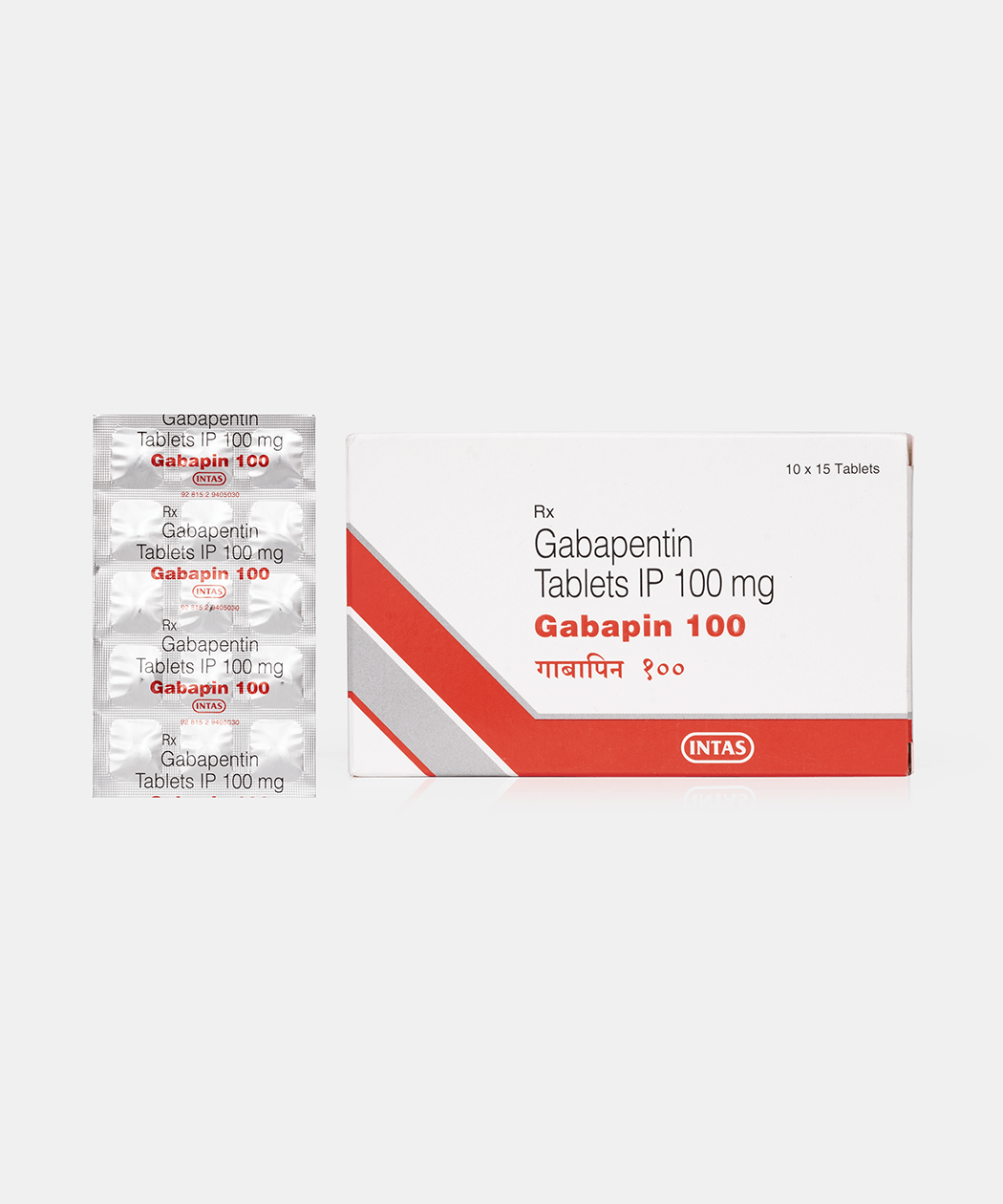
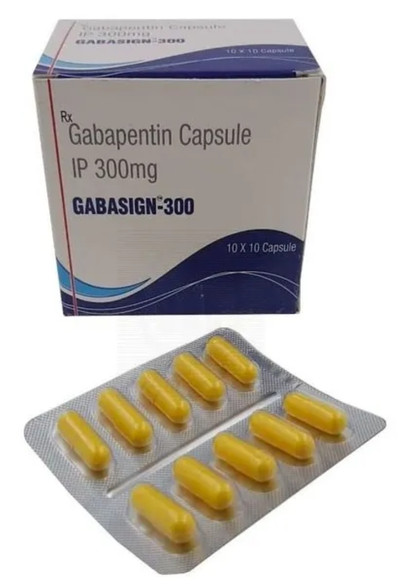
- Despite being designed to mimic the neurotransmitter GABA, gabapentin does not act on GABA receptors at all; its real target is the alpha-2-delta subunit of calcium channels.
- It crosses into the brain by hitching a ride on the system L amino-acid transporter, a route that fits its amino-acid-like structure.
- Because that transporter is saturable, absorption does not rise proportionally with dose, an unusual pharmacokinetic quirk for a widely used medicine.
Mechanism
Although gabapentin was designed as a analogue of , its therapeutic actions do not stem from direct effects on GABA receptors, GABA reuptake, or GABA metabolism [2][4]. Its principal molecular target is the alpha-2-delta (α2δ) auxiliary subunit, chiefly the α2δ-1 isoform, of voltage-gated calcium channels, to which it binds with high affinity [2][3][4]. By occupying this site, gabapentin is thought to reduce the trafficking and function of presynaptic calcium channels, thereby lowering the influx of calcium into nerve terminals that are firing excessively [3][4].
The downstream consequence is a dampened release of excitatory messengers such as , substance P, and noradrenaline, an effect that is believed to underlie both its anticonvulsant activity and its ability to quiet the amplified pain signaling of neuropathic states [2][4]. Because the α2δ subunit also participates in the formation of synapses, research has additionally probed roles for these subunits in connectivity and in the response to nervous-system injury [3]. Gabapentin enters the brain through the system L amino-acid transporter, a route in keeping with its amino-acid-like structure, which helps explain why its central effects track active transport rather than simple diffusion [4].
receptor fingerprint
alpha-2-delta-1 calcium channel subunitbinds
Neuropathic pain signalingdampens
Nervous system excitabilitylowers
Dosingtypical ranges, not medical advice
interested in protocols and clinical dosages? make an account to see them! ^_^
Safetyrisks and cautions, not medical advice
Gabapentin acts at the alpha-2-delta calcium channel subunit and commonly causes sedation, dizziness, and unsteadiness, and sometimes peripheral edema or weight gain. It has recognized dependence and misuse potential, and combining it with opioids or other CNS depressants raises the risk of serious respiratory depression; abrupt discontinuation can trigger withdrawal and, rarely, seizures. Dose reduction is needed in kidney impairment, and it should be tapered rather than stopped suddenly.
Interactionsdocumented pairs only, not exhaustive
Gabapentin produces synergistic analgesic effects with morphine and other opioids; this is a pharmacodynamic interaction where co-administration allows substantial reductions in the morphine dose needed to achieve full analgesia, cutting required morphine concentrations by approximately 30 percent [25]. Gabapentin is found frequently in multi-drug fatalities involving opioids, occurring in 100 percent of cases studied where gabapentin was present; however, the specific contribution of gabapentin to respiratory depression in these deaths remains unknown and warrants further research [26]. Gabapentin does not undergo hepatic metabolism and has minimal pharmacokinetic interactions because it is renally cleared unchanged. The literature lacks studies on gabapentin combined with most other CNS-active drugs aside from opioids.
Checking a whole stack? Run it through interactions + stacks.
History
Gabapentin was created by chemists at Parke-Davis, part of Warner-Lambert, and first described in the mid-1970s. It was deliberately engineered as a lipophilic cyclic analogue of the inhibitory neurotransmitter GABA, the idea being to design a GABA-like molecule capable of crossing the blood-brain barrier to treat spasticity and seizures. Paradoxically, once studied it turned out not to act directly on GABA receptors at all; its therapeutic effects were later traced to high-affinity binding at the alpha-2-delta auxiliary subunit of voltage-gated calcium channels.
The drug received medical approval in the early 1990s, launching under the brand name Neurontin as an add-on treatment for focal seizures, and in 2002 it gained a U.S. indication for postherpetic neuralgia, the nerve pain that can follow shingles. Over time it became one of the most widely prescribed medicines in its class and is used off-label for a broad range of neuropathic pain and anxiety-related complaints. Its history also includes a well-known chapter in pharmaceutical marketing, as its manufacturer faced major legal action over the promotion of off-label uses.
Reputation
Gabapentin has a solid reputation as a first-line option for certain nerve-related pain conditions, particularly postherpetic neuralgia, where it is recommended alongside agents such as pregabalin and tricyclic antidepressants. Prescribers appreciate that it carries no risk of the organ toxicity seen with some older anticonvulsants and that it does not interact with the liver enzymes that complicate many drug regimens.
Patients often value its usefulness for burning, shooting neuropathic pain that responds poorly to conventional painkillers, and it is frequently used off-label for anxiety and restless sleep. Its effects vary considerably from person to person, and it works best when doses are titrated gradually. Common trade-offs include drowsiness, dizziness, and swelling, and awareness has grown about its potential for misuse, especially alongside other sedatives. Taken in context, it remains a widely trusted, flexible tool in the management of neuropathic pain.
Subjective profileweighing the evidence above
Genuinely useful for nerve pain and, for plenty of people, for anxiety and getting to sleep, with a long prescription record behind it. It is not benign: sedation and unsteadiness are common, it has recognized misuse potential, and combining it with opioids raises the risk of respiratory depression.
Where to buy

1 other outlet
Suppliers
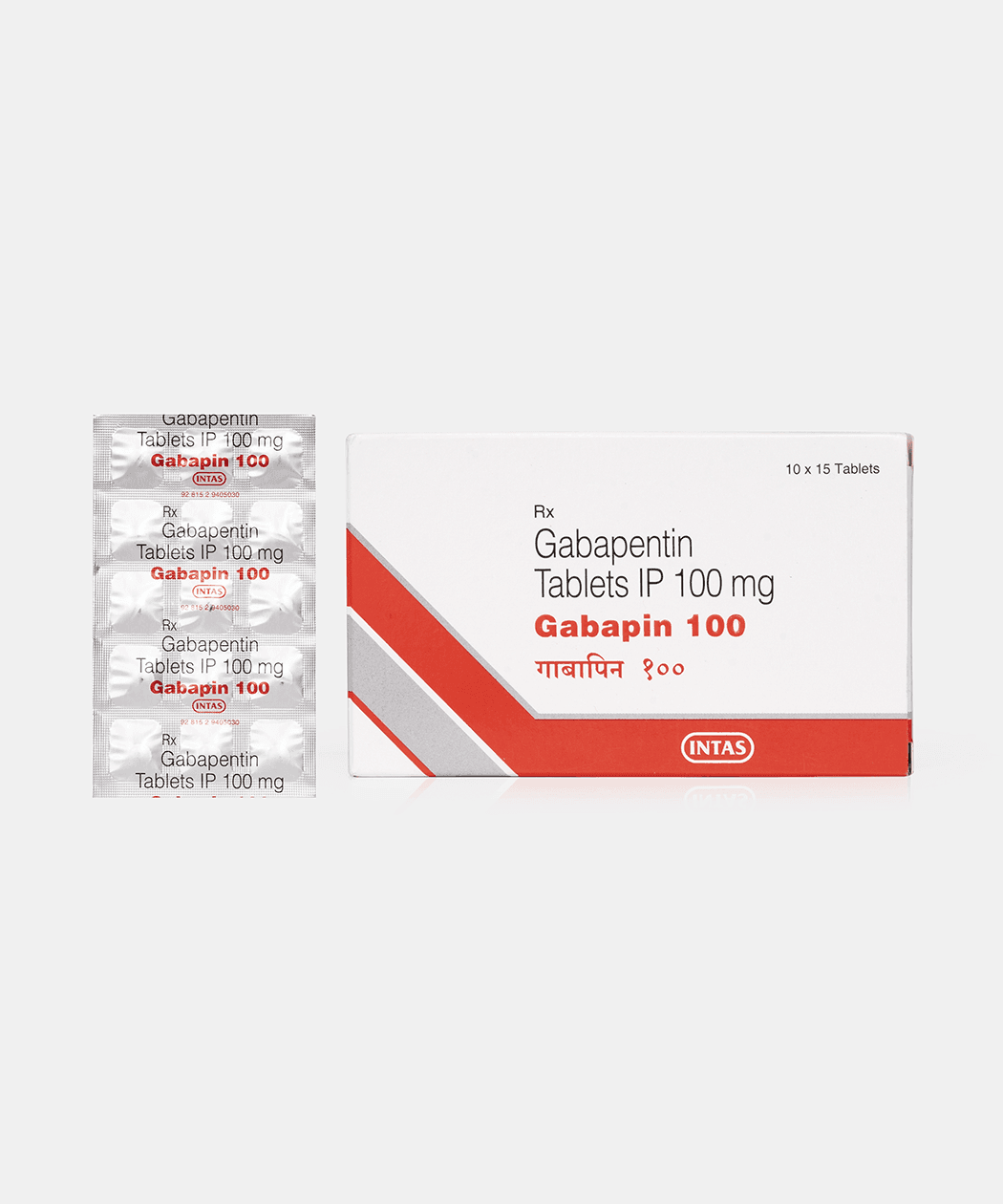
Vendors carrying Gabapentin, with live product details and codes. Links are affiliate links that support the wiki at no cost to you.
PCT.Zone
Gabapentin
RUPharma🌐
Gabapentin
Research
- 1994first citedGabapentin (Neurontin) as add-on therapy in patients with partial seizures: a double-blind, pla…
- 2017most active year3 papers
- 2024most recentA comprehensive review of the typical and atypical side effects of gabapentin.
- 1.Gabapentin for chronic neuropathic pain in adults.
- 2.The diverse therapeutic actions of pregabalin: is a single mechanism responsible for several pharmacological activities?
- 3.Emerging roles for α2δ subunits in calcium channel function and synaptic connectivity
- 4.Pharmacology and mechanism of action of pregabalin: the calcium channel alpha2-delta (alpha2-delta) subunit as a target for antiepileptic drug discovery.
- 5.The novel anticonvulsant drug, gabapentin (Neurontin), binds to the alpha2delta subunit of a calcium channel.
- 6.The anticonvulsant gabapentin (neurontin) does not act through gamma-aminobutyric acid-B receptors.
- 7.Mechanisms of action of gabapentin.
- 8.Gabapentin (neurontin) and S-(+)-3-isobutylgaba represent a novel class of selective antihyperalgesic agents.
- 9.The antiepileptic agent gabapentin (Neurontin) possesses anxiolytic-like and antinociceptive actions that are reversed by D-serine.
- 10.Gabapentin (Neurontin) as add-on therapy in patients with partial seizures: a double-blind, placebo-controlled study. The International Gabapentin Study Group.
- 11.The long-term safety and efficacy of gabapentin (Neurontin) as add-on therapy in drug-resistant partial epilepsy. The US Gabapentin Study Group.
- 12.Gabapentin or pregabalin for the prophylaxis of episodic migraine in adults.
26 listed here; entry last updated August 2026
Reviews
My notesprivate to this device
FAQ
How does it work on nerves?
It binds the alpha-2-delta subunit of voltage-gated calcium channels, dampening excitatory signaling. This is thought to underlie its effects on nerve pain and calm.
Why is its absorption called unpredictable?
It's absorbed by a saturable transport system in the gut, so higher amounts are absorbed less efficiently. This makes its uptake less linear than pregabalin's.
Why do people avoid stopping it abruptly?
Sudden discontinuation of gabapentinoids can trigger rebound symptoms. Tapering under guidance is the usual approach.
Can it make you sleepy?
Drowsiness and dizziness are among its most common effects. Many people notice it more at the start of use.
Adverse effects
- Drowsiness
- Dizziness
- Swelling in the limbs
- Unsteady coordination