
spec sheet13 rows
GABA (gamma-aminobutyric acid) is the main inhibitory neurotransmitter in the mature mammalian central nervous system, where it lowers the excitability of nerve cells. The same molecule is sold as a dietary supplement marketed for relaxation, stress, and sleep. A long-standing point of debate is that orally taken GABA does not readily cross the blood-brain barrier, so how supplements produce their reported calming effects is not fully settled and may involve the peripheral nervous system and the gut rather than direct action in the brain.
- The brain's own braking signal, sold in its exact form
- Plenty of people simply feel calmer within the hour
- Non habit forming, and very light on side effects
- The calm may run through the gut and peripheral nerves
- Cheap and gentle, so a one week self test costs almost nothing
- Occasional tingling or flushing sensation
- Mild, short-lived drop in blood pressure in some people
- Drowsiness, especially alongside other calming agents
Overview
GABA is a small signaling molecule that carries both an amine group and a carboxylic acid group, but because the amine is not attached to the alpha carbon it is not one of the amino acids used to build proteins [2]. In the adult brain it is the principal inhibitory transmitter, providing the counterbalance to excitatory signaling and helping to set the overall tone of neural activity [2]. The body makes GABA mainly from the excitatory transmitter glutamate through the enzyme glutamate decarboxylase, a reaction that depends on vitamin B6 as a cofactor [2].
GABA was first prepared chemically in the late nineteenth century, but its importance in the nervous system only became clear in the mid-twentieth century, when researchers identified it in brain tissue around 1950 and then recognized it as the inhibitory "Factor I" of nervous tissue extracts later that decade [2]. It signals through two receptor families: the fast-acting GABA-A receptors, which are ligand-gated chloride channels, and the slower GABA-B receptors, which are G protein-coupled [2].
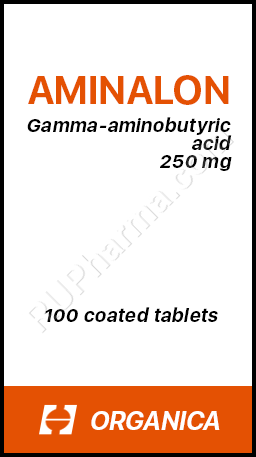
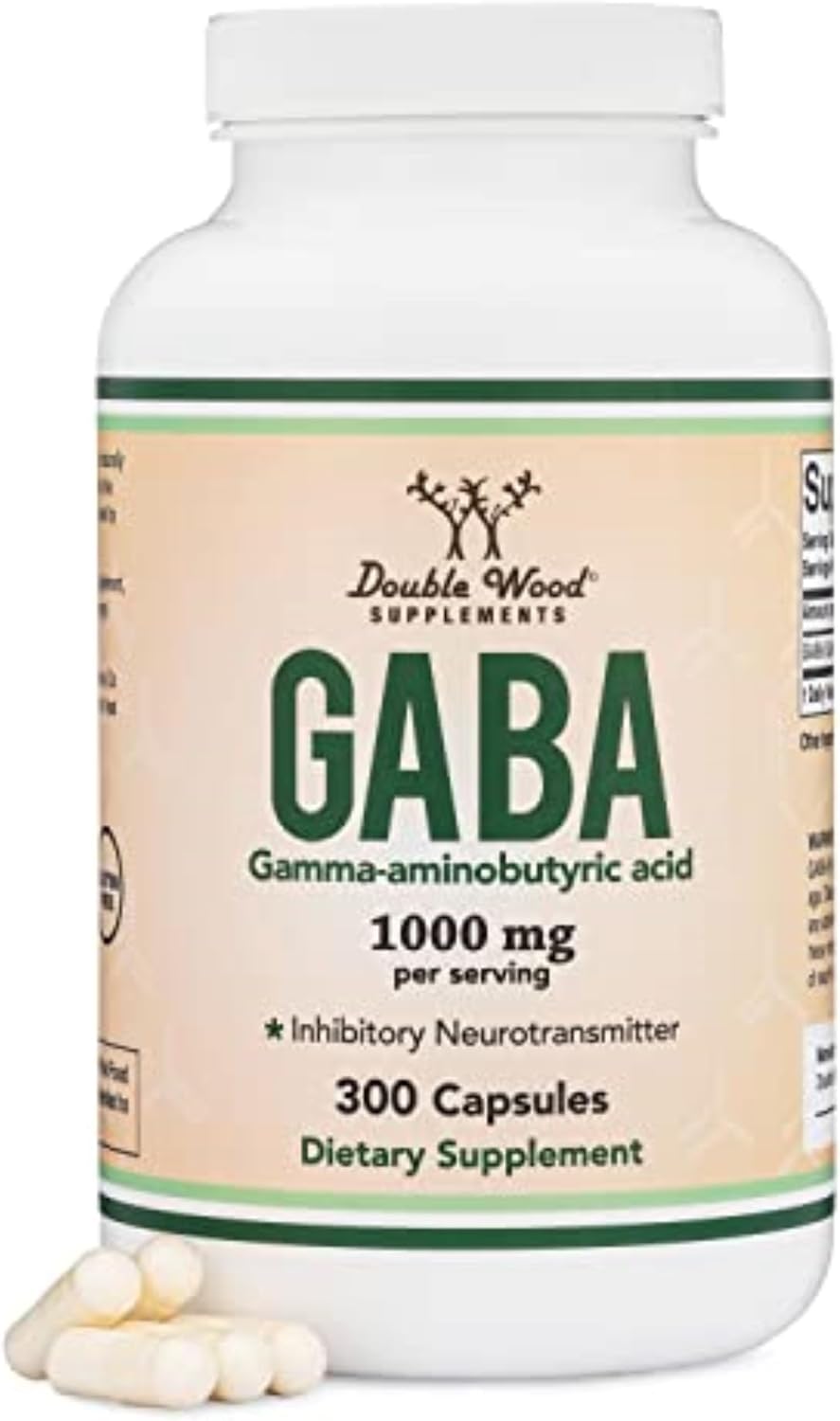
As a supplement, GABA is widely available in powders and capsules and is promoted for calmness, stress relief, and sleep [2]. The central puzzle is delivery: for decades GABA was considered unable to cross the blood-brain barrier, and reviews note that the human evidence on this point is mixed and often comes from studies with commercial ties [2]. Small human trials have nonetheless reported measurable effects, such as a shift toward alpha brain-wave activity and lower stress markers after intake [1], and a placebo-controlled trial in sedentary women linked daily GABA to better sleep efficiency, improved mood, and higher heart-rate variability [4].
Where felt effects do occur, researchers suggest they may arise outside the brain, for example through GABA receptors in the gut and on the vagus nerve, which can relay signals to the brain; animal work shows dietary GABA activating vagal afferent nerves after a meal [3]. GABA is regulated as a food supplement in many countries and also occurs naturally in fermented foods; supplement material is produced either by bacterial fermentation or by chemical synthesis [2].
Mechanism
reduces the likelihood that neurons will fire by acting on two receptor types. GABA-A receptors are -gated chloride channels that hyperpolarize the cell when they open, while GABA-B receptors are G protein-coupled receptors that act more slowly through potassium and calcium channels; together they dampen neuronal excitability [2]. The difficulty with oral supplements is that is a small, charged molecule that appears to cross the poorly, so swallowed GABA may not raise brain levels by much [2].
Proposed explanations for the calming effects some users report include actions on the enteric nervous system in the gut, effects on peripheral receptors, and signaling to the brain by way of vagal afferent nerves [3]. Human studies have documented increased alpha-wave activity and reduced stress responses after intake [1], along with improvements in sleep and autonomic balance in a controlled trial [4].
receptor fingerprint
-A receptorsagonist
poorly crosses
-B receptorsagonist
Enteric nervous systemmodulates
Dosingtypical ranges, not medical advice
interested in protocols and clinical dosages? make an account to see them! ^_^
Safetyrisks and cautions, not medical advice
Oral GABA is generally regarded as safe and well tolerated, with occasional reports of tingling, flushing, or mild drops in blood pressure at higher doses. It is not associated with serious risks in typical supplemental amounts. Combining it with sedatives could theoretically add to relaxation.
History
Gamma-aminobutyric acid was identified in the mammalian brain in 1950, when Eugene Roberts and Sam Frankel at Washington University School of Medicine used newly developed chromatography to detect it in protein-free brain extracts and showed it is formed from glutamic acid. At nearly the same time Jorge Awapara independently reported the same unidentified amino acid, and several 1950 studies converged on GABA's abundance in amphibian and mammalian brain. Its function was long debated until 1957, when Canadian researchers showed that an inhibitory factor acting on crayfish neurons was in fact GABA, cementing its status as the central nervous system's principal inhibitory neurotransmitter. GABA is now sold as an over-the-counter supplement, though its ability to cross the blood-brain barrier when taken orally remains contested.
Subjective profileweighing the evidence above
Real neurotransmitter, questionable oral delivery; some people feel calmer but expectations are best kept modest.
Where to buy

2 other outlets

Suppliers
Vendors carrying GABA, with live product details and codes. Links are affiliate links that support the wiki at no cost to you.
RUPharma🌐
GABA
Amazon
GABA
iHerb
GABA
Research
- 2006first citedRelaxation and immunity enhancement effects of gamma-aminobutyric acid (GABA) administration in…
- 2024most recentGABA Supplementation, Increased Heart-Rate Variability, Emotional Response, Sleep Efficiency an…
- 1.Relaxation and immunity enhancement effects of gamma-aminobutyric acid (GABA) administration in humans
- 2.Neurotransmitters as food supplements: the effects of GABA on brain and behavior
- 3.Dietary Gamma-Aminobutyric Acid (GABA) Induces Satiation by Enhancing the Postprandial Activation of Vagal Afferent Nerves
- 4.GABA Supplementation, Increased Heart-Rate Variability, Emotional Response, Sleep Efficiency and Reduced Depression in Sedentary Overweight Women Undergoing Physical Exercise: Placebo-Controlled, Randomized Clinical Trial.
4 listed here; entry last updated August 2026
Reviews
My notesprivate to this device
FAQ
Does oral GABA reach the brain?
Poorly. It does not cross the blood-brain barrier well, which is why its effects are debated.
Why do some people still feel calmer?
It may act on the gut and peripheral nerves, signaling the brain indirectly.
Is it addictive?
No, plain GABA supplements are not considered habit-forming.
When should I take it?
Most people use it in the evening for relaxation or sleep.
Adverse effects
- Occasional tingling or flushing sensation
- Mild, short-lived drop in blood pressure in some people
- Drowsiness, especially alongside other calming agents
Notes and cautions
- Generally well tolerated in the amounts found in supplements
- Effects are often subtle or inconsistent between individuals