
spec sheet11 rows
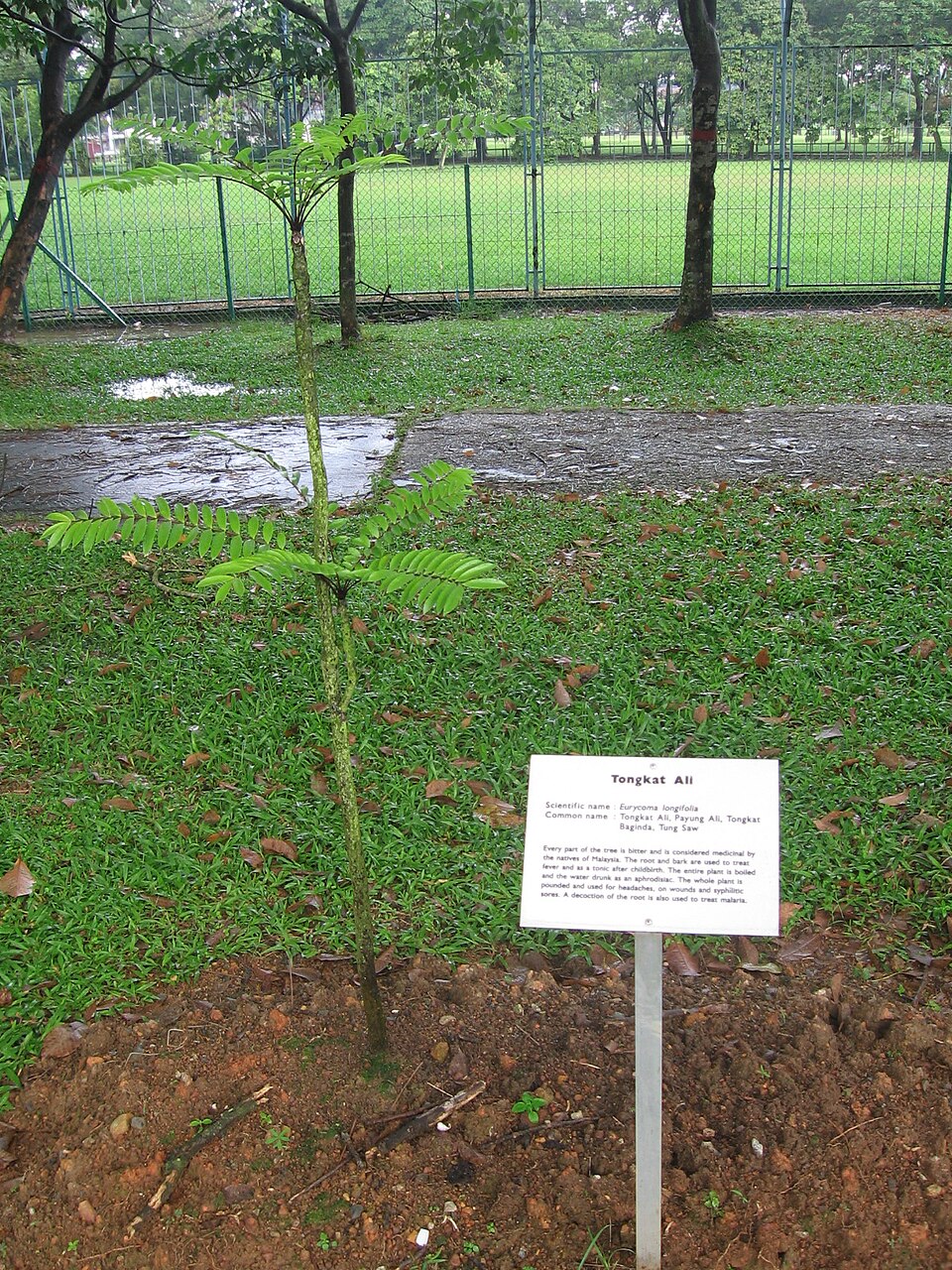
Tongkat ali is the common name for Eurycoma longifolia, a flowering shrub of the family Simaroubaceae native to Southeast Asia, whose roots are used in traditional medicine and sold as a dietary supplement [1]. It is widely marketed for claims about testosterone, male fertility, libido, and physical performance, though the supporting clinical evidence is mixed and largely preliminary [1][3]. The plant contains a range of bioactive compounds known as quassinoids, including eurycomanone.
- a traditional Southeast Asian root with modern human trials
- improved libido is its most consistent finding
- lowers cortisol and builds stress resilience
- a modest rise in free testosterone
- better mood, wellbeing and gym drive
- buy a properly standardized extract and it earns its keep
- Usually mild; reported effects include nausea, stomach upset, and headache
- Restlessness or difficulty sleeping has been reported by some users
- Rare cases of liver injury have been described, mostly with multi-ingredient bodybuilding products
Overview
Tongkat ali refers to Eurycoma longifolia, a slender, medium-sized tree or shrub in the family Simaroubaceae that grows across Indochina and the Malay Archipelago, including Malaysia, Indonesia, Thailand, and Vietnam [1]. Its long taproot has a bitter taste and has been used for centuries in Southeast Asian folk medicine, where preparations of the root, bark, flowers, and fruit were employed for fevers and malaria, dysentery, aches, and as a general tonic and aphrodisiac [1][2]. In modern usage it is best known as a herbal supplement taken by athletes and by older men.
The root contains dozens of phytochemicals, among them quassinoids such as eurycomanone, eurycomalactone, and eurycomanol, along with alkaloids, coumarins, and other constituents, several of which show biological activity in the laboratory [2]. Research interest has centered on the plant's reputed effects on male hormones and vitality. Some small randomized and animal studies report improvements in testosterone levels, sperm quality, erectile function, or markers of stress, particularly in men with low baseline testosterone or under physical strain [3][4], while an evidence-based systematic review concluded that the overall quality of the human data is limited and that many claims remain insufficiently proven [1]. Laboratory work has also identified anti-inflammatory constituents that inhibit the NF-κB signaling pathway [2].
Eurycoma longifolia is sold internationally as a dietary supplement rather than an approved medicine, and certain standardized extracts have obtained generally recognized as safe status in the United States [1]. Reported side effects are usually mild and may include nausea, digestive upset, and headache, though rare cases of liver injury have been described, mostly among bodybuilders using multi-ingredient products. Quality and adulteration have been recurring concerns; surveys have found some commercial products contaminated with heavy metals such as mercury, and regulators have acted against supplements spiked with undeclared prescription erectile dysfunction drugs. Because harvesting typically requires uprooting the whole plant, sustainability has become an issue, prompting cultivation programs in producing countries.

Mechanism
The biological effects attributed to tongkat ali are linked chiefly to its quassinoid constituents, especially eurycomanone [2]. In laboratory and animal studies these compounds have been proposed to support testosterone by acting on the hypothalamic-pituitary-gonadal axis and by influencing steroid metabolism; suggested actions include stimulating the release of luteinizing hormone, shifting the conversion of precursor steroids toward testosterone, and freeing bound testosterone from sex hormone-binding globulin, though these mechanisms are drawn largely from preclinical work [1][3].
Animal experiments have shown that root extract can raise sperm counts and motility and can partly counter the suppression of spermatogenesis caused by exposure, consistent with a pro-fertility effect [4]. Separate research points to anti-inflammatory activity: bioassay-guided isolation identified quassinoids and certain alkaloids from the root as inhibitors of NF-κB, a master regulator of inflammatory gene expression, with the most active compounds working at low micromolar concentrations [2]. Proposed effects on stress and mood have been tied to modest reductions in the stress hormone , but the human evidence for these mechanisms remains limited and not fully consistent [1].
receptor fingerprint
reduces
Free testosterone / SHBG bindingfrees bound testosterone
Steroidogenesis (eurycomanone)supports
Libido and sexual functionenhances
Dosingtypical ranges, not medical advice
interested in protocols and clinical dosages? make an account to see them! ^_^
Safetyrisks and cautions, not medical advice
Generally well tolerated in studies at standardized doses, with occasional reports of insomnia, restlessness, or irritability, likely tied to its activating and hormonal effects. Because it can shift hormones, people with hormone-sensitive conditions or those on hormonal therapy should be cautious. Quality and heavy-metal contamination have been concerns with some cheap sources, so third-party tested extracts matter. Long-term human safety data are still limited.
Where to buy
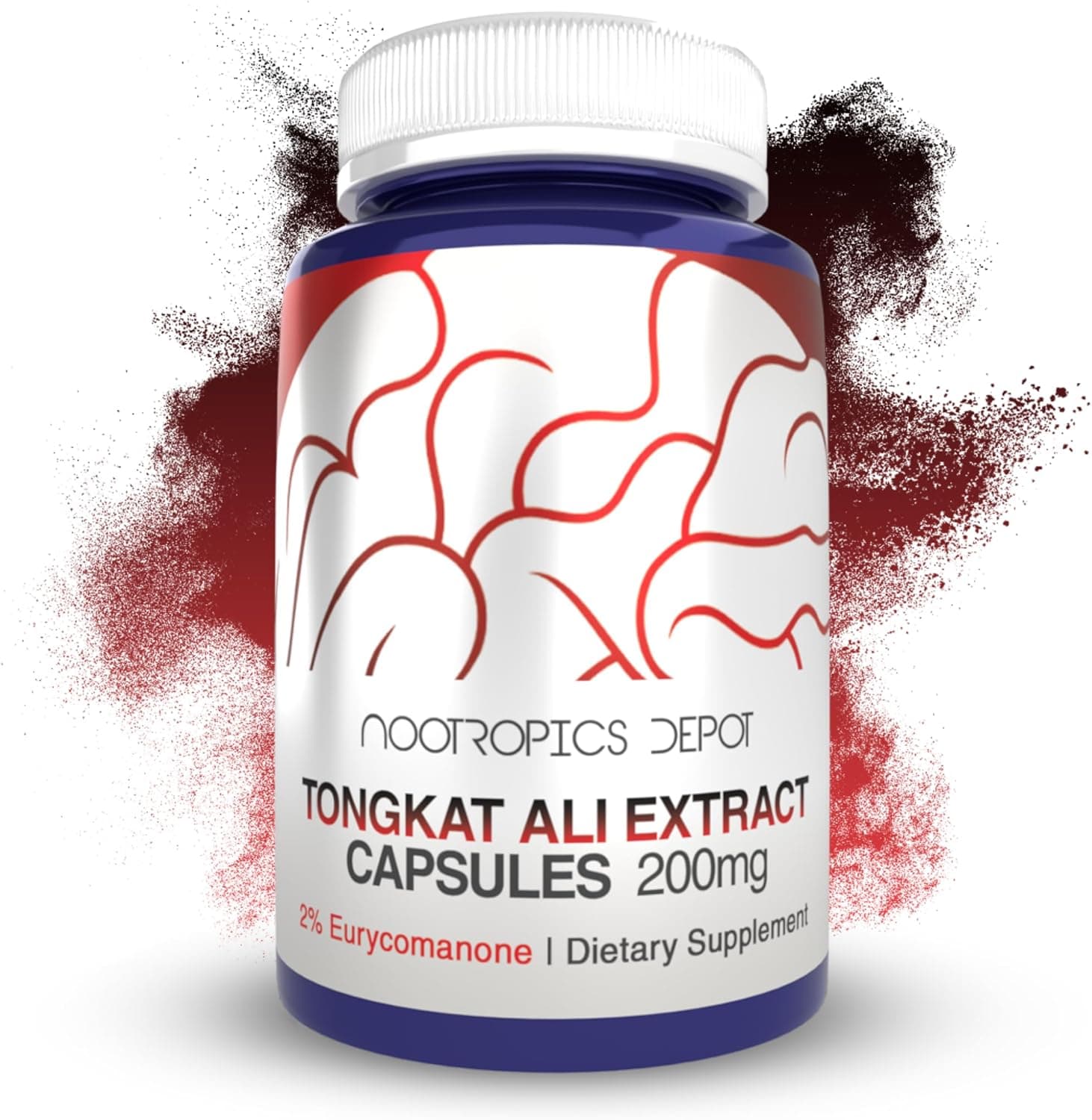
Suppliers
Vendors carrying Tongkat Ali, with live product details and codes. Links are affiliate links that support the wiki at no cost to you.
Amazon
Tongkat Ali
Research
- 2010first citedThe effect of eurycoma longifolia Jack on spermatogenesis in estrogen-treated rats.
- 2021most recentA 6-month, double-blind, placebo-controlled, randomized trial to evaluate the effect of Eurycom…
- 1.An evidence-based systematic review of tongkat ali (Eurycoma longifolia) by the Natural Standard Research Collaboration.
- 2.NF-κB inhibitors from Eurycoma longifolia.
- 3.A 6-month, double-blind, placebo-controlled, randomized trial to evaluate the effect of Eurycoma longifolia (Tongkat Ali) and concurrent training on erectile function and testosterone levels in androgen deficiency of aging males (ADAM).
- 4.The effect of eurycoma longifolia Jack on spermatogenesis in estrogen-treated rats.
4 listed here; entry last updated August 2026
Reviews
My notesprivate to this device
FAQ
Does Tongkat Ali actually raise testosterone?
In studies with standardized extract it produces modest increases in free testosterone, partly by lowering cortisol and freeing SHBG-bound testosterone. It's not a steroid; effects are moderate.
What standardization should I look for?
Look for a eurycomanone percentage (often around 2 percent) or a defined extract ratio. Unstandardized 'root powder' is a coin flip.
Should I cycle it?
Many people cycle it (for example 5 days on, 2 off, or breaks every few weeks) since long-term data are limited, though continuous use is common too.
Can women take it?
Some do for libido and energy, but most research is in men and the hormonal effects warrant caution. Check with a professional if hormone-sensitive.
Will it keep me up at night?
It can, because it's mildly activating and lowers cortisol during the day. Taking it in the morning fixes this for most people.
Limitations of the evidence
- Not recommended during pregnancy, and long-term safety has not been well studied
Adverse effects
- Usually mild; reported effects include nausea, stomach upset, and headache
- Restlessness or difficulty sleeping has been reported by some users
- Rare cases of liver injury have been described, mostly with multi-ingredient bodybuilding products
Notes and cautions
- Commercial products have sometimes been adulterated with heavy metals or undeclared prescription drugs, so source quality matters