
spec sheet11 rows
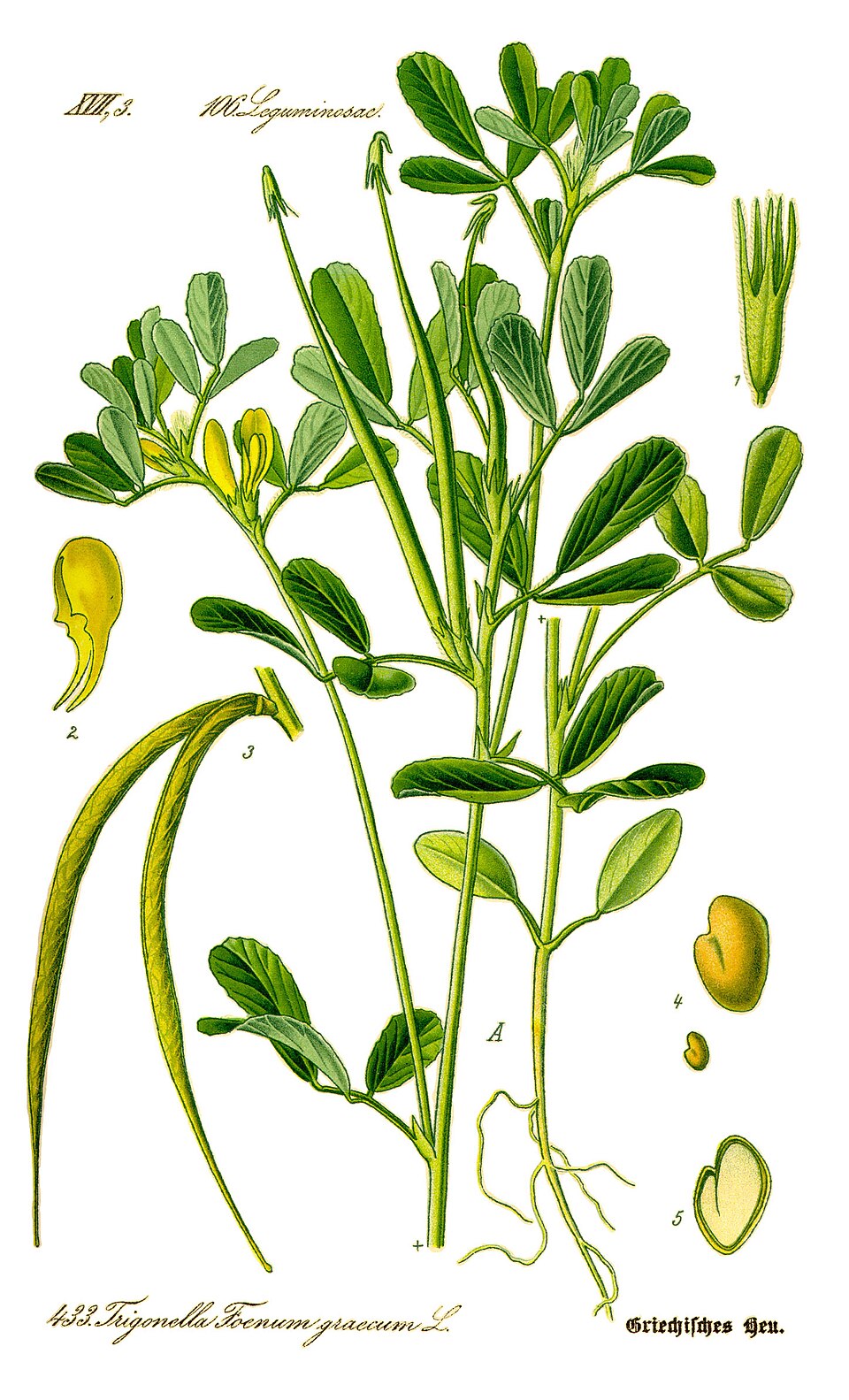
Fenugreek (Trigonella foenum-graecum) is an annual legume whose aromatic seeds and leaves are used worldwide as a spice and in traditional medicine. Its seeds, which carry a maple-like aroma, are taken as a dietary supplement marketed for blood sugar, cholesterol, testosterone and milk production in nursing mothers. High-quality clinical evidence for most of these uses is still limited.
- a kitchen spice with real human trial data behind it
- improves libido and sexual function in clinical work
- keeps blood sugar steadier after a meal
- soluble fiber and antioxidant activity in one seed
- possible androgen support; a nudge rather than a surge
- Digestive upset, gas or diarrhea
- Possible allergy in people sensitive to peanuts or chickpeas
- May add to the effect of blood-sugar-lowering or blood-thinning drugs
Overview
Fenugreek, known botanically as Trigonella foenum-graecum, is an annual plant in the legume family (Fabaceae), with leaves made up of three small leaflets and slender pods containing hard, aromatic seeds [1]. It is thought to have originated in the Near East and has been cultivated since antiquity as a food, spice and forage crop [1]. The seeds and leaves are staples of many cuisines; the seeds carry a distinctive maple-syrup aroma, and both seeds and greens flavor curries, spice blends and pickles [1].
Beyond the kitchen, fenugreek is sold as a dietary supplement in the form of powdered seeds, capsules, teas and extracts [1]. Traditional and modern uses have centered on lowering blood sugar and cholesterol, supporting milk production during breastfeeding, and, more recently, raising testosterone and libido in men [1][2]. Its seeds are rich in soluble fiber and contain bioactive compounds including the alkaloid trigonelline, steroidal saponins, flavonoids and the amino acid 4-hydroxyisoleucine, which are credited with many of its reported effects [1].
The clinical evidence is mixed and generally preliminary. Reviews describe hypoglycemic, cholesterol-lowering and antioxidant actions for fenugreek and its constituents, mostly from laboratory and animal work with some supportive human studies [1]. A double-blind, randomized trial of a standardized seed extract reported improvements in symptoms of low testosterone, in sexual function and in measured testosterone levels in healthy older men, illustrating the interest in its hormonal effects, though results across products and studies are not uniform [2].
Fenugreek is regulated as a food and dietary supplement rather than as a drug, and culinary amounts are widely regarded as safe [1]. A review of its toxicology, however, notes potential concerns, including allergic cross-reactivity in people allergic to peanuts or chickpeas, gastrointestinal upset, additive effects with blood-sugar-lowering or anticoagulant drugs, and a caution against medicinal use during pregnancy because of effects seen in animal studies [3].

Mechanism
Fenugreek does not have one single mechanism; its effects are attributed to a combination of constituents in the seed [1]. Its high content of soluble galactomannan fiber slows the absorption of carbohydrates from the gut, which helps blunt rises in blood sugar, while the amino acid 4-hydroxyisoleucine has been reported to promote secretion, both of which may contribute to its glucose-lowering action [1].
The same viscous fiber can bind bile acids and reduce cholesterol absorption, offering an explanation for its lipid-lowering effect [1]. The steroidal saponins in the seed are the compounds most often proposed to underlie its influence on testosterone and libido, and a standardized extract has been linked with higher measured testosterone in men, although the precise pathway is not fully established [2]. The alkaloid trigonelline and various flavonoids contribute antioxidant activity [1].
receptor fingerprint
Libido / sexual functionimproves
Post-meal blood glucoselowers
Aromatase / 5-alpha-reductaseinhibits
Testosterone levelsmodulates
Reactive oxygen speciesreduces
Dosingtypical ranges, not medical advice
interested in protocols and clinical dosages? make an account to see them! ^_^
Safetyrisks and cautions, not medical advice
Generally well tolerated; common effects are GI upset, gas, and a distinctive maple-syrup smell to sweat and urine. Because it can lower blood sugar, it can add to diabetes medications, and its fiber can reduce absorption of some drugs taken at the same time. It may have mild blood-thinning activity and isn't recommended in pregnancy at supplemental doses.
Subjective profileweighing the evidence above
A reasonable libido and blood-sugar herb with real human data; just don't expect big testosterone jumps, and mind the sweet-smelling sweat.
Where to buy
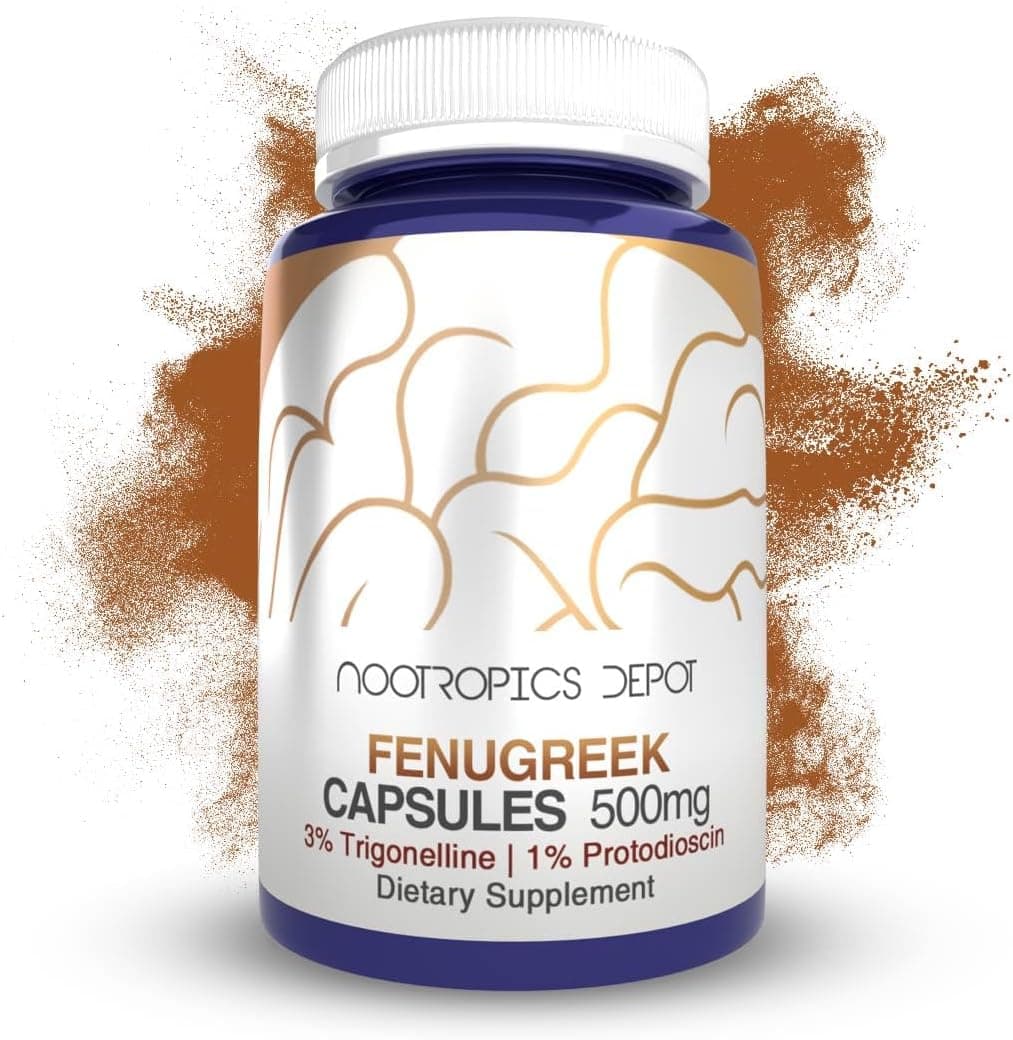
1 other outlet
Suppliers
Vendors carrying Fenugreek, with live product details and codes. Links are affiliate links that support the wiki at no cost to you.
Amazon
Fenugreek
Amazon
Fenugreek
Research
- 1.A review on therapeutic potentials of Trigonella foenum graecum (fenugreek) and its chemical constituents in neurological disorders: complementary roles to its hypolipidemic, hypoglycemic, and antioxidant potential
- 2.Testofen, a specialised Trigonella foenum-graecum seed extract reduces age-related symptoms of androgen decrease, increases testosterone levels and improves sexual function in healthy aging males in a double-blind randomised clinical study
- 3.Toxicological properties of fenugreek (Trigonella foenum graecum)
3 listed here; entry last updated August 2026
Reviews
My notesprivate to this device
FAQ
Does fenugreek boost testosterone?
The evidence is mixed; some studies show a small bump, others none, and part of the libido effect may not depend on testosterone at all.
Does it really help libido?
Yes, standardized extracts have some of the better human data among libido herbs.
Why does my sweat smell like maple syrup?
That's a harmless, well-known side effect of fenugreek's aroma compounds.
Can it lower blood sugar?
Yes, its soluble fiber blunts post-meal spikes, so watch for additive effects with diabetes meds.
How much should I take?
Around 500 to 600 mg of a standardized extract daily, with meals.
Adverse effects
- Digestive upset, gas or diarrhea
- Possible allergy in people sensitive to peanuts or chickpeas
- May add to the effect of blood-sugar-lowering or blood-thinning drugs
- Medicinal doses are discouraged in pregnancy
Notes and cautions
- Generally well tolerated in culinary amounts
- Maple-like odor in sweat or urine