
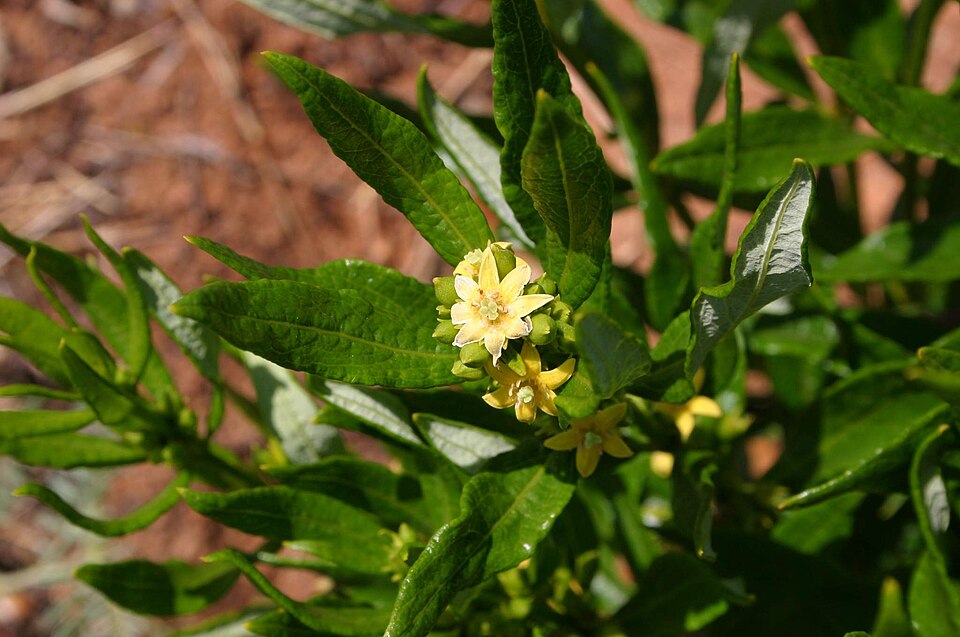
spec sheet10 rows
Fadogia agrestis is a shrub in the coffee family (Rubiaceae) native to West Africa, where its stem has a traditional reputation as an aphrodisiac. It has become popular as a dietary supplement marketed for raising testosterone and libido. The evidence behind those claims comes almost entirely from animal studies, and its safety in humans has not been established.
- a West African shrub with a long aphrodisiac tradition
- rodent studies show clear jumps in testosterone and libido
- a staple ingredient in natural testosterone stacks
- cheap enough to run in short, curious cycles
- the rodent data is the draw; human trials have not run yet
- Signs of testicular toxicity in animal studies
- Liver and kidney enzyme changes reported in rats
Overview
Fadogia agrestis is a flowering shrub belonging to the Rubiaceae, the botanical family that also includes coffee, and it grows in the savannas of West and sub-Saharan Africa [1]. In traditional medicine, particularly in Nigeria, a water extract of the stem has long been used as an aphrodisiac and a remedy for erectile difficulty [1]. In more recent years the plant has been sold internationally as a dietary supplement, usually promoted for boosting testosterone, libido and drive.
The scientific basis for these uses rests on animal research rather than human trials. In a study in male rats, an aqueous stem extract raised serum testosterone and improved measures of sexual behavior, and a phytochemical screen of the extract found alkaloids and saponins together with smaller amounts of anthraquinones and flavonoids [1]. A later experiment reported that the same extract could restore markers of the nitric-oxide signaling pathway in the penile and testicular tissue of rats with drug-induced erectile dysfunction [4]. No controlled clinical trials in people have confirmed these effects, so the supplement's benefits in humans remain unproven.
Safety is a significant concern. When rats were dosed for several weeks, the extract altered indicators of testicular function in ways interpreted as harmful to the testes, with only partial recovery at the lowest amount tested [2]. Other work found changes in liver and kidney enzyme markers and a rise in a marker of oxidative membrane damage, suggesting the extract can injure these organs [3]. Because of findings like these, and the absence of human safety data, researchers have repeatedly stressed that clinical trials would be needed before the plant could be recommended.
Fadogia agrestis is not an approved medicine and is not regulated as a drug; where it is sold, it is offered as an unregulated botanical dietary supplement, meaning its purity, potency and long-term safety are not verified by any regulator [1]. The gap between its traditional and commercial popularity on one side and the thin, animal-only evidence base on the other is the central caution surrounding it.

Mechanism
The proposed mechanism of Fadogia agrestis centers on testosterone. In male rats, giving an aqueous stem extract raised circulating testosterone, and the improvement in mounting and other sexual behaviors seen in those animals was attributed to this hormonal rise [1]. The plant contains saponins and alkaloids, and such compounds are often suggested to stimulate the testes or the hormonal axis, although the precise molecular target within Fadogia has not been clearly identified [1]. Separate animal work indicates that the extract can influence the nitric-oxide and cyclic-GMP pathway, the same signaling route involved in penile erection, restoring related biochemical markers in rats with induced erectile dysfunction [4]. Importantly, these mechanisms have been shown only in animals, and whether they operate the same way in humans is unknown [2].
receptor fingerprint
Luteinizing hormone signalingmimics
Leydig cells / testosteroneincreases
Testicular tissuedamages
Libido / sexual behaviorincreases
Dosingtypical ranges, not medical advice
interested in protocols and clinical dosages? make an account to see them! ^_^
Safetyrisks and cautions, not medical advice
This is the weak spot: rodent studies showed testicular toxicity at higher doses, and there's essentially no human safety data to lean on. Because of that, long-term or high-dose use should be treated as risky and cycled conservatively. It shouldn't be combined blindly with other hormonal agents, and anyone with fertility goals should be especially cautious.
Subjective profileweighing the evidence above
Intriguing but genuinely under-researched and with rodent toxicity red flags; keep doses low, cycles short, and expectations modest.
Where to buy
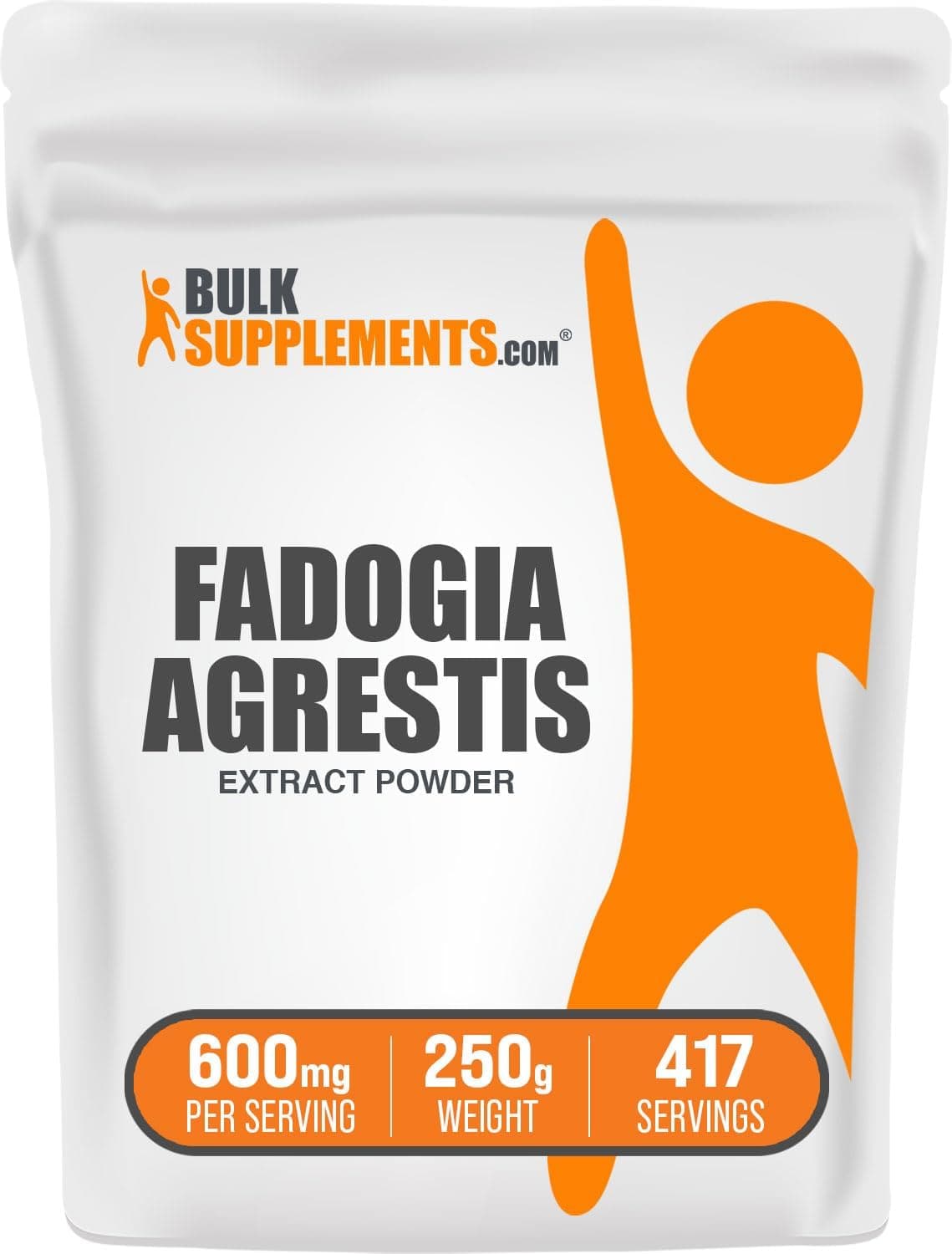
Suppliers
Vendors carrying Fadogia Agrestis, with live product details and codes. Links are affiliate links that support the wiki at no cost to you.
Amazon
Fadogia Agrestis
Research
- 2005first citedAphrodisiac potentials of the aqueous extract of Fadogia agrestis (Schweinf. Ex Hiern) stem in…
- 2023most recentFadogia agrestis (Schweinf. Ex Hiern) Stem Extract Restores Selected Biomolecules of Erectile D…
- 1.Aphrodisiac potentials of the aqueous extract of Fadogia agrestis (Schweinf. Ex Hiern) stem in male albino rats.
- 2.Effects of oral administration of aqueous extract of Fadogia agrestis (Schweinf. Ex Hiern) stem on some testicular function indices of male rats.
- 3.Mode of cellular toxicity of aqueous extract of Fadogia agrestis (Schweinf. Ex Hiern) stem in male rat liver and kidney.
- 4.Fadogia agrestis (Schweinf. Ex Hiern) Stem Extract Restores Selected Biomolecules of Erectile Dysfunction in the Testicular and Penile Tissues of Paroxetine-Treated Wistar Rats.
4 listed here; entry last updated August 2026
Reviews
My notesprivate to this device
FAQ
Does Fadogia raise testosterone?
It appears to in rodents by mimicking luteinizing hormone, but there's no solid human evidence yet.
Is it safe?
That's the concern; rodent studies showed testicular toxicity at higher doses and there's no real human safety data.
How should I cycle it?
If you use it at all, keep doses low and cycles short, like a few weeks on and then off.
Can it hurt fertility?
Possibly, given the rodent testicular findings, so anyone trying to conceive should be cautious.
Why is it so popular?
Mostly podcast and influencer hype rather than strong human research.
Limitations of the evidence
- Human safety not established
- No controlled human trials
Adverse effects
- Signs of testicular toxicity in animal studies
- Liver and kidney enzyme changes reported in rats
Notes and cautions
- Sold as an unregulated supplement of uncertain purity