
spec sheet10 rows
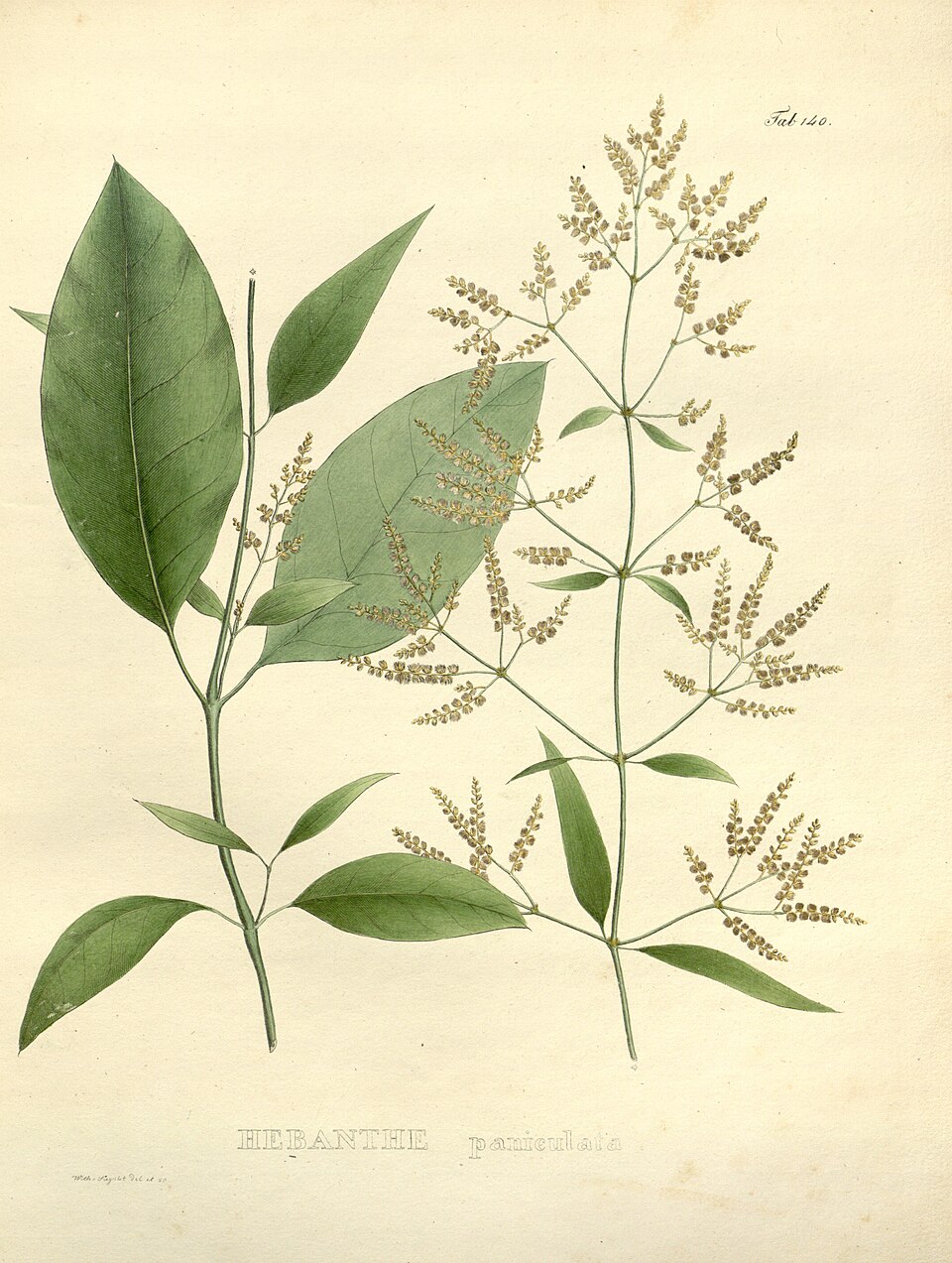
Suma, known botanically as Hebanthe eriantha and often as Pfaffia paniculata, is a South American vine of the amaranth family whose root is used in traditional Brazilian herbal medicine. Popularly called Brazilian ginseng and nicknamed para tudo, meaning for everything, it is taken as a general tonic and adaptogen and reputed aphrodisiac. Its root contains distinctive saponins known as pfaffosides along with plant sterols, and most research to date has been in cell and animal studies rather than human trials.
- Adaptogenic stress support
- Traditional energy tonic
- Possible libido support
- Mild anti-inflammatory
- not well studied for safety in pregnancy, so caution is advised
Overview
Suma is a rambling ground vine native to South America, classified in the family Amaranthaceae. Its accepted botanical name is Hebanthe eriantha, though it has long been known in commerce and research as Pfaffia paniculata, and several related species of the genera Pfaffia and Hebanthe are sold interchangeably under the same common name [1]. In Brazil it is called suma or Brazilian ginseng, and it carries the folk nickname para tudo, literally for everything, reflecting its reputation as a cure-all tonic [1]. The part used is the root.
In South American folk medicine suma root has traditionally been used as a restorative tonic and adaptogen, taken for fatigue, stress, and low immunity, and as an aphrodisiac and an aid for various ailments [1][3]. The comparison to ginseng reflects this role as a general strengthening remedy rather than any botanical relationship, since suma is unrelated to the true ginsengs of the genus Panax.
Chemical study of the root has identified a range of constituents, including plant sterols such as beta-sitosterol and stigmasterol, the triterpene pfaffic acid and its sugar-bound forms called pfaffosides, saponins, and allantoin [2]. Pfaffic acid is often treated as a marker compound for authentic Hebanthe eriantha and is used to distinguish it from other plants sold as Brazilian ginseng [1]. Some suma products are also promoted for their content of ecdysteroids, plant steroids of interest for effects on metabolism.
Most scientific investigation of suma has been carried out in laboratory and animal models. Studies have reported anti-inflammatory effects in a model of intestinal inflammation, antitumor and antiangiogenic activity in mice, and changes in sex-hormone levels in rodents given the root, while a laboratory study of human blood cells found it could improve the flexibility of red cells from people with sickle cell disease [2][3][4][5]. Rigorous clinical trials in humans are lacking, so these findings should be regarded as preliminary. Suma is sold as a dietary supplement, usually as powdered root or capsules, and toxicity studies in animals have not shown obvious harm at the doses tested; as with other herbal products, quality and composition can vary between brands [1][4].
Mechanism
Suma does not have a single defined mechanism; its effects are attributed to the mixture of compounds in its root [2]. The saponins and pfaffic acid derivatives, together with plant sterols, are considered its main bioactive constituents, and pfaffic acid in particular has been linked to the antitumor activity seen in laboratory studies [1]. In animal experiments the root altered levels of the sex hormones estradiol, progesterone, and testosterone, suggesting an influence on hormonal pathways that may underlie its traditional use as a tonic and aphrodisiac [2]. Other studies point to anti-inflammatory actions through modulation of MAPK signaling and mucin production in the gut, and to effects on blood vessel formation and red blood cell properties [3][4][5]. How these observations translate to humans is not established.
receptor fingerprint
HPA stress axismodulates
Ecdysteroid signalingactivates
Immune cellsmodulates
Inflammatory mediatorsinhibits
Dosingtypical ranges, not medical advice
interested in protocols and clinical dosages? make an account to see them! ^_^
Safetyrisks and cautions, not medical advice
Generally considered safe in traditional use. The root powder can irritate airways if inhaled. Hormonal and pregnancy safety are not well studied, so caution there. Quality and standardization vary a lot.
Resources
This entry is here for reference.
Research
- 2003first citedPfaffia paniculata-induced changes in plasma estradiol-17beta, progesterone and testosterone le…
- 2018most recentPfaffia paniculata (Brazilian ginseng) extract modulates Mapk and mucin pathways in intestinal…
- 1.Development of an analytical method for the quantification of pfaffic acid in Brazilian ginseng (Hebanthe eriantha)
- 2.Pfaffia paniculata-induced changes in plasma estradiol-17beta, progesterone and testosterone levels in mice.
- 3.Pfaffia paniculata (Brazilian ginseng) extract modulates Mapk and mucin pathways in intestinal inflammation
- 4.Pfaffia paniculata (Brazilian ginseng) methanolic extract reduces angiogenesis in mice
- 5.Pfaffia paniculata extract improves red blood cell deformability in sickle cell patients
5 listed here; entry last updated August 2026
Reviews
My notesprivate to this device
FAQ
Is suma real ginseng?
No; it is Pfaffia paniculata and only nicknamed Brazilian ginseng for its tonic use.
Does it build muscle?
It contains ecdysteroids that some link to anabolism, but human evidence for muscle gain is weak.
Is it stimulating?
It is more of a gentle adaptogen than a stimulant; effects are subtle.
Can women take it?
Traditionally yes, but hormonal safety is not well studied, so caution in pregnancy.
Limitations of the evidence
- human evidence is limited; most studies are in cells or animals
Adverse effects
- not well studied for safety in pregnancy, so caution is advised
Notes and cautions
- may influence hormone levels, based on animal data
- herbal product with variable composition between brands