
data + articles · 4 listed
newest 2025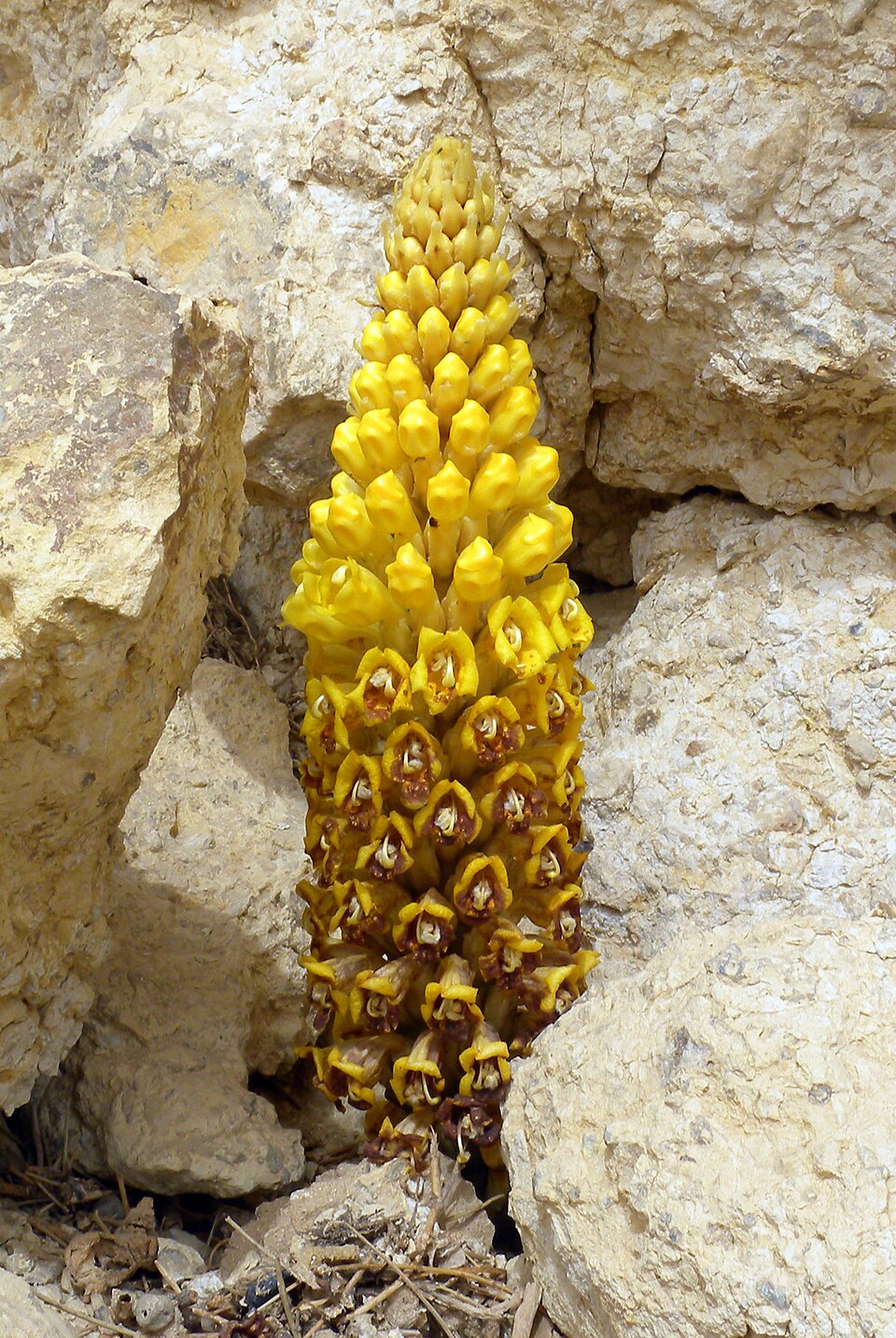
spec sheet10 rows
Cistanche is a genus of parasitic desert plants in the family Orobanchaceae whose dried fleshy stems have long been used in traditional Chinese medicine. Known in Chinese as rou cong rong and nicknamed desert ginseng, it is taken as a tonic said to support vitality, sexual function, and healthy aging. Its most studied constituents are phenylethanoid glycosides such as echinacoside and acteoside, though most of the supporting evidence to date comes from laboratory and animal research.
- Antioxidant support
- Immune modulation
- Anti-fatigue
- Traditional libido and vitality tonic
- Possible mild digestive upset
Overview
Cistanche is a group of holoparasitic plants that grow in arid regions of China and Central Asia. Lacking chlorophyll, the plants cannot photosynthesize and instead draw water and nutrients from the roots of desert shrubs such as saxaul. The species most used medicinally are Cistanche deserticola, Cistanche tubulosa, and Cistanche salsa, and it is the thick, fleshy stem, gathered in spring before the plant sprouts above ground, that is dried and used.
In traditional Chinese medicine the dried stem is called rou cong rong and is classified as a warming tonic. It has historically been used for what the tradition describes as kidney deficiency, and in practice for complaints such as impotence, infertility, and constipation in older people, as well as a general remedy against the effects of aging [1]. These long-standing uses are the reason the plant is now also sold internationally as a supplement.
Chemical analysis has identified more than a hundred compounds in the genus, including phenylethanoid glycosides, iridoids, lignans, oligosaccharides and polysaccharides, and betaine. The phenylethanoid glycosides, in particular echinacoside and acteoside (also known as verbascoside), have attracted the most scientific attention for their effects on the nervous system [1][2].
Most research remains preclinical. Extracts and isolated glycosides show antioxidant, neuroprotective, anti-fatigue, immune-modulating, and hepatoprotective activity in cell and animal studies; echinacoside, for example, has been reported to reduce brain injury and support tissue repair in animal models of ischemic stroke [2][3], and a review of Cistanche in reproductive health describes possible benefits for hormonal and gonadal function while stressing the need for rigorous clinical trials [4]. Wild Cistanche deserticola has been heavily collected and is listed on Appendix II of the CITES convention, reflecting concern over its conservation. The plant is sold as dried slices, powders, extracts, and capsules.
Mechanism
Cistanche's biological effects are attributed largely to its phenylethanoid glycosides, especially echinacoside and acteoside. In laboratory and animal studies these compounds behave as antioxidants and free-radical scavengers and show neuroprotective activity, reducing neuronal damage in models of ischemic stroke and neurodegeneration [2][3]. Proposed actions include lowering , calming inflammatory signaling, and influencing pathways involved in cell survival and, in stroke models, the repair of the glial scar that forms after injury [3].
Other constituents are credited with anti-fatigue, immune-modulating, and hormone-related effects that align with the plant's traditional use as a tonic [1]. An important limitation is that the phenylethanoid glycosides are absorbed poorly and metabolized quickly, so how fully these preclinical effects carry over to people is still uncertain [1].
receptor fingerprint
reduces
Immune cell functionmodulates
Testosterone / reproductive axissupports
Fatigue / staminaimproves
Dosingtypical ranges, not medical advice
interested in protocols and clinical dosages? make an account to see them! ^_^
Safetyrisks and cautions, not medical advice
Generally well tolerated with a long traditional use record and few reported side effects. Human safety data at concentrated extract doses is limited. Because of possible hormonal effects, those with hormone-sensitive conditions should be cautious; avoid in pregnancy.
Resources
This entry is here for reference.
Research
- 2009first citedResearch progress on pharmacological activities of echinacoside
- 2025most recentEchinacoside targets the HIF-1α/LDHA axis to modulate A1/A2 astrocyte differentiation and promo…
- 1.Cistanches Herba: an overview of its chemistry, pharmacology, and pharmacokinetics property
- 2.Research progress on pharmacological activities of echinacoside
- 3.Echinacoside targets the HIF-1α/LDHA axis to modulate A1/A2 astrocyte differentiation and promote glial scar repair following ischemic stroke.
- 4.The role of Cistanches Herba and its ingredients in improving reproductive outcomes: a comprehensive review
4 listed here; entry last updated August 2026
Reviews
My notesprivate to this device
FAQ
Does cistanche boost testosterone?
Animal studies suggest support for the reproductive axis, but human evidence for meaningful testosterone increases is weak.
What are echinacoside and acteoside?
They are the main phenylethanoid glycosides in cistanche and are responsible for much of its antioxidant activity.
Is it a good longevity herb?
It has promising antioxidant and immune effects, but human longevity data does not exist yet.
How is it used traditionally?
As a kidney-yang tonic for stamina, libido, and vitality in Traditional Chinese Medicine.
Limitations of the evidence
- Limited human safety data
Adverse effects
- Possible mild digestive upset
Notes and cautions
- Generally well tolerated in traditional use
- Quality and potency vary between products
- Wild Cistanche deserticola is a protected, over-harvested species