
spec sheet8 rows
EGCG (epigallocatechin gallate) is the most abundant and most studied catechin in green tea, a flavonoid polyphenol that accounts for much of the leaf's reputation for health. It is a strong antioxidant and metabolic modulator that shows up in the research on fat oxidation, cardiovascular and metabolic health, inflammation, and longevity. Most of its effects are hormetic (a mild stress the body adapts to), and the honest catch is that isolated high-dose EGCG on an empty stomach carries a rare liver-injury signal, so it is best taken with food.
- The most studied catechin in green tea, and the most abundant
- A strong direct antioxidant in a single capsule
- Mild fat oxidation boost, best paired with caffeine
- Rare liver injury at high fasted doses
- Can lower non-heme iron absorption
Overview
EGCG is one of a family of catechins (green-tea flavan-3-ols) but by far the headliner; a cup of green tea delivers a mix of EGCG, EGC, ECG, and EC, with EGCG making up the largest share and doing most of the heavy lifting in the research [2]. As a molecule it is a galloylated catechin, which is a fancy way of saying it carries an extra ring of hydroxyl groups that make it both a potent free-radical scavenger and a sticky binder of proteins and metal ions.
The part people chase it for is metabolism. The classic human work paired green-tea catechins with caffeine and found a real bump in 24-hour energy expenditure and fat oxidation beyond what the caffeine alone explained [1], which is the basis for EGCG's place in fat-loss and body-composition products. The effect in isolation is modest and shows up best alongside caffeine and exercise; a meta-analysis of catechin plus training found a small added weight-loss benefit rather than a dramatic one [6]. It is best treated as a mild lever, not a fat-burner.
Beyond metabolism, EGCG has a broad antioxidant and anti-inflammatory profile. It activates the Nrf2 pathway (the cell's own antioxidant-defense switch) and quiets NF-kB-driven inflammatory signaling, which is the mechanistic story behind its anti-inflammatory action [3] and much of the general beneficial-effects literature spanning cardiovascular, metabolic, and neuroprotective angles [5]. A lot of this is why it sits in the longevity and healthspan conversation, though much of that remains preclinical or associational.
The honest weak spots are bioavailability and safety. EGCG is poorly and variably absorbed, is unstable at gut pH, and gets heavily metabolized, so blood levels from a dose are low and inconsistent, which is an active area of formulation work (liposomal and phospholipid versions try to fix it) [2]. And unlike a cup of tea, concentrated EGCG extracts taken in high doses on an empty stomach have been linked to rare but real cases of liver injury; a formal safety assessment concluded that green-tea extracts are generally safe when taken with food but flagged the fasted high-dose scenario as the risk setting [4]. So the practical rule writes itself: keep the dose sane and take it with a meal.

Mechanism
receptor fingerprint
COMT (catechol-O-methyltransferase)
Nrf2 antioxidant pathway
NF-kB inflammatory signaling
Free radicals / metal ions
67 kDa laminin receptor (67LR)
COMT enzyme
Fat oxidation
Reactive oxygen species
sensitivity
Subjective profileweighing the evidence above
A genuinely good antioxidant and a mild metabolic helper, best with caffeine and exercise rather than as a standalone fat-burner; just take it with food, because high-dose EGCG on an empty stomach is the one way green tea can actually hurt you.
Where to buy
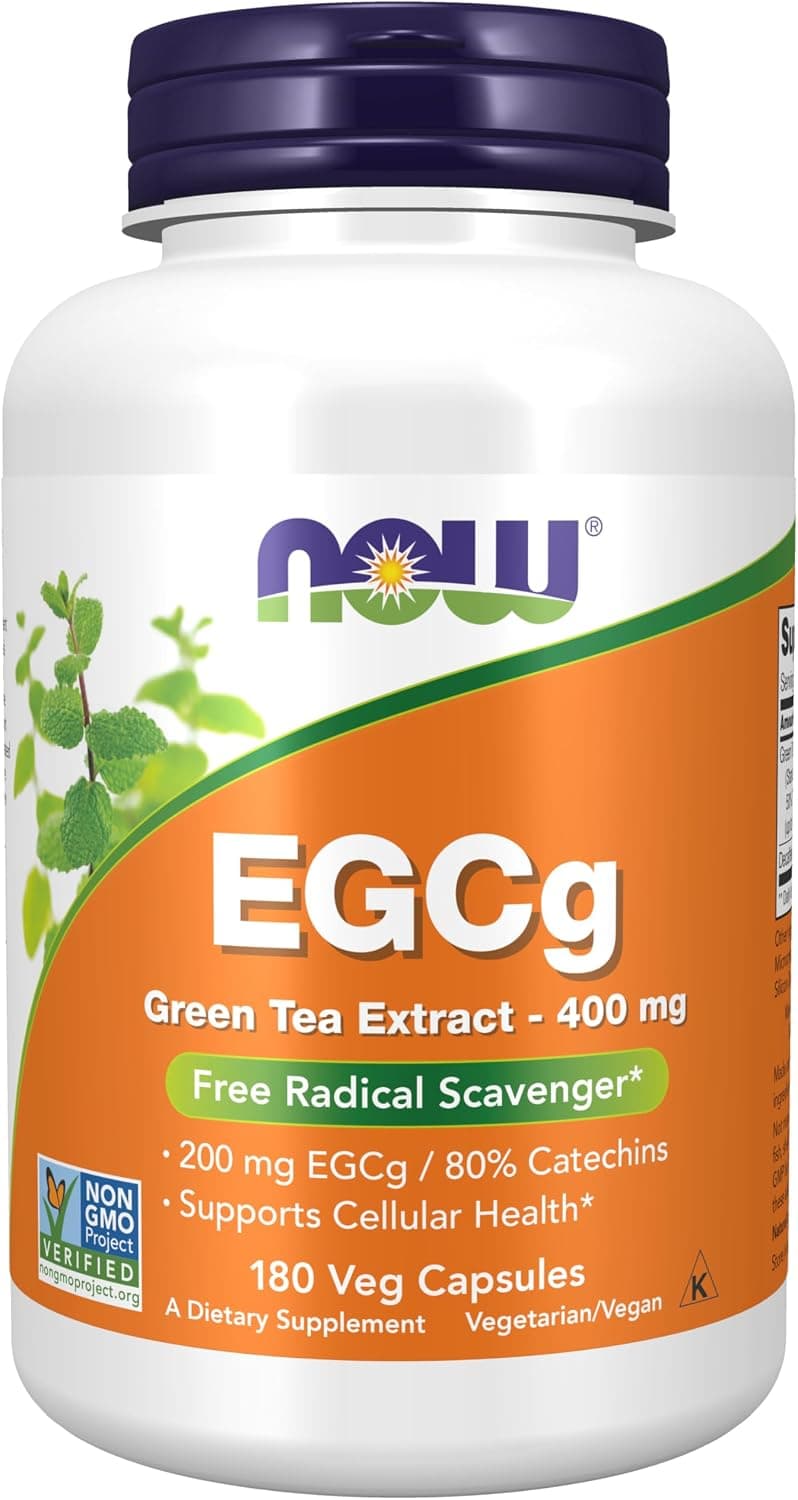
Suppliers
Vendors carrying EGCG, with live product details and codes. Links are affiliate links that support the wiki at no cost to you.
Amazon
EGCG
Reviews
My notesprivate to this device
Adverse effects
- Rare liver injury at high fasted doses
- Can lower non-heme iron absorption