
Article and paper data contributed by Molecular
spec sheet13 rows
SS-31, also known as elamipretide or Bendavia, is a cell-permeable mitochondria-targeting tetrapeptide that concentrates thousands-fold on the inner mitochondrial membrane by binding cardiolipin, the lipid that organizes the cristae and the electron-transport supercomplexes. Rather than acting as a general antioxidant, it restores cristae structure and bioenergetics in mitochondria damaged by ischemia, disease, or aging; in aged mouse muscle a single dose restored ATP production toward youthful levels within about an hour. It has been evaluated in clinical trials for primary mitochondrial diseases, heart failure, and age-related conditions.
- Goes straight to the mitochondria and stays
- Binds cardiolipin to rebuild cristae structure
- Restored aged muscle ATP within about an hour
- Cuts oxidative stress at the source
- Studied for heart and muscle energetics
- A serious longevity play, clinically tested
- Mild injection site reactions
- Human data still building
- Some dizziness reported in trials
Overview
SS-31 is a mitochondria-targeted tetrapeptide, one of the Szeto-Schiller peptides, and is also known by the development names elamipretide and Bendavia [2]. It is an aromatic-cationic peptide that selectively concentrates in the inner mitochondrial membrane, where it binds the unique phospholipid cardiolipin, and it is described as the first-in-class cardiolipin-protective compound [1][2]. Unlike broad antioxidants, it localizes precisely to the site of energy production, which is central to its pharmacology [1][2].
Its research and clinical applications focus on conditions rooted in mitochondrial dysfunction. Preclinical work established that SS-31 re-energizes ischemic mitochondria and protects the cristae membranes needed for ATP synthesis, reducing tissue damage in models of ischemia-reperfusion injury [1]. Reviews describe a broad therapeutic program spanning heart failure, ischemia-reperfusion injury, mitochondrial myopathies, and the energy decline of aging, since restoring mitochondrial bioenergetics offers a shared strategy across these diseases [2]. Biophysical studies have further clarified how the peptide interacts with membranes and modulates surface electrostatics as a key part of its mechanism [3], and structure-activity work has benchmarked analogues against SS-31 to guide next-generation designs [4].
Elamipretide has been evaluated in human clinical trials for primary mitochondrial disease, heart failure, and other conditions, and while it remains investigational rather than broadly approved, it is one of the most clinically advanced mitochondrial therapeutics [1][2]. It is administered by injection as a peptide. Its enduring appeal is the concept of a targeted compound that docks onto cardiolipin to stabilize the electron transport machinery and recharge the cell's power supply, addressing a fundamental defect that underlies many complex and age-related diseases [1][2].
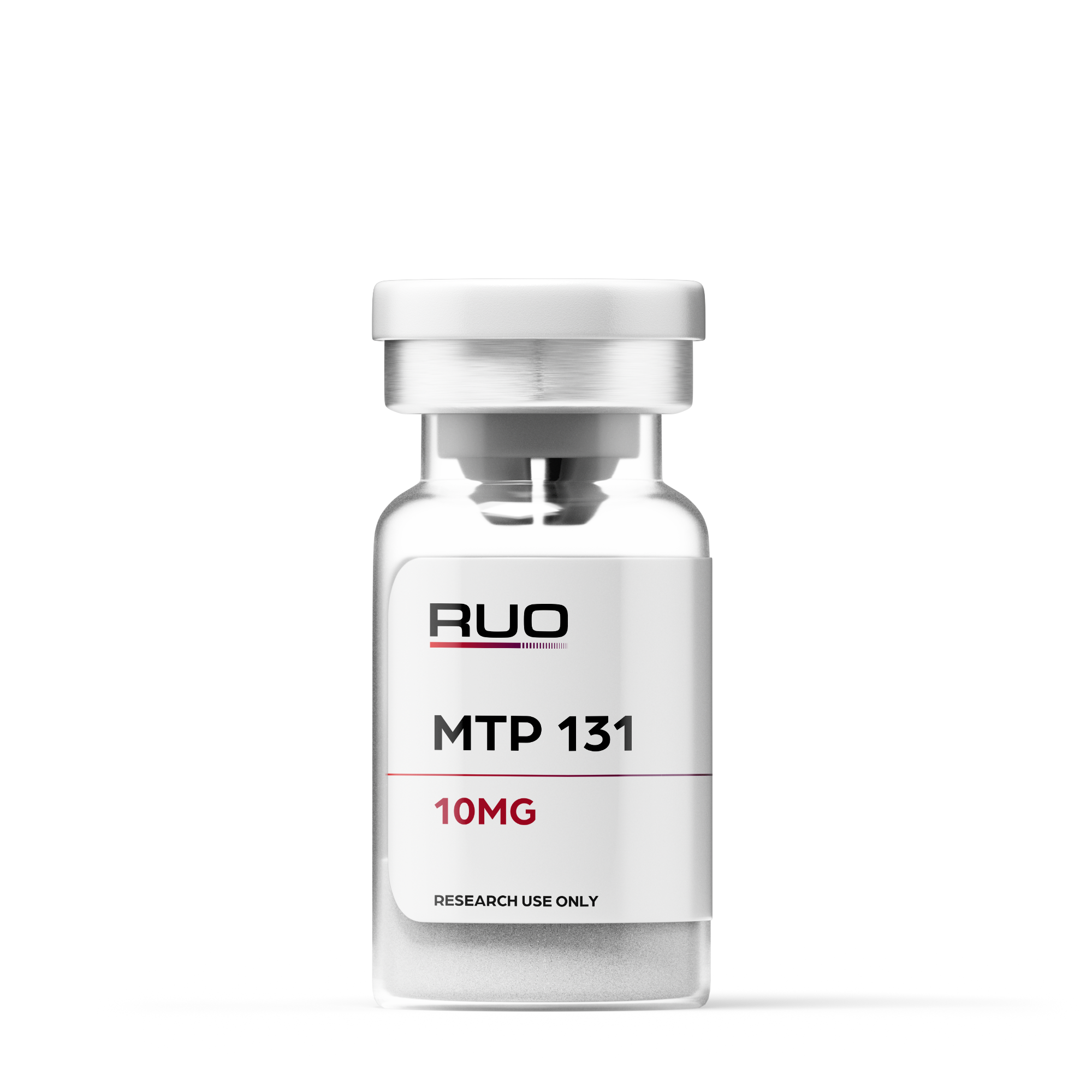
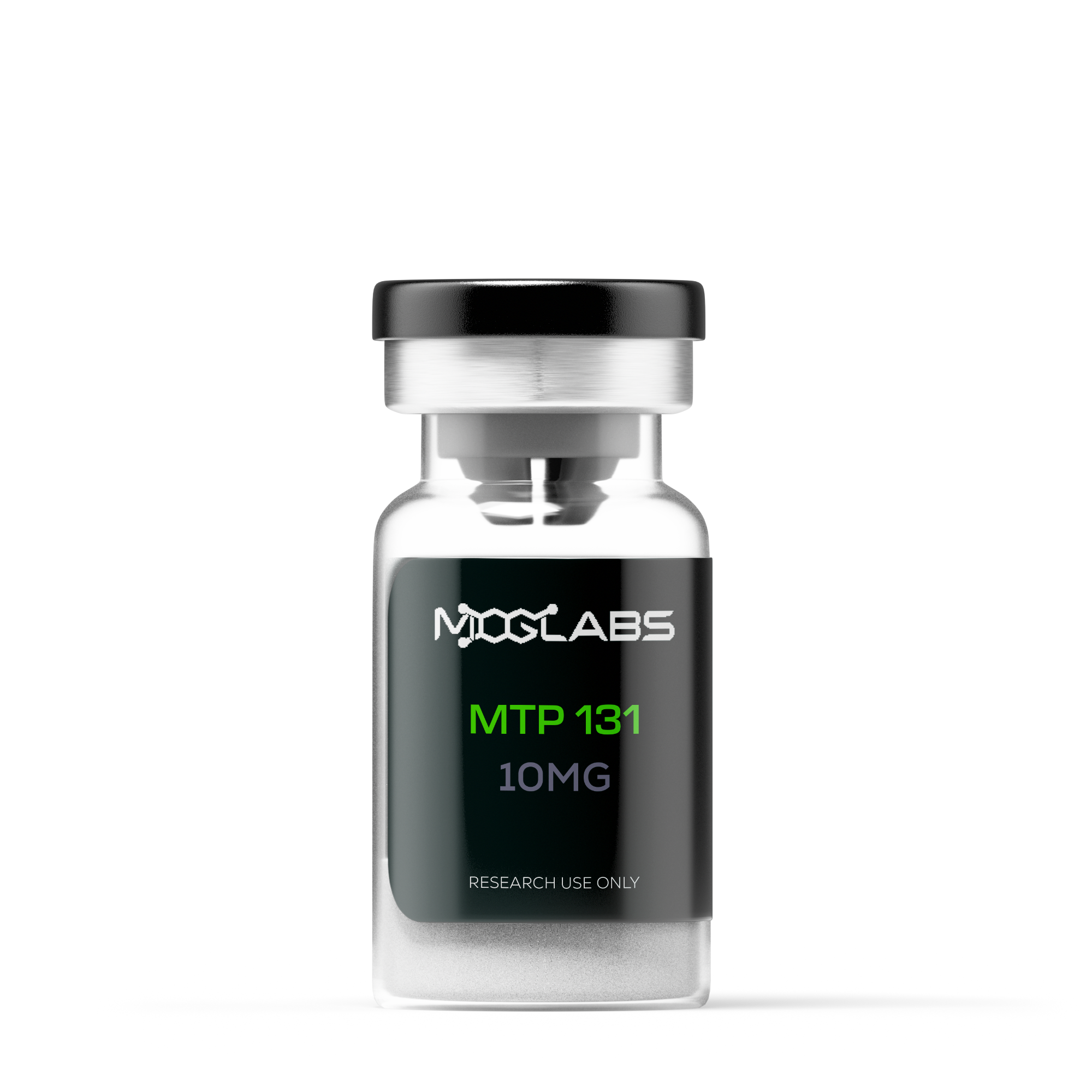
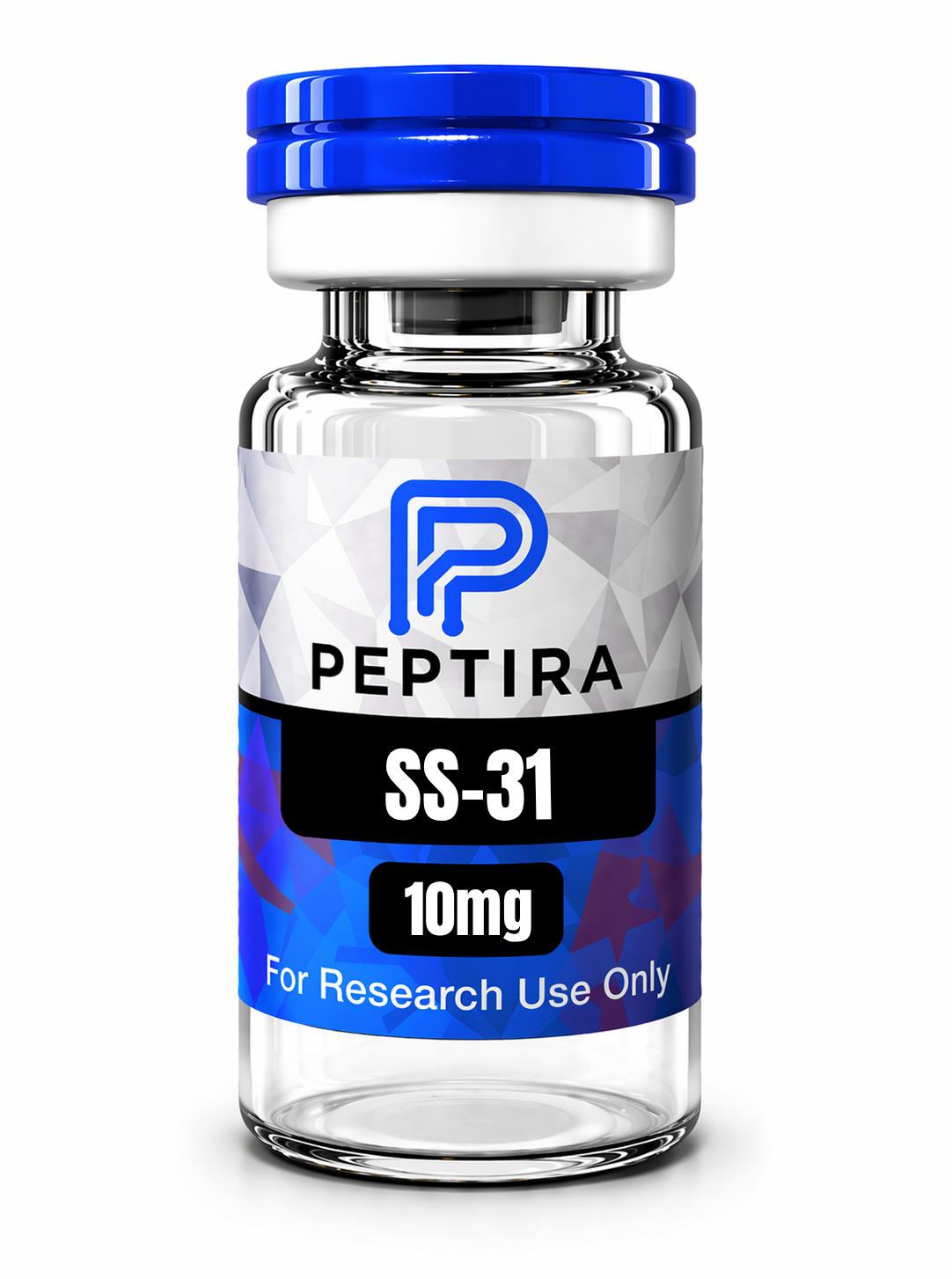
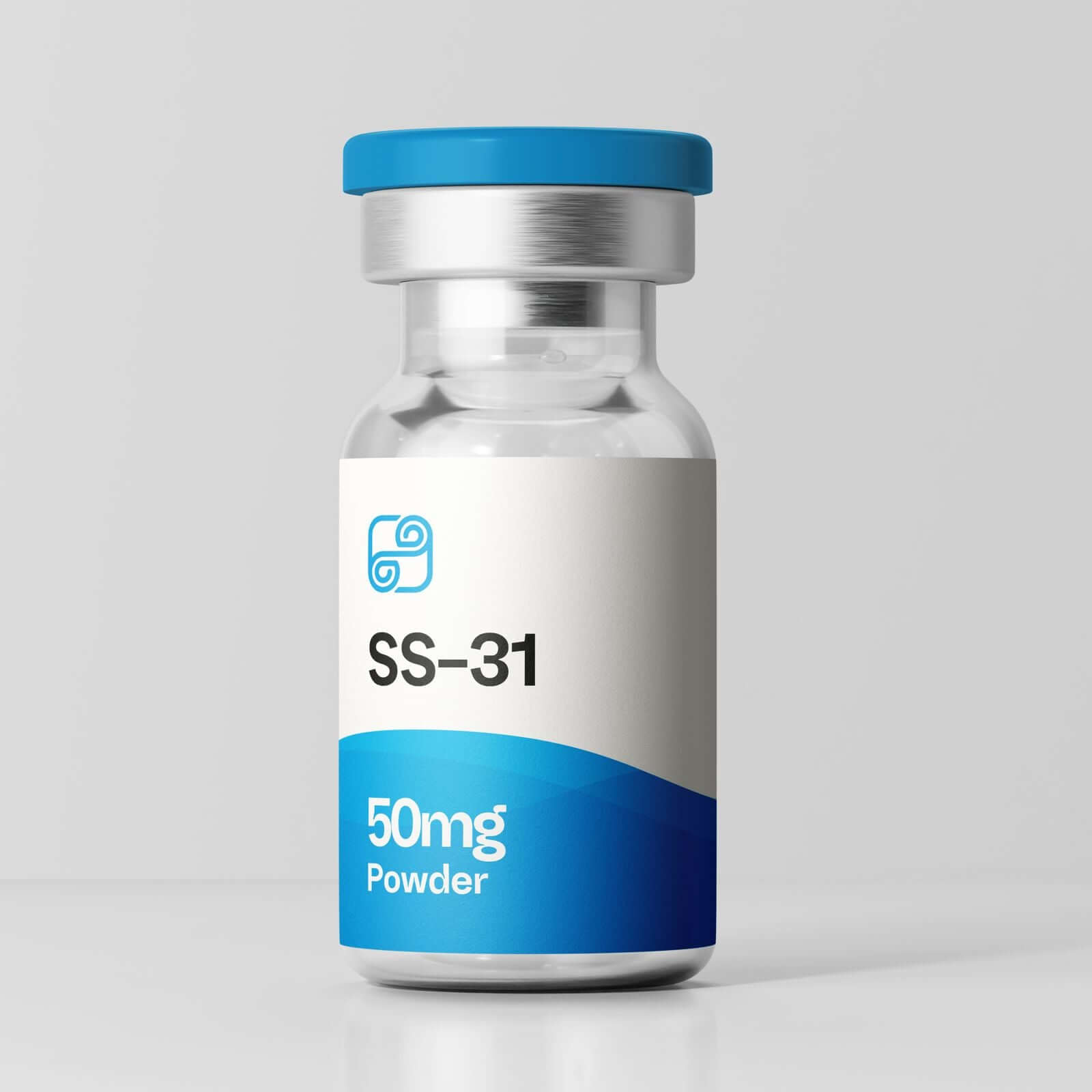


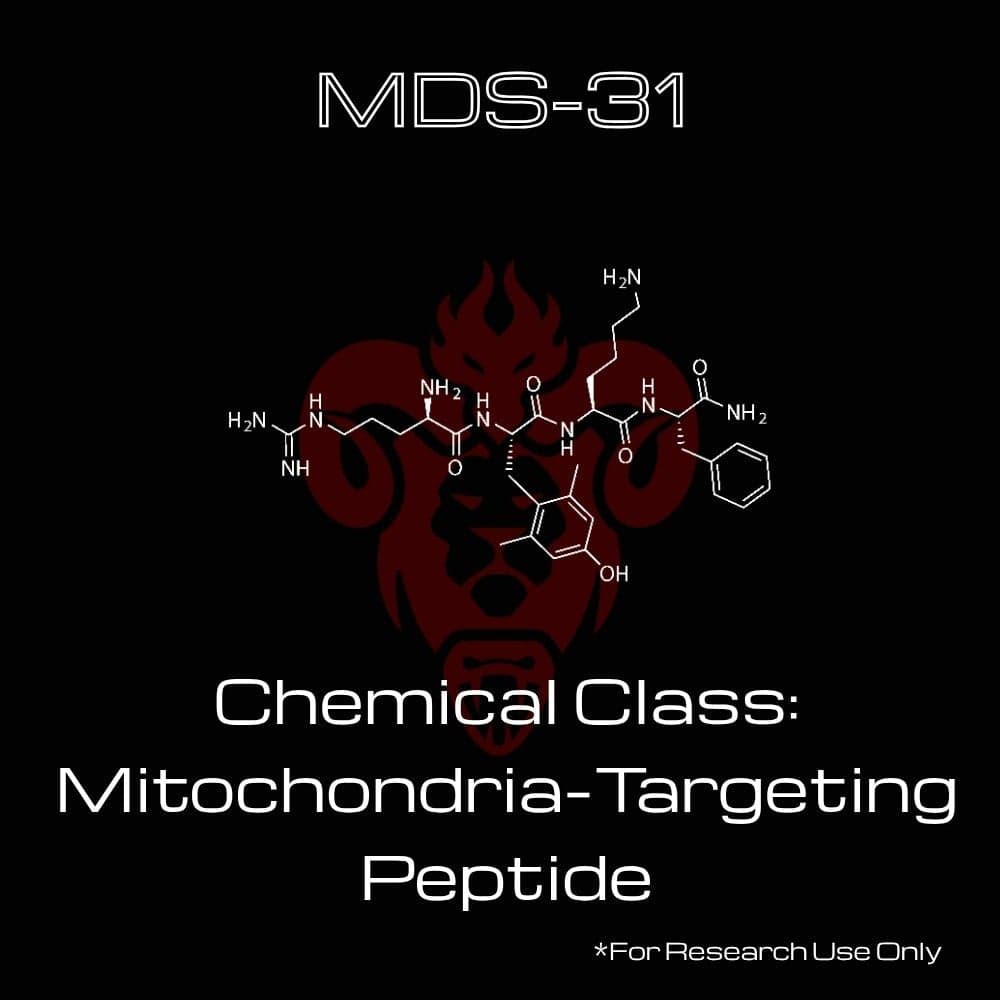
- MDS-31 is the same molecule as elamipretide (also called SS-31, MTP-131, and Bendavia), so an unfamiliar name sits on top of a substantial clinical research record.
- Rather than acting as a general antioxidant, it works by binding cardiolipin, the signature lipid of the inner mitochondrial membrane that shapes the cristae housing the cell's energy machinery.
Mechanism
SS-31 works by selectively targeting the inner membrane and binding cardiolipin, an anionic phospholipid that is essential for forming the cristae folds and for organizing the respiratory chain complexes into efficient supercomplexes [1][2]. The associates with cardiolipin through combined electrostatic and hydrophobic interactions, partitioning into the membrane interface in proportion to its surface charge [3]. By occupying cardiolipin, SS-31 preserves the structural integrity of the cristae and keeps oxidative phosphorylation running efficiently, which is why it is classed as cardiolipin-protective rather than as a scavenging antioxidant [2][3].
A key part of its protective action is control of cardiolipin peroxidation. The interaction between cardiolipin and cytochrome c determines whether cytochrome c behaves as a normal electron carrier or switches into a damaging peroxidase; SS-31 binding to cardiolipin inhibits the cytochrome c peroxidase activity that otherwise catalyzes cardiolipin peroxidation and damage during stress, protecting the heme iron and safeguarding electron transport [1]. Through this route the prevents the collapse of the cristae during ischemia and preserves the capacity to make ATP [1].
The functional benefits follow directly. In models of renal ischemia, pretreatment with SS-31 protected cristae membranes, prevented swelling, and allowed prompt recovery of ATP on reperfusion, which in turn restored the actin cytoskeleton and cell polarity, inhibited apoptosis, and mitigated organ dysfunction [1]. Newer biophysical studies show that SS-31 does not destabilize the membrane but instead tunes its surface electrostatics and lipid packing, altering the distribution of ions and proteins at the interface and reducing the energetic burden of calcium stress on mitochondria, a mechanism that helps explain its wide protective reach [3]. Because it targets a fundamental and shared defect, restoration of bioenergetics, it has shown benefit across diverse disease models, and structure-activity research indicates that side-chain composition and sequence tune its potency, providing a rational basis for improved analogues [2][4].
receptor fingerprint
Cardiolipin (inner membrane)binds / stabilizes
ATP productionrestores
Reactive oxygen speciesreduces
Dosingtypical ranges, not medical advice
interested in protocols and clinical dosages? make an account to see them! ^_^
Safetyrisks and cautions, not medical advice
SS-31 (elamipretide) is an investigational mitochondria-targeting peptide studied in trials for mitochondrial and cardiac diseases; it is not an approved drug. In studies the most commonly reported adverse effects were injection-site reactions. Its long-term safety and any benefit for longevity or performance in healthy people remain unproven.
Reconstitutionarithmetic only, not dosing advice
arithmetic only; not medical or dosing advice.
History
MDS-31 is chemically identical to SS-31, one of the Szeto-Schiller (SS) peptides developed in the early 2000s by Hazel Szeto and Peter Schiller at Weill Cornell Medical College while searching for cell-permeable, mitochondria-targeting antioxidants. Researchers subsequently found that SS-31 concentrates at the inner mitochondrial membrane and binds selectively to the phospholipid cardiolipin, which reframed it as a first-in-class cardiolipin-protective compound rather than a simple radical scavenger.
Under the development names MTP-131, Bendavia, and later elamipretide, the peptide was advanced into human trials by Stealth BioTherapeutics for conditions ranging from primary mitochondrial myopathy to heart failure and inherited eye disease. A phase 1/2 study (MMPOWER) reported dose-dependent gains on the six-minute walk test in adults with primary mitochondrial myopathy, establishing an early human efficacy signal for the molecule.
Reputation
MDS-31 is regarded as one of the most scientifically pedigreed entries in the mitochondrial peptide space, since it shares its structure with a compound carried through multiple registered clinical trials. Its appeal rests on an unusually well-defined mechanism; few longevity-adjacent compounds can point to a specific molecular target as concrete as cardiolipin at the inner mitochondrial membrane.
Preclinical work in aged animals showing restored ATP production and improved endurance has kept interest high among those focused on cellular energy and healthy aging. At the same time, observers note honestly that later-stage human trials produced mixed results, with a large phase 3 program missing its overall primary endpoint while suggesting benefit in genetically defined subgroups. That combination of a clear mechanism, encouraging early signals, and unresolved late-stage questions defines its current standing.
Subjective profileweighing the evidence above
One of the better-founded ideas in mitochondrial medicine, and unlike most peptides it has actually been through human trials. Those trials have been mixed, though, and nothing supports it for longevity or performance in healthy people. Worth watching, not yet worth buying.
Where to buy




Suppliers
Vendors carrying SS-31, with live product details and codes. Links are affiliate links that support the wiki at no cost to you.
| supplier | size | price | $/mg |
|---|---|---|---|
| Peptiralowest | 50MG | $139.00 | $2.78/mg |
| RUO | 10mg | $38.00 | $3.80/mg |
| Moglabs | 10mg | $46.00 | $4.60/mg |
| Peptira | 10MG | $49.00 | $4.90/mg |
RUO
SS-31
Moglabs
Elamipretide

Peptira
SS-31 | 10MG
Kimera Chems
MDS-31
Kimera Chems
MDS-31
Limitless Biochem🌐
SS-31
Peptira
SS-31 | 50MG
Exceed Enhancement
SS-31
Research
- 2011first citedMitochondria-targeted peptide accelerates ATP recovery and reduces ischemic kidney injury
- 2020most active year5 papers
- 2025most recentElamipretide: A Review of Its Structure, Mechanism of Action, and Therapeutic Potential
- 1.The mitochondrial-targeted compound SS-31 re-energizes ischemic mitochondria by interacting with cardiolipin.
- 2.First-in-class cardiolipin-protective compound as a therapeutic agent to restore mitochondrial bioenergetics.
- 3.The mitochondria-targeted peptide SS-31 binds lipid bilayers and modulates surface electrostatics as a key component of its mechanism of action.
- 4.Structure-activity relationships of mitochondria-targeted tetrapeptide pharmacological compounds.
- 5.Effects of Elamipretide on Left Ventricular Function in Patients With Heart Failure With Reduced Ejection Fraction: The PROGRESS-HF Phase 2 Trial
- 6.Elamipretide: A Review of Its Structure, Mechanism of Action, and Therapeutic Potential
- 7.Long-term efficacy and safety of elamipretide in patients with Barth syndrome: 168-week open-label extension results of TAZPOWER
- 8.Natural history comparison study to assess the efficacy of elamipretide in patients with Barth syndrome
- 9.Efficacy and Safety of Elamipretide in Individuals With Primary Mitochondrial Myopathy: The MMPOWER-3 Randomized Clinical Trial
- 10.A randomized crossover trial of elamipretide in adults with primary mitochondrial myopathy
- 11.Randomized dose-escalation trial of elamipretide in adults with primary mitochondrial myopathy
- 12.Phase 1 Clinical Trial of Elamipretide in Intermediate Age-Related Macular Degeneration and High-Risk Drusen: ReCLAIM High-Risk Drusen Study
23 listed here; entry last updated August 2026
Reviews
My notesprivate to this device
FAQ
What is SS-31?
It is a mitochondria-targeted peptide (also known as elamipretide) that binds cardiolipin to help restore mitochondrial efficiency. It has been studied for heart, muscle and age-related conditions.
Why target cardiolipin?
Cardiolipin is key to the inner mitochondrial membrane and energy production. Stabilizing it is thought to improve mitochondrial function.
Is it approved?
It remains investigational and has been studied in clinical trials. It is not an approved medicine.
How is it delivered?
As a peptide it is typically given by injection and stored cold once prepared. Handling follows general peptide guidance.
What actually is MDS-31?
It is a vendor label for SS-31, also called elamipretide; the same mitochondria-targeted tetrapeptide studied in the clinic.
How does it reach mitochondria?
Its structure lets it cross membranes and concentrate at the inner mitochondrial membrane, where it binds cardiolipin.
Does it work in people?
Trials in mitochondrial myopathy, Barth syndrome, and heart failure have been mixed, so the human picture is still unsettled.
Adverse effects
- Mild injection site reactions
- Human data still building
- Some dizziness reported in trials
- Mild injection-site reactions can occur
- Clinical trial outcomes have been mixed
- Human benefit is not yet firmly established
- Occasional headache was noted in some studies