
data + articles · 6 listed
newest 2023spec sheet12 rows
MOTS-c is a mitochondrial-derived peptide that acts as one of the body's own regulators of metabolism, energy, and healthy aging. Encoded inside the mitochondrial genome and released during exercise, it switches on the master energy sensor AMPK to improve insulin sensitivity, glucose handling, and physical performance. Backed by a fast-growing body of research from its discovery at USC, it sits at the leading edge of longevity and metabolic science.
- Mitochondrial peptide your body makes during exercise
- Switches on AMPK, the master energy sensor
- Better glucose handling and insulin sensitivity
- Improved strength and endurance in mice at every age
- Reversed weight gain and insulin resistance in mice
- Linked to exceptional longevity in a Japanese cohort
- Mild injection-site irritation
Overview
MOTS-c, short for Mitochondrial Open Reading Frame of the 12S rRNA type-c, is a mitochondrial-derived peptide, meaning it is a small signaling molecule encoded not in the cell nucleus but within the mitochondrial genome itself [1][3]. It is a 16-amino-acid peptide read from a short open reading frame in the mitochondrial 12S ribosomal RNA gene, and it was identified in 2015 by Changhan Lee, Pinchas Cohen, and colleagues at the University of Southern California, making it one of the first members of this newly recognized class of mitochondrial hormones after humanin [1][3].
The concept it embodies is a genuine shift in biology: mitochondria, long viewed only as power plants, are shown here to send out peptide signals that coordinate metabolism across the whole body [3]. MOTS-c primarily targets skeletal muscle, where it enhances glucose uptake and metabolism, and in animal studies it prevented diet-induced obesity, reversed age-dependent and high-fat-diet-induced insulin resistance, and improved metabolic health [1][6].
A striking feature is its relationship with exercise and aging. MOTS-c is expressed in muscle and released into the circulation in response to exercise, and its levels tend to decline with age; when given to mice, it enhanced physical performance in young, middle-aged, and old animals and improved measures of healthspan [2]. Under metabolic stress the peptide moves into the cell nucleus, where it helps direct the expression of protective nuclear genes involved in metabolism and stress resistance [2][5].
For these reasons MOTS-c is being actively explored as a potential therapy for metabolic disorders such as type 2 diabetes and obesity, and for age-related decline [5][6]. It remains an investigational research peptide rather than an approved drug and is handled as an injectable compound, with human clinical data still limited [5].
- MOTS-c is encoded inside the mitochondrial genome rather than the cell nucleus, making it one of a small family of peptides written into mitochondrial DNA.
- Exercise raises MOTS-c levels in human muscle and blood, which is part of why it is described as an exercise-mimetic peptide.
Mechanism
MOTS-c works through a distinctive metabolic pathway that converges on AMP-activated protein kinase (), the cell's master energy sensor [1]. The 16-amino-acid interferes with the folate one-carbon cycle and the de novo purine biosynthesis tethered to it; the resulting build-up of the intermediate AICAR activates , which shifts cells toward energy production, greater glucose uptake, and fat oxidation [1][6]. Because skeletal muscle is its principal target, the net effect is improved sensitivity and glucose handling at the level of the whole organism [1].
A second, complementary mechanism operates in the nucleus. Under metabolic stress, MOTS-c translocates from the mitochondria and cytoplasm into the cell nucleus, where it associates with stress-responsive transcription factors and helps orchestrate the expression of nuclear genes governing metabolism, antioxidant defense, and proteostasis [2][5]. In effect, a signal born in the mitochondria reaches back to the nuclear genome to coordinate an adaptive response, which is why MOTS-c is described as a hormone [3].
These mechanisms produce a consistent set of benefits in preclinical work: prevention of diet-induced obesity, protection against age-dependent and diet-induced resistance, activation of calorie-burning brown fat, and enhanced exercise capacity [1][4]. The link to physical activity is notable, since exercise itself raises endogenous MOTS-c in human muscle and blood, and treatment improved physical performance in mice across the lifespan, from young to old, along with markers of healthspan [2]. The 's levels fall with age, positioning its decline as one possible contributor to age-related metabolic slowdown and its restoration as a target for intervention [2][5].
receptor fingerprint
(via AICAR)activates
Glucose / lipid metabolismimproves
Exercise / stress resiliencemimics
PGC-1aactivates
Nuclear stress-response genesregulates
Myostatinsuppresses
Irisin / PPARaupregulates
metabolismraises
Dosingtypical ranges, not medical advice
interested in protocols and clinical dosages? make an account to see them! ^_^
Safetyrisks and cautions, not medical advice
There is a nice reassurance baked into MOTS-c; your own mitochondria already make it, and levels naturally rise with exercise, so it is not a foreign molecule to the body. That said, dedicated human safety data are still thin, limited mostly to early work on the CB4211 analog, so a long term profile is not established. It is sold as a research peptide, so purity varies by source, and the usual minor injection site irritation can show up. No major toxicities have been flagged in the work so far, but sensible cycles are the prudent approach, and it is better treated as promising rather than proven.
Reconstitutionarithmetic only, not dosing advice
arithmetic only; not medical or dosing advice.
History
MOTS-c was discovered in 2015 by Changhan Lee, Pinchas Cohen, and colleagues at the University of Southern California, who identified a short open reading frame within the mitochondrial 12S rRNA gene encoding a 16-amino-acid peptide. Their landmark report in Cell Metabolism showed that this mitochondria-encoded peptide targets skeletal muscle, inhibits the folate one-carbon cycle, and activates AMPK to improve insulin sensitivity and protect against diet-induced obesity. The finding built on the earlier discovery of humanin and helped establish the broader concept of mitochondrial-derived peptides that act as hormones. Subsequent work demonstrated that MOTS-c can translocate to the cell nucleus under stress and that its levels rise with exercise and decline with age, positioning it at the intersection of metabolism and longevity research.
Reputation
MOTS-c is widely viewed as one of the most exciting molecules in modern longevity and metabolic science, in part because it is one of the body's own signaling peptides rather than a foreign chemical. Its discovery story, from a genuine research program at USC, lends it credibility that many newer peptides lack. Enthusiasm centers on its exercise-mimetic profile; the observation that physical activity itself raises endogenous MOTS-c has made it a favorite subject in discussions of metabolic health and healthy aging. Preclinical results across the lifespan, including improved physical performance in old mice, have been especially compelling. Commentators are careful to note, however, that the strongest evidence remains in animal models and that rigorous human outcome data are still developing.
Subjective profileweighing the evidence above
Fascinating biology and the honest summary is still mostly mice. Nothing toxic has been flagged, the exercise link is real, and the mouse metabolic results are striking, but human data barely exists beyond one analog, and injecting a research peptide of unverified purity is a long step past that. Worth watching rather than running.
Where to buy



Suppliers
Vendors carrying MOTS-c, with live product details and codes. Links are affiliate links that support the wiki at no cost to you.
| supplier | size | price | $/mg |
|---|---|---|---|
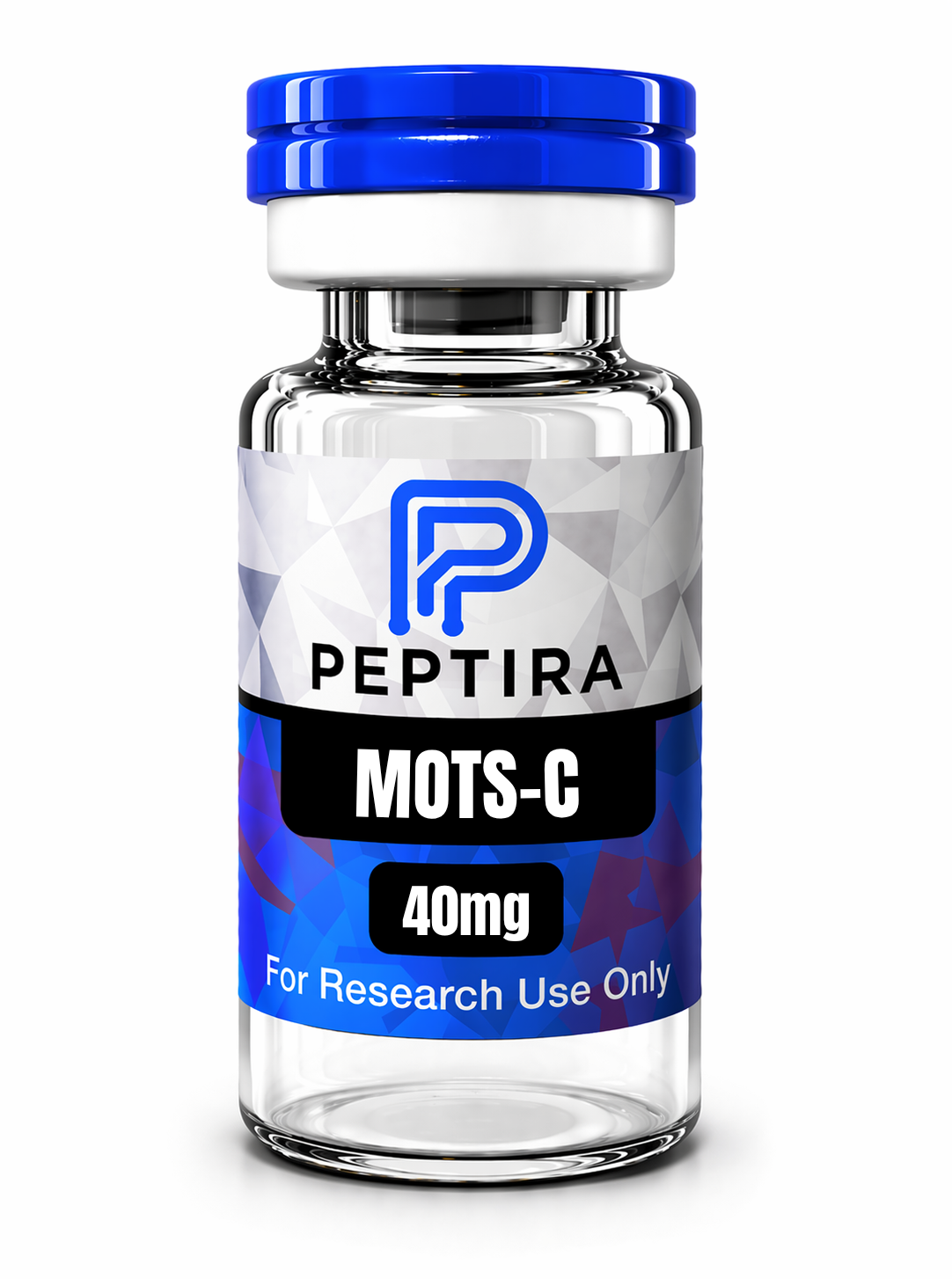
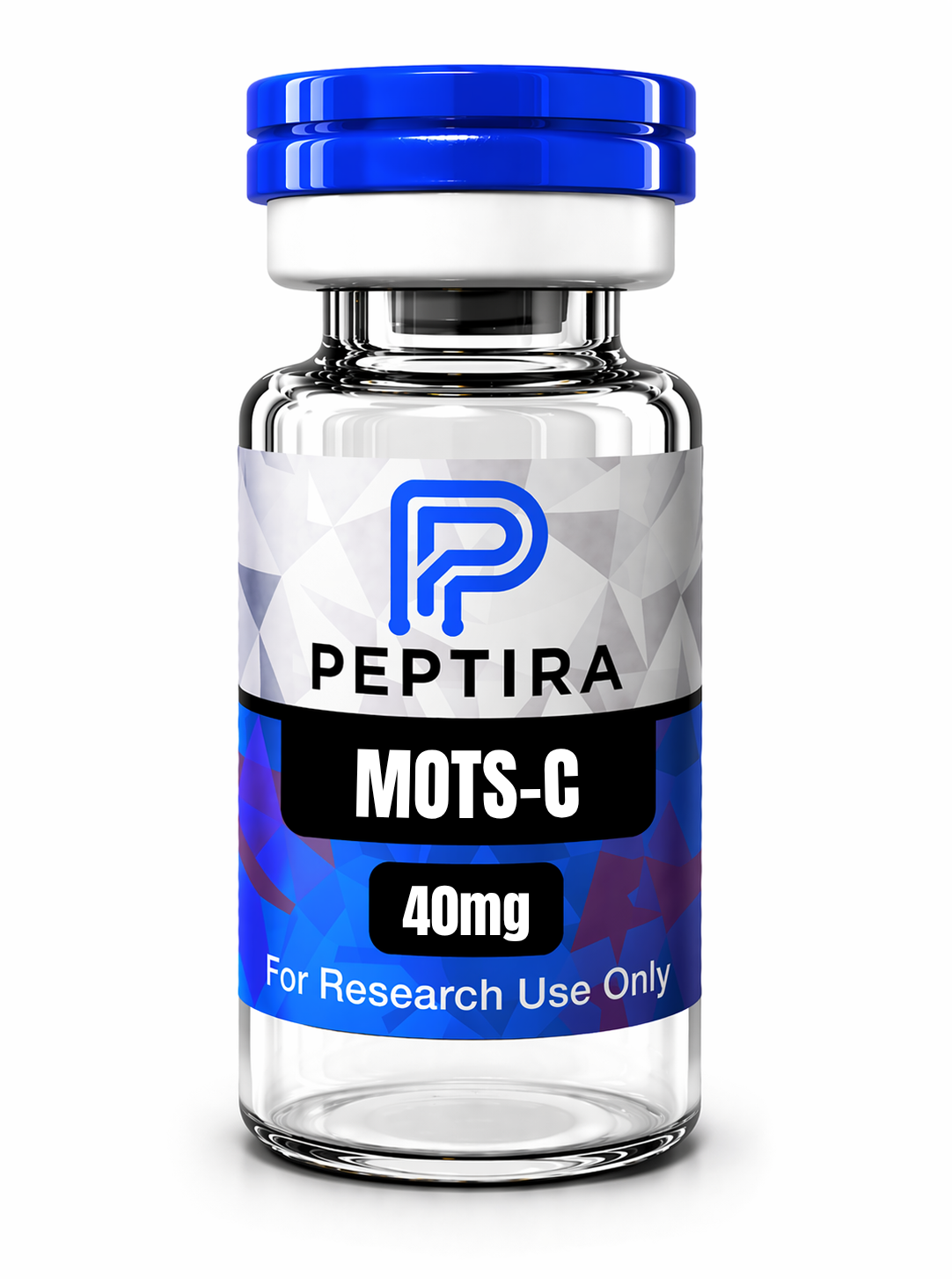
| Peptiralowest | 40MG | $139.00 | $3.48/mg |
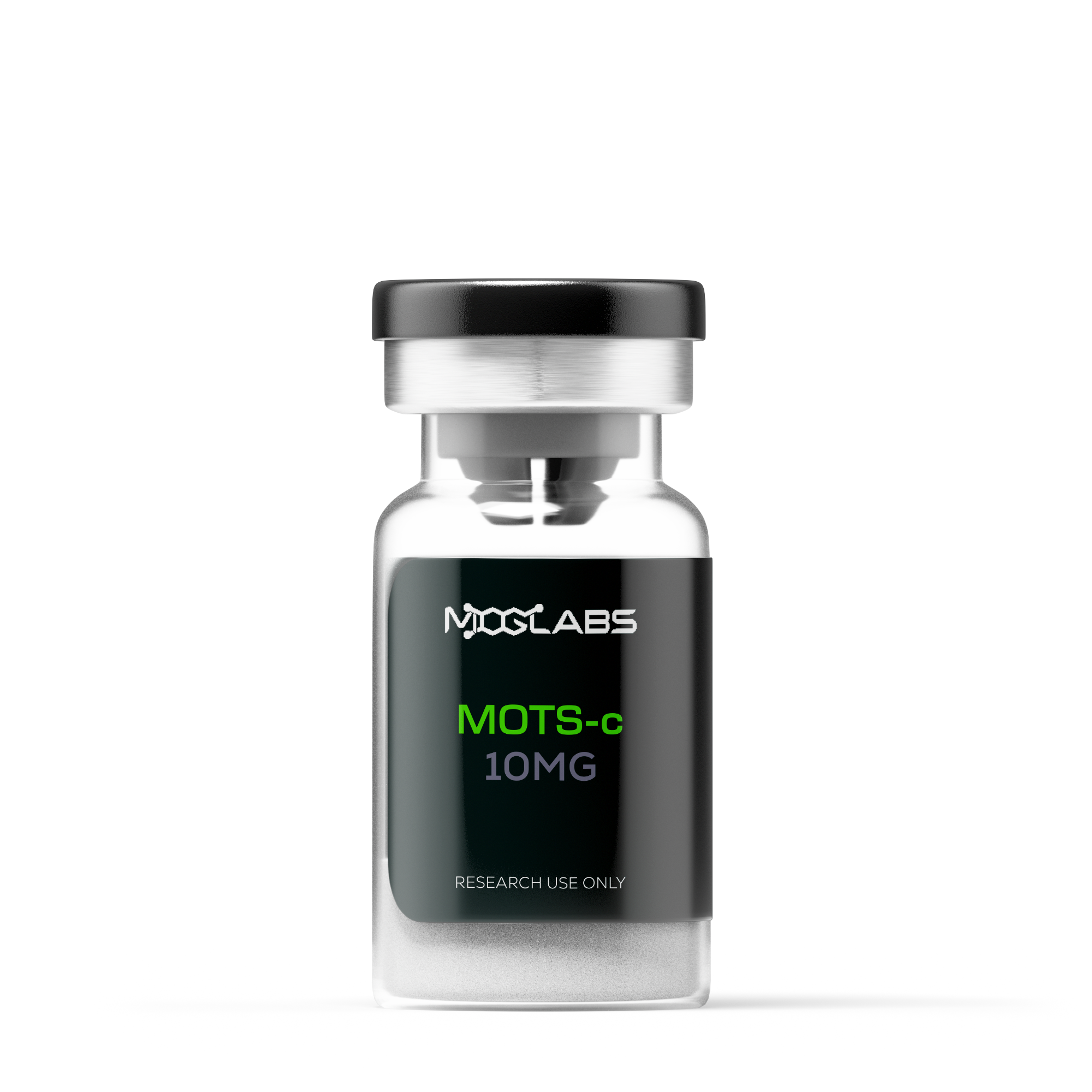
| Moglabs | 10mg | $40.00 | $4.00/mg |
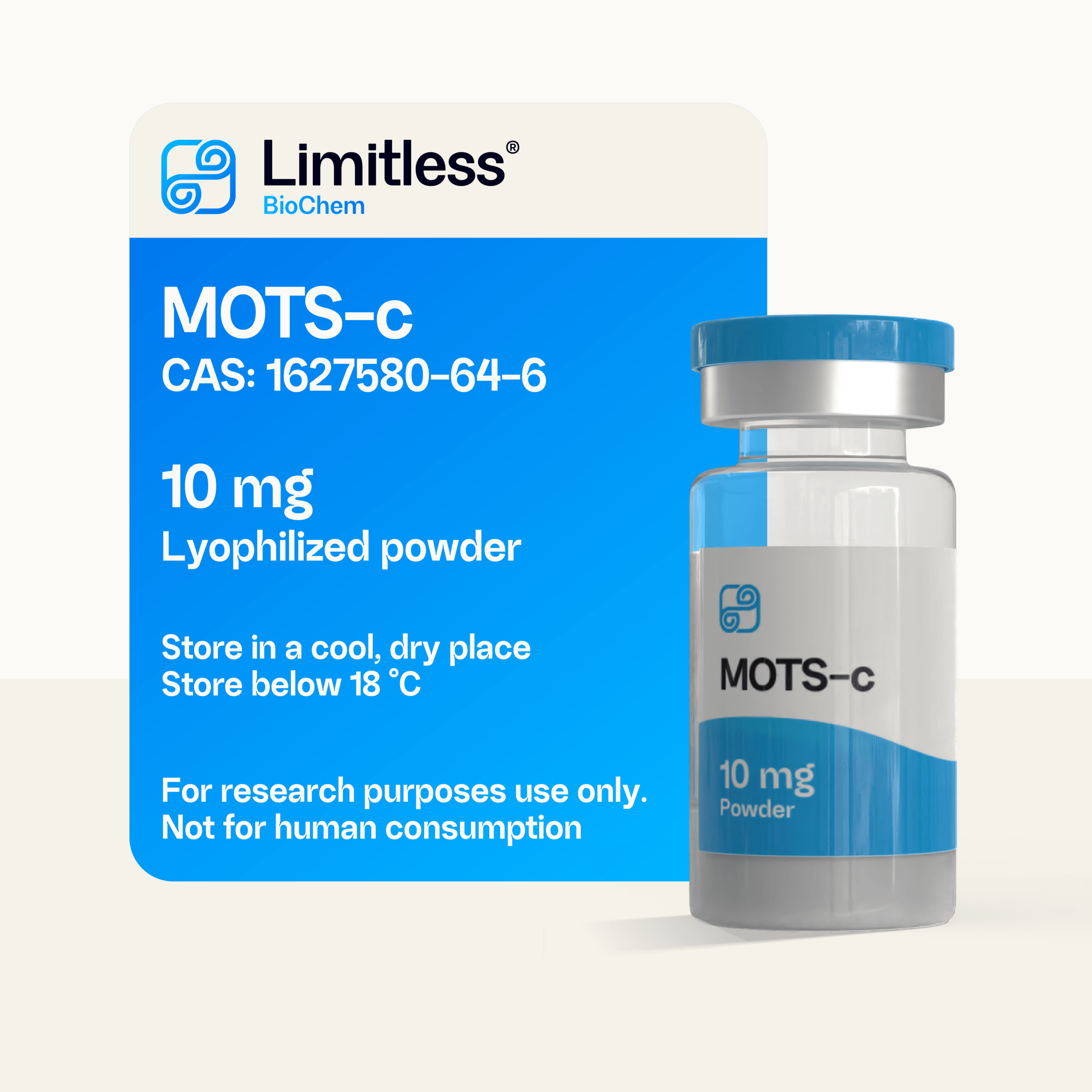
| Limitless Biochem | 10 mg | $48.00 | $4.80/mg |
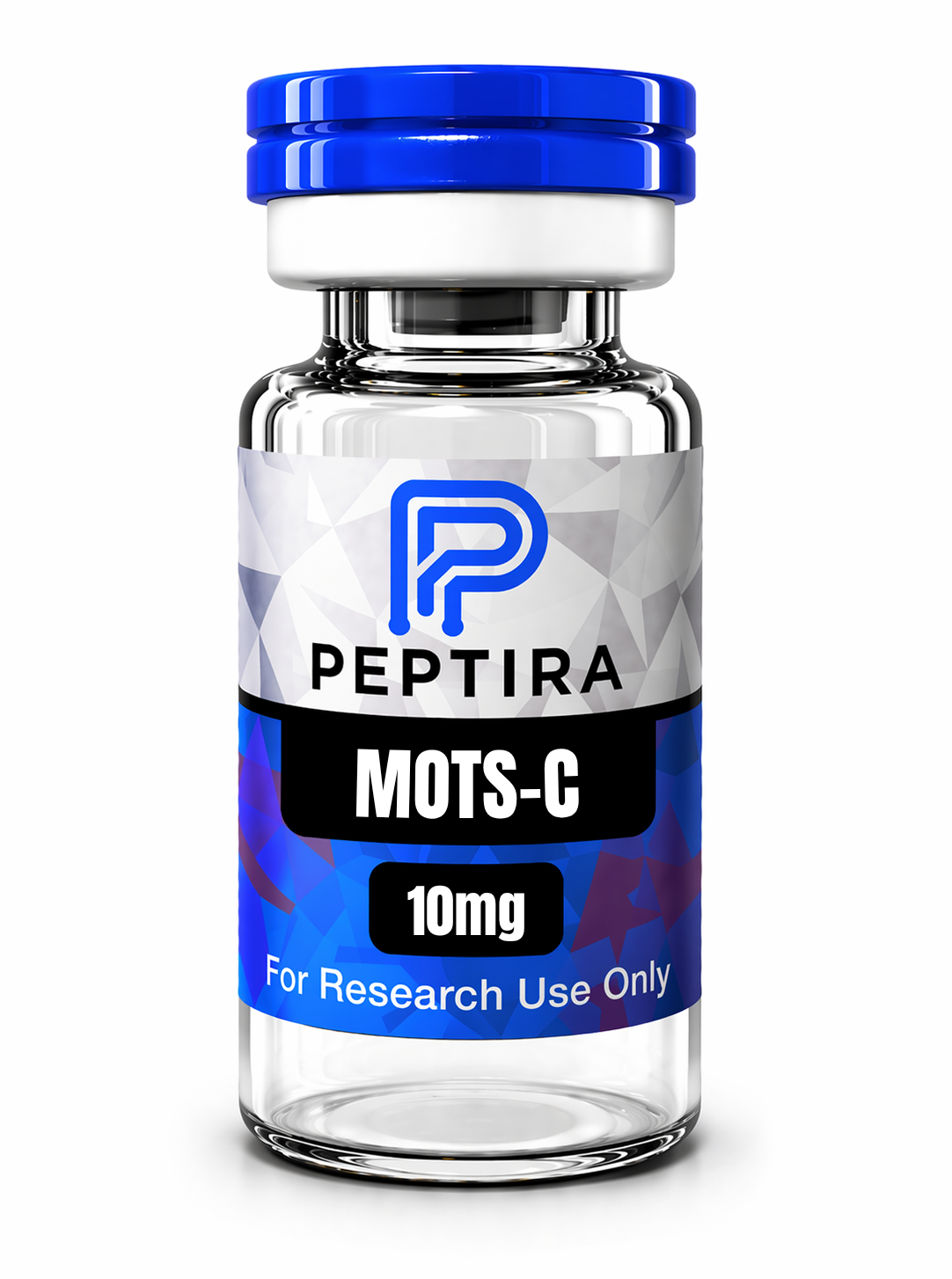
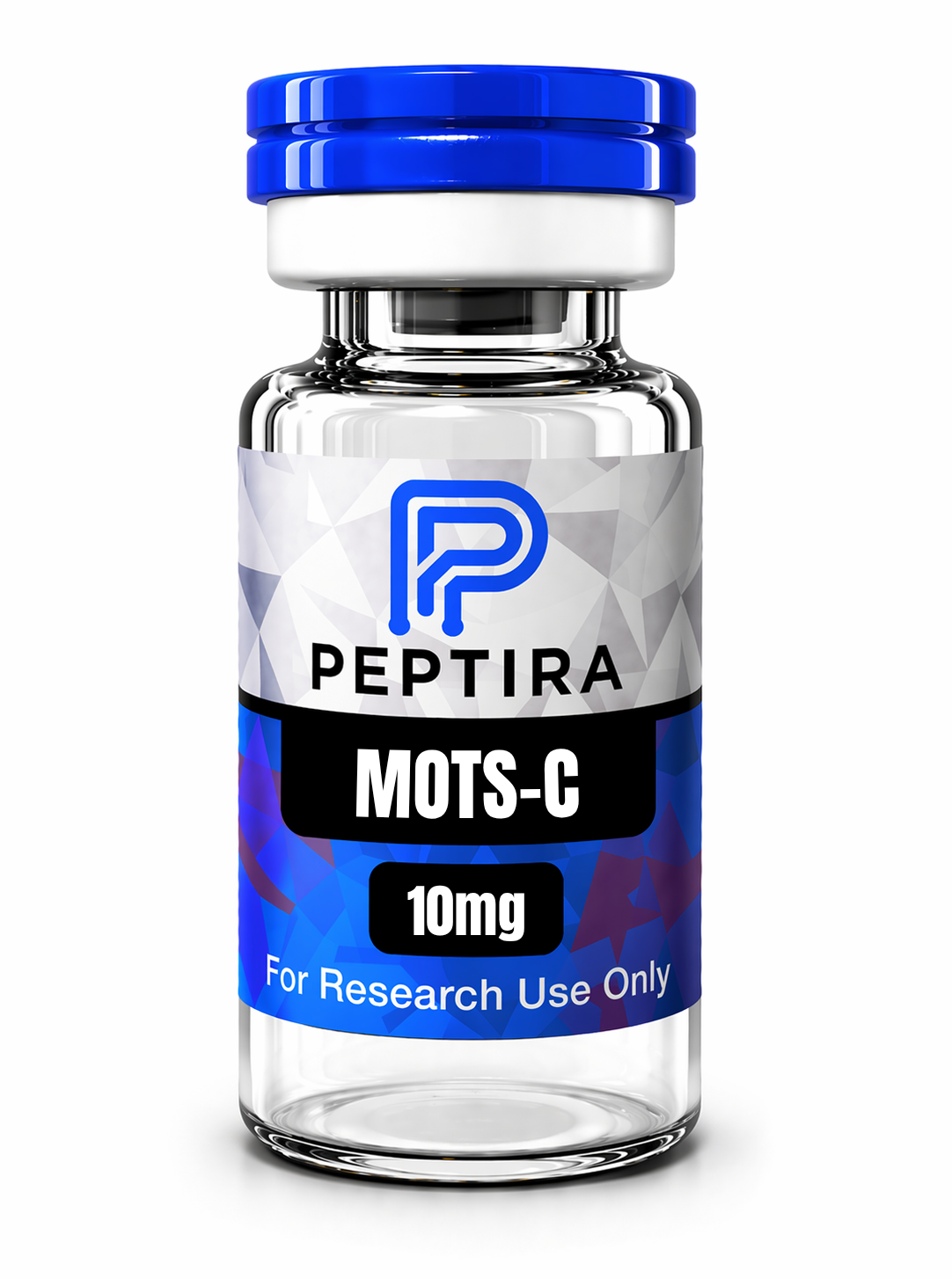
| Peptira | 10MG | $49.00 | $4.90/mg |
Moglabs
MOTS-c
Limitless Biochem🌐
MOTS-c
Peptira
MOTS-C | 10MG
Kimera Chems
MOTS-c
Peptira
MOTS-C | 40MG
RUPharma🌐
MOTS-c
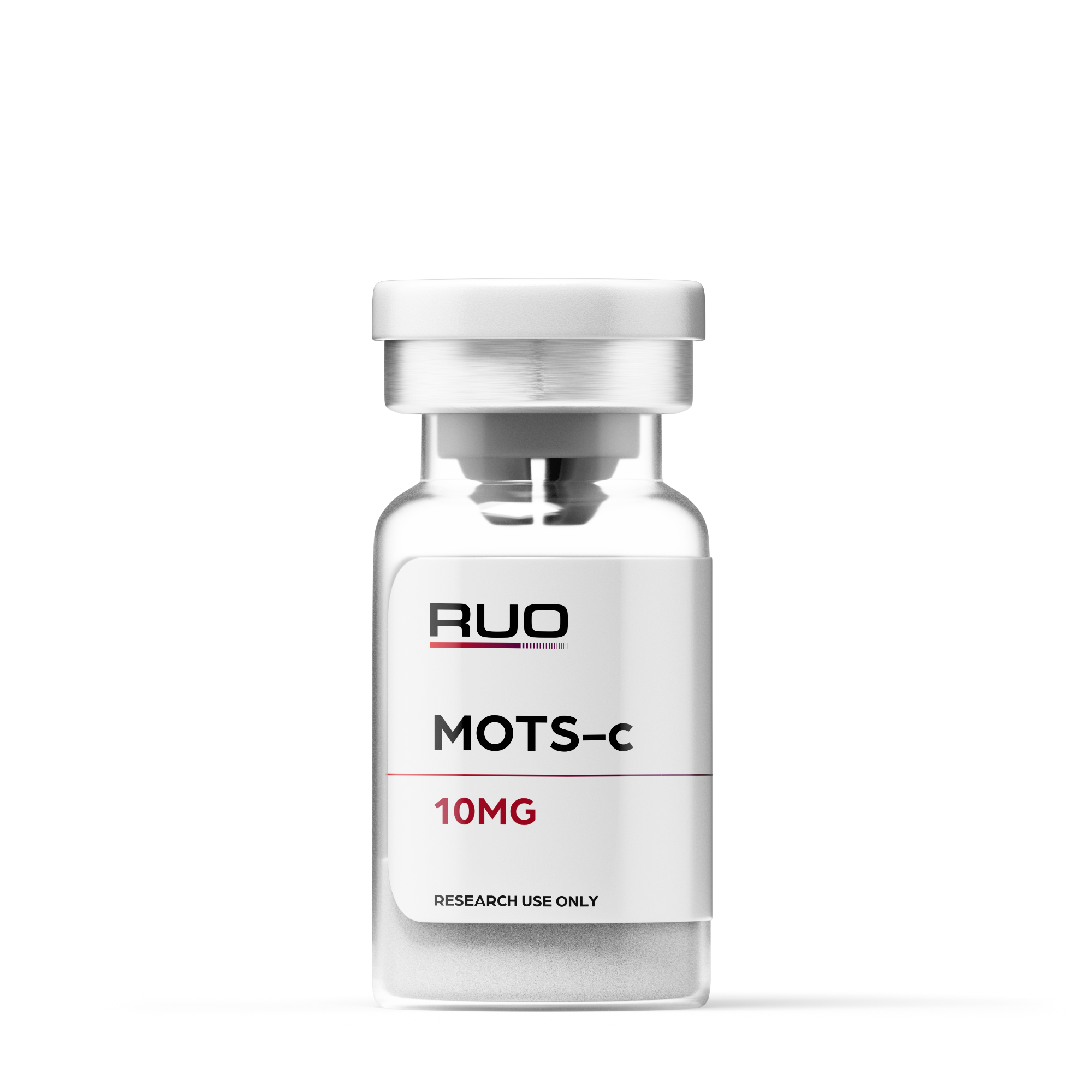
RUO
MOTS-c
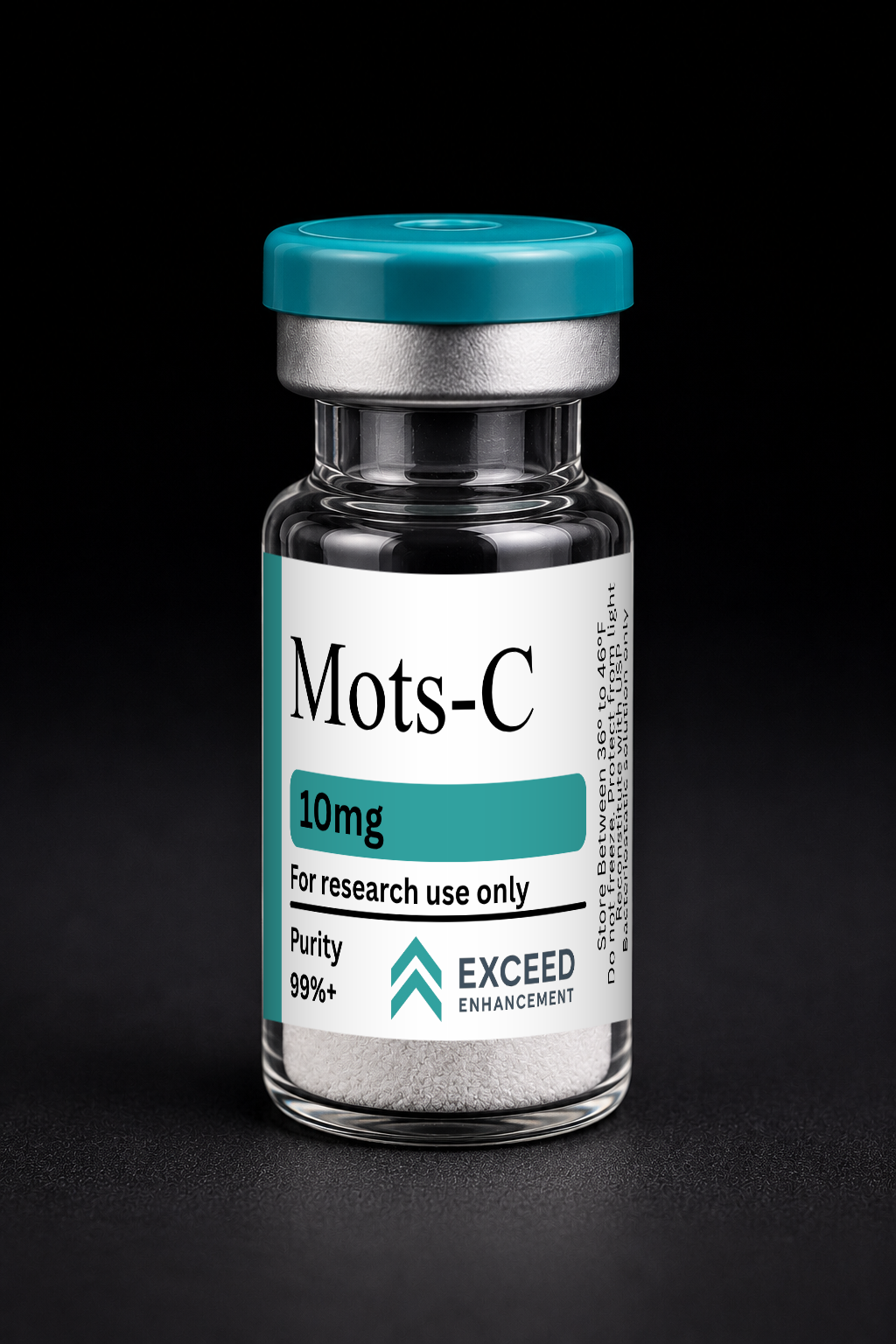
Exceed Enhancement
Mots-c
Research
- 2015first citedThe mitochondrial-derived peptide MOTS-c promotes metabolic homeostasis and reduces obesity and…
- 2023most recentMOTS-c: A promising mitochondrial-derived peptide for therapeutic exploitation.
- 1.The mitochondrial-derived peptide MOTS-c promotes metabolic homeostasis and reduces obesity and insulin resistance.
- 2.MOTS-c is an exercise-induced mitochondrial-encoded regulator of age-dependent physical decline and muscle homeostasis.
- 3.MOTS-c: A novel mitochondrial-derived peptide regulating muscle and fat metabolism.
- 4.MOTS-c peptide regulates adipose homeostasis to prevent ovariectomy-induced metabolic dysfunction.
- 5.MOTS-c: A promising mitochondrial-derived peptide for therapeutic exploitation.
- 6.MOTS-c Functionally Prevents Metabolic Disorders.
6 listed here; entry last updated August 2026
Reviews
My notesprivate to this device
FAQ
What is MOTS-c?
It's a mitochondrial-derived peptide the body naturally produces, studied for its effects on metabolism and energy.
Why is it called exercise-mimetic?
Research suggests it activates pathways like AMPK that overlap with the metabolic benefits of exercise.
How is it stored?
As a peptide it's typically kept lyophilized and refrigerated, and reconstituted solution should stay cold.
Is it proven in humans?
Most evidence is preclinical, so its effects in people remain an area of ongoing investigation.
Limitations of the evidence
- Human safety data still limited
- Most evidence is preclinical rather than from human trials
Adverse effects
- Mild injection-site irritation
Notes and cautions
- Long-term effects still being studied