
spec sheet14 rows
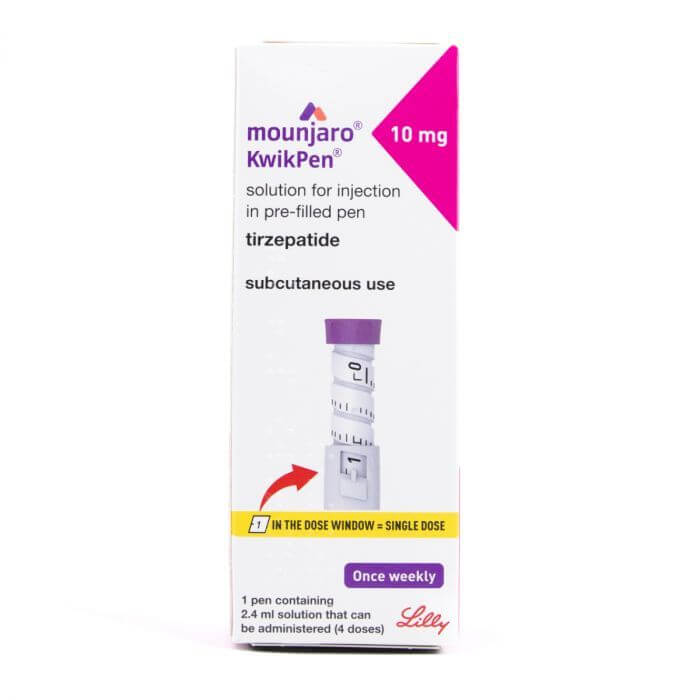
Tirzepatide is a dual GIP and GLP-1 receptor agonist developed as a once-weekly injectable treatment for type 2 diabetes and obesity. It is a synthetic 39-amino-acid peptide that activates two gut incretin hormone receptors at the same time, and it is marketed under the brand names Mounjaro for diabetes and Zepbound for chronic weight management. First approved in the United States in 2022, it has since been authorized for obstructive sleep apnea and studied across a range of cardiometabolic conditions.
- Appetite suppression that actually shuts hunger down
- Hits two gut hormone receptors at once
- Built for serious, visible weight loss
- Steadier blood sugar control
- Backed by landmark cardiometabolic research
- The name behind Mounjaro and Zepbound
- Gastrointestinal effects are the most common, including nausea, diarrhea, reduced appetite, vomiting, and constipation
- Occasional dizziness, indigestion, or abdominal discomfort
- Low blood sugar is uncommon by itself but more likely when combined with insulin or a sulfonylurea
Overview
Tirzepatide is a glucose-lowering and weight-lowering medication in the incretin mimetic class, set apart by its action on two hormone receptors rather than one [2]. Chemically it is a synthetic 39-amino-acid peptide modeled on gastric inhibitory polypeptide, also called glucose-dependent insulinotropic polypeptide or GIP, and it carries a C20 fatty diacid chain that binds albumin and extends its circulating half-life to roughly five days, which allows once-weekly subcutaneous dosing [2][3]. The molecule was engineered by Eli Lilly under the development code LY3298176 to test whether adding GIP activity to established GLP-1 receptor agonism would improve metabolic outcomes [2].
In the SURPASS program for type 2 diabetes, tirzepatide reduced glycated hemoglobin and body weight more than the selective GLP-1 receptor agonists dulaglutide and semaglutide [1][5]. The later SURMOUNT obesity trials reported mean weight reductions of roughly fifteen to twenty-one percent over seventy-two weeks in adults without diabetes, well beyond placebo [4]. The United States Food and Drug Administration approved it for type 2 diabetes in 2022 under the name Mounjaro, and for chronic weight management in 2023 under the name Zepbound; an additional indication for moderate-to-severe obstructive sleep apnea in adults with obesity followed in late 2024. Regulators in the European Union, the United Kingdom, Canada, and Australia have granted comparable approvals, and the medication is prescription-only in these markets.
Tirzepatide is supplied as a subcutaneous injection given once weekly, available in prefilled pens and vials. The most frequently reported adverse effects are gastrointestinal, including nausea, diarrhea, reduced appetite, vomiting, and constipation, and they tend to emerge during dose escalation [1][4]. Product labeling carries warnings related to a personal or family history of medullary thyroid carcinoma and to multiple endocrine neoplasia type 2. Ongoing research has examined cardiovascular outcomes, prevention of progression from prediabetes to overt diabetes, and metabolic dysfunction-associated steatotic liver disease [5].
- Tirzepatide was the first medicine approved that activates both the GIP and the GLP-1 receptor, making it the original dual incretin agonist.
- Pharmacology studies describe it as a biased agonist that engages the GIP receptor more fully than the GLP-1 receptor and favors cAMP signaling at the latter, a profile thought to strengthen its insulin response.
Mechanism
Tirzepatide simultaneously activates the receptors for two incretin hormones, glucose-dependent insulinotropic polypeptide (GIP) and glucagon-like -1 (-1), both of which are released by the intestine after eating [2][3]. Activating these receptors on pancreatic beta cells promotes secretion in a glucose-dependent manner, meaning insulin is released chiefly when blood glucose is elevated, a feature that limits the risk of hypoglycemia [5]. The drug also slows gastric emptying and acts on appetite-regulating centers in the brain to lower food intake, which contributes to weight loss [4].
Pharmacological studies characterize tirzepatide as an imbalanced and biased ; it engages the GIP receptor more fully than the -1 receptor, and at the GLP-1 receptor it favors signaling over beta-arrestin recruitment, a profile thought to strengthen the response [3]. Beyond its effect on , tirzepatide improves markers of insulin sensitivity and beta-cell function and raises adiponectin, and these improvements are only partly explained by weight loss, which suggests that the dual receptor mechanism contributes to glycemic control in its own right [5].
receptor fingerprint
-1 receptoragonist
GIP receptoragonist
Body weight / blood sugarlowers
Dosingtypical ranges, not medical advice
interested in protocols and clinical dosages? make an account to see them! ^_^
Safetyrisks and cautions, not medical advice
The most common effects are dose-dependent GI ones (nausea, vomiting, diarrhea, constipation), and hypoglycemia can occur when it is combined with insulin or sulfonylureas. It carries a boxed warning for thyroid C-cell tumors (a rodent finding) and is contraindicated with a personal or family history of medullary thyroid carcinoma or MEN2; pancreatitis and gallbladder events have also been reported. Prescription, injectable.
Interactionsdocumented pairs only, not exhaustive
Tirzepatide slows gastric emptying, which can alter the rate and extent of absorption of concomitantly administered oral drugs; the label specifically warns that it may reduce the efficacy of oral hormonal contraceptives, and advises switching to a non-oral method or adding a barrier method for four weeks after starting and after each dose increase. When combined with insulin or insulin secretagogues such as sulfonylureas, the risk of hypoglycemia rises, so the label recommends lowering the dose of those agents. Its gastric-emptying effect is greatest at initiation and diminishes over time, making narrow-therapeutic-index oral drugs the main practical concern. This is research information, not medical advice.
Checking a whole stack? Run it through interactions + stacks.
Reconstitutionarithmetic only, not dosing advice
arithmetic only; not medical or dosing advice.
History
Tirzepatide was developed by Eli Lilly under the code LY3298176 as a first-in-class agonist that activates the receptors for two gut incretin hormones, GIP and GLP-1, at the same time. It is a synthetic 39-amino-acid peptide engineered for once-weekly dosing and represents a deliberate step beyond single-hormone incretin drugs. The US Food and Drug Administration first approved it in 2022 as Mounjaro for type 2 diabetes, followed in 2023 by Zepbound for chronic weight management, and it was later authorized for obstructive sleep apnea. Its development reflected a broader shift toward multi-receptor agonists in cardiometabolic medicine.
Reputation
Tirzepatide has earned a strong reputation for the depth of weight loss and glucose control it can produce, with its SURMOUNT and SURPASS trial programs frequently cited as setting a high benchmark for the field. Commentators often point to its dual incretin mechanism as a possible reason for effects that appear to exceed those of single-hormone agonists, alongside improvements in blood pressure, lipids, and markers of insulin sensitivity. Its once-weekly schedule and expanding list of approved uses add to its appeal. Balanced discussion acknowledges that gastrointestinal side effects such as nausea and diarrhea are common, that weight tends to be regained if treatment stops, and that long-term outcome data are still accumulating. Overall it is regarded as one of the most effective agents in its class while remaining under active study.
Subjective profileweighing the evidence above
One of the most effective metabolic drugs ever brought to market, and the weight loss and glucose control genuinely earn the attention. It is a prescription injectable with dose-dependent nausea, a boxed warning for thyroid C-cell tumors and reported pancreatitis, so it is titrated slowly.
Where to buy


Suppliers
Vendors carrying Tirzepatide, with live product details and codes. Links are affiliate links that support the wiki at no cost to you.
| supplier | size | price | $/mg |
|---|---|---|---|
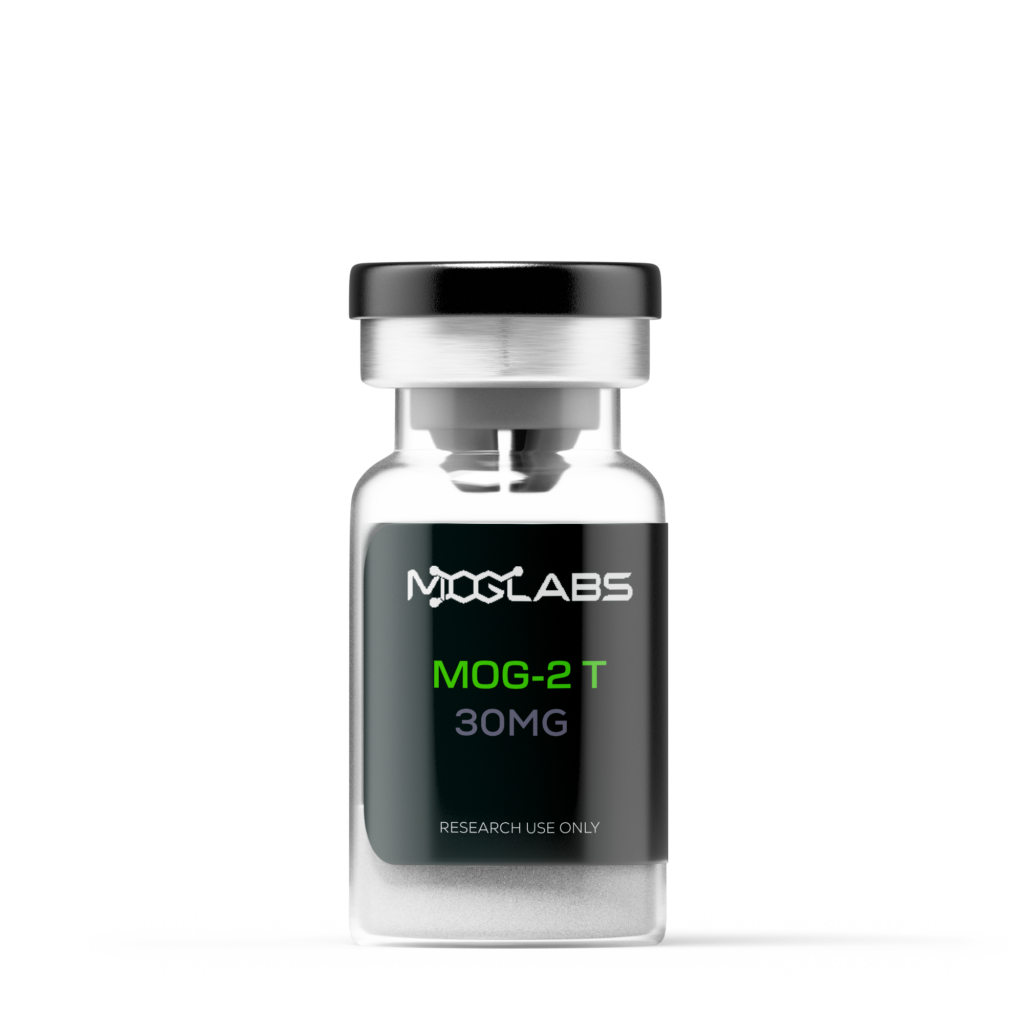
| Moglabslowest | 30mg | $100.00 | $3.33/mg |
| PCT.Zone | 10MG | $341.70 | $34.17/mg |
Moglabs
Tirzepatide
PCT.Zone
Tirzepatide
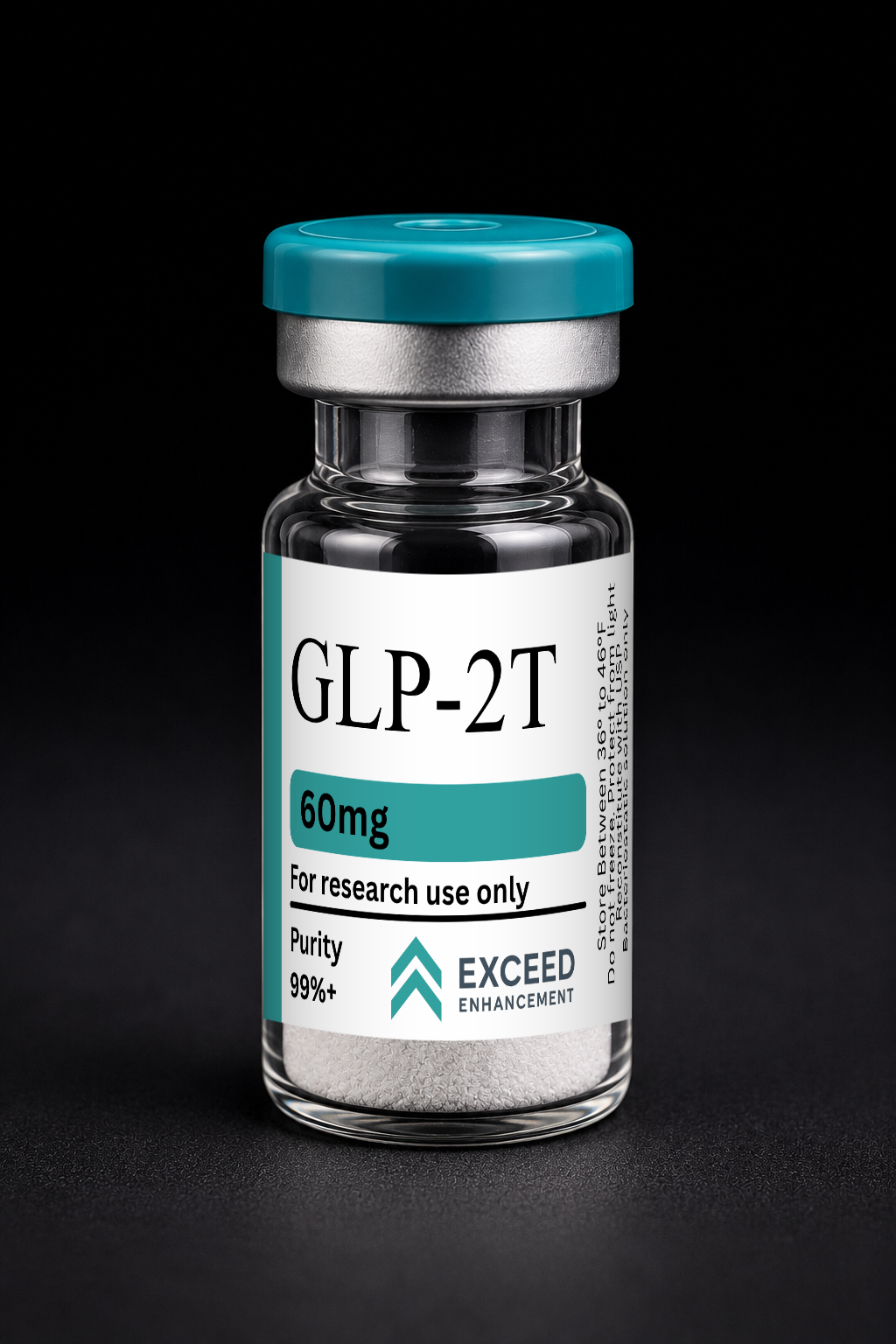
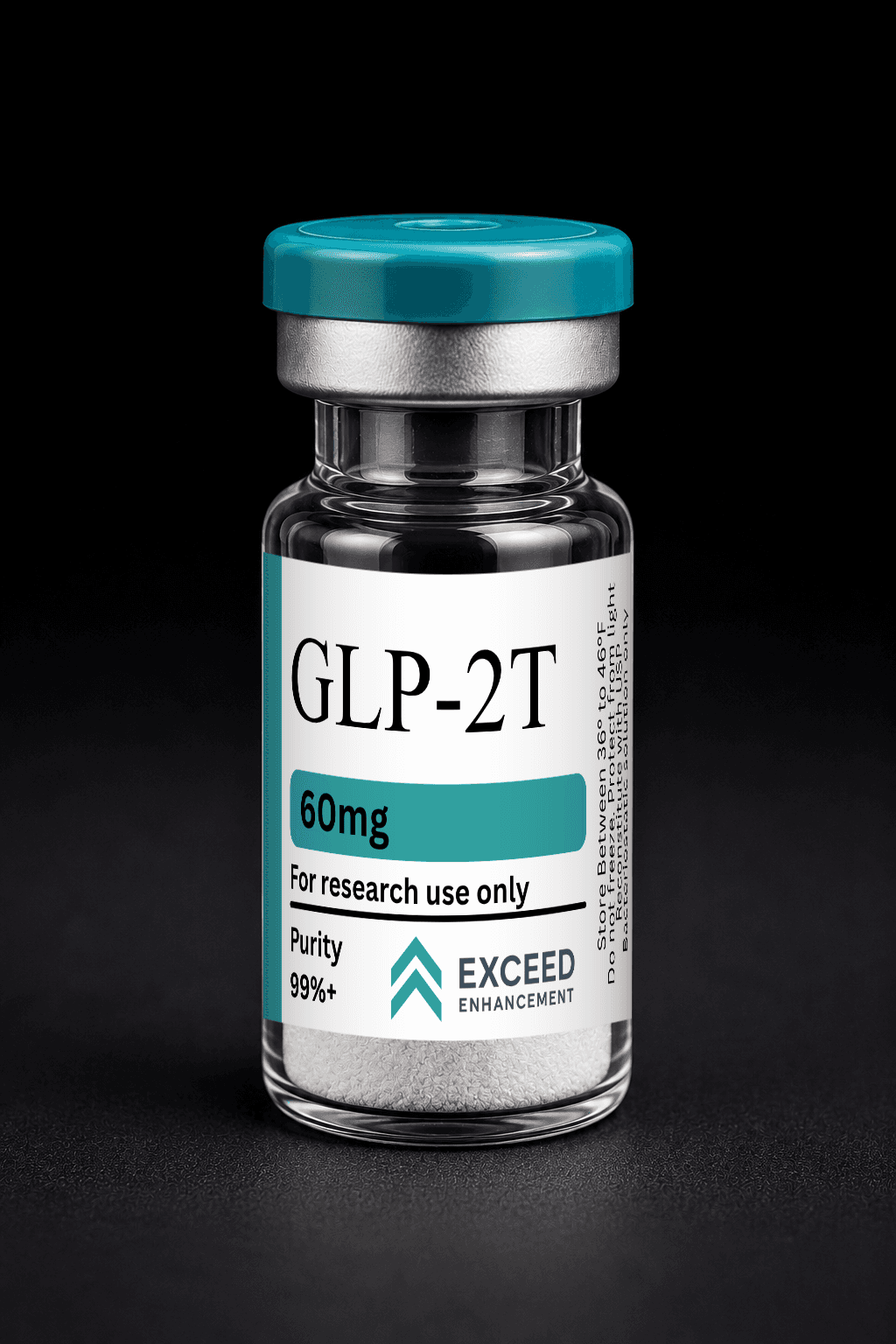
Exceed Enhancement
Tirzepatide
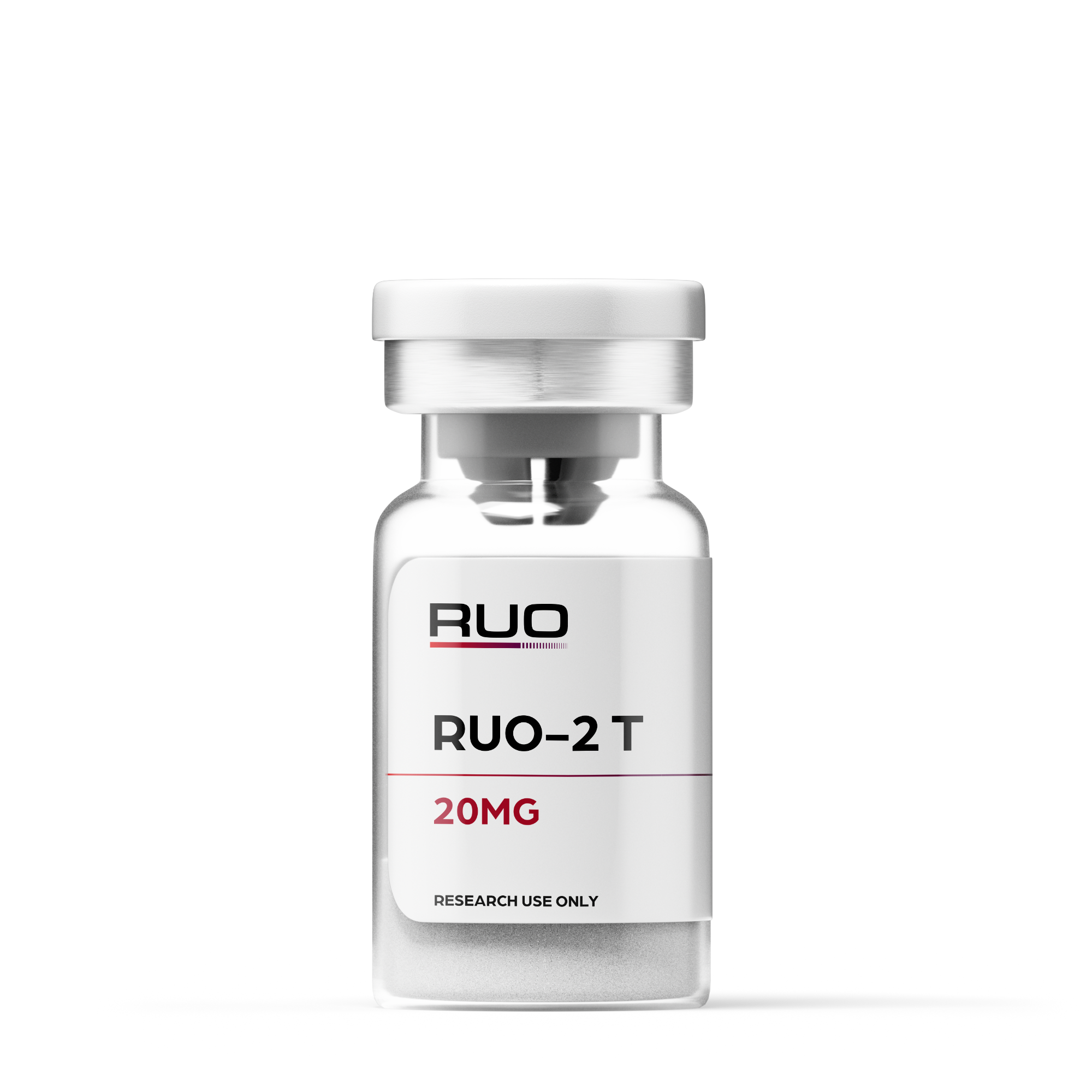
RUO
Tirzepatide
Research
- 2018first citedLY3298176, a novel dual GIP and GLP-1 receptor agonist for the treatment of type 2 diabetes mel…
- 2021most active year6 papers
- 2025most recentTirzepatide as Compared with Semaglutide for the Treatment of Obesity.
- 1.Tirzepatide versus Semaglutide Once Weekly in Patients with Type 2 Diabetes.
- 2.LY3298176, a novel dual GIP and GLP-1 receptor agonist for the treatment of type 2 diabetes mellitus: From discovery to clinical proof of concept.
- 3.Tirzepatide is an imbalanced and biased dual GIP and GLP-1 receptor agonist.
- 4.Tirzepatide Once Weekly for the Treatment of Obesity.
- 5.Dual GIP and GLP-1 Receptor Agonist Tirzepatide Improves Beta-cell Function and Insulin Sensitivity in Type 2 Diabetes.
- 6.Efficacy and safety of a novel dual GIP and GLP-1 receptor agonist tirzepatide in patients with type 2 diabetes (SURPASS-1): a double-blind, randomised, phase 3 trial.
- 7.Once-weekly tirzepatide versus once-daily insulin degludec as add-on to metformin with or without SGLT2 inhibitors in patients with type 2 diabetes (SURPASS-3): a randomised, open-label, parallel-group, phase 3 trial.
- 8.Tirzepatide versus insulin glargine in type 2 diabetes and increased cardiovascular risk (SURPASS-4): a randomised, open-label, parallel-group, multicentre, phase 3 trial.
- 9.Effect of Subcutaneous Tirzepatide vs Placebo Added to Titrated Insulin Glargine on Glycemic Control in Patients With Type 2 Diabetes: The SURPASS-5 Randomized Clinical Trial.
- 10.Tirzepatide vs Insulin Lispro Added to Basal Insulin in Type 2 Diabetes: The SURPASS-6 Randomized Clinical Trial.
- 11.Effect of tirzepatide versus insulin degludec on liver fat content and abdominal adipose tissue in people with type 2 diabetes (SURPASS-3 MRI): a substudy of the randomised, open-label, parallel-group, phase 3 SURPASS-3 trial.
- 12.Effects of tirzepatide versus insulin glargine on kidney outcomes in type 2 diabetes in the SURPASS-4 trial: post-hoc analysis of an open-label, randomised, phase 3 trial.
22 listed here; entry last updated August 2026
Reviews
- Pretty good, mild side effects
I started a month ago at 175 lbs and am now at 150 lbs. I experience some pretty nasty allodynia, but it subsided after supplementing magnesium glycinate
0 - Great for inflammation
I’m 24 female, and tirz has helped me a lot with inflammation and weight loss. I look much better than I used to.
0
My notesprivate to this device
FAQ
What makes tirzepatide different?
It activates both GLP-1 and GIP receptors, giving it a dual-hormone mechanism for appetite and blood sugar.
How often is it taken?
It is designed for once-weekly use thanks to its long half-life.
Why does it cause nausea?
Slowed stomach emptying and appetite signaling changes can lead to nausea, especially early on.
How should it be stored?
It is generally kept refrigerated, and reconstituted peptide should be protected from light and heat.
Adverse effects
- Gastrointestinal effects are the most common, including nausea, diarrhea, reduced appetite, vomiting, and constipation
- Occasional dizziness, indigestion, or abdominal discomfort
- Low blood sugar is uncommon by itself but more likely when combined with insulin or a sulfonylurea
- Labeling advises caution with a personal or family history of medullary thyroid carcinoma or multiple endocrine neoplasia type 2
Notes and cautions
- These effects are usually mild to moderate and tend to appear while the dose is being increased