
spec sheet11 rows
Dulaglutide is a glucagon-like peptide-1 (GLP-1) receptor agonist, a type of injectable medicine used to treat type 2 diabetes and to lower cardiovascular risk. Marketed by Eli Lilly under the brand name Trulicity and approved in 2014, it is a long-acting drug given as a once-weekly injection under the skin. It mimics a natural gut hormone that prompts the pancreas to release insulin when blood sugar is high, while also curbing appetite. In addition to improving blood sugar control, it has been shown to reduce the risk of major cardiovascular events such as heart attack and stroke.
- Steady blood sugar from a gut hormone mimic
- Curbs appetite and trims weight
- Shown to reduce major cardiovascular events
- Long acting; a single weekly injection
- Simple auto-injector, no vials to handle
- Backed by Eli Lilly since 2014
- Nausea, vomiting, or diarrhea, especially when starting
- May reduce appetite and lead to some weight loss
- Not used by people with a history of medullary thyroid cancer
Overview
Dulaglutide belongs to the class of drugs known as GLP-1 receptor agonists, or incretin mimetics, which copy the action of the natural hormone glucagon-like peptide-1 [2]. It is a fusion protein: two modified GLP-1 peptides are joined to a fragment of a human antibody (an IgG4 Fc region), a design that greatly extends how long the drug lasts in the body and allows it to be given just once a week [1]. It is manufactured by Eli Lilly and Company and was approved in 2014 under the brand name Trulicity.
Dulaglutide is used mainly to improve blood sugar control in adults with type 2 diabetes, as an addition to diet and exercise [2]. It is also approved to reduce the risk of major adverse cardiovascular events in people with type 2 diabetes who have established heart disease or cardiovascular risk factors [1]. This second use is based largely on the REWIND trial, a large international study in which dulaglutide modestly reduced the combined rate of nonfatal heart attack, nonfatal stroke, and cardiovascular death compared with placebo over several years [1]. A later analysis of the trial suggested that its cardiovascular benefit was partly explained by improvements in blood sugar and in a urinary marker of kidney health [3].
As a GLP-1 receptor agonist, dulaglutide lowers blood sugar chiefly by prompting insulin release only when glucose levels are high, which limits the risk of causing low blood sugar on its own [2]. Drugs in this class also slow the emptying of the stomach and reduce appetite, and many people lose some weight while taking them [2]. Dulaglutide is given as a subcutaneous injection once weekly using a prefilled pen [1].
Dulaglutide is a prescription-only medicine [1]. Its most common side effects are related to the digestive system and include nausea, vomiting, diarrhea, and reduced appetite, which are often strongest when treatment begins [1]. Like other drugs in its class, it carries a warning against use in people with a personal or family history of medullary thyroid cancer or the syndrome multiple endocrine neoplasia type 2, based on findings in rodent studies [2].
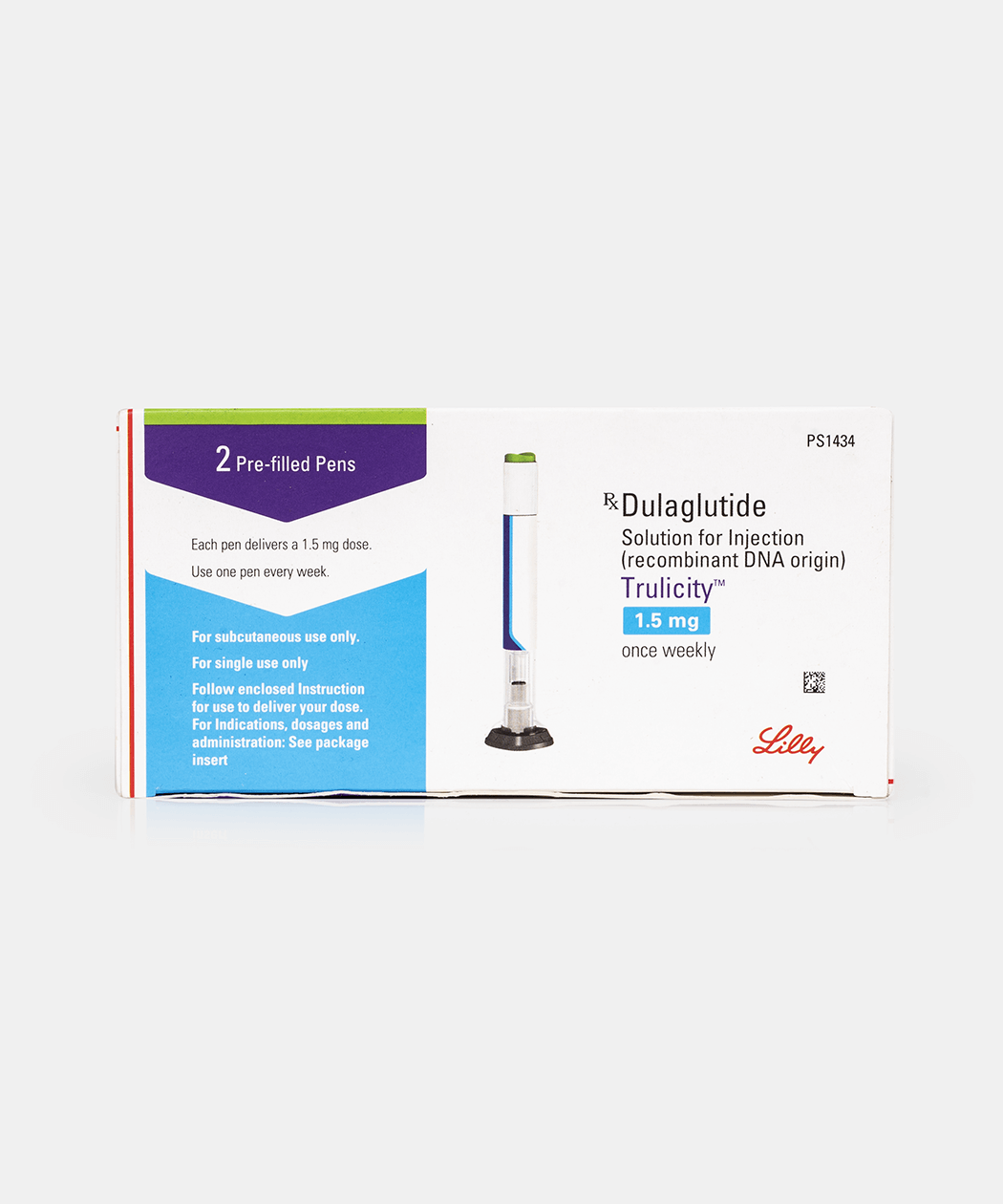
- Dulaglutide is built by fusing GLP-1 analogue peptides to an antibody fragment, a trick that stretches its action out to a full week per injection.
- In the REWIND trial it lowered cardiovascular risk even among participants who had not previously had a heart attack or stroke.
- It stimulates insulin release only when blood sugar is high, which is why it rarely causes hypoglycemia on its own.
Mechanism
Dulaglutide works by activating the -1 receptor, the same receptor used by the body's own incretin hormone glucagon-like -1 [2]. Stimulating this receptor on the -producing beta cells of the pancreas increases the secretion of insulin, but only when blood glucose is elevated, so the effect is described as glucose-dependent [2]. At the same time it suppresses the release of glucagon, a hormone that raises blood sugar, from the pancreatic alpha cells [2]. The drug also slows the rate at which the stomach empties and acts on the brain to increase the feeling of fullness, which reduces food intake and can lead to weight loss [2]. Its attachment to an antibody fragment slows its breakdown and clearance, giving it a long duration of action suited to weekly dosing [1].
receptor fingerprint
-1 receptoragonist
Pancreatic beta cellsstimulates
Glucagon secretionsuppresses
Gastric emptyingslows
Cardiovascular riskreduces
Dosingtypical ranges, not medical advice
interested in protocols and clinical dosages? make an account to see them! ^_^
Safetyrisks and cautions, not medical advice
The most common side effects are gastrointestinal, including nausea, diarrhea, and vomiting, usually worst when starting or increasing the dose. It carries the class boxed warning about thyroid C-cell tumors seen in rodents and a risk of pancreatitis, so it's avoided in people with a history of medullary thyroid cancer or MEN 2. On its own the risk of low blood sugar is low, but it rises when combined with insulin or sulfonylureas.
Interactionsdocumented pairs only, not exhaustive
Dulaglutide delays gastric emptying as a pharmacological effect, and this slows the absorption of orally administered drugs. At the approved 1.5 mg weekly dose, dulaglutide produces no clinically relevant effect on small-molecule pharmacokinetics [4]. This is a pharmacokinetic interaction where dulaglutide alters the absorption rate of co-administered oral drugs, potentially reducing their peak concentrations and delaying onset of effect. In transplant recipients, dulaglutide may indirectly affect tacrolimus levels by slowing gastric emptying, though the clinical significance remains unclear and requires further study [5]. Most oral medications are understudied with dulaglutide at standard therapeutic doses; the interaction risk is lowest at the approved 1.5 mg weekly dose.
Checking a whole stack? Run it through interactions + stacks.
History
Dulaglutide was developed by Eli Lilly and Company as a long-acting glucagon-like peptide-1 (GLP-1) receptor agonist engineered for convenient once-weekly dosing. Its design links two modified GLP-1 analogue peptides to a fragment of a human immunoglobulin, a construction that slows the molecule's breakdown and clearance and gives it an extended duration of action. The United States Food and Drug Administration approved it in 2014 under the brand name Trulicity for the treatment of type 2 diabetes.
A major milestone followed with the REWIND cardiovascular outcomes trial, reported in 2019, which showed that dulaglutide reduced the risk of major adverse cardiovascular events in a broad population of people with type 2 diabetes, including many without established cardiovascular disease. On the strength of that evidence its label was expanded to include the reduction of cardiovascular risk, cementing its place among the GLP-1 receptor agonists that reshaped diabetes care.
Reputation
Dulaglutide earned a strong reputation for combining effective blood-sugar control with genuine cardiovascular protection, all in a simple once-weekly injection using a ready-to-use pen that many patients find easy to self-administer. The REWIND trial was notable for demonstrating benefit even in participants without prior cardiovascular events, broadening the appeal of the drug class.
Alongside glucose lowering it commonly produces modest weight loss and carries a low intrinsic risk of hypoglycemia, since it stimulates insulin only when blood glucose is elevated. The honest caveats are the gastrointestinal side effects, chiefly nausea, that are typical of GLP-1 agonists and most prominent when starting or increasing the dose, along with class labeling cautions regarding thyroid C-cell tumors observed in rodents. For many people with type 2 diabetes, though, it offers a well-rounded balance of efficacy, convenience, and heart protection.
Subjective profileweighing the evidence above
A dependable, well-studied GLP-1 with cardiovascular benefits; great for diabetes, just middle-of-the-pack for weight loss.
Where to buy
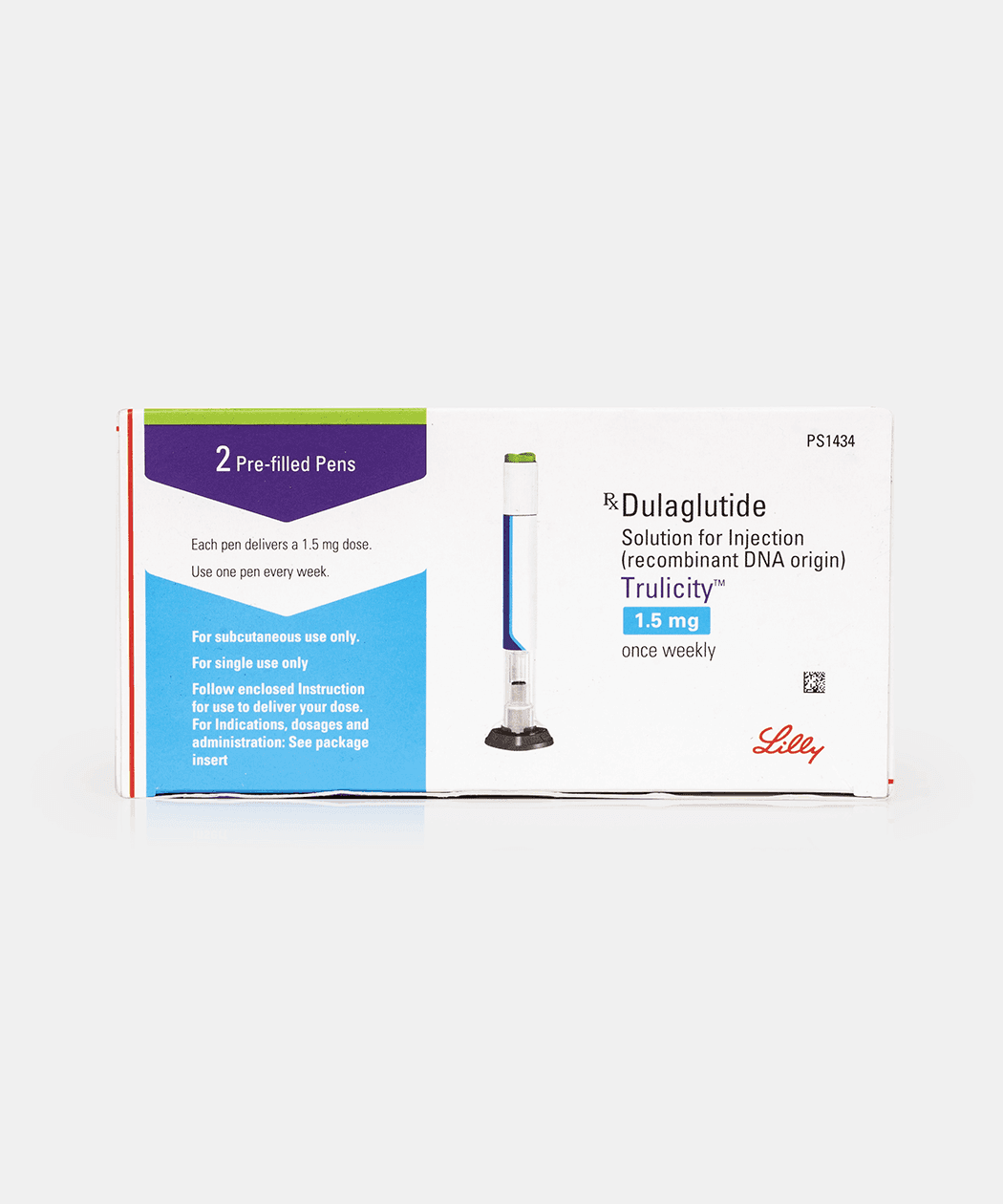
Suppliers
Vendors carrying Dulaglutide, with live product details and codes. Links are affiliate links that support the wiki at no cost to you.
PCT.Zone
Dulaglutide
Research
- 2018first citedGlucagon-Like Peptide-1 Receptor Agonists and Cardiovascular Risk Reduction in Type 2 Diabetes…
- 2019controlled trialDulaglutide and cardiovascular outcomes in type 2 diabetes (REWIND): a double-blind, randomised…
- 2026most recentGlucagon-Like Peptide-1 (GLP-1) Receptor Agonist Treatment After Liver Transplantation: A Hypot…
- 1.Dulaglutide and cardiovascular outcomes in type 2 diabetes (REWIND): a double-blind, randomised placebo-controlled trial
- 2.Glucagon-Like Peptide-1 Receptor Agonists and Cardiovascular Risk Reduction in Type 2 Diabetes Mellitus: Is It a Class Effect?
- 3.Exploring potential mediators of the cardiovascular benefit of dulaglutide in type 2 diabetes patients in REWIND
- 4.A Combined Modeling Approach to Predict the Effect of Gastric Emptying Delay on the Pharmacokinetics of Small Molecules.
- 5.Glucagon-Like Peptide-1 (GLP-1) Receptor Agonist Treatment After Liver Transplantation: A Hypothesis-Generating Case Report.
5 listed here; entry last updated August 2026
Reviews
My notesprivate to this device
FAQ
What brand is dulaglutide?
It's sold as Trulicity.
Does it help with weight?
Yes, modestly, though it's not as strong for weight loss as semaglutide or tirzepatide.
Does it protect the heart?
In the REWIND trial it reduced major cardiovascular events in people with type 2 diabetes.
How is it taken?
A once-weekly subcutaneous injection from a prefilled auto-injector.
Adverse effects
- Nausea, vomiting, or diarrhea, especially when starting
- May reduce appetite and lead to some weight loss
- Not used by people with a history of medullary thyroid cancer
- Given as a once-weekly injection under the skin