
spec sheet13 rows
Semaglutide is a glucagon-like peptide-1 (GLP-1) receptor agonist, a class of drug that mimics a natural gut hormone to lower blood sugar and reduce appetite. Developed by Novo Nordisk, it is used to treat type 2 diabetes and, at higher doses, obesity and overweight, and it has been shown to lower the risk of major cardiovascular events. It is marketed as Ozempic and Rybelsus for diabetes and as Wegovy for weight management, given as a weekly injection or, in one form, an oral tablet.
- Serious, visible weight loss
- Kills appetite; hunger stops running the day
- Steadier blood sugar all day
- Slows stomach emptying; fullness lasts
- One weekly injection, or a tablet
- Cardiometabolic upside beyond the scale
- Nausea
- Vomiting
- Diarrhea or constipation
Overview
Semaglutide is a synthetic analogue of the human hormone glucagon-like peptide-1 (GLP-1) and belongs to the class of GLP-1 receptor agonists [1]. GLP-1 is an incretin hormone released from the gut after eating that stimulates insulin, suppresses glucagon, slows stomach emptying, and promotes fullness [1][2]. Semaglutide is engineered to resist the rapid breakdown that inactivates natural GLP-1, giving it a half-life of about a week, which allows once-weekly dosing [2]. It was developed by the Danish company Novo Nordisk [1].
The drug was first approved for type 2 diabetes, where it improves blood sugar control, and it was later approved at a higher dose for chronic weight management in people with obesity or with overweight and weight-related conditions [1]. In the STEP 1 trial, adults without diabetes who received the higher-dose regimen alongside lifestyle changes lost on average about fifteen percent of their body weight, far more than with placebo [1]. A companion trial, STEP 4, showed that continued treatment was needed to maintain the loss, since switching to placebo led to weight regain [4].
Beyond glucose and weight, semaglutide reduces cardiovascular risk. In the SUSTAIN-6 trial in patients with type 2 diabetes at high cardiovascular risk, it lowered the combined rate of cardiovascular death, heart attack, and stroke compared with placebo [2]. The later SELECT trial extended this finding to people with overweight or obesity and established cardiovascular disease but without diabetes, where semaglutide again reduced major adverse cardiovascular events [3].
Semaglutide is available as a once-weekly subcutaneous injection, marketed as Ozempic for diabetes and Wegovy for weight management, and as a daily oral tablet marketed as Rybelsus [1]. It was first approved in the United States in 2017 for diabetes and in 2021 for weight management, and it has since become one of the most widely used and commercially successful medications in the world [1]. It is a prescription-only drug [1].
The most common side effects are gastrointestinal, including nausea, vomiting, diarrhea, and constipation, which tend to be worst during dose escalation and often ease with time [1]. Less common but more serious concerns include pancreatitis, gallbladder problems, and, in animal studies, thyroid C-cell tumors, which is why it is contraindicated in people with a personal or family history of medullary thyroid carcinoma [1]. Because the appetite suppression and weight loss reverse after stopping, long-term use is generally required to maintain the benefit [4].

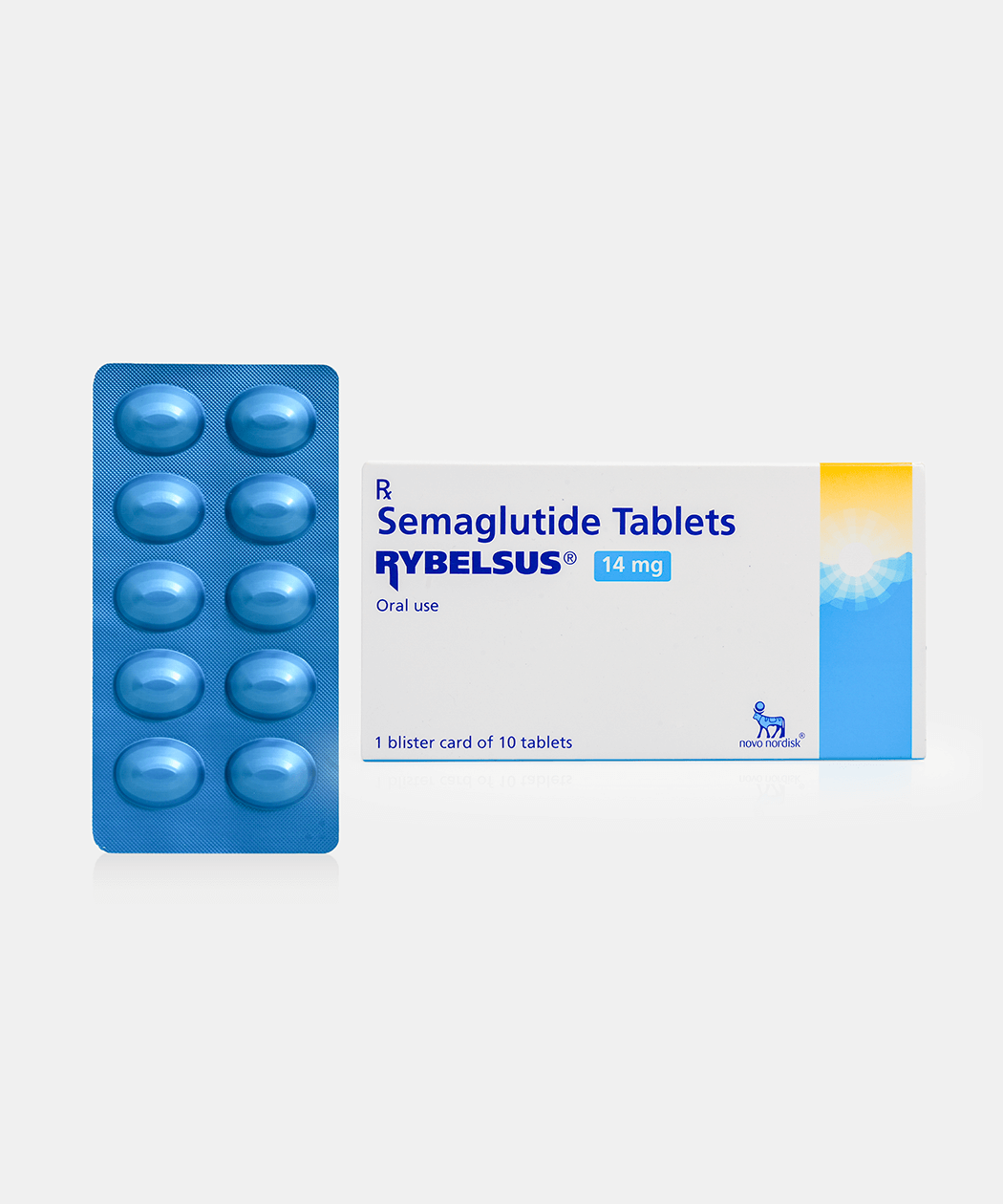
- In its oral form, Rybelsus, semaglutide became the first GLP-1 receptor agonist that could be taken as a pill rather than an injection, an achievement made possible by pairing it with an absorption enhancer.
- A single dose stays active for about a week, which is why the injectable versions are given just once every seven days.
Mechanism
Semaglutide works by activating the receptor for glucagon-like -1, an incretin hormone, in several tissues [1][2]. In the pancreas it stimulates release from beta cells in a glucose-dependent manner and suppresses the release of glucagon, which together lower blood sugar while carrying a low risk of hypoglycemia [2]. In the stomach it slows gastric emptying, so food is digested more gradually and blood glucose rises more slowly after meals [1].
In the brain, particularly in the appetite-regulating centers of the , it enhances satiety and reduces hunger, leading people to eat less and lose weight [1]. Its cardiovascular benefits are thought to arise indirectly from these improvements in weight, blood sugar, blood pressure, and lipids, together with possible direct anti-inflammatory and vascular effects [2][3]. Structural modifications, including a fatty-acid chain that binds to albumin, protect the molecule from enzymatic degradation and extend its action to about one week [2].
receptor fingerprint
-1 receptor (GLP1R)Agonist
Pancreatic beta-cell secretionStimulates (glucose-dependent)
Hypothalamic appetite centers (POMC/AgRP neurons)Activates satiety signaling
Pancreatic alpha-cell glucagonSuppresses
Gastric emptying (vagal -1 receptors)Slows
Dosingtypical ranges, not medical advice
interested in protocols and clinical dosages? make an account to see them! ^_^
Safetyrisks and cautions, not medical advice
Semaglutide is a GLP-1 receptor agonist whose most common effects are gastrointestinal, including nausea, vomiting, diarrhea, and constipation, usually dose-related. Less common but important risks include gallbladder disease, acute pancreatitis, dehydration and kidney injury from vomiting, and hypoglycemia when combined with insulin or sulfonylureas, and delayed gastric emptying can raise aspiration risk around anesthesia. It carries a boxed warning for thyroid C-cell tumors seen in rodents and is contraindicated in people with a personal or family history of medullary thyroid carcinoma or MEN2.
Interactionsdocumented pairs only, not exhaustive
Semaglutide has a remarkably clean interaction profile because it does not inhibit or induce cytochrome P450 enzymes. The major documented consideration is not a drug interaction but a food effect; semaglutide oral formulations must be taken on an empty stomach with only plain water, as food (particularly high-fat meals) impairs the absorption provided by the sodium N-[8-{2-hydroxybenzoyl}amino]caprylate (SNAC) permeation enhancer [23]. The interaction with other GLP-1 agonists has not been systematically studied in humans and is contraindicated on theoretical grounds. Combinations with most common medications (metformin, ACE inhibitors, statins, antidepressants) have not revealed clinically significant interactions in clinical trial data, leaving a vast unexplored space.
Checking a whole stack? Run it through interactions + stacks.
Reconstitutionarithmetic only, not dosing advice
arithmetic only; not medical or dosing advice.
History
Semaglutide was developed by Novo Nordisk as part of a long-running program to extend the very short natural life of the incretin hormone GLP-1, building on the company's earlier once-daily agonist liraglutide. Chemists attached a fatty-acid side chain that binds reversibly to albumin and made substitutions that resist enzymatic breakdown, together stretching the molecule's action to roughly a week. It was first approved by the US Food and Drug Administration in 2017 as the once-weekly injection Ozempic for type 2 diabetes, followed by the oral tablet Rybelsus in 2019 and by the higher-dose Wegovy for chronic weight management in 2021. The later SELECT trial then established that it reduces the risk of major cardiovascular events in people with overweight or obesity who do not have diabetes.
Reputation
Semaglutide is widely regarded as a landmark in metabolic medicine, having reshaped how obesity and type 2 diabetes are treated and drawing intense public and scientific interest. Enthusiasm rests on strong evidence: consistent double-digit weight loss, robust glucose control with a low intrinsic risk of hypoglycemia, and a documented reduction in cardiovascular events. Users and clinicians frequently note that its once-weekly dosing and, for one form, an oral option make it unusually convenient for an injectable-class drug. Honest discussion also acknowledges its limitations, including common gastrointestinal side effects such as nausea, the tendency for weight to return after stopping, and questions about long-term cost and access. On balance it is viewed as effective and well characterized while still benefiting from ongoing study of its broader effects.
Subjective profileweighing the evidence above
The weight loss and blood-sugar improvements are large, durable and unusually well documented, which is why it reset the field. It is a prescription drug with slow titration for a reason, the nausea can be rough early on, and it carries a boxed warning for thyroid C-cell tumors.
Where to buy


Suppliers
Vendors carrying Semaglutide, with live product details and codes. Links are affiliate links that support the wiki at no cost to you.
| supplier | size | price | $/mg |
|---|---|---|---|
| PCT.Zonelowest | 14MG | $74.97 | $5.35/mg |
| PCT.Zone | 7MG | $69.62 | $9.95/mg |
| PCT.Zone | 3MG | $64.26 | $21.42/mg |
| PCT.Zone | 2.4MG | $402.90 | $167.88/mg |
| PCT.Zone | 1MG | $341.70 | $341.70/mg |
| PCT.Zone | 0.25MG | $285.60 | $1142.40/mg |
PCT.Zone
Semaglutide
PCT.Zone
Semaglutide

PCT.Zone
Semaglutide
PCT.Zone
Semaglutide
PCT.Zone
Semaglutide
PCT.Zone
Semaglutide
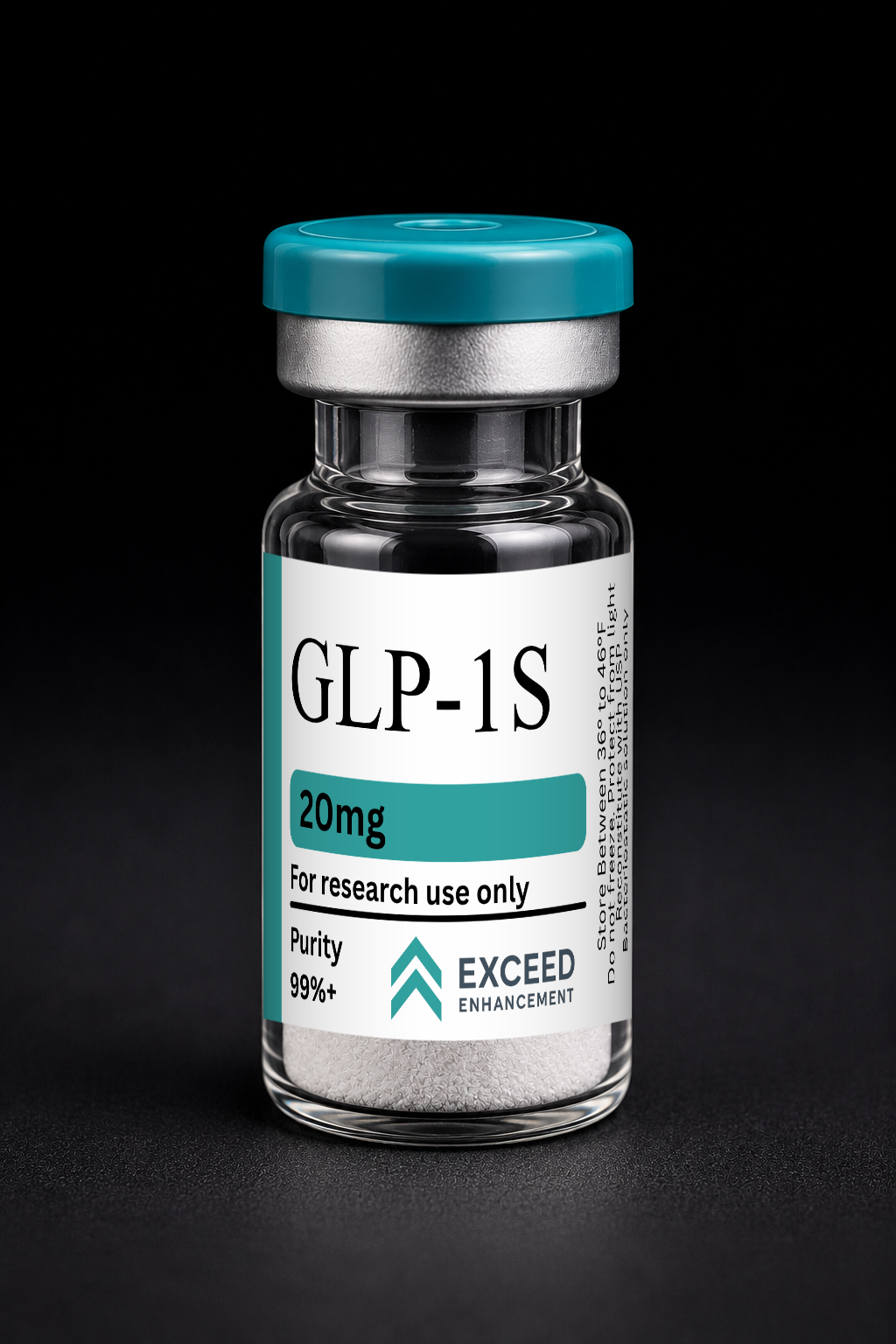
Exceed Enhancement
Semaglutide
Research
- 2016first citedSemaglutide and Cardiovascular Outcomes in Patients with Type 2 Diabetes.
- 2021most active year5 papers
- 2026most recentFood-drug interactions of novel drugs used in cardiologic and diabetic patients - a PRISMA scop…
- 1.Once-Weekly Semaglutide in Adults with Overweight or Obesity.
- 2.Semaglutide and Cardiovascular Outcomes in Patients with Type 2 Diabetes.
- 3.Semaglutide and Cardiovascular Outcomes in Obesity without Diabetes.
- 4.Effect of Continued Weekly Subcutaneous Semaglutide vs Placebo on Weight Loss Maintenance in Adults With Overweight or Obesity: The STEP 4 Randomized Clinical Trial.
- 5.GLP-1 receptor agonists in the treatment of type 2 diabetes - state-of-the-art.
- 6.Semaglutide 2·4 mg once a week in adults with overweight or obesity, and type 2 diabetes (STEP 2): a randomised, double-blind, double-dummy, placebo-controlled, phase 3 trial.
- 7.Effect of Subcutaneous Semaglutide vs Placebo as an Adjunct to Intensive Behavioral Therapy on Body Weight in Adults With Overweight or Obesity: The STEP 3 Randomized Clinical Trial.
- 8.Two-year effects of semaglutide in adults with overweight or obesity: the STEP 5 trial.
- 9.Effect of Weekly Subcutaneous Semaglutide vs Daily Liraglutide on Body Weight in Adults With Overweight or Obesity Without Diabetes: The STEP 8 Randomized Clinical Trial.
- 10.Weight regain and cardiometabolic effects after withdrawal of semaglutide: The STEP 1 trial extension.
- 11.Once-Weekly Semaglutide in Adolescents with Obesity.
- 12.Efficacy and safety of once-weekly semaglutide versus once-daily insulin glargine as add-on to metformin (with or without sulfonylureas) in insulin-naive patients with type 2 diabetes (SUSTAIN 4): a randomised, open-label, parallel-group, multicentre, multinational, phase 3a trial.
23 listed here; entry last updated August 2026
Reviews
My notesprivate to this device
FAQ
What is semaglutide?
It is a GLP-1 receptor agonist that mimics an incretin hormone to reduce appetite and improve blood sugar. It is used for weight management and type 2 diabetes.
Why is it taken weekly?
Its long half-life allows once-weekly injection. There is also a daily oral version taken on an empty stomach.
Why does it reduce appetite?
It slows stomach emptying and acts on appetite centres in the brain. This tends to increase fullness and reduce food intake.
What side effects are most common?
Gastrointestinal effects such as nausea are the most frequently reported. They often ease as the body adjusts over time.
Adverse effects
- Nausea
- Vomiting
- Diarrhea or constipation
- Reduced appetite
- Rare pancreatitis or gallbladder problems
- Weight regain after stopping