
spec sheet12 rows
Semax is a synthetic peptide nootropic and neuroprotective agent based on a fragment of adrenocorticotropic hormone (ACTH), developed in Russia and used there clinically for cognition, stroke, and brain injury. It rapidly raises the brain's own growth factors, BDNF and NGF, and modulates dopamine and serotonin, underpinning its reputation for sharper focus, memory, and mental drive. Delivered as a nasal spray and stripped of any hormonal activity, it pairs cognitive support with genuine neuroprotection.
- Sharpens focus and mental drive
- Rapidly raises BDNF and NGF
- Fast acting nasal delivery
- Lifts mood and motivation
- Genuine neuroprotection, used clinically in Russia
- No hormonal activity at all
- Mild nasal irritation
- Occasional headache
- A touch of overstimulation in some
Overview
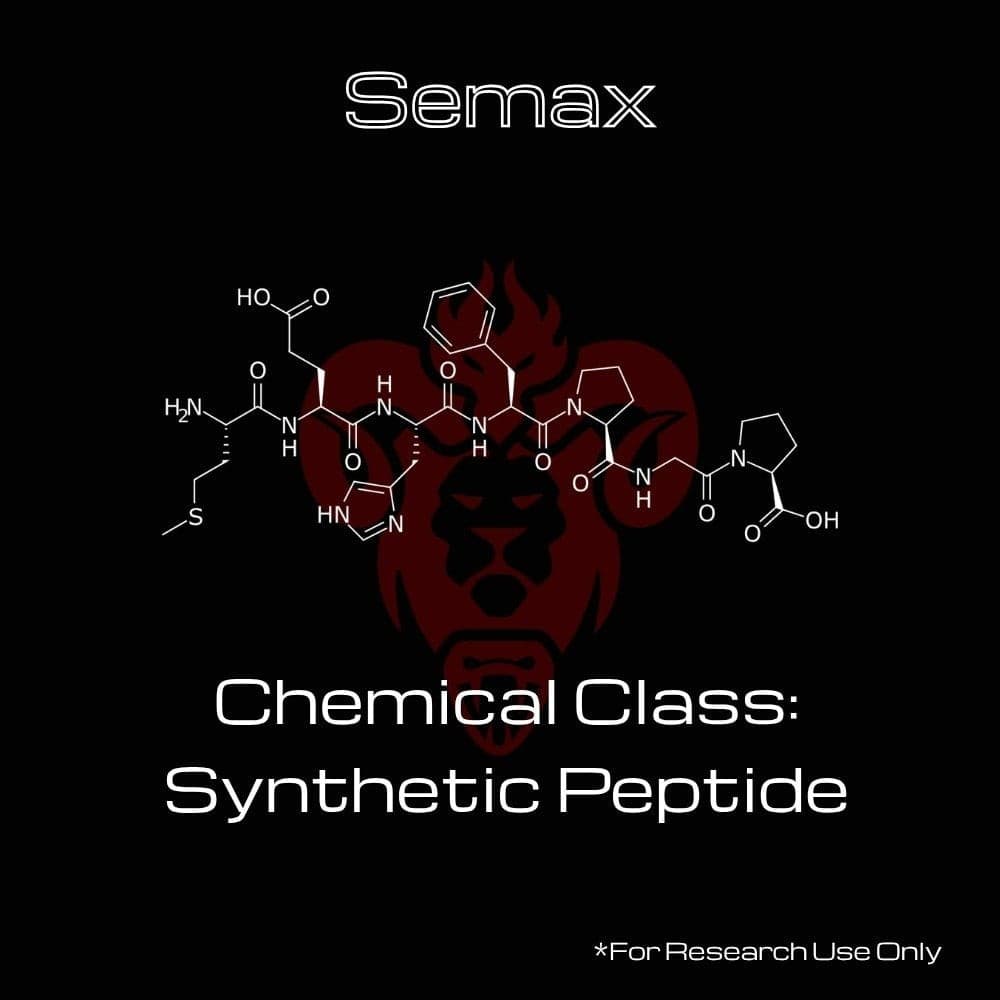
Semax is a synthetic heptapeptide, Met-Glu-His-Phe-Pro-Gly-Pro, engineered as an analogue of the N-terminal ACTH(4-10) fragment to which a stabilizing Pro-Gly-Pro tail has been added [2][3]. Crucially it is devoid of the hormonal activity of ACTH, so it acts as a neuromodulator rather than a stress hormone, and it is classified as a nootropic and neuroprotective peptide [6]. It was developed at the Institute of Molecular Genetics of the Russian Academy of Sciences and has been used in Russian clinical practice for cognitive disorders, ischemic stroke, and optic nerve conditions [2][6].
The core of its research profile is neurotrophin biology. Multiple independent studies show that Semax rapidly increases brain-derived neurotrophic factor, both its messenger RNA and protein, across brain regions including the hippocampus and basal forebrain, and that it modulates nerve growth factor expression in a region-specific and time-dependent manner [1][2][3][4]. Binding studies have demonstrated specific, reversible, calcium-dependent binding sites for Semax in the rat basal forebrain, providing a molecular anchor for its central effects [2]. Its neuroprotective and pro-cognitive actions have prompted proposals for uses ranging from attention disorders to developmental conditions [5].
Semax is approved and marketed as a medicine in Russia but is not authorized by the United States Food and Drug Administration or the European Medicines Agency, so elsewhere it is treated as a research peptide [2][6]. It is typically administered as an intranasal solution, a route that suits peptide delivery and supports transport toward the brain. Its lasting interest comes from the combination it offers; measurable elevation of endogenous neurotrophins together with modulation of dopamine and serotonin systems, giving both cognitive enhancement and protection of neurons under stress [1][5][6].
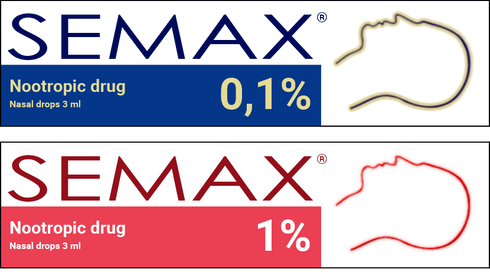
- Semax is derived from ACTH but engineered to keep the brain benefits while discarding all of the hormone's effects on the adrenal glands.
- A single intranasal dose can raise BDNF and NGF gene expression in the hippocampus within about an hour.
Mechanism
Semax exerts its effects largely by boosting the brain's own neurotrophic factors and by modulating monoamine neurotransmission. After intranasal administration, it produces a rapid, region-specific rise in brain-derived neurotrophic factor and nerve growth factor gene expression; studies using real-time PCR found increased neurotrophin messenger RNA in the within an hour of a single dose, with distinct patterns across the frontal , brainstem, cerebellum, and retina [3][4]. Parallel work confirmed that the raises brain-derived neurotrophic factor protein, not just transcript, in the basal forebrain, and that this occurs through specific membrane binding sites with a dissociation constant of about 2.4 nM, indicating genuine high-affinity target engagement [1][2].
These molecular actions translate into the cognitive and neuroprotective benefits for which Semax is used. Because brain-derived neurotrophic factor and nerve growth factor govern plasticity, neuronal survival, and the maintenance of cholinergic and other neuron populations, sustained elevation supports learning, memory formation, and attention while helping neurons withstand ischemic and toxic stress [1][2][5]. Semax has also been shown to augment central release and to influence and other biogenic amines, which contributes to its effects on drive, mood, and selective attention [5][6].
The breadth of these actions is illustrated by protective studies; Semax attenuated behavioral and neurochemical disturbances and normalized brain biogenic amine levels in rats subjected to early-life serotonergic drug exposure, reducing anxiety-like behavior and improving learning [6]. On the mechanistic side, its structure allows metal coordination and antioxidant-relevant chemistry that some researchers link to cytoprotection, although the dominant and best-supported pathway remains neurotrophin induction [2]. Quantitatively, the most defensible anchors are its nanomolar-range binding affinity in the basal forebrain and the reproducible, rapid rises in neurotrophin expression documented across several laboratories [1][2][3][4].
receptor fingerprint
/ upregulates
()agonist
inhibits
/ raises turnover
Dosingtypical ranges, not medical advice
interested in protocols and clinical dosages? make an account to see them! ^_^
Safetyrisks and cautions, not medical advice
Semax looks clean in the short term, with no real toxicity reported in trials or community use at normal doses. Keep away from it if you or your family have epilepsy or a seizure history, since its melanocortin activity may lower the seizure threshold. Be cautious stacking it with MAOIs or serotonergic meds, given how it shifts monoamine turnover. It isn't FDA or EMA approved; in the US, EU, and most of the West it's a research chemical, legal to buy but not sold for human use, while Russia and Ukraine actually prescribe it. The nasal spray can sting a bit locally, and if you're using injectables, sterility is non-negotiable; sloppy handling invites infection. Long-term data in healthy people is still thin.
Reconstitutionarithmetic only, not dosing advice
arithmetic only; not medical or dosing advice.
History
Semax is a synthetic peptide developed in Russia during the 1980s and 1990s through collaboration between Moscow State University and the Institute of Molecular Genetics of the Russian Academy of Sciences, with Nikolay Myasoedov among its principal developers. It is based on the ACTH(4-10) fragment of adrenocorticotropic hormone, to which a Pro-Gly-Pro sequence was added to resist enzymatic breakdown and prolong action while stripping away the parent hormone's endocrine effects. The peptide was entered into the Russian State Register of medicines and has been used clinically there for cognitive disorders, stroke, and optic nerve conditions. Later mechanistic studies, including work published in 2005 showing activation of dopaminergic and serotonergic systems, helped clarify how a short ACTH-derived peptide produces nootropic and neuroprotective effects.
Reputation
Semax enjoys a strong reputation as one of the most compelling nootropic peptides, valued for a rare combination of sharper focus, improved memory, and genuine neuroprotection rather than mere stimulation. Users and researchers are drawn to its rapid, region-specific induction of the brain's own growth factors, BDNF and NGF, together with high-affinity binding in the basal forebrain that signals real target engagement. Its intranasal convenience and the fact that it carries no hormonal activity add to the appeal. It is fair to note that the bulk of the clinical evidence comes from Russia and that it is not approved in Western countries, so quality large-scale data outside Russia remain limited. Nonetheless, its reproducible neurotrophin effects and clinical track record give it lasting credibility.
Subjective profileweighing the evidence above
Semax is not the most compelling option here; it is fine, but if you want real neurotrophic, brain-building effects, Dihexa and Adamax are more efficacious and more worth your time first.
Where to buy
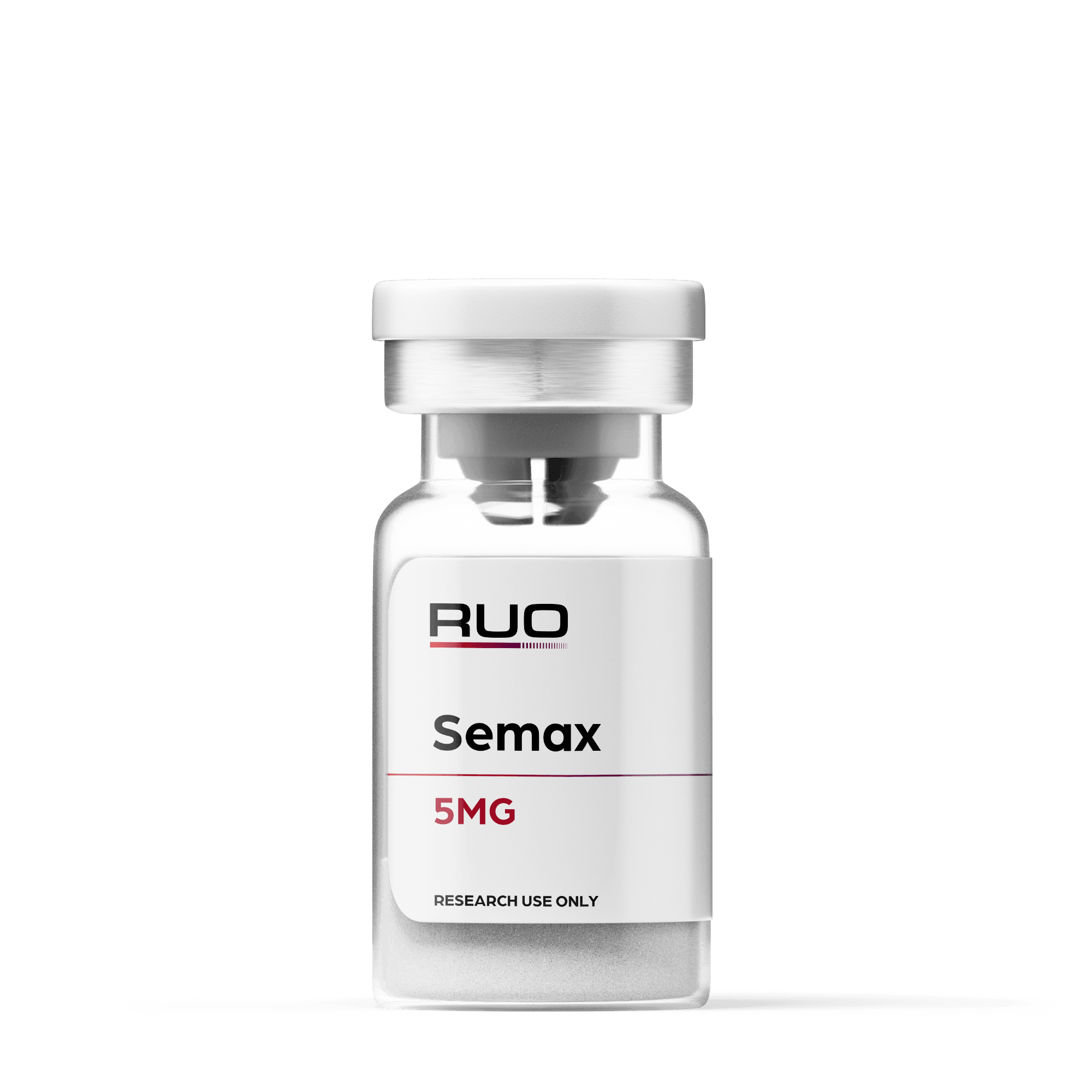
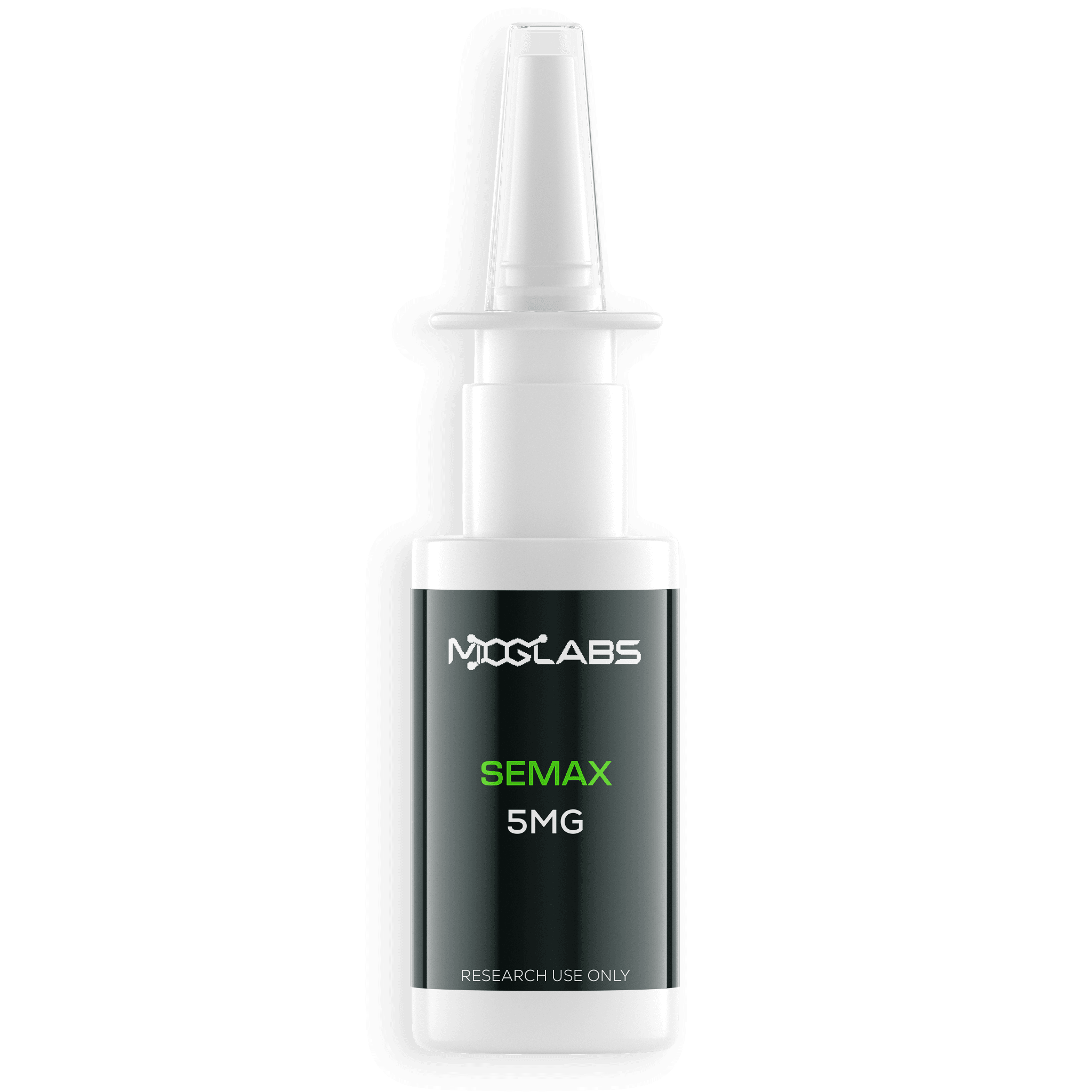
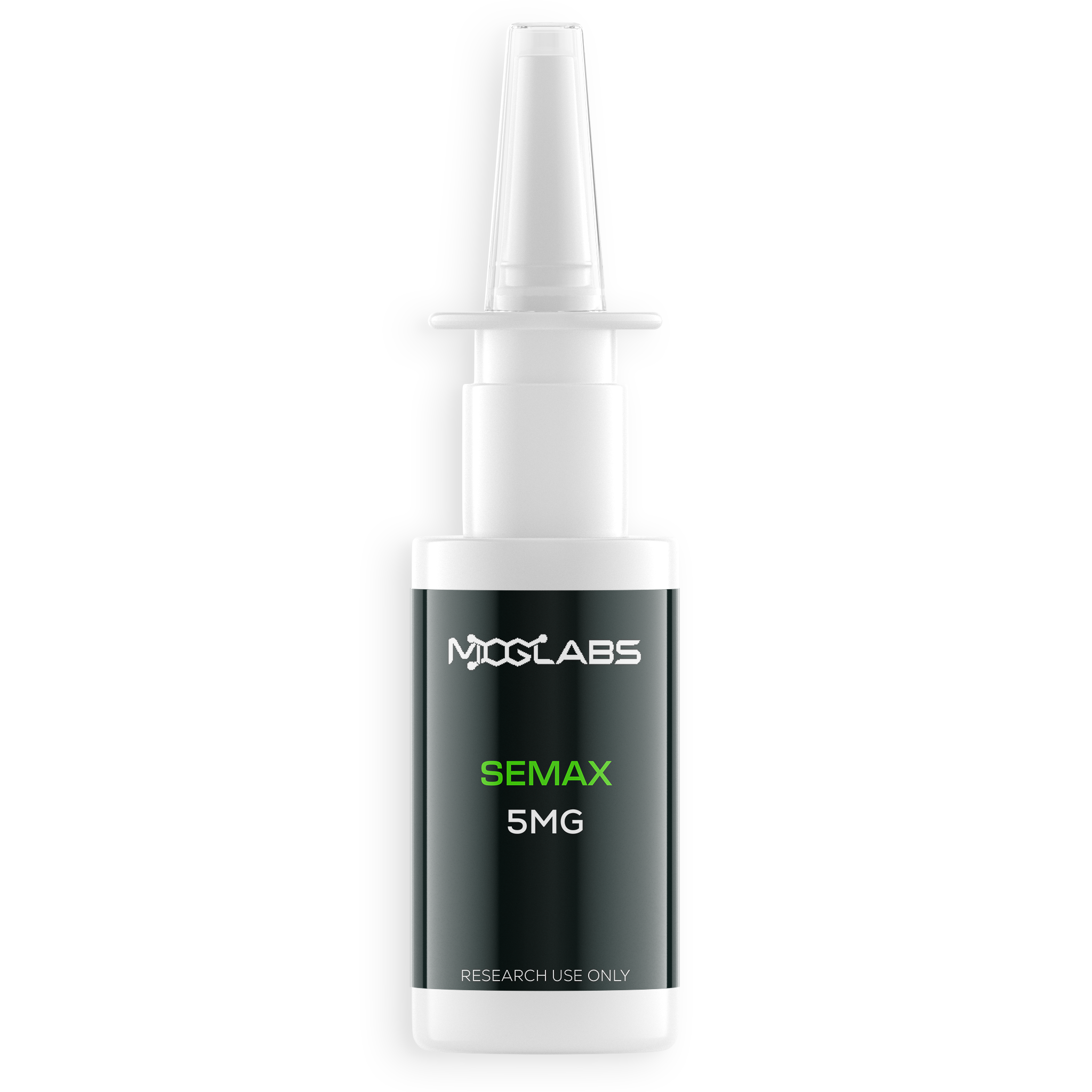
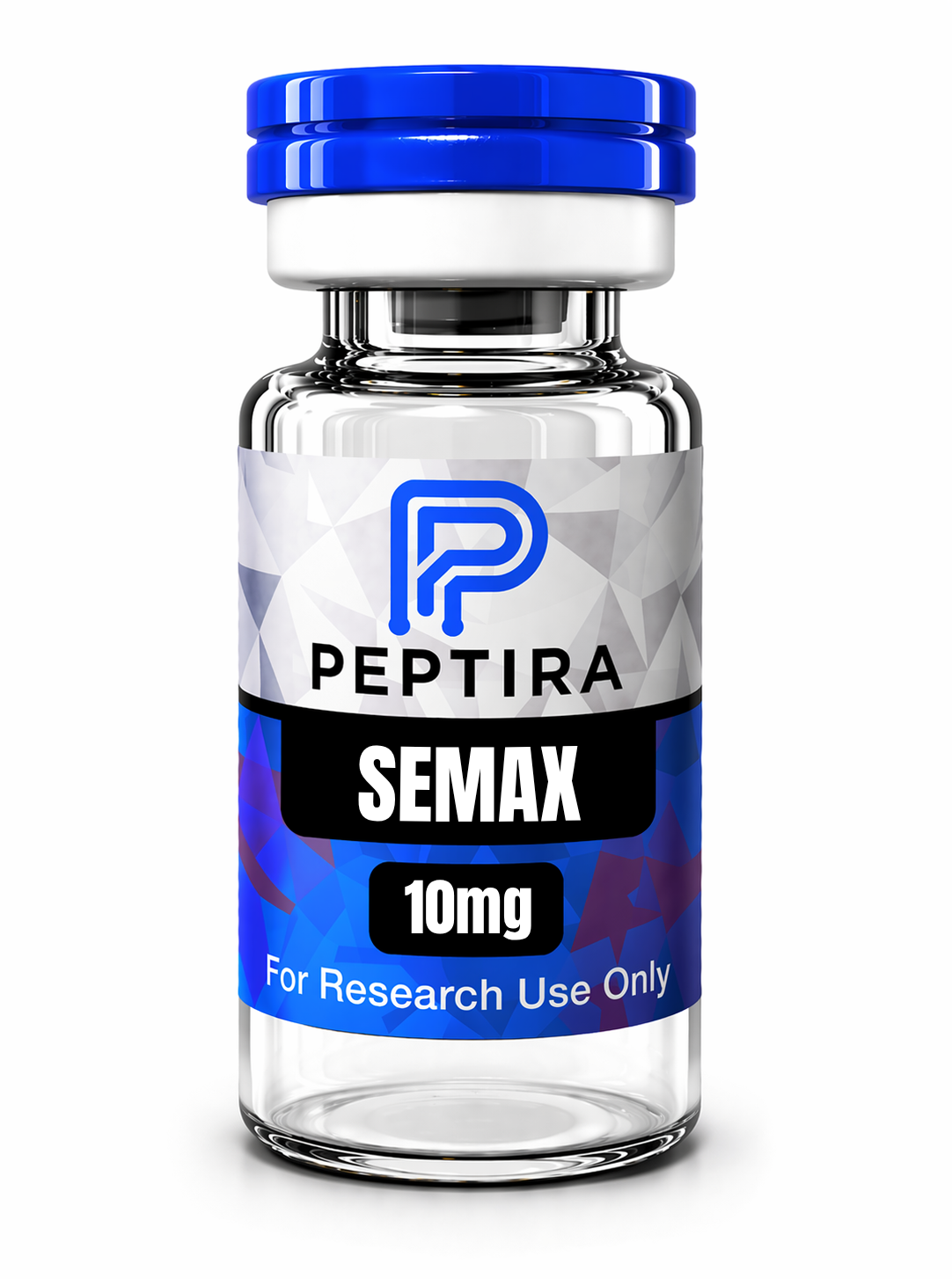
Suppliers
Vendors carrying Semax, with live product details and codes. Links are affiliate links that support the wiki at no cost to you.
| supplier | size | price | $/mg |
|---|---|---|---|
| Moglabslowest | 5mg | $26.00 | $5.20/mg |
| RUOlowest | 5mg | $26.00 | $5.20/mg |
| Moglabs | 5mg | $36.00 | $7.20/mg |
RUPharma🌐
Semax
Exceed Enhancement
Semax
RUO
Semax
Moglabs
Semax
Kimera Chems
Semax
Moglabs
Semax
Peptira
Semax
Research
- 1986first cited[Catecholaminergic component of the action of a heptapeptide analog of ACTH4-10 on the open-fie…
- 2006most active year4 papers
- 2018controlled trialEffects of Semax on the Default Mode Network of the Brain.
- 2025most recentSemax peptide targets the μ opioid receptor gene Oprm1 to promote deubiquitination and function…
- 1.Semax, an analogue of adrenocorticotropin (4-10), binds specifically and increases levels of brain-derived neurotrophic factor protein in rat basal forebrain.
- 2.The heptapeptide SEMAX stimulates BDNF expression in different areas of the rat brain in vivo.
- 3.Neurotrophin gene expression in rat brain under the action of Semax, an analogue of ACTH 4-10.
- 4.Comparison of the temporary dynamics of NGF and BDNF gene expression in rat hippocampus, frontal cortex, and retina under Semax action.
- 5.Semax, an analogue of adrenocorticotropin (4-10), is a potential agent for the treatment of attention-deficit hyperactivity disorder and Rett syndrome.
- 6.Semax, synthetic ACTH(4-10) analogue, attenuates behavioural and neurochemical alterations following early-life fluvoxamine exposure in white rats.
- 7.Semax, an ACTH(4-10) analogue with nootropic properties, activates dopaminergic and serotoninergic brain systems in rodents.
- 8.Semax peptide targets the μ opioid receptor gene Oprm1 to promote deubiquitination and functional recovery after spinal cord injury in female mice.
- 9.The Effect of Peptide Semax, an ACTH(4-10) Analogue, on Intracellular Calcium Dynamics in Rat Brain Neurons.
- 10.Novel Insights into the Protective Properties of ACTH((4-7))PGP (Semax) Peptide at the Transcriptome Level Following Cerebral Ischaemia-Reperfusion in Rats.
- 11.Brain Protein Expression Profile Confirms the Protective Effect of the ACTH((4-7))PGP Peptide (Semax) in a Rat Model of Cerebral Ischemia-Reperfusion.
- 12.Semax, an analog of ACTH((4-7)), regulates expression of immune response genes during ischemic brain injury in rats.
27 listed here; entry last updated August 2026
Reviews
- Focus
Semax improved my ADHD symptoms to a reasonable extent. It has been great for focus and learning.
0 - Dangerously Strong
Please be careful. There's not enough space in anyone's skull for the neurogenesis that happens on this stuff. Your brain might double in mass on Semax.
0
My notesprivate to this device
FAQ
What is Semax?
It is a peptide derived from a fragment of ACTH, developed in Russia and used for focus and cognitive support. It is often taken as a nasal spray.
How might it affect the brain?
Research suggests it can increase growth factors like BDNF and NGF. It has also been studied for protecting neurons.
Why intranasal use?
Peptides degrade quickly if swallowed, so nasal delivery is used for better absorption. Effects from a dose tend to be short-lived.
Is it approved elsewhere?
It is used in Russia but is not an approved medicine in most Western countries. Broader research is limited.
Adverse effects
- Mild nasal irritation
- Occasional headache
- A touch of overstimulation in some
- Mild fatigue
Notes and cautions
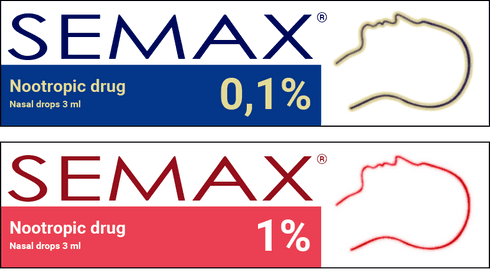
- Semax is administered as nasal drops, and the route has been measured directly rather than assumed. Tritium labelled Semax given intranasally to rats reached brain tissue within two minutes, with about 0.093 percent of the administered radioactivity per gram of brain, roughly 80 percent of which was still intact peptide [25]. A head to head comparison found intranasal Semax more potent than intraperitoneal Semax for improving passive avoidance learning, while the analgesic effect seen after injection did not appear after nasal dosing at all [19]. In humans, intranasal 1 percent Semax altered resting state default mode network topography against placebo in healthy volunteers [26], and an open label trial in motor neuron disease used the same 1 percent solution intranasally [27]. What the human work does not establish is how much peptide actually crosses into the brain in people; the quantitative nose to brain measurement exists only in rats, and the fraction it reports is small.