
spec sheet11 rows
Retatrutide (development code LY3437943) is an investigational once-weekly injectable peptide that activates three gut and pancreatic hormone receptors at once: the GIP, GLP-1, and glucagon receptors. Developed by Eli Lilly, it is being studied for obesity, type 2 diabetes, and fatty liver disease. In a Phase 2 obesity trial it produced substantial weight loss, and it has advanced into Phase 3 testing.
- Major fat loss, backed by human trial data
- Strong appetite control, once weekly
- Triple action on GLP-1, GIP and glucagon
- Supports steadier blood sugar
- Metabolic rate support built in
- Advanced into Phase 3 testing
- Nausea, vomiting, or diarrhea, most common when starting or increasing the dose
- Reduced appetite
- Constipation
Overview
Retatrutide is a synthetic peptide classified as a triple hormone receptor agonist, meaning it stimulates three different receptors involved in metabolism: the glucose-dependent insulinotropic polypeptide (GIP) receptor, the glucagon-like peptide-1 (GLP-1) receptor, and the glucagon receptor [1]. It is being developed by Eli Lilly and is given as a once-weekly injection under the skin [1][2]. It belongs to the newer generation of incretin-based metabolic drugs that followed the GLP-1 agonists and the dual GIP and GLP-1 agonist class [3].
The compound is being investigated chiefly for obesity, but also for type 2 diabetes and metabolic dysfunction-associated fatty liver disease [2][3]. In a Phase 2, placebo-controlled trial in adults with obesity, retatrutide produced large, dose-related reductions in body weight over 48 weeks, with the highest-dose group losing roughly a quarter of body weight on average [2]. A related Phase 2 substudy in people with fatty liver disease reported marked reductions in liver fat [3]. A systematic review and meta-analysis of the early trials concluded that retatrutide was significantly more effective than placebo for weight loss, with a safety profile broadly comparable to control [4].
The rationale for combining three receptor targets is that each contributes differently: GLP-1 and GIP signaling curb appetite and improve blood-sugar control, while glucagon-receptor activation is thought to raise energy expenditure [1]. In the Phase 2 results, gastrointestinal symptoms were the most common side effects [2]. Retatrutide remains an investigational drug that has not been approved by regulators, with larger Phase 3 trials underway [4].
- In its phase 2 trial, the highest dose of retatrutide produced an average weight loss of about 24 percent at 48 weeks, among the largest reductions reported for any anti-obesity drug in clinical testing.
- It is the first triple hormone-receptor agonist, targeting GIP, GLP-1, and glucagon receptors together, to reach advanced clinical development for obesity.
Mechanism
Retatrutide is engineered to activate three metabolic hormone receptors at the same time: the GIP, -1, and glucagon receptors [1]. Activation of the -1 and GIP receptors enhances the release of in response to meals and reduces appetite, promoting lower food intake and better glucose control, while activation of the glucagon receptor is thought to increase energy expenditure and mobilize fat, adding a further route to weight loss [1]. In laboratory testing the molecule showed balanced activity at the glucagon and -1 receptors with somewhat greater activity at the GIP receptor, and its long duration of action supports once-weekly dosing [1]. This combination is believed to underlie the large reductions in body weight and liver fat seen in early clinical trials [2][3].
receptor fingerprint
-1 receptoragonist
GIP receptoragonist
Glucagon receptoragonist
Body weightlowers
Dosingtypical ranges, not medical advice
interested in protocols and clinical dosages? make an account to see them! ^_^
Safetyrisks and cautions, not medical advice
In trials the predominant effects are dose-dependent gastrointestinal ones, nausea, vomiting, diarrhea, and constipation, along with a modest rise in heart rate. It is still in Phase 3 testing and is not yet approved, so its long-term safety profile is not established.
Interactionsdocumented pairs only, not exhaustive
Retatrutide is an investigational GIP/GLP-1/glucagon receptor triagonist without an approved label, so its interaction profile is inferred from established incretin-class pharmacology rather than dedicated retatrutide studies. As with other GLP-1 receptor agonists, it slows gastric emptying, which can alter the rate and extent of absorption of concomitant oral medications, a class effect noted for agents such as semaglutide. When added to insulin or insulin secretagogues (sulfonylureas), the class carries an increased risk of hypoglycemia that typically warrants dose reduction of the background agent. These concerns are theoretical for retatrutide specifically and drawn from the broader incretin class pending trial and labeling data. This is research information, not medical advice.
Checking a whole stack? Run it through interactions + stacks.
History
Retatrutide, development code LY3437943, was created by Eli Lilly as a single peptide engineered to activate three metabolic hormone receptors at once: the GIP, GLP-1, and glucagon receptors. It advanced through early clinical development as an investigational once-weekly injectable for obesity, type 2 diabetes, and fatty liver disease. Its landmark phase 2 obesity trial, led by Ania Jastreboff and colleagues and published in the New England Journal of Medicine in 2023, reported substantial dose-dependent weight loss over 48 weeks [1]. On the strength of those results, retatrutide progressed into a large phase 3 program to confirm its efficacy and safety.
Reputation
Retatrutide is among the most closely watched of the next-generation obesity drugs, generating considerable excitement because it adds a glucagon-receptor arm to the now-familiar GIP and GLP-1 actions, a combination thought to increase energy expenditure and reduce liver fat on top of appetite suppression. Its phase 2 weight-loss figures are frequently described as among the largest yet reported for an anti-obesity medication, fueling optimism about its potential. Observers also note its once-weekly dosing and effects on fatty liver disease as attractive features. In fairness, retatrutide remains investigational and is not approved; like other incretin-based agents it commonly causes dose-related gastrointestinal side effects, and trials noted a dose-dependent rise in heart rate.
Subjective profileweighing the evidence above
The most impressive weight-loss data in the class so far, and the triple-agonist logic is sound. It is also unapproved and still in Phase 3, so anything on the grey market has no quality guarantee behind it. Nausea arrives at every dose step. Worth waiting for approval.
Where to buy

Suppliers
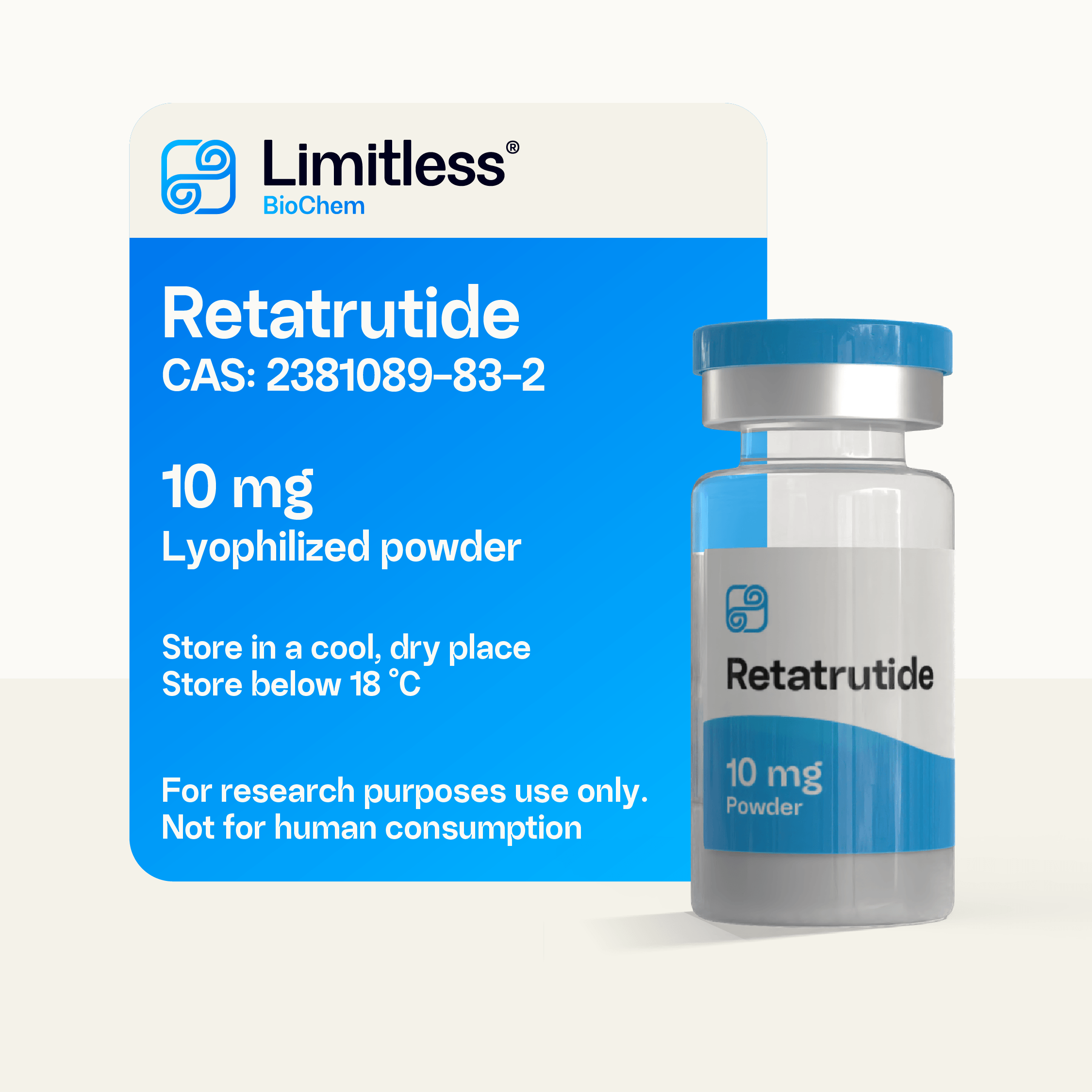
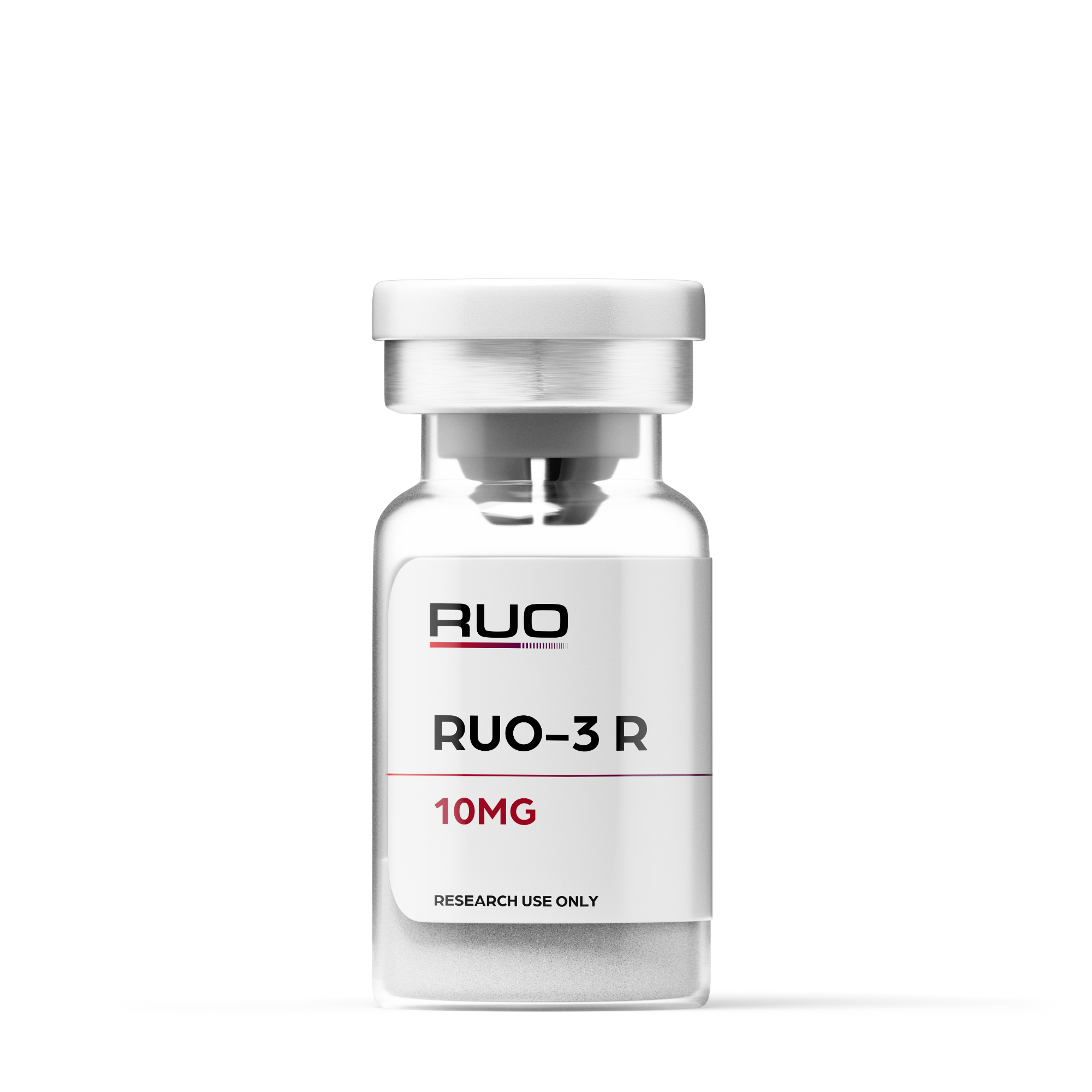
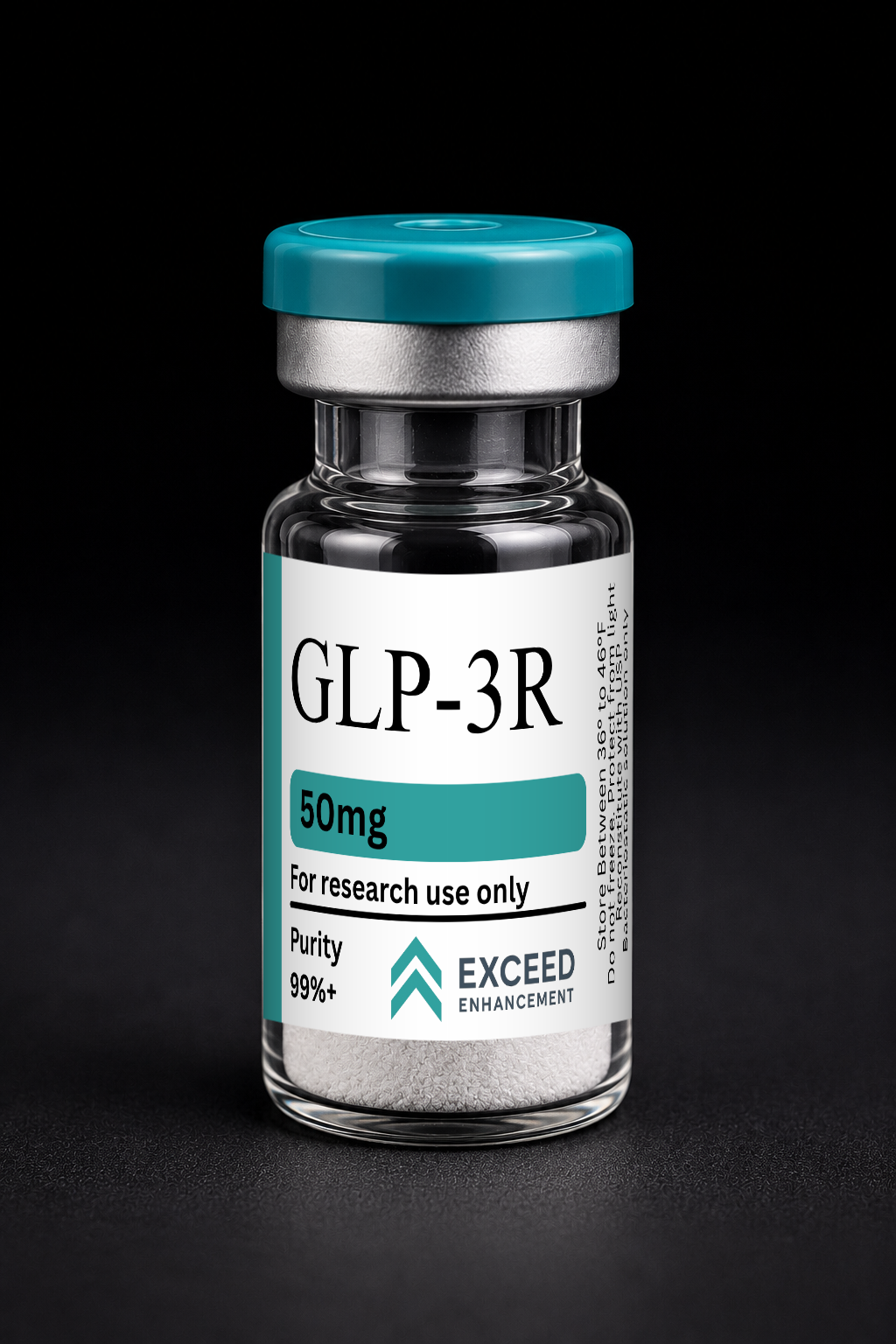
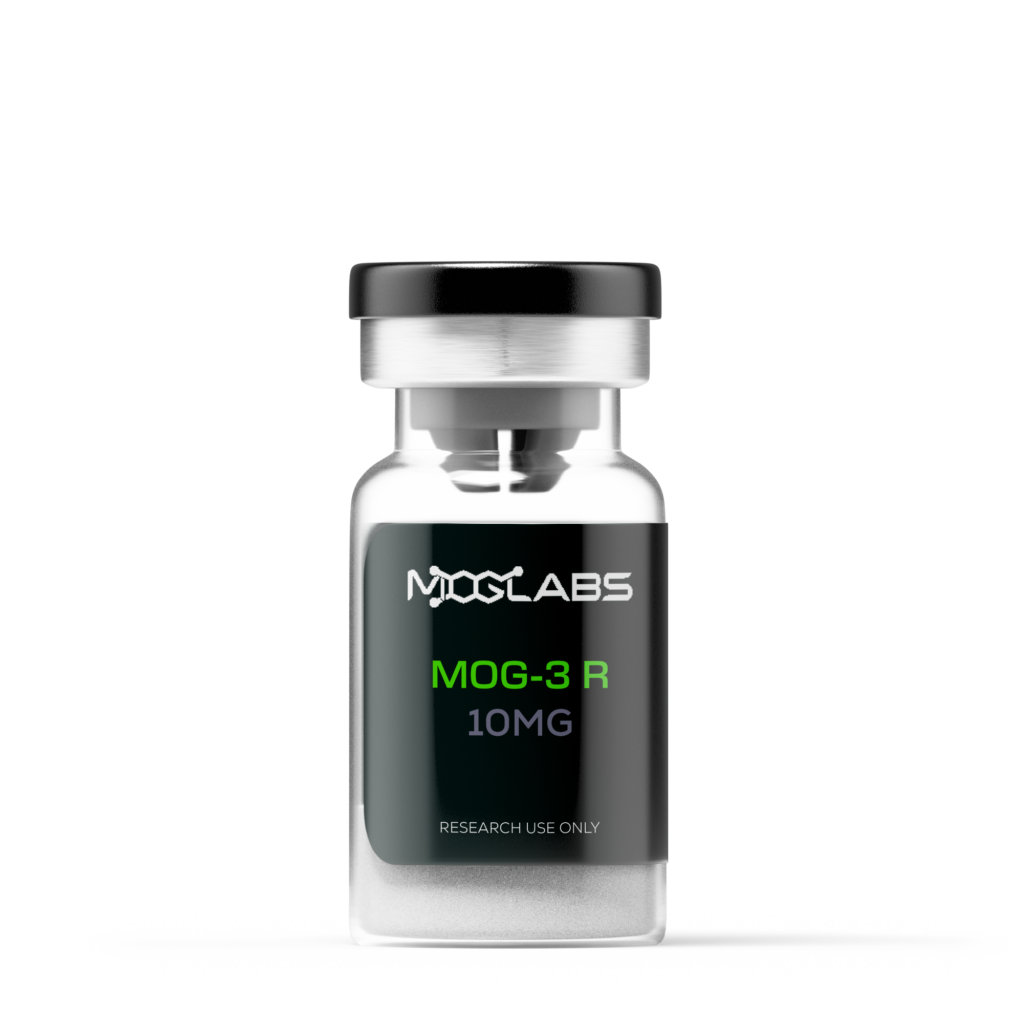
Vendors carrying Retatrutide, with live product details and codes. Links are affiliate links that support the wiki at no cost to you.
Limitless Biochem🌐
Retatrutide
RUO
Retatrutide
Exceed Enhancement
Retatrutide
Moglabs
Retatrutide
Research
- 2022first citedLY3437943, a novel triple glucagon, GIP, and GLP-1 receptor agonist for glycemic control and we…
- 2024most active year5 papers
- 2025meta-analysisEfficacy and safety of triple hormone receptor agonist retatrutide for the management of obesit…
- 2026most recentEfficacy and safety of retatrutide, a GIP, GLP-1, and glucagon receptor agonist, in people with…
- 1.LY3437943, a novel triple glucagon, GIP, and GLP-1 receptor agonist for glycemic control and weight loss: From discovery to clinical proof of concept
- 2.Triple-Hormone-Receptor Agonist Retatrutide for Obesity: A Phase 2 Trial
- 3.Triple hormone receptor agonist retatrutide for metabolic dysfunction-associated steatotic liver disease: a randomized phase 2a trial
- 4.Efficacy and safety of triple hormone receptor agonist retatrutide for the management of obesity: a systematic review and meta-analysis
- 5.Retatrutide, a GIP, GLP-1 and glucagon receptor agonist, for people with type 2 diabetes: a randomised, double-blind, placebo and active-controlled, parallel-group, phase 2 trial conducted in the USA.
- 6.Effects of retatrutide on body composition in people with type 2 diabetes: a substudy of a phase 2, double-blind, parallel-group, placebo-controlled, randomised trial.
- 7.Appetite, eating attitudes, and eating behaviours during treatment with retatrutide in adults with type 2 diabetes: Results of a phase 2 study.
- 8.Retatrutide And Lipid And Metabolite Profiles In Participants With Obesity With Or Without Type 2 Diabetes.
- 9.Decreases in circulating ANGPTL3/8 concentrations following retatrutide treatment parallel reductions in serum lipids.
- 10.Retatrutide for the treatment of obesity, obstructive sleep apnea and knee osteoarthritis: Rationale and design of the TRIUMPH registrational clinical trials.
- 11.Efficacy and safety of retatrutide, a GIP, GLP-1, and glucagon receptor agonist, in people with type 2 diabetes and inadequate glycaemic control with diet and exercise (TRANSCEND-T2D-1): a double-blind, randomised, phase 3 trial.
- 12.Effects of once-weekly subcutaneous retatrutide on weight and metabolic markers: A systematic review and meta-analysis of randomized controlled trials.
15 listed here; entry last updated August 2026
Reviews
- Best experience of my life
Started using this in 2025, around June/July. I was 107kg at the time of first administration 6-8 months later I was at a healthy 65kg. Truly a wonder drug.
0 honestly if u titrate low and slow, then this is genuinely worth it,, esp if youre dealing w binge eating. i would combine it w cagri if its not enough but keep in mind that it compounds over time,, so wait till you plateau for allat lmfao
0- Fat loss as a dad
As a 51 year old man, I struggled with my cravings and weight. I went from 240lbs to 205 at 6’1. I’ve felt the best I have in maybe 20 years
0
My notesprivate to this device
FAQ
What makes retatrutide a triple agonist?
It activates GLP-1, GIP and glucagon receptors at once. This combined action is being studied for large effects on body weight and metabolism.
Is it approved yet?
It is investigational and has been evaluated in clinical trials. It is not yet an approved medicine.
Why once weekly?
Its long half-life allows for weekly administration. This keeps blood levels relatively steady between doses.
Are digestive side effects common?
Gastrointestinal effects like nausea are the most frequently reported, especially early on. They often lessen as the body adjusts.
Limitations of the evidence
- Still investigational, so its long-term safety is not yet established
Adverse effects
- Nausea, vomiting, or diarrhea, most common when starting or increasing the dose
- Reduced appetite
- Constipation
- A dose-related increase in heart rate observed in trials