
spec sheet11 rows
MT-1, also known as Melanotan-1 or afamelanotide, is a synthetic analog of the body's own alpha-melanocyte-stimulating hormone and the first melanocortin-1 receptor agonist to reach the market. By switching on the skin's natural pigment machinery, it produces protective tanning and shields against light-induced damage. In its pharmaceutical form, afamelanotide, it is an approved medicine backed by rigorous clinical trials and decades of study.
- Turns on the skin's own tanning machinery
- Builds a gradual, natural looking tan
- Adds real shielding against light induced damage
- Skin selective; far cleaner than MT-2
- Skips the nausea and libido side effects
- Approved as a medicine, backed by clinical trials
- Mild implant-site or injection-site reaction
- Occasional headache
Overview
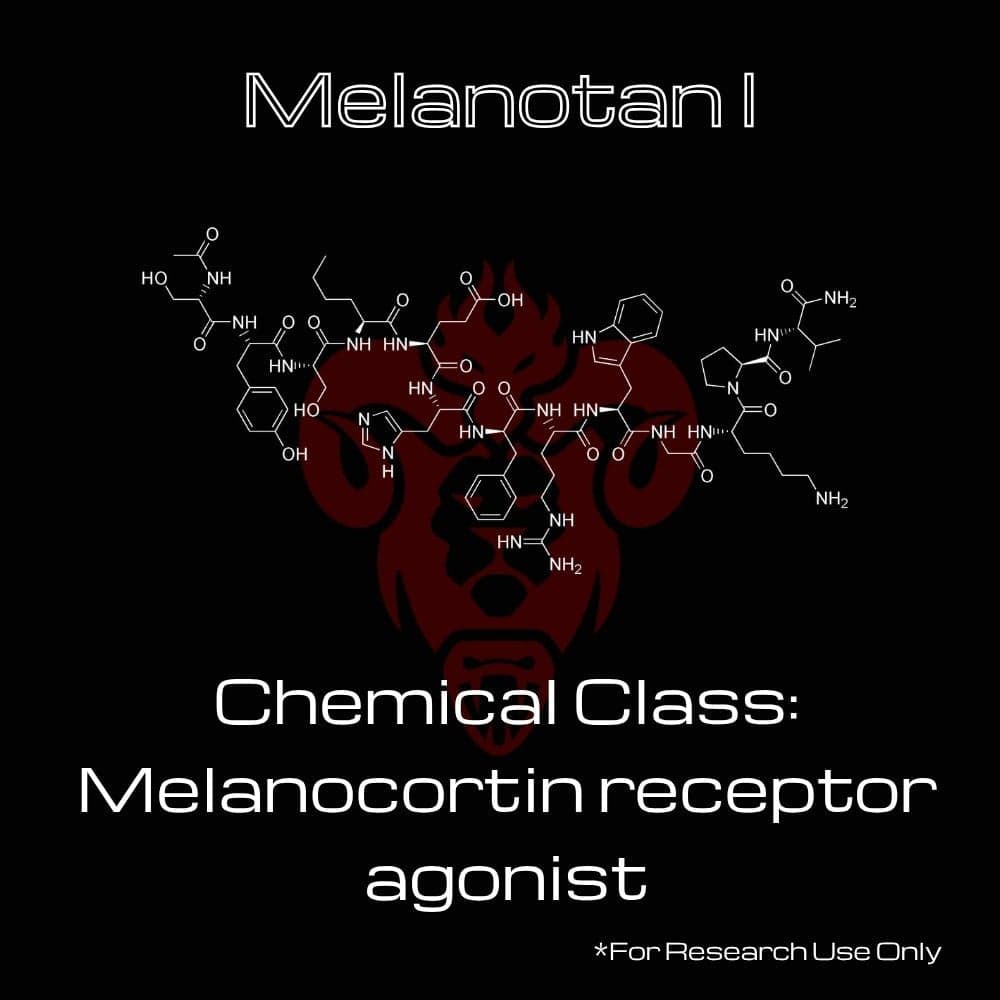
MT-1, more fully Melanotan-1 and known in medicine as afamelanotide, is a synthetic analog of alpha-melanocyte-stimulating hormone (alpha-MSH), the natural peptide that drives skin pigmentation. Chemically it is the modified peptide Nle4-D-Phe7-alpha-MSH, first synthesized in 1980, whose two amino acid substitutions make it far more potent and more stable than the natural hormone [2][5]. It binds selectively to the melanocortin-1 receptor (MC1R) on pigment cells, and this selectivity distinguishes it from the related but nonselective compound Melanotan-2 [1].
Functionally, activating MC1R switches on the production of eumelanin, the dark, protective form of melanin, producing a tan that develops without the need for ultraviolet exposure. Beyond pigmentation, MC1R signaling also triggers antioxidant defenses, enhances DNA repair, and modulates inflammation, which together underlie the peptide's photoprotective potential [2].
In its pharmaceutical form, afamelanotide is delivered as a biodegradable, controlled-release subcutaneous implant marketed as Scenesse by Clinuvel. It was approved by the European Medicines Agency in 2014 and by the US Food and Drug Administration in 2019 for the prevention of phototoxicity in adults with erythropoietic protoporphyria, a rare inherited disorder that makes sunlight intensely painful [1][2]. It has also been studied for polymorphous light eruption, solar urticaria, vitiligo, and other conditions [2].
The compound has a reassuring long-term record within its approved use, with no late adverse effects reported in volunteers decades after first exposure [2]. Its illicit, unregulated counterparts, sold generically as melanotan for cosmetic tanning, are a different matter, and dermatologists have raised concerns about darkening moles and changing nevi with such unsupervised use [6].
Mechanism
MT-1 works as a potent at the -1 receptor (MC1R), a G-protein-coupled receptor sitting on the surface of melanocytes, the pigment-producing cells of the skin [1][3]. When alpha-MSH or its synthetic analog binds MC1R, the receptor raises intracellular cyclic AMP, which activates the transcription factor MITF and switches on the enzymes of melanin synthesis, shifting production toward eumelanin, the brown-black pigment that best absorbs and scatters ultraviolet light [2][3]. The two amino acid changes in the molecule, replacing methionine with norleucine and L-phenylalanine with its D-form, protect it from rapid breakdown and greatly increase its potency and duration compared with the natural hormone [5].
The benefit most people notice is pigmentation: skin darkens steadily and, importantly, the tan develops without ultraviolet exposure, so the protection is gained without the DNA damage that sun-driven tanning causes [2]. MC1R activation does more than color the skin, however; it also upregulates antioxidant defenses, enhances the repair of DNA, and tempers inflammation, a combination that makes the genuinely photoprotective rather than merely cosmetic [2].
These mechanisms translate into measurable clinical benefit. In patients with erythropoietic protoporphyria, whose skin cannot tolerate light, treatment with afamelanotide raised melanin density and increased tolerance to natural sunlight by up to 24 times relative to before therapy, sharply reducing painful phototoxic reactions [4]. Because MT-1 is selective for MC1R, it largely avoids the -3 and melanocortin-4 receptor effects, such as nausea and spontaneous erections, that characterize the less selective Melanotan-2 [1][6]. The main pigment-related caution is that existing moles and freckles also darken, which is why medical supervision matters [6].
receptor fingerprint
-1 receptor (MC1R, skin melanocytes)Agonist
-4 receptor (, brain)Agonist
-3 receptor (MC3R)Agonist
-5 receptor (MC5R, sebaceous glands)Agonist
Dosingtypical ranges, not medical advice
interested in protocols and clinical dosages? make an account to see them! ^_^
Safetyrisks and cautions, not medical advice
Melanotan 1 stimulates melanin production via the MC1R receptor and can cause nausea, facial flushing, and appetite changes. Its most important concern is dermatologic: it darkens existing moles and can prompt new pigmented lesions, making monitoring for skin cancer important, and it does not protect against UV-related skin damage. Research-grade material carries the usual injection and sterility risks, and the long-term safety of non-pharmaceutical use is not established.
Reconstitutionarithmetic only, not dosing advice
arithmetic only; not medical or dosing advice.
Subjective profileweighing the evidence above
The pharmaceutical version, afamelanotide, is an approved drug with real trials behind it, and MT-1 is cleaner and more skin-selective than MT-2. The honest caveat is dermatologic: it darkens existing moles and can prompt new pigmented lesions, so skin monitoring matters, and it is not a substitute for sunscreen.
Where to buy

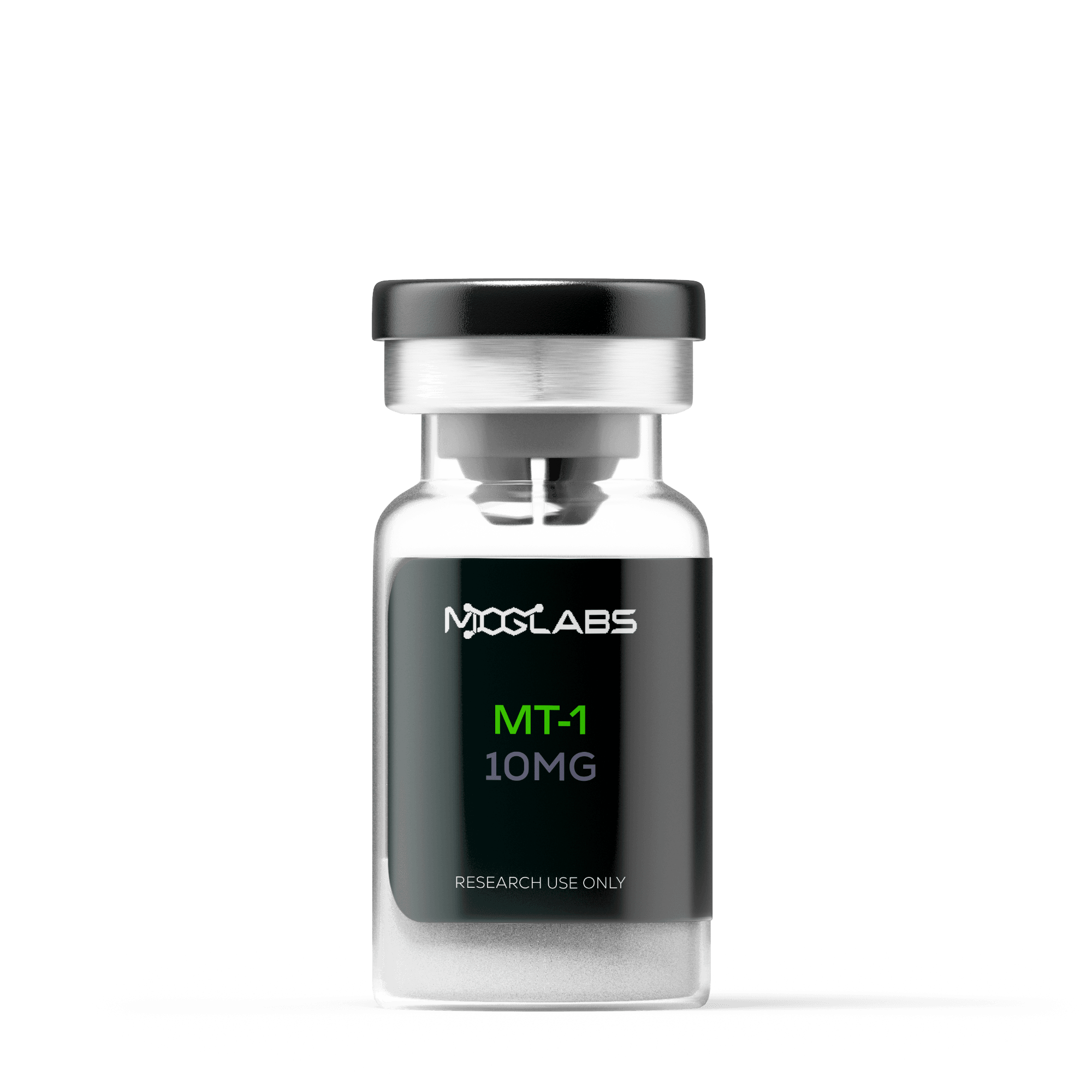


Suppliers
Vendors carrying MT-1, with live product details and codes. Links are affiliate links that support the wiki at no cost to you.
| supplier | size | price | $/mg |
|---|---|---|---|
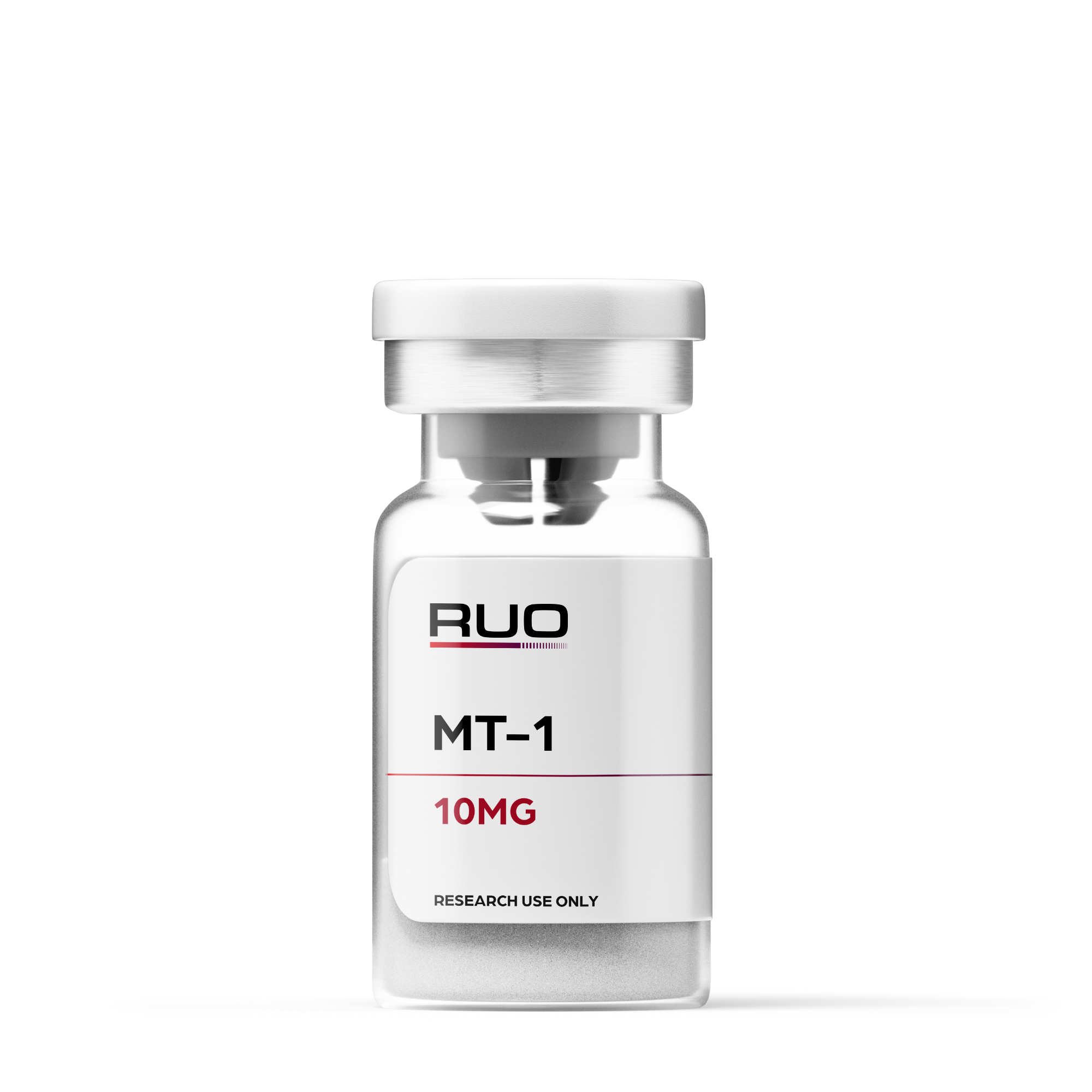
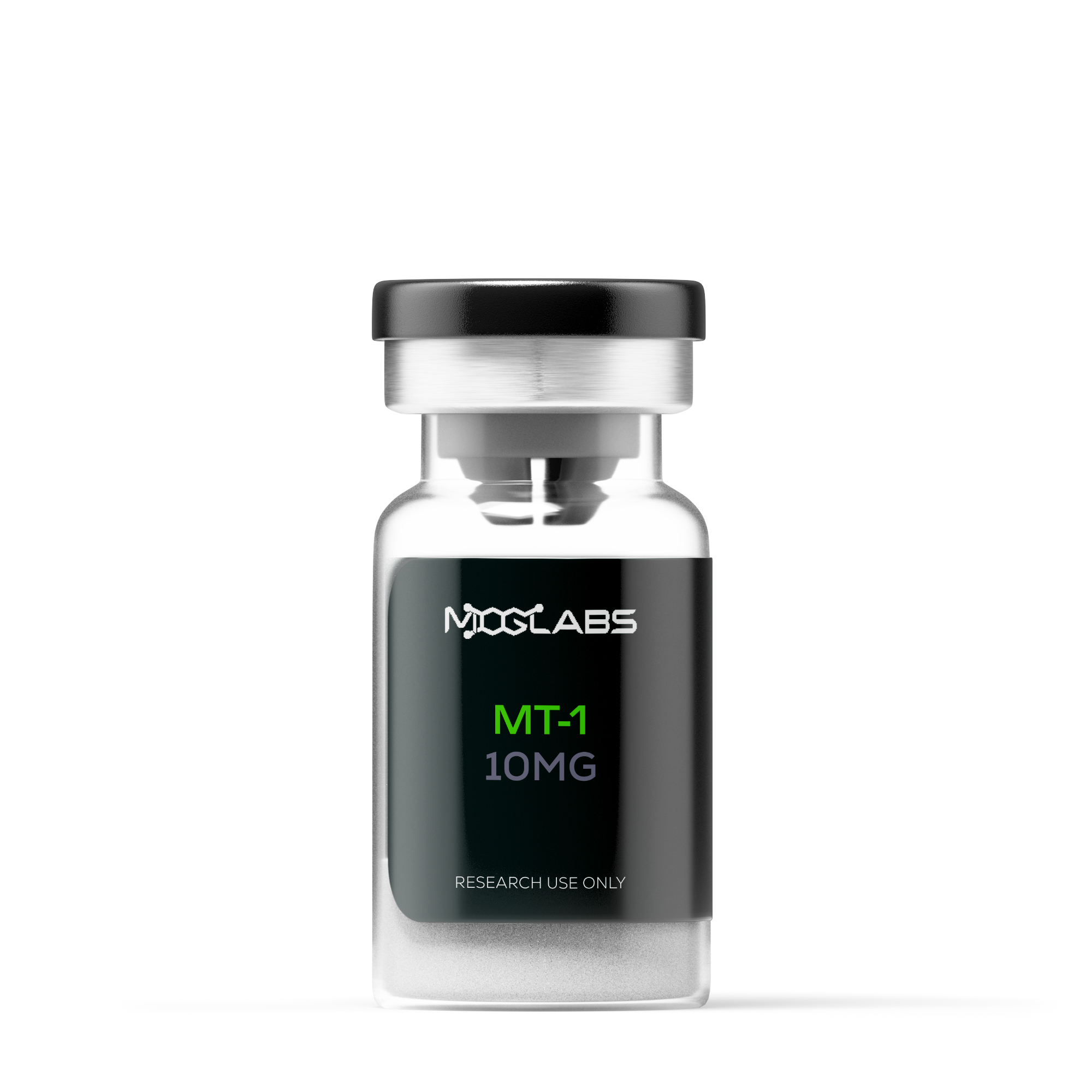
| Moglabslowest | 10mg | $28.00 | $2.80/mg |
| RUOlowest | 10mg | $28.00 | $2.80/mg |
RUO
MT-1
Moglabs
Melanotan-1
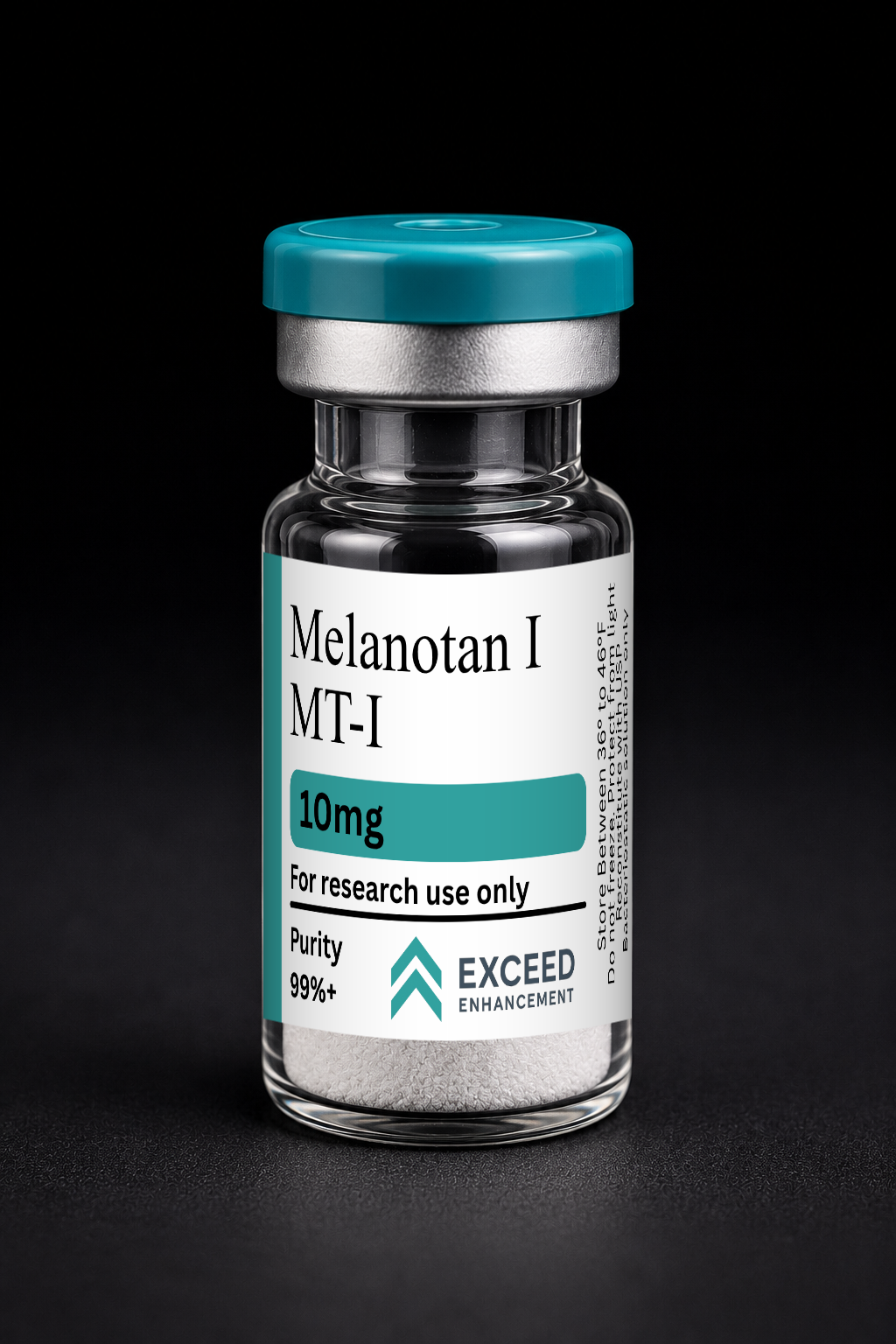
Exceed Enhancement
Melanotan-I
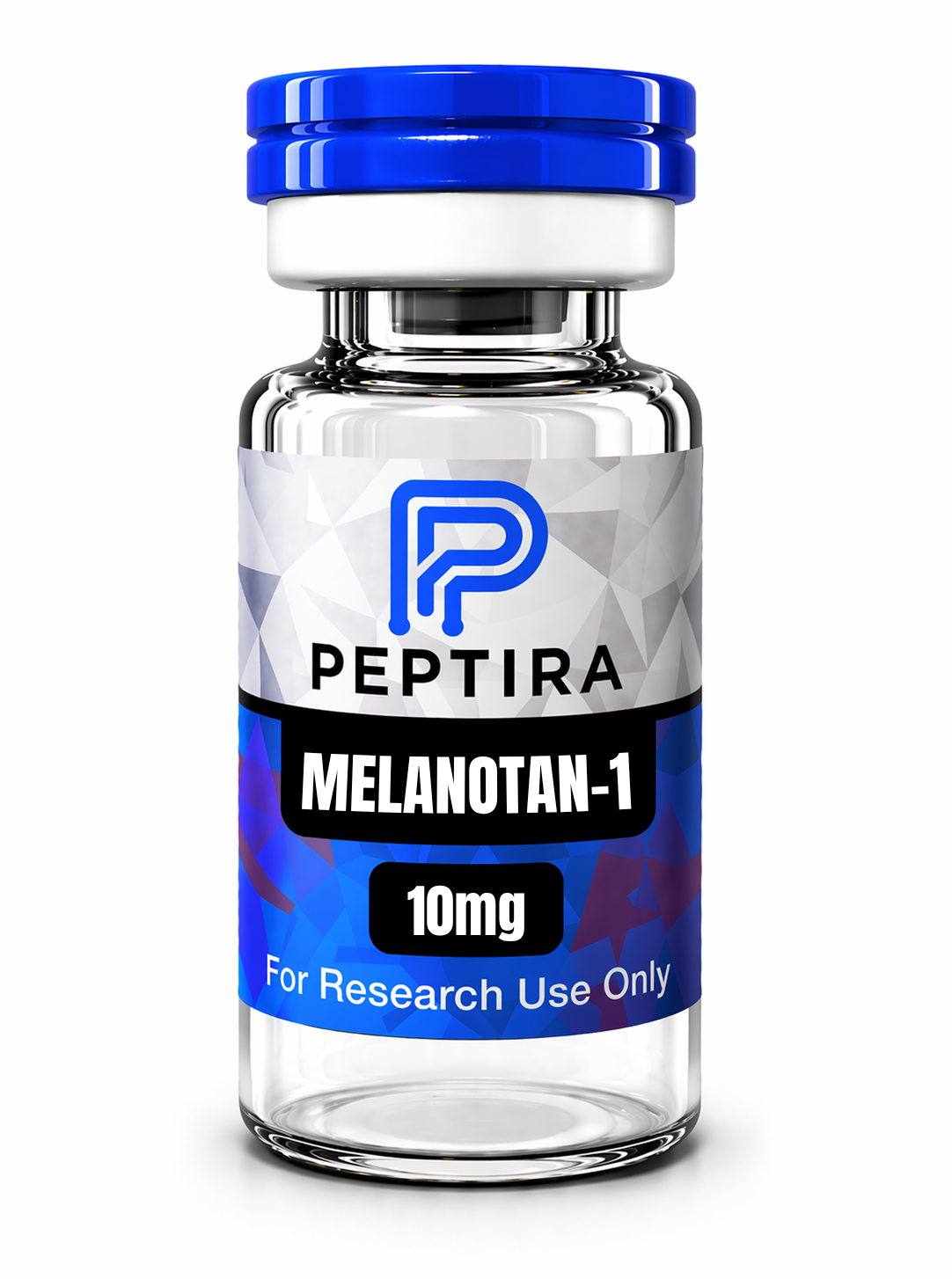
Peptira
Melanotan-1
Kimera Chems
MT-1
Research
- 2009first citedMitigating photosensitivity of erythropoietic protoporphyria patients by an agonistic analog of…
- 2017most recentPharmacokinetics and Pharmacodynamics of Afamelanotide and its Clinical Use in Treating Dermato…
- 1.Afamelanotide: A Review in Erythropoietic Protoporphyria.
- 2.Pharmacokinetics and Pharmacodynamics of Afamelanotide and its Clinical Use in Treating Dermatologic Disorders.
- 3.Afamelanotide, an agonistic analog of α-melanocyte-stimulating hormone, in dermal phototoxicity of erythropoietic protoporphyria.
- 4.Mitigating photosensitivity of erythropoietic protoporphyria patients by an agonistic analog of alpha-melanocyte stimulating hormone.
- 5.[Alpha-melanocyte-stimulating hormone. From bench to bedside].
- 6.Risks of unregulated use of alpha-melanocyte-stimulating hormone analogues: a review.
6 listed here; entry last updated August 2026
Reviews
My notesprivate to this device
FAQ
How does MT-1 differ from MT-2?
MT-1 (afamelanotide) is more selective for the MC1R pathway, so it's associated with tanning without the nausea and libido effects tied to MT-2.
Does a tan still need sun?
These analogs stimulate melanin production, but UV exposure is typically still part of how the tan develops.
How is it stored?
As a peptide it's usually kept lyophilized and refrigerated, with reconstituted product kept cold.
Does it protect against sun damage?
Increased melanin offers some photoprotection, but it isn't a substitute for sunscreen and sun-safe habits.
Adverse effects
- Mild implant-site or injection-site reaction
- Occasional headache
Notes and cautions
- Darkens existing moles and freckles, so monitor your skin
- Illicit unregulated versions carry uncertain purity