
spec sheet13 rows
HMG (human menopausal gonadotropin, or menotropin) is a purified gonadotropin preparation that delivers both FSH and LH activity in a single agent, making it a workhorse of fertility medicine [1]. In women it drives controlled ovarian stimulation for IVF, matching recombinant FSH on live birth rates while adding the LH activity that recombinant FSH lacks [1][2]. In men with hypogonadotropic hypogonadism, HMG paired with hCG restores testosterone and induces spermatogenesis, giving previously infertile patients a genuine path to fatherhood [4][6].
- FSH and LH activity in one product
- Proven follicle stimulation for assisted reproduction
- Matches recombinant FSH on live birth rates
- Can restart sperm production in gonadotropin-deficient men
- Testicular volume grows when paired with hCG
- Decades of trusted clinical track record
- In women, ovarian hyperstimulation syndrome is the main risk
- Injection site reactions and abdominal bloating can occur
- In men, acne or breast tenderness may appear as hormones shift
Overview
HMG, human menopausal gonadotropin (also called menotropin), is an injectable fertility medication prepared from the urine of postmenopausal women. Its defining characteristic is that it contains both follicle-stimulating hormone (FSH) and luteinizing hormone (LH) activity in roughly equal measure; in modern highly purified preparations the LH component is provided substantially by human chorionic gonadotropin (hCG), which acts on the same receptor as LH [1]. This dual activity distinguishes HMG from recombinant FSH products, which supply FSH alone [1][7].
Historically, menotropins were among the first effective gonadotropin therapies for infertility and have been in clinical use for decades, evolving from crude urinary extracts to highly purified formulations. In women, HMG is used for controlled ovarian stimulation, recruiting and maturing multiple ovarian follicles during in vitro fertilization (IVF) and intracytoplasmic sperm injection (ICSI) cycles, and for ovulation induction. Comparative trials and meta-analyses show that highly purified HMG achieves ongoing pregnancy and live birth rates broadly similar to recombinant FSH, with some analyses of specific protocols suggesting advantages in embryo quality or live birth for HMG owing to its LH activity [2][3][7].
In men, HMG has an important role in secondary (hypogonadotropic) hypogonadism, where the pituitary fails to produce adequate gonadotropins. Combined with hCG, HMG supplies the FSH signal to Sertoli cells that, alongside the high intratesticular testosterone driven by hCG, is required for full spermatogenesis; large cohort studies show this combination can induce sperm production and pregnancies in men who were previously azoospermic [4][5]. Evidence also indicates that although hCG alone can maintain spermatogenesis once it is established, FSH activity from HMG is needed for quantitatively normal sperm output [6]. HMG is a prescription medicine given by injection.

- Early HMG was purified from the urine of postmenopausal women, which naturally contains high levels of FSH and LH; collecting enough for treatment required very large volumes of donated urine.
- The first babies conceived using HMG-induced ovulation were born in the early 1960s, helping launch the modern field of fertility medicine.
Mechanism
HMG works by supplying the two pituitary gonadotropins that govern the gonads, FSH and LH, directly as a drug. FSH acts on the granulosa cells of the ovary in women and the Sertoli cells of the testis in men, driving follicle growth and supporting the cellular environment for gamete maturation. LH acts on the ovarian theca cells and the testicular Leydig cells to stimulate steroid ( and testosterone) production. Because HMG carries both activities, it reconstitutes a more complete gonadotropic signal than FSH alone; the LH activity in highly purified HMG is supplied largely by hCG, which binds the shared LH/choriogonadotropin receptor [1].
In women undergoing IVF, HMG is used for controlled ovarian stimulation: sustained FSH exposure rescues a cohort of antral follicles from atresia and matures them together, while the LH activity supports steroidogenesis and, according to trials such as MERiT, may improve embryo quality and endometrial receptivity. Meta-analysis of randomized trials found live birth rates per embryo transfer statistically comparable between highly purified HMG and recombinant FSH, with a relative risk of about 1.14 favoring HMG that did not reach significance, indicating the two are broadly equivalent with a possible edge for HMG in certain protocols [2][3].
In men with congenital hypogonadotropic hypogonadism, the mechanism is complementary to hCG. hCG mimics LH to raise intratesticular testosterone, and HMG adds the FSH signal needed to fully develop the seminiferous epithelium. In a retrospective study of 223 azoospermic men treated with combined hCG and HMG, testicular volume increased several-fold and serum testosterone rose from roughly 0.9 to 15 nmol/L, while 64 percent of the men achieved measurable sperm production over the treatment period [4]. The consistent benefit across these settings is that HMG restores fertility by replacing the missing gonadotropin drive, with the LH component being what sets it apart from FSH-only therapy [1][4][6].
receptor fingerprint
FSH receptorStimulates follicle development in women and Sertoli cell support in men
LH receptorProvides luteinizing activity on Leydig and theca cells
Testicular and ovarian functionRestores gonadal signaling when pituitary output is low
Dosingtypical ranges, not medical advice
interested in protocols and clinical dosages? make an account to see them! ^_^
Safetyrisks and cautions, not medical advice
HMG (menotropin) supplies FSH and LH activity, and its principal risk in women is ovarian hyperstimulation syndrome, which can range from mild to a serious condition with fluid shifts, enlarged ovaries, and thromboembolism, along with an increased chance of multiple pregnancy. Injection-site reactions and, in men, gynecomastia can occur. Because it potently stimulates the reproductive axis, it requires medical monitoring rather than casual use.
Interactionsdocumented pairs only, not exhaustive
Menotropins (human menopausal gonadotropins) contain both follicle-stimulating hormone (FSH) and luteinizing hormone (LH) and carry no documented metabolic or pharmacokinetic interactions with other medications; their primary clinical consideration is gonadal response modulation.
In patients with polycystic ovary syndrome, menotropin stimulation produces significantly elevated Anti-Mullerian Hormone (MIS) levels in both follicular fluid and serum compared to patients with tubal factor infertility, resulting in a higher proportion of immature oocytes (17.9% versus 1.5%) and reduced fertilization rates (30.2% versus 62.2%), reflecting altered follicle dynamics rather than a true drug interaction. [27] No significant pharmacokinetic interactions occur with concurrent fertility medications or standard concomitant therapies, though individualized dosing based on ovarian response monitoring is standard practice to optimize safety and efficacy.
Checking a whole stack? Run it through interactions + stacks.
History
Human menopausal gonadotropin emerged from work in the 1950s by the endocrinologist Bruno Lunenfeld together with the chemist Piero Donini, who developed a method to extract the gonadotropins FSH and LH from the urine of postmenopausal women, a naturally rich source of these hormones. The first purified preparation, marketed as Pergonal by the company Serono, made large-scale therapy possible, and Lunenfeld reported the first pregnancies achieved through HMG-induced ovulation in the early 1960s. This breakthrough established gonadotropin therapy as a foundation of assisted reproduction, and Lunenfeld is widely regarded as a pioneer of modern reproductive endocrinology [1]. Menotropins have since remained a standard tool for both ovarian stimulation and the treatment of male hypogonadotropic hypogonadism.
Reputation
HMG is regarded as a durable workhorse of fertility medicine, valued because it delivers both FSH and LH activity in a single agent rather than FSH alone. In IVF it matches recombinant FSH on live birth rates, and some protocols suggest an edge for HMG in embryo quality, while in men with hypogonadotropic hypogonadism it pairs with hCG to restore testosterone and induce sperm production, offering a genuine path to fatherhood. Clinicians appreciate its long and well-documented track record. In fairness, it is an injectable therapy that requires careful monitoring, carries the risks of ovarian hyperstimulation and multiple pregnancy common to all gonadotropins, and is the subject of an ongoing urine-derived versus recombinant preparation debate.
Subjective profileweighing the evidence above
A proven fertility medicine with a long clinical track record, and for men with hypogonadotropic hypogonadism, paired with hCG, it can restore sperm production where little else does. It belongs in a monitored protocol; ovarian hyperstimulation is a serious risk and multiple pregnancy a real one.
Where to buy

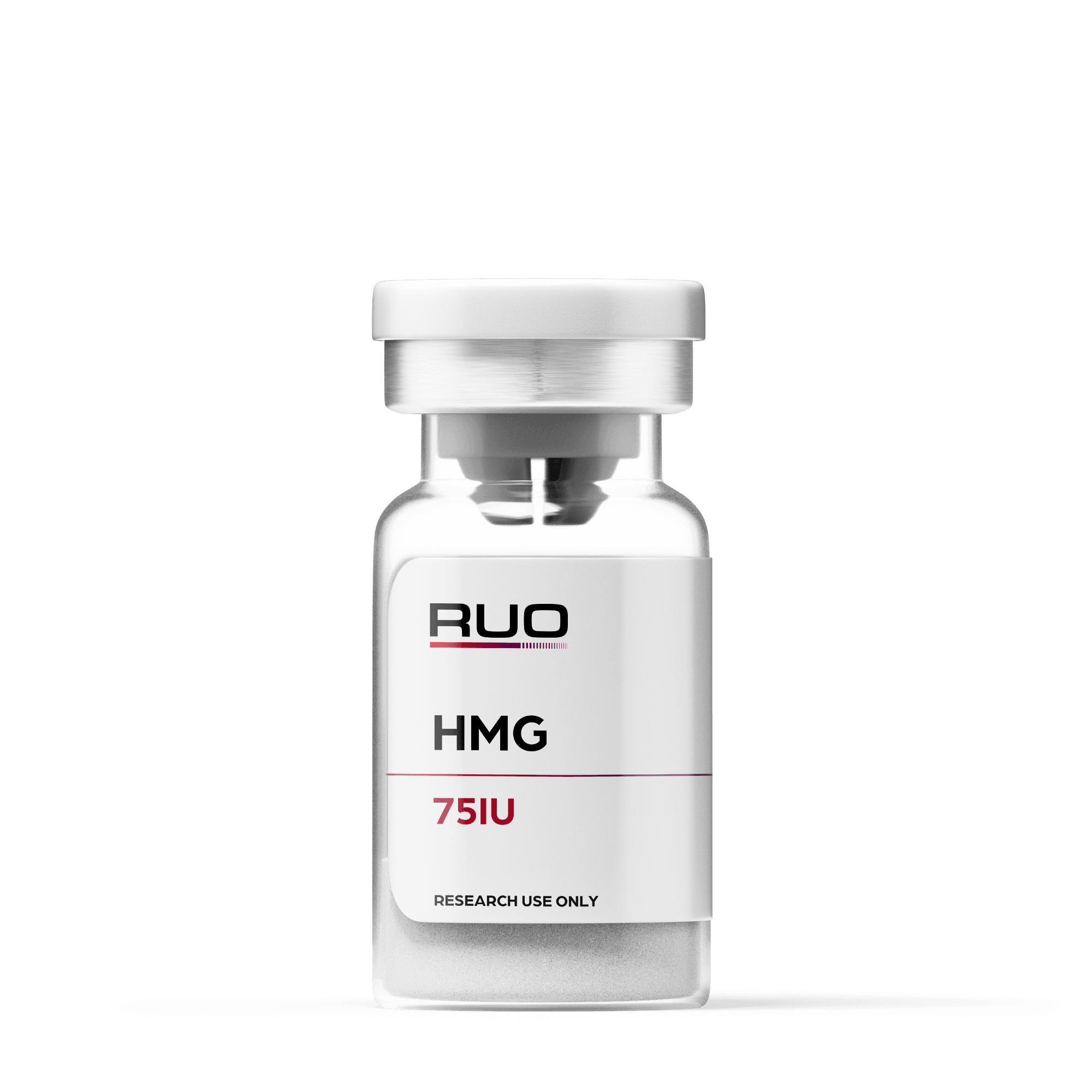
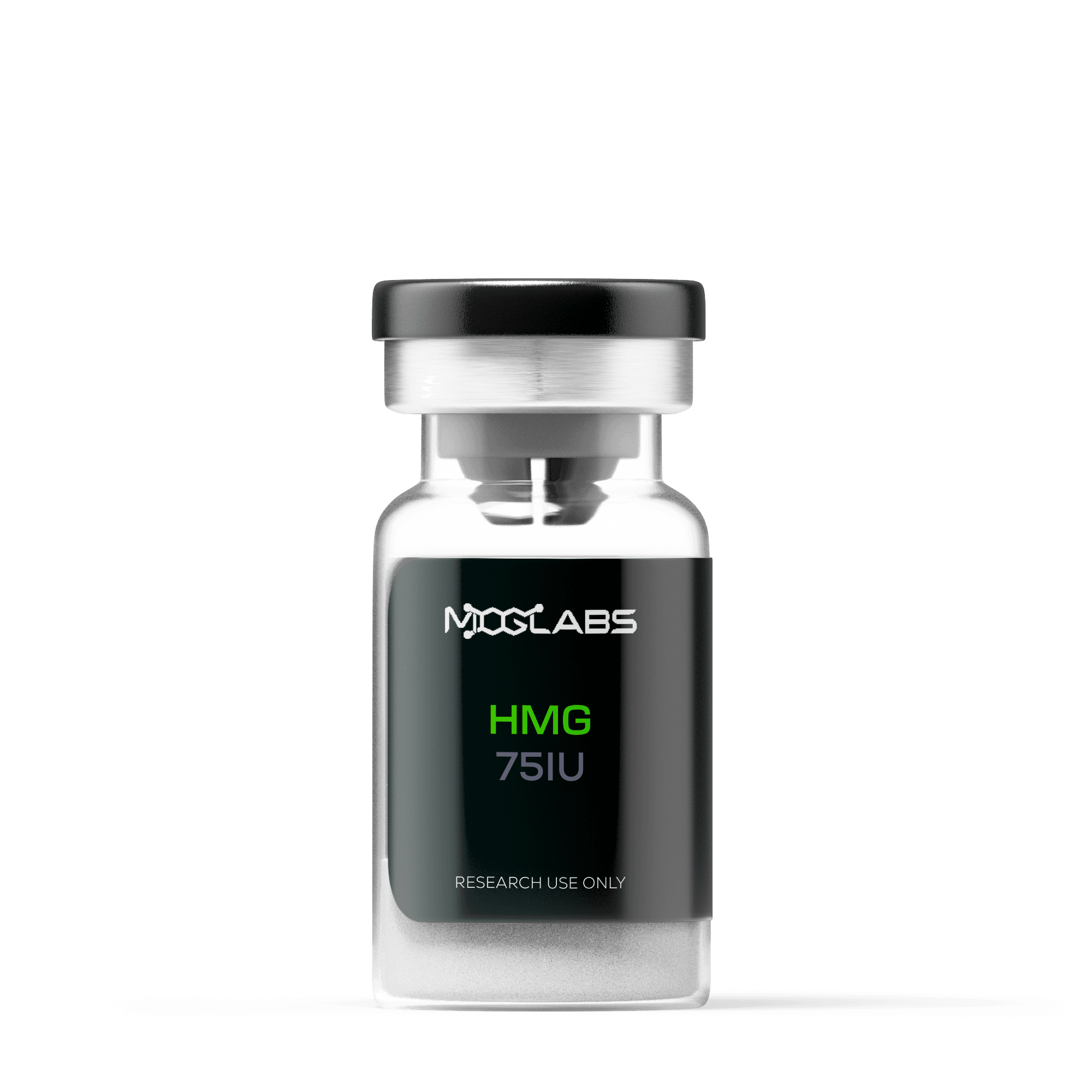


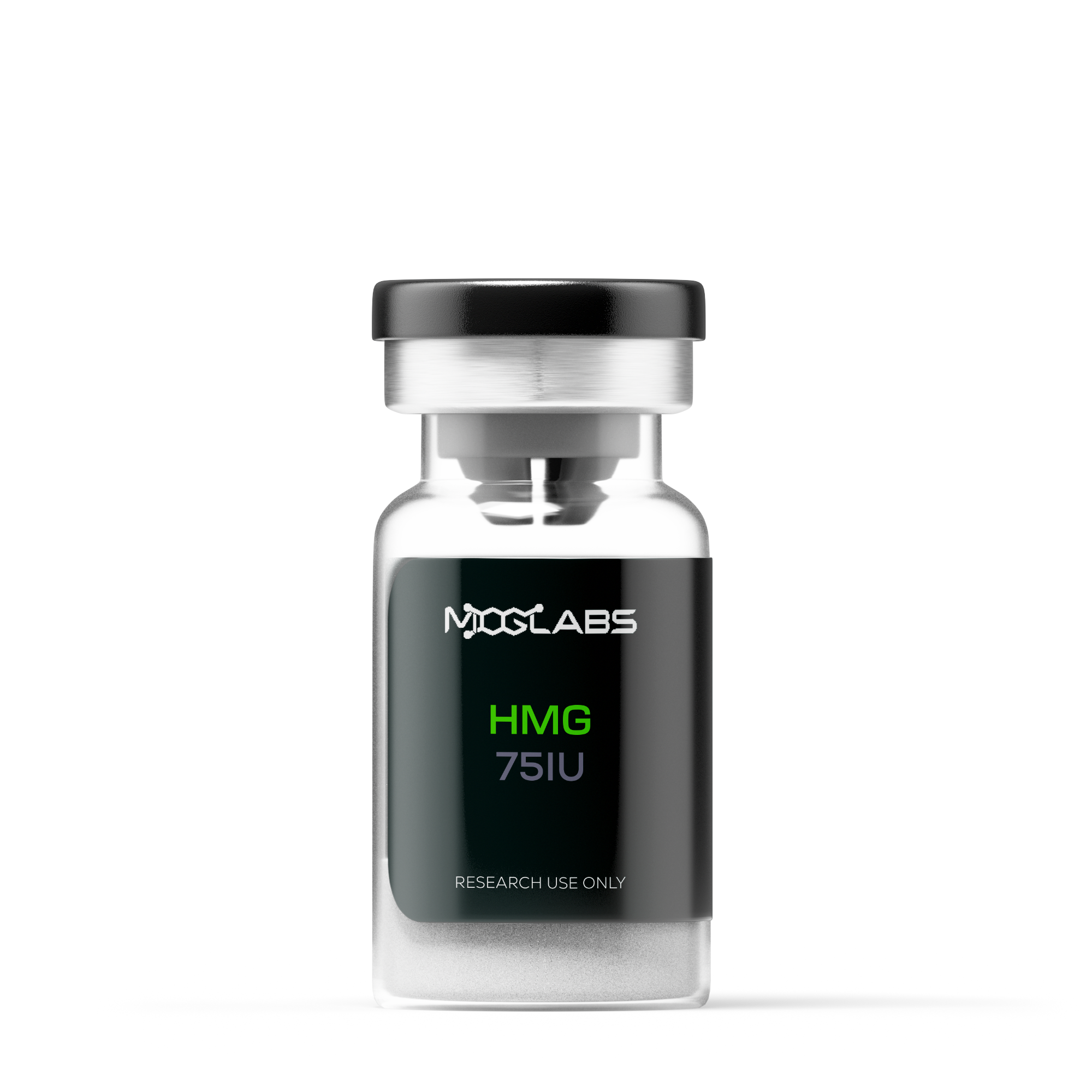
Suppliers
Vendors carrying HMG, with live product details and codes. Links are affiliate links that support the wiki at no cost to you.
| supplier | size | price | $/iu |
|---|---|---|---|
| PCT.Zonelowest | 150IU | $29.99 | $0.200/iu |
| PCT.Zone | 150IU | $32.13 | $0.214/iu |
| RUO | 75IU | $38.00 | $0.507/iu |
| Moglabs | 75IU | $40.00 | $0.533/iu |
RUPharma🌐
HMG
Exceed Enhancement
HMG
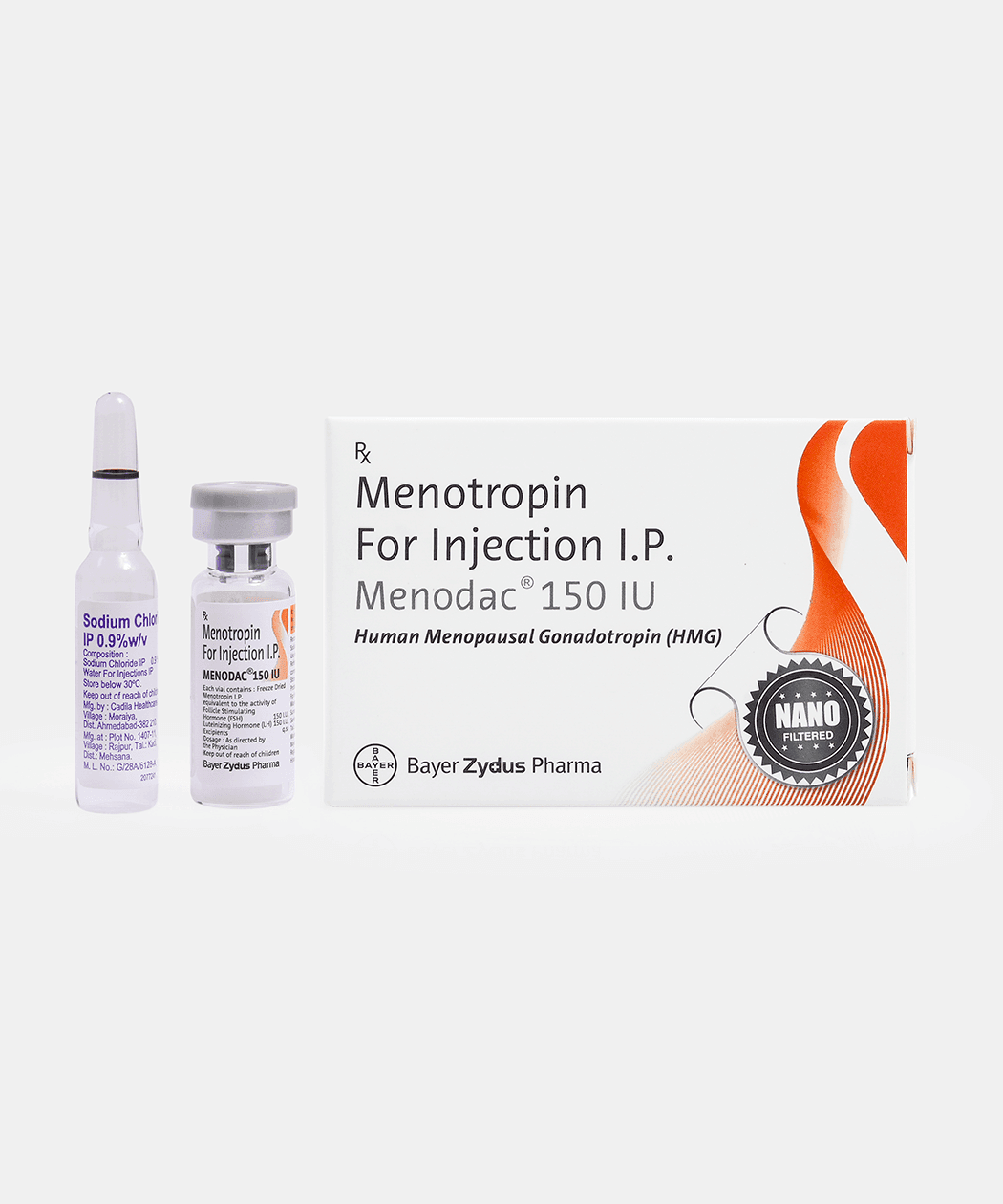
PCT.Zone
HMG
PCT.Zone
HMG
RUO
HMG
Moglabs
HMG
Research
- 1985first citedOvarian stimulation with clomiphene and/or human menopausal gonadotropin (HMG) for in vitro fer…
- 2010meta-analysisClinical efficacy of highly purified hMG versus recombinant FSH in IVF/ICSI cycles: a meta-anal…
- 2024most active year5 papers
- 2025most recentHuman menopausal gonadotropin (HMG) combined different doses of letrozole for treating anovulat…
- 1.Identifying real differences in live birth rates between HMG and rFSH in IVF.
- 2.Clinical efficacy of highly purified hMG versus recombinant FSH in IVF/ICSI cycles: a meta-analysis.
- 3.Does ovarian stimulation regimen affect IVF outcome? a two-centre, real-world retrospective study using predominantly cleavage-stage, single embryo transfer.
- 4.Efficacy and Outcome Predictors of Gonadotropin Treatment for Male Congenital Hypogonadotropic Hypogonadism: A Retrospective Study of 223 Patients.
- 5.Assessment of deoxyribonucleic acid fragmentation index, testicular volume, semen parameters, and hormone profile in gonadotropin-treated men with hypogonadotropic hypogonadism.
- 6.Maintenance of spermatogenesis in hypogonadotropic hypogonadal men with human chorionic gonadotropin alone.
- 7.A direct healthcare cost analysis of recombinant LH versus hMG supplementation on FSH during controlled ovarian hyperstimulation in the GnRH-antagonist protocol.
- 8.Human menopausal gonadotropin (HMG) combined different doses of letrozole for treating anovulatory infertility in patients with polycystic ovary syndrome: a randomized controlled trial.
- 9.Human recombinant follicle stimulating hormone (rFSH) compared to urinary human menopausal gonadotropin (HMG) for ovarian stimulation in assisted reproduction: a literature review and cost evaluation.
- 10.Follicle-stimulating hormone or human menopausal gonadotropin for ovarian stimulation in in vitro fertilization cycles: a meta-analysis.
- 11.Retrospective analysis: The application of human menopausal gonadotropin combined with letrozole for IUI in patients undergoing artificial insemination by husband due to unexplained or mild male factors.
- 12.Advantages of Recombinant Follicle-Stimulating Hormone over Human Menopausal Gonadotropin in Intrauterine Insemination: A Randomized Clinical Trial in Polycystic Ovary Syndrome-Associated Infertility.
27 listed here; entry last updated August 2026
Reviews
My notesprivate to this device
FAQ
How is HMG different from hCG?
hCG mainly mimics LH; HMG provides both FSH and LH activity, which is why the two are often used together for male fertility.
Is HMG a steroid?
No; it is a protein hormone preparation that signals the gonads rather than a synthetic androgen.
Why is it used with hCG in men?
hCG stimulates testosterone production while the FSH in HMG supports sperm formation, so together they cover both jobs of the testes.
Adverse effects
- In women, ovarian hyperstimulation syndrome is the main risk
- Injection site reactions and abdominal bloating can occur
- In men, acne or breast tenderness may appear as hormones shift
Notes and cautions
- Multiple pregnancy is more likely with ovarian stimulation
- It is a prescription medicine given by injection