
spec sheet12 rows
HCG (human chorionic gonadotropin) is a gonadotropin hormone that acts as a direct luteinizing hormone mimic, binding LH receptors on testicular Leydig cells to switch on the body's own testosterone and sperm production [1][2]. Because it drives the testes at the source, it is a cornerstone tool for preserving fertility and testicular function in men on hormone therapy and for restarting a suppressed axis [2][3]. Clinicians favor it precisely because it raises endogenous testosterone without the fertility penalty seen with testosterone replacement alone [2].
- Switches on natural testosterone production
- Testicular size and function stay intact
- Fertility and sperm production stay protected
- Mimics LH to restart the axis
- Restores intratesticular testosterone that TRT suppresses
- Prescription hormone; doctor guided only
- May cause mild water retention
- Estrogen can rise, occasionally leading to gynecomastia
- Mood changes are possible
Overview
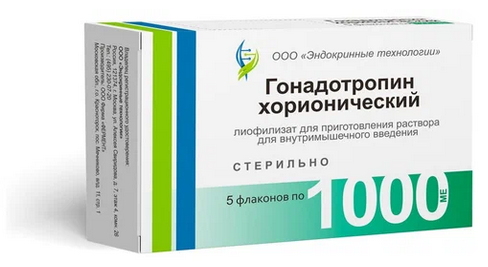
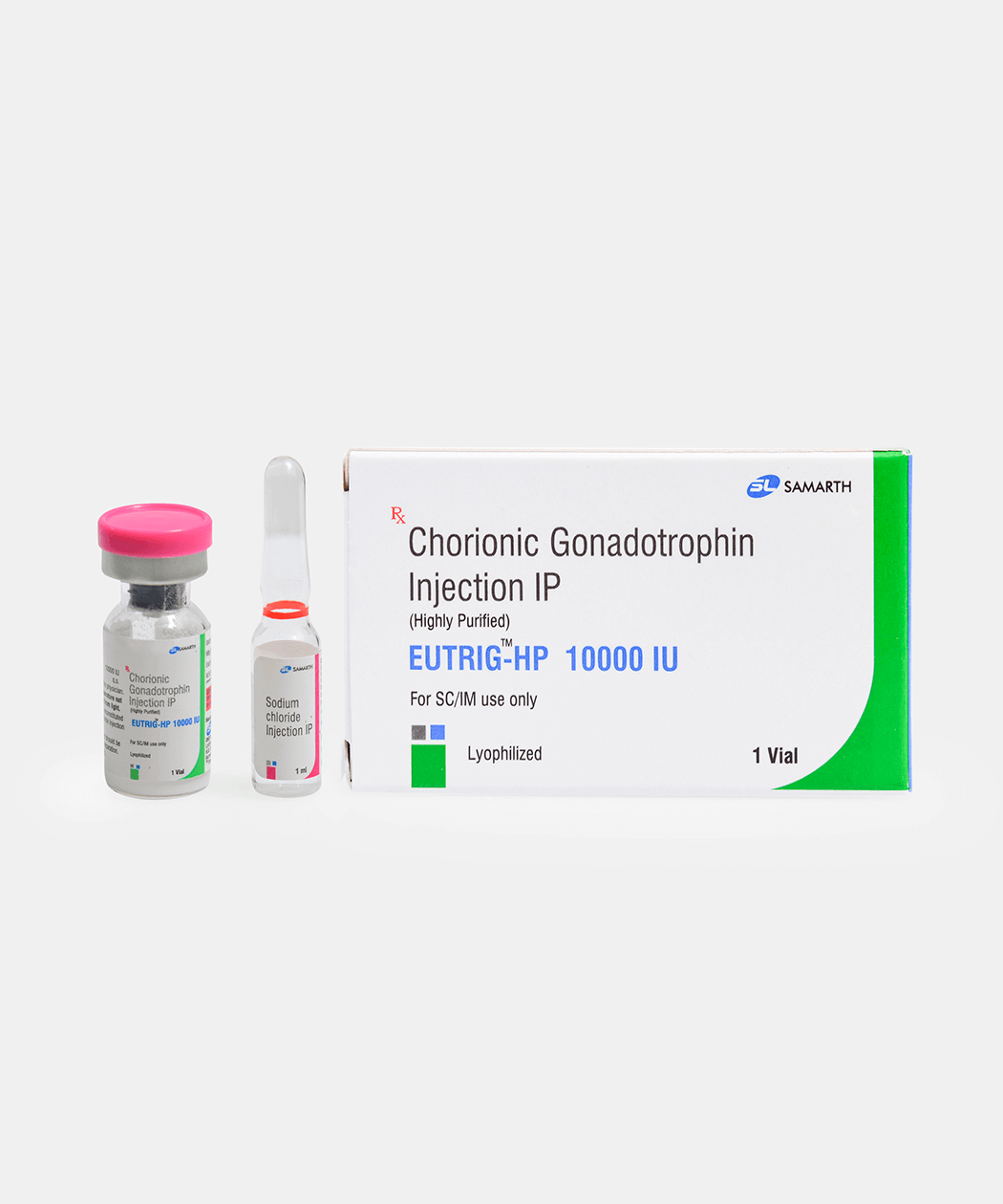
HCG, or human chorionic gonadotropin, is a glycoprotein hormone produced naturally by the syncytiotrophoblast of the placenta during pregnancy, where it sustains the corpus luteum and early progesterone output. Structurally it belongs to the same glycoprotein hormone family as luteinizing hormone (LH), follicle-stimulating hormone, and thyroid-stimulating hormone, sharing a common alpha subunit and carrying a distinct beta subunit that defines its activity. The beta subunit of hCG closely resembles that of LH, which is why the two hormones bind the same luteinizing hormone/choriogonadotropin receptor; the extra carboxy-terminal peptide on hCG gives it a longer circulating half-life than LH [2].
Historically purified from the urine of pregnant women, hCG has been used in reproductive medicine for decades and is now also available in recombinant form. In men, its defining application rests on its LH-like action: by stimulating Leydig cells it raises intratesticular and circulating testosterone and supports spermatogenesis, making it a mainstay for secondary (hypogonadotropic) hypogonadism and for male infertility [1][2][3]. It is frequently used to maintain or re-establish sperm production in men receiving testosterone replacement therapy, which otherwise suppresses the hypothalamic-pituitary-gonadal axis and can cause azoospermia [3][6]. It is likewise part of protocols to recover spermatogenesis after anabolic androgenic steroid use, typically alongside selective estrogen receptor modulators and, where needed, follicle-stimulating hormone [4].
Clinically, hCG stimulation testing is also a diagnostic tool: measuring the testosterone and steroid response after an hCG challenge probes Leydig cell reserve, an approach used to characterize conditions such as Klinefelter syndrome [5]. Beyond testosterone, hCG raises markers of Leydig cell function such as insulin-like peptide 3 (INSL3) [7]. HCG is a prescription therapeutic in most jurisdictions and is given by injection; it is not an oral agent, and its use in men centers on fertility preservation, hypogonadism management, and axis recovery rather than direct androgen supplementation [2][3].
- The first dependable pregnancy test, the 1927 Aschheim-Zondek test, worked by injecting a woman's urine into immature mice and watching for an ovarian response to hCG.
- Testosterone inside the testis runs on the order of 100 to 1,000 times higher than in the bloodstream, and hCG helps sustain that reservoir needed for sperm production.
Mechanism
HCG works by impersonating luteinizing hormone. It binds the luteinizing hormone/choriogonadotropin receptor on the surface of testicular Leydig cells, a G-protein-coupled receptor whose activation raises intracellular cyclic AMP, mobilizes StAR-mediated transport of cholesterol into mitochondria, and drives the steroidogenic enzyme cascade that culminates in testosterone synthesis [1][2]. Because hCG signals at the testis directly, it bypasses the and pituitary and can raise testosterone even when the upstream axis is suppressed, which is the core reason it is chosen over testosterone replacement when fertility matters [2][3].
The functional payoff is high local androgen concentration. Intratesticular testosterone secreted by Leydig cells runs on the order of 100- to 1,000-fold higher than the level in the systemic circulation, and this steep gradient is essential for spermatogenesis, particularly for the post-meiotic progression of round to elongating spermatids [1]. By sustaining Leydig cell output, hCG preserves this intratesticular reservoir and thereby protects sperm production; testosterone replacement therapy, by contrast, shuts down endogenous LH and collapses intratesticular testosterone, which is why hCG is added to maintain fertility [1][3][6]. Controlled hCG stimulation studies using liquid chromatography-tandem mass spectrometry confirm that Leydig cells mount a clear steroidogenic response, with significant rises in progesterone, 17-hydroxyprogesterone, testosterone, and estradiol after stimulation [5].
The clinical benefits follow from this biology. In secondary hypogonadism, hCG restores endogenous testosterone and its downstream effects on energy, libido, and body composition while keeping the testes active [2]. In men with treatment-related or steroid-induced infertility, hCG helps re-establish or maintain spermatogenesis, often as part of combination regimens [3][4]. It also raises INSL3, an independent marker of Leydig cell health that tracks with recovered testicular function during gonadotropin therapy [7]. The consistent theme across these uses is that hCG turns the testes back on at the source rather than replacing the hormone from outside [2][3].
receptor fingerprint
LH/CG receptor (LHCGR)Agonist
Leydig cell testosterone productionStimulates
Steroidogenesis (/PKA, StAR protein)Activates
Spermatogenesis and testicular volumeSupports
Estradiol (via aromatization of raised testosterone)Raises (risk)
Dosingtypical ranges, not medical advice
interested in protocols and clinical dosages? make an account to see them! ^_^
Safetyrisks and cautions, not medical advice
The main safety catch is that prolonged LH-receptor stimulation is toxic to Leydig cells: the cAMP pathway raises oxidative stress, and under those conditions StAR can shuttle a hydroperoxide into the mitochondria and cause damage. Practically, HCG also requires injection and is a bulky protein with strict storage needs, and because it raises testosterone it can raise estrogen through aromatization, so estradiol may need managing. Used sensibly it is a trusted tool for preserving testicular function and fertility. Not medical advice.
History
Human chorionic gonadotropin was first brought to scientific prominence in 1927 by Selmar Aschheim and Bernhard Zondek, who detected the hormone in the urine of pregnant women and developed the Aschheim-Zondek test, the first reliable biological pregnancy test, based on the ovarian response it produced in immature mice. Their discovery revealed that the placenta secretes a gonadotropin capable of stimulating the gonads, and it laid the groundwork for both modern pregnancy testing and the therapeutic use of the hormone. As its ability to mimic luteinizing hormone became understood, hCG entered clinical use to stimulate testicular Leydig cells and, later, to support fertility. Today it is a well-established agent for preserving testicular function and endogenous testosterone production, particularly in men for whom fertility must be maintained.
Reputation
HCG is widely valued in both endocrinology and men's health as a cornerstone tool for keeping the testes working at their source, and its long clinical history gives it solid standing. Clinicians favor it precisely because it drives the body's own testosterone and sperm production by acting directly on Leydig cells, allowing endogenous function to continue where testosterone replacement alone would suppress it; this fertility-sparing quality is its headline appeal.
It is frequently added to hormone regimens to maintain testicular volume and intratesticular testosterone, and to help restart a suppressed axis. Balanced discussion acknowledges real considerations, including the need for injection, the risk of raised estradiol through aromatization of the testosterone it stimulates, and the importance of medical supervision, but its targeted mechanism and decades of use keep it highly regarded.
Subjective profileweighing the evidence above
The right tool for preserving testicular function and fertility on hormone therapy, and no supplement substitutes for a direct LH mimic. It needs injections, careful storage, and estrogen management as testosterone climbs, and prolonged heavy stimulation is hard on Leydig cells, so it belongs in a monitored plan.
Where to buy



Suppliers
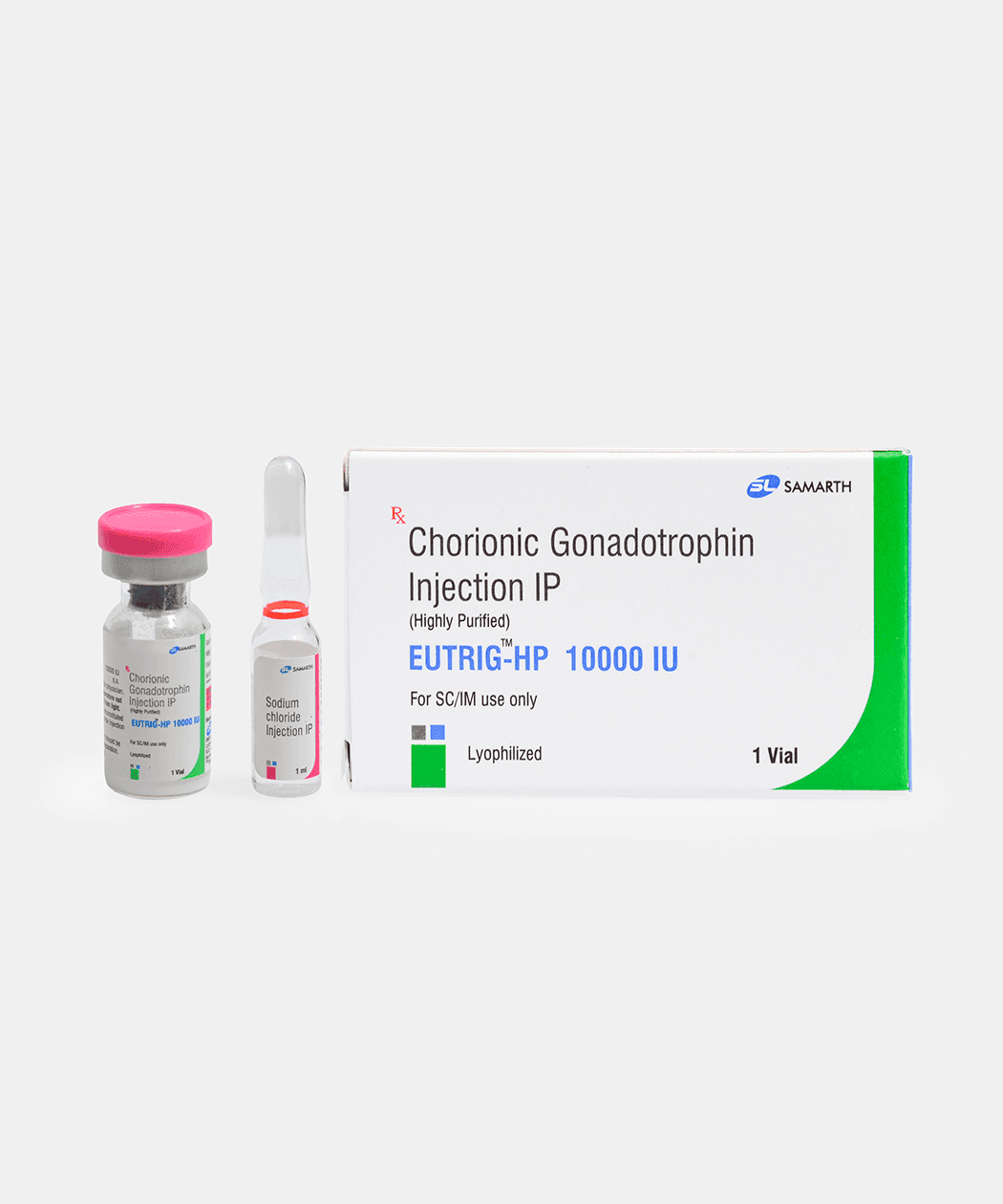
Vendors carrying HCG, with live product details and codes. Links are affiliate links that support the wiki at no cost to you.

RUPharma🌐
HCG
RUPharma🌐
HCG
PCT.Zone
HCG
RUO
HCG
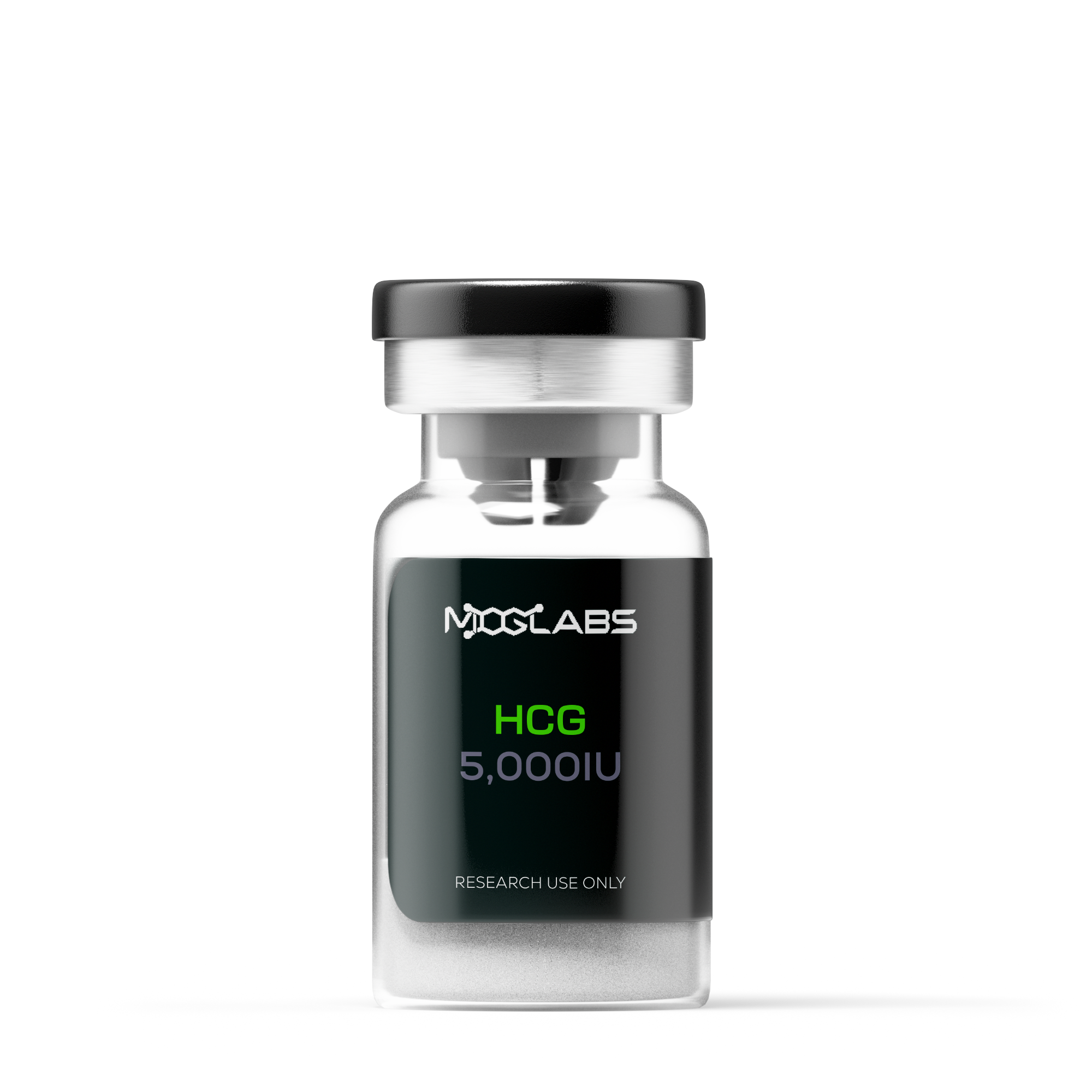
Moglabs
HCG
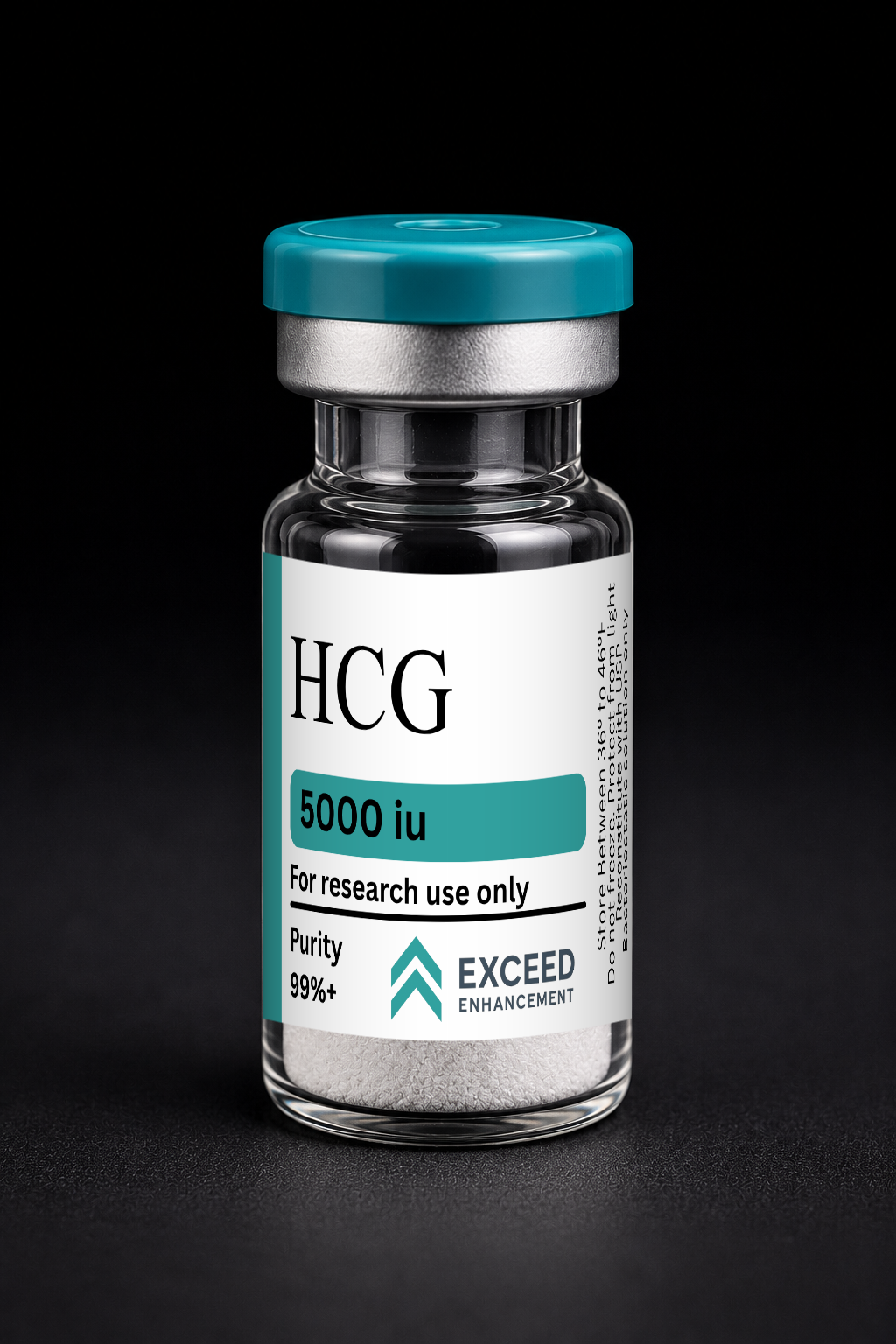
Exceed Enhancement
HCG
Research
- 1998first citedPulsatile GnRH or human chorionic gonadotropin/human menopausal gonadotropin as effective treat…
- 2021most active year4 papers
- 2024most recentGonadotropins for pubertal induction in males with hypogonadotropic hypogonadism: systematic re…
- 1.Gonadotoropin actions on spermatogenesis and hormonal therapies for spermatogenic disorders [Review].
- 2.Human chorionic gonadotropin treatment: a viable option for management of secondary hypogonadism and male infertility.
- 3.Indications for the use of human chorionic gonadotropic hormone for the management of infertility in hypogonadal men.
- 4.Anabolic steroid misuse and male infertility: management and strategies to improve patient awareness.
- 5.Human chorionic gonadotropin stimulation gives evidence of differences in testicular steroidogenesis in Klinefelter syndrome, as assessed by liquid chromatography-tandem mass spectrometry.
- 6.A clinical algorithm for management of fertility in adolescents with the Klinefelter syndrome.
- 7.Insulin-like peptide 3 (INSL3) in men with congenital hypogonadotropic hypogonadism/Kallmann syndrome and effects of different modalities of hormonal treatment: a single-center study of 281 patients.
- 8.Anabolic steroid-induced hypogonadism: diagnosis and treatment.
- 9.Gonadotropins for pubertal induction in males with hypogonadotropic hypogonadism: systematic review and meta-analysis.
- 10.Hormone-Based Treatments in Subfertile Males.
- 11.Hypogonadism induced by surgical stress and brain trauma is reversed by human chorionic gonadotropin in male rats: A potential therapy for surgical and TBI-induced hypogonadism?
- 12.Concomitant intramuscular human chorionic gonadotropin preserves spermatogenesis in men undergoing testosterone replacement therapy.
26 listed here; entry last updated August 2026
Reviews
My notesprivate to this device
FAQ
How does HCG mimic LH?
It acts on the same receptors as luteinizing hormone, signaling the testes to produce testosterone. This is why it's used to maintain testicular function.
Why is it used during a steroid cycle?
Exogenous hormones can suppress the natural signal to the testes, and HCG helps keep them active. It's used to prevent testicular shrinkage.
Does it need refrigeration?
Once reconstituted, it's typically kept refrigerated to preserve potency. The dry powder is more stable before mixing.
What is PCT?
Post-cycle therapy refers to protocols aimed at restoring natural hormone production after suppression. HCG is one component some use.
Is there an oral alternative to HCG?
An emerging one is ORG-43902, an oral small-molecule LH-receptor agonist. In theory it desensitizes the receptor less and, with a shorter half-life, gives Leydig cells more downtime, though its human data are still early and mostly in women.
Adverse effects
- May cause mild water retention
- Estrogen can rise, occasionally leading to gynecomastia
- Mood changes are possible
- Acne or oily skin can appear as androgens climb
Notes and cautions
- Injection site reactions are usually mild and temporary