
spec sheet11 rows
Vasoactive intestinal peptide (VIP) is a 28-amino-acid neuropeptide that signals through the G-protein-coupled receptors VPAC1, VPAC2, and PAC1, functioning as a potent vasodilator, bronchodilator, and broad anti-inflammatory regulator; in the central nervous system it suppresses tumor necrosis factor alpha production by activated microglia through a cyclic AMP-dependent pathway. A defining and comparatively unusual role is its function as the principal synchronizing signal of the suprachiasmatic nucleus, where VIP released from retinorecipient neurons couples and entrains the master circadian clock via ERK1/2 signaling. In the lung VIP protects alveolar type II cells and dampens cytokine release, which motivated clinical study of the synthetic form aviptadil in COVID-19 respiratory failure and pulmonary hypertension, though large randomized trials such as TESICO did not establish clear survival benefit. Its pleiotropic, homeostatic actions across neural, immune, vascular, and reproductive tissues make it a widely investigated biological regulator.
- a potent vasodilator; opens blood vessels and airways
- broad anti-inflammatory signalling across brain, lung and gut
- the master synchronising signal of the brain's circadian clock
- quiets overactive microglia and macrophages in lab models
- receptor pharmacology is unusually well mapped for a peptide
- studied clinically as aviptadil in severe lung disease
- As a potent vasodilator, it can cause flushing, lower blood pressure, or a fast heartbeat
- Diarrhea is possible, reflecting its effects on the gut
- Given its short half-life, effects are brief and reliable delivery can be challenging
Overview
VIP, short for Vasoactive Intestinal Peptide, is a 28-amino-acid neuropeptide that belongs to the secretin and glucagon superfamily of peptide hormones. It was first isolated from intestinal tissue in the early 1970s, which gave it its name, but it is now known to be produced throughout the body by both neural and lymphoid cells and to be widely distributed in the gut, lungs, and central and peripheral nervous systems [1][3]. VIP functions both as a neurotransmitter and as a hormone, and it is a mediator of a remarkably broad range of physiological processes.
VIP exerts its effects by binding two G-protein-coupled receptors, VPAC1 and VPAC2, which are coupled to the adenylate cyclase and cyclic AMP signaling system [1]. Through these receptors it acts as a potent systemic and pulmonary vasodilator, a bronchodilator, and a stimulant of secretion, and it plays a homeostatic role in the respiratory system [1][2]. Beyond these classical actions, VIP is a major anti-inflammatory and immunomodulatory molecule, sometimes called a neuroimmunopeptide because it links the nervous and immune systems [3].
Because of this profile, VIP has been studied as a therapeutic across several fields. In the lungs, inhaled VIP agonists have been investigated for asthma, chronic obstructive pulmonary disease, cystic fibrosis, sarcoidosis, and pulmonary hypertension [1][2]. In immunology, VIP has shown therapeutic effects in animal models of autoimmune disease such as rheumatoid arthritis [4][5]. VIP is naturally short-lived in the body, so stabilized and inhaled formulations and improved delivery systems have been developed to make it usable as a drug [1]. It is not an approved medicine for general use; synthetic VIP is handled as an investigational and compounded peptide, typically administered by inhalation, nasal spray, or injection.
- VIP is the main chemical signal that keeps the neurons of the brain's master circadian clock synchronized with one another.
- It was first pulled out of pig intestine in 1970 by Said and Mutt, who were hunting for substances that relax blood vessels.
Mechanism
VIP works through two related G-protein-coupled receptors, VPAC1 and VPAC2, which are expressed on blood vessels, airway smooth muscle, and a wide array of immune cells. Activation of these receptors raises intracellular cyclic AMP, and it is this second-messenger signaling that produces VIP's two headline effects: relaxation of smooth muscle and restraint of inflammation [1]. In the vasculature and airways, the rise in cyclic AMP relaxes smooth muscle to dilate blood vessels and bronchi, which is why VIP is described as a potent systemic and pulmonary vasodilator and bronchodilator [1][2].
The vasodilatory action has been tested directly in humans. In patients with primary pulmonary hypertension, who were found to be deficient in VIP in serum and lung tissue and to have a compensatory upregulation of VIP receptors, administration of the lowered mean pulmonary artery pressure, increased cardiac output, and raised mixed venous oxygen saturation across the eight patients studied, without side effects; the authors framed this as replacing a missing endogenous hormone [2]. This deficiency and replacement logic is central to VIP's therapeutic rationale.
The second major benefit is immune regulation. VIP is a broadly anti-inflammatory neuroimmunopeptide that shifts the immune system toward tolerance and balance. In models of rheumatoid arthritis it suppresses pro-inflammatory T helper 1 and T helper 17 responses while favoring anti-inflammatory T helper 2 and regulatory T cell profiles, and it downregulates pattern-recognition receptors such as Toll-like receptors on inflamed synovial cells [3]. VIP can directly induce functional CD4-positive, CD25-positive, Foxp3-positive regulatory T cells that suppress autoreactive T cells and, when transferred, ameliorate the progression of experimental arthritis [4]. It further reduces pathogenic autoantibody production by enhancing regulatory T cell activity and limiting harmful T cell plasticity [5]. Together these mechanisms give VIP a benefit profile spanning , bronchodilation, and powerful immune modulation, though most therapeutic evidence remains in early clinical and preclinical stages [1][5].
receptor fingerprint
VPAC1 and VPAC2 receptorsActivates cAMP/PKA signaling as a class B GPCR agonist
NF-kB inflammatory pathwaySuppresses NF-kB activation and inflammatory cytokine output
T cell balanceShifts responses toward regulatory T cells and Th2
Safetyrisks and cautions, not medical advice
Vasoactive intestinal peptide (VIP) is a signaling peptide used off-label as a nasal spray; it is not an approved therapy for this use, and human safety data outside limited settings are sparse. As a potent vasodilator it can cause flushing, lightheadedness or low blood pressure, headache, and diarrhea. Its long-term safety is not established, and it should be approached cautiously by anyone with cardiovascular or blood-pressure conditions.
History
Vasoactive intestinal peptide was discovered by Sami I. Said and Viktor Mutt, who first isolated the 28-amino-acid peptide from porcine small intestine in 1970 while searching for vasodilator substances in the gut. It was originally characterized as a systemic and pulmonary vasodilator, and later work established that the human sequence is identical to the porcine form and that VIP is co-synthesized with a related peptide from a shared precursor protein.
Over subsequent decades its biology expanded far beyond digestion to encompass bronchodilation, broad anti-inflammatory and immune-regulating actions, and a defining role as the principal synchronizing signal of the suprachiasmatic nucleus, the brain's master circadian clock. The synthetic analogue aviptadil advanced into clinical study for pulmonary hypertension and, more recently, COVID-19 respiratory failure, though large randomized trials such as TESICO did not establish a clear survival benefit.
Reputation
VIP is widely respected as a strikingly pleiotropic, homeostatic regulator that touches neural, immune, vascular, and reproductive systems, and it remains a heavily investigated biological signal more than half a century after its discovery. Researchers are drawn to its dual identity as both a potent vasodilator and bronchodilator and a broadly anti-inflammatory neuroimmunopeptide that can steer immune responses toward tolerance.
Its therapeutic appeal was sharpened by the finding that patients with primary pulmonary hypertension are deficient in VIP, framing treatment as replacing a missing endogenous hormone. The honest counterpoint is that much of the therapeutic evidence remains early-stage, its short half-life complicates delivery, and the large aviptadil trials in COVID-19 were inconclusive; nonetheless its rich, homeostatic pharmacology keeps it a compelling subject of ongoing study.
Subjective profileweighing the evidence above
The biology is excellent and the receptor pharmacology is well understood; delivery is the problem. It is not approved for the nasal use it tends to get put to, human safety data outside limited settings is sparse, and the short half-life plus strong vasodilation makes flushing and low blood pressure the practical ceiling.
Where to buy



Suppliers
Vendors carrying VIP, with live product details and codes. Links are affiliate links that support the wiki at no cost to you.
| supplier | size | price | $/mg |
|---|---|---|---|
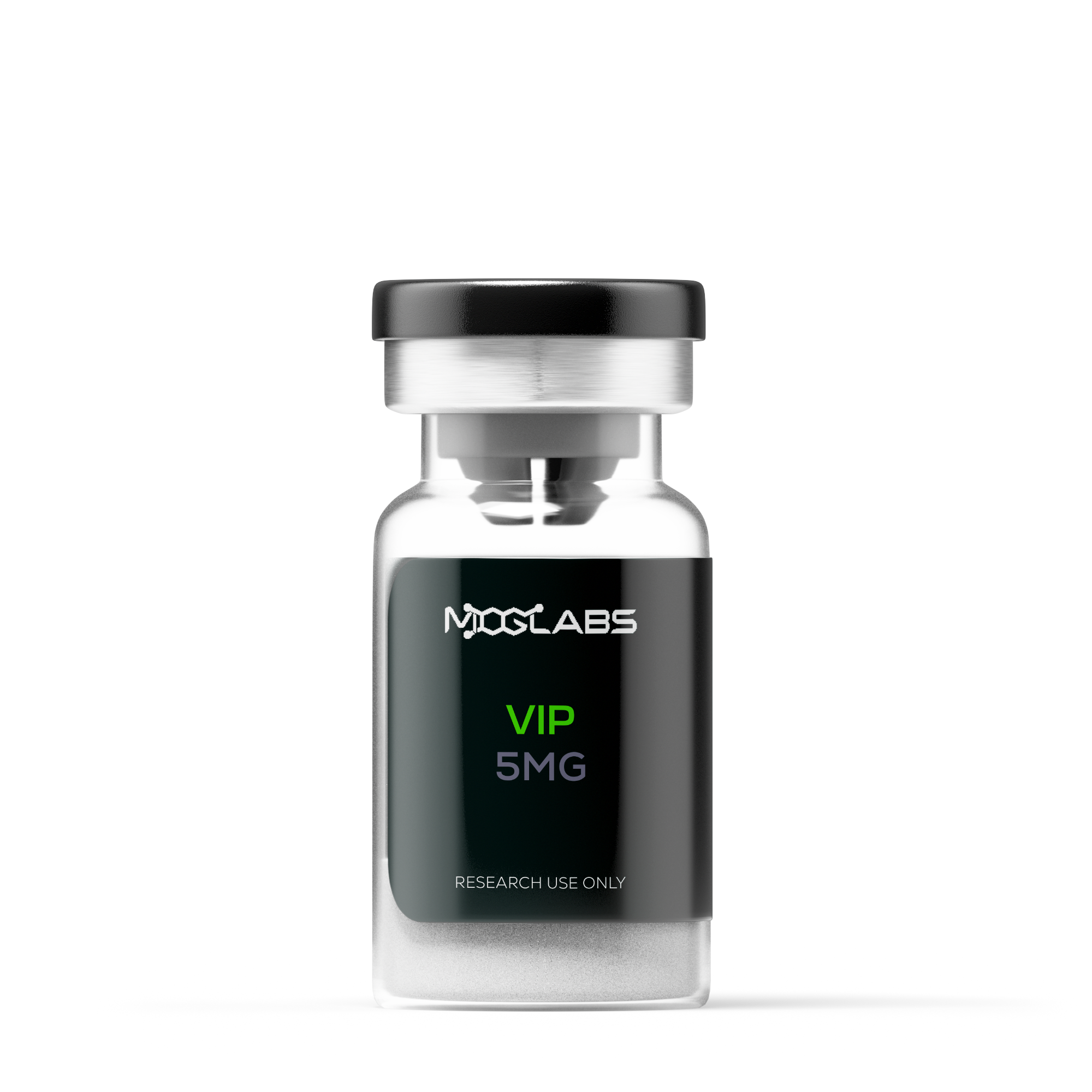
| Moglabslowest | 5mg | $36.00 | $7.20/mg |
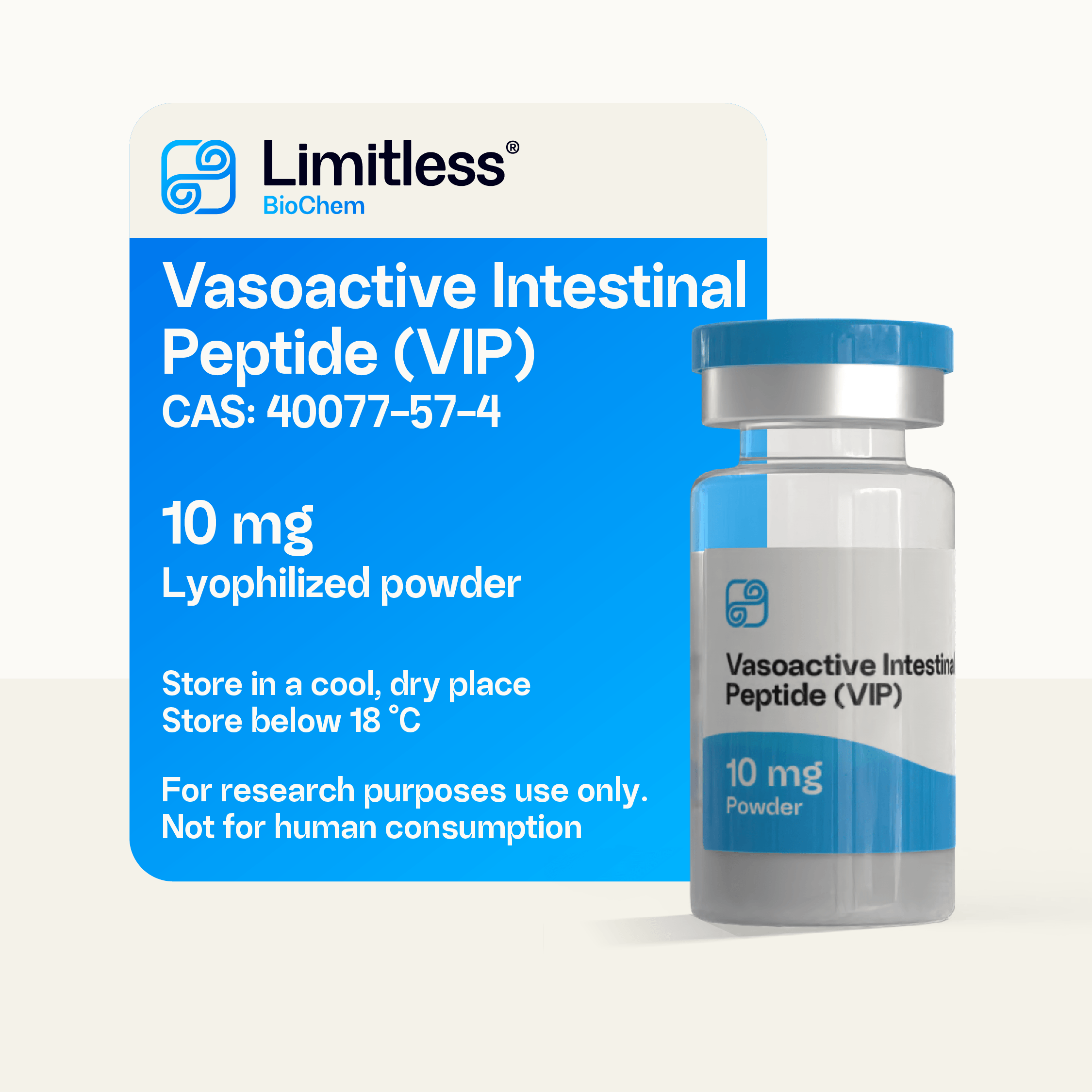
| Limitless Biochem | 10mg | $107.00 | $10.70/mg |
Moglabs
VIP
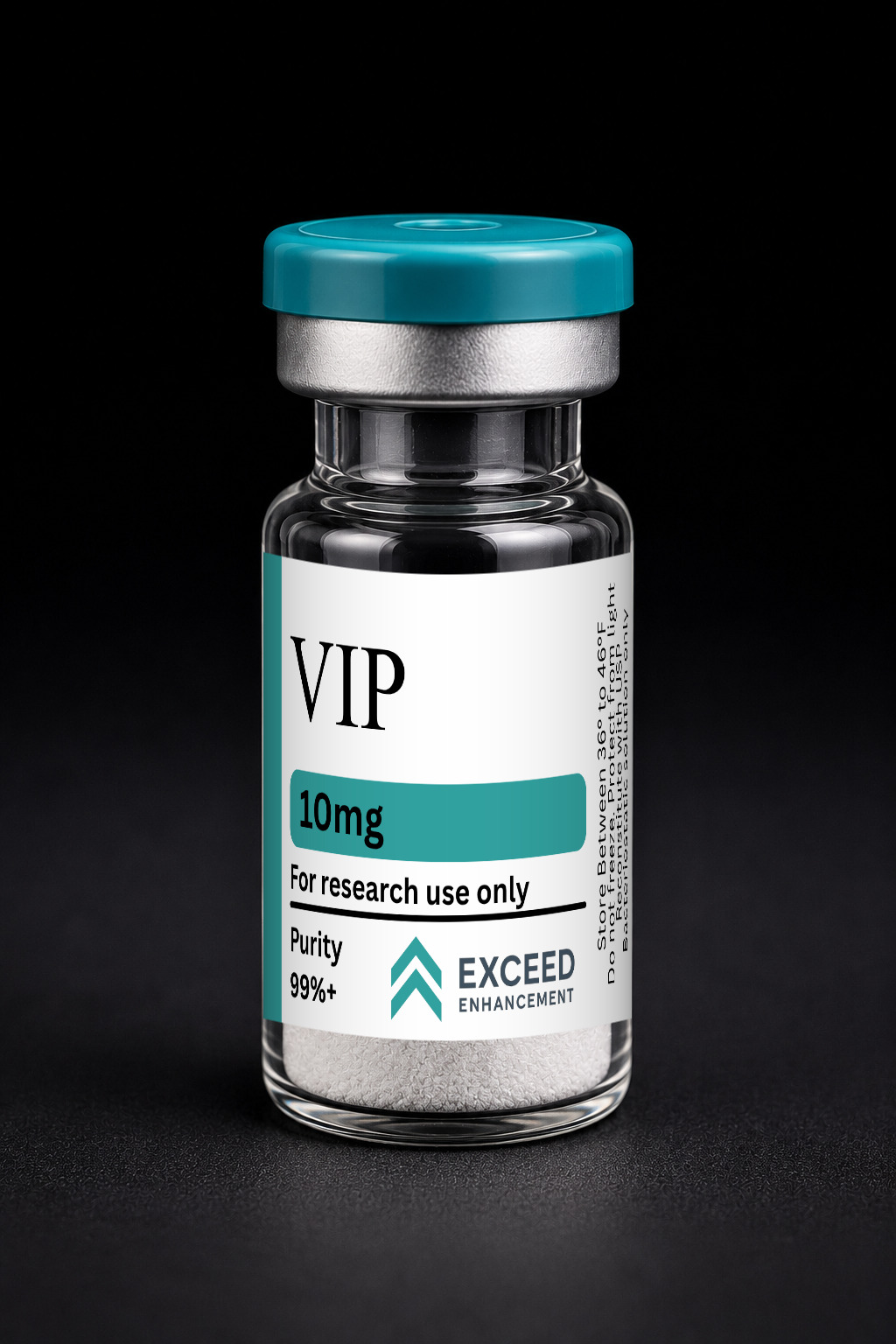
Exceed Enhancement
VIP
Kimera Chems
VIP
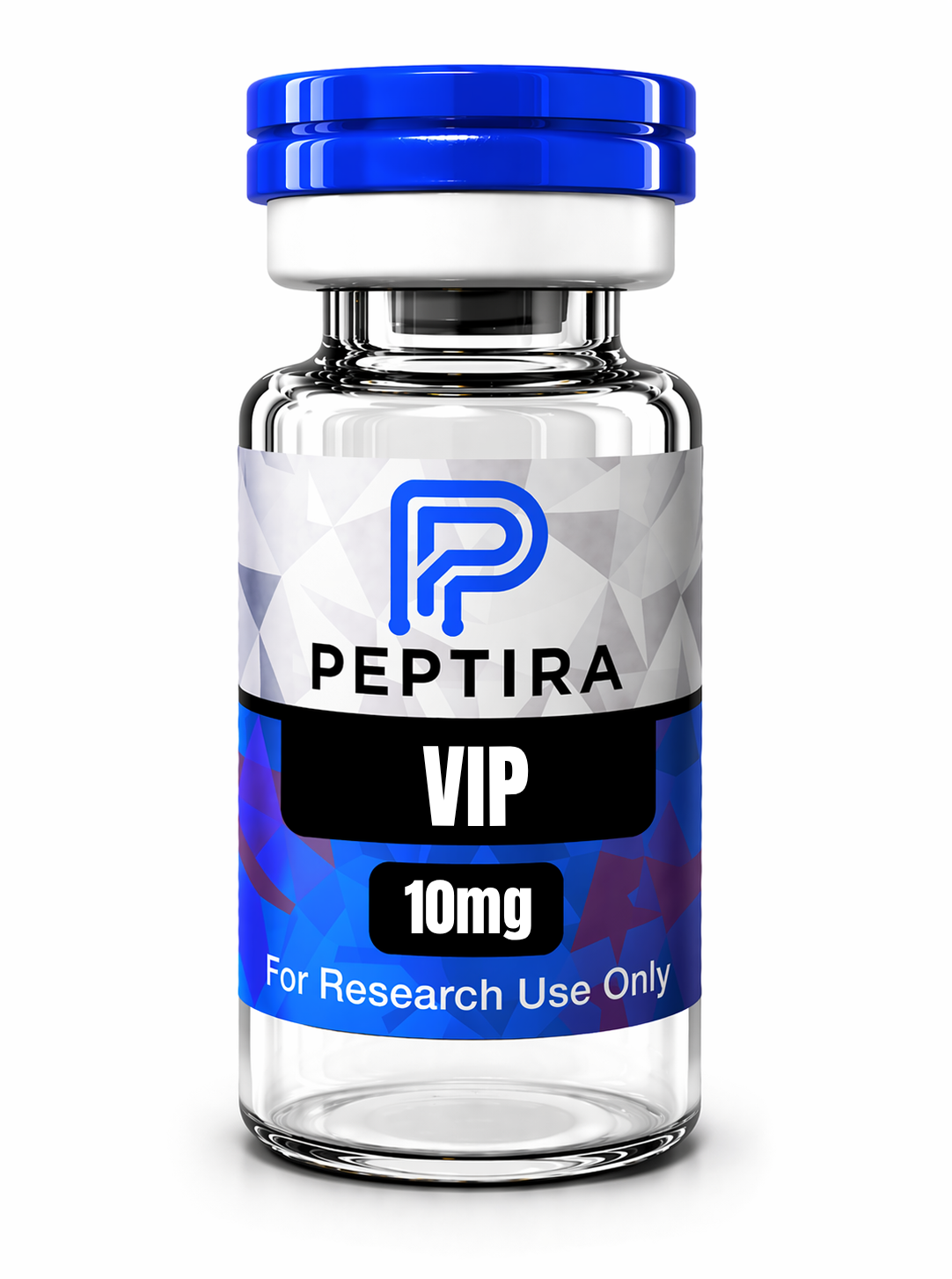
Peptira
VIP
Limitless Biochem🌐
VIP
RUO
VIP
Research
- 2000first citedVasoactive intestinal peptide and pituitary adenylyl cyclase-activating polypeptide inhibit tum…
- 2022controlled trialThe Use of IV Vasoactive Intestinal Peptide (Aviptadil) in Patients With Critical COVID-19 Resp…
- 2023most recentIntravenous aviptadil and remdesivir for treatment of COVID-19-associated hypoxaemic respirator…
- 1.Vasoactive intestinal Peptide inhaled agonists: potential role in respiratory therapeutics
- 2.Vasoactive intestinal peptide as a new drug for treatment of primary pulmonary hypertension
- 3.The Anti-Inflammatory Mediator, Vasoactive Intestinal Peptide, Modulates the Differentiation and Function of Th Subsets in Rheumatoid Arthritis
- 4.Vasoactive intestinal peptide induces CD4+,CD25+ T regulatory cells with therapeutic effect in collagen-induced arthritis
- 5.Mechanism of Immunoregulatory Properties of Vasoactive Intestinal Peptide in the K/BxN Mice Model of Autoimmune Arthritis
- 6.Vasoactive intestinal peptide and pituitary adenylyl cyclase-activating polypeptide inhibit tumor necrosis factor-alpha production in injured spinal cord and in activated microglia via a cAMP-dependent pathway.
- 7.Vasoactive intestinal peptide controls the suprachiasmatic circadian clock network via ERK1/2 and DUSP4 signalling.
- 8.VIPergic neuroprotection in epileptogenesis: challenges and opportunities.
- 9.Vasoactive intestinal peptide (VIP) receptor expression in monocyte-derived macrophages from COPD patients.
- 10.Vasoactive intestinal peptide blockade suppresses tumor growth by regulating macrophage polarization and function in CT26 tumor-bearing mice.
- 11.Vasoactive Intestinal Peptide modulates trophoblast-derived cell line function and interaction with phagocytic cells through autocrine pathways.
- 12.TCR signaling and environment affect vasoactive intestinal peptide receptor-1 (VPAC-1) expression in primary mouse CD4 T cells.
21 listed here; entry last updated August 2026
Reviews
My notesprivate to this device
FAQ
What receptors does VIP use?
It signals through the class B GPCRs VPAC1 and VPAC2, raising cAMP and activating PKA.
Why is VIP anti-inflammatory?
It suppresses NF-kB, lowers inflammatory cytokines, and pushes T cells toward regulatory and Th2 profiles.
Is intranasal VIP proven?
The receptor biology is well understood, but human evidence for intranasal wellness use is limited.
Adverse effects
- As a potent vasodilator, it can cause flushing, lower blood pressure, or a fast heartbeat
- Diarrhea is possible, reflecting its effects on the gut
- Given its short half-life, effects are brief and reliable delivery can be challenging
Notes and cautions
- Not an FDA-approved drug, and most human data come from small or investigational studies
- Immune-modulating peptides warrant caution in people with complex health conditions