
spec sheet12 rows
Thymosin alpha-1 is a 28-amino-acid peptide derived from the precursor prothymosin alpha and originally isolated from thymic tissue, marketed synthetically as thymalfasin (Zadaxin). It acts principally through Toll-like receptor signaling, notably TLR9 and TLR2 on dendritic cells and monocytes, promoting their maturation and steering T-helper cell differentiation, which restores T-cell number and function where these have been depleted by infection, aging, or malignancy. In severe COVID-19 it was reported to reduce mortality by reversing lymphocytopenia and reversing markers of T-cell exhaustion, illustrating its capacity to rebalance rather than simply stimulate immunity. Approved in numerous countries as an adjuvant for chronic hepatitis B and studied in cancer, sepsis, and vaccine augmentation, it has been evaluated in randomized sepsis trials including the multicenter ETASS and phase 3 TESTS studies, and is regarded as well tolerated across indications.
- The best evidenced thymic peptide by a wide distance
- Approved in several countries as a hepatitis B adjuvant
- Rebuilds T cell number and function where infection depleted them
- Rebalances immunity through TLR signaling rather than blunt stimulation
- Strengthens vaccine responses and reactivates exhausted T cells
- Well tolerated across randomized trials in sepsis and cancer settings
- Injection-site reactions such as redness or discomfort can occur
- Mild, transient symptoms like fatigue may occur as the immune system is modulated
- Most human data come from specific disease settings under medical supervision
Overview
Thymosin Alpha-1 (Tα1), marketed under the generic name thymalfasin and the brand name Zadaxin, is a 28-amino-acid immunomodulatory peptide. It occurs naturally in the body, where it is produced by cleavage of the larger precursor protein prothymosin alpha in the thymus and other tissues, and it was first described and characterized by Allan Goldstein in 1972 as a component of thymic extract responsible for restoring immune function [1][2]. The synthetic version is chemically identical to the natural peptide.
Functionally, Thymosin Alpha-1 is a biological response modifier: rather than simply suppressing or overstimulating the immune system, it acts to restore and rebalance immune function, which is why interest has centered on conditions marked by immune exhaustion or deficiency [2]. It has been used worldwide for the treatment of certain immunodeficiencies, malignancies, and chronic infections, and is approved in dozens of countries as a treatment for chronic hepatitis B and hepatitis C and as an enhancer of vaccine responses in immunocompromised individuals [1][3].
The clinical literature is extensive. In chronic hepatitis B, a meta-analysis of randomized trials found that thymosin alpha-1 produced antiviral, biochemical, and complete responses that accumulated gradually and, at follow-up, exceeded those of interferon alpha [3]. In critical care, a multicenter randomized trial evaluated it as an adjunctive immunomodulator in severe sepsis [4], and during the COVID-19 pandemic it was studied for its ability to restore lymphocyte counts and reduce mortality in severely ill patients [5]. It is supplied as a peptide for subcutaneous injection and is generally regarded as very well tolerated [4][5].
- Thymosin alpha-1 is cleaved from a larger precursor, prothymosin alpha, and is only 28 amino acids long yet acts on the whole immune system.
- Its full amino-acid sequence was worked out in 1977, making it one of the earliest thymic peptides ever fully sequenced.
Mechanism
Thymosin Alpha-1 works as a broad immune modulator whose central action is on dendritic cells, the sentinels that detect infection and instruct the rest of the immune system. It signals through Toll-like receptors in both myeloid and plasmacytoid dendritic cells, engaging MyD88-dependent pathways that activate the cells and trigger production of immune-related cytokines [1][2]. Through this dendritic-cell axis it primes protective type 1 helper T-cell (Th1) responses, promotes the maturation and differentiation of T cells, augments natural killer cell and T-cell activity, and, via induction of indoleamine 2,3-dioxygenase and tryptophan catabolism, can also promote immune tolerance; the net effect is regulation of immunity toward homeostasis rather than simple stimulation [1].
These mechanisms translate into restoration of a weakened immune system. In severe COVID-19, thymosin alpha-1 enhanced circulating T-cell numbers in patients with severe lymphocytopenia, restored CD8 and CD4 T-cell counts in elderly patients, and reduced expression of the T-cell exhaustion markers PD-1 and Tim-3, effects that paralleled increased thymic output; clinically, treated patients had lower mortality than untreated patients, roughly 11 percent versus 30 percent in that cohort [5]. In severe sepsis, where immune paralysis drives many late deaths, the ETASS randomized trial reported 28-day all-cause mortality of about 26 percent with thymosin alpha-1 versus 35 percent in controls, alongside significantly greater recovery of monocyte HLA-DR expression, a key marker of restored immune competence [4].
The documented benefits span antiviral, anticancer, and anti-infective settings. In chronic hepatitis B, responses built gradually and surpassed interferon alpha by the post-treatment follow-up [3], and the is used as an adjuvant to strengthen vaccine responses and to support immunity during cancer therapy [2]. A consistent theme across decades of use is an excellent safety profile, with no serious drug-related adverse events recorded in the controlled sepsis trial [4]. Because its action is to normalize rather than force immune activity, thymosin alpha-1 is regarded as a favorably tolerated way to rebuild immune resilience [2][4].
receptor fingerprint
T lymphocytesStimulates proliferation, differentiation, and maturation
Toll-like receptorsSignals through TLR3/4/9 to activate IRF3 and NF-kB
Innate immune cellsModulates macrophage and natural killer cell activity
Safetyrisks and cautions, not medical advice
Thymosin alpha-1 (thymalfasin) is an immune-modulating peptide approved in several countries for hepatitis B and C and as a vaccine adjuvant, and it is generally well tolerated, with injection-site reactions the most common complaint. Because it stimulates immune activity, caution is warranted in people with autoimmune disease or organ transplants and those taking immunosuppressants. It is not FDA-approved in the United States, and long-term safety for anti-aging use is not established.
History
Thymosin alpha-1 emerged from the pioneering thymic research of Allan L. Goldstein, who while working in Abraham White's laboratory helped develop thymosin fraction 5, a partially purified thymic extract with immune-restoring activity. In 1977 Goldstein and colleagues isolated the individual peptide from calf thymus and reported its full 28-amino-acid sequence, naming it thymosin alpha-1 and proposing a nomenclature for the family of peptides within fraction 5. The peptide was subsequently produced by chemical synthesis, which made a defined, reproducible product available for clinical development. Marketed synthetically as thymalfasin under the brand name Zadaxin, it has since been approved in numerous countries as an immunomodulator, most notably as an adjuvant in chronic hepatitis B, and has been studied across cancer, sepsis, and vaccine augmentation.
Reputation
Thymosin alpha-1 is regarded as one of the better characterized immune-modulating peptides, valued for the unusual breadth of its clinical study and its consistently favorable tolerability across decades of use. It draws particular interest for acting to rebalance immunity toward homeostasis rather than simply forcing stimulation, an appealing profile that has kept it in play from chronic viral hepatitis to sepsis and, more recently, severe COVID-19.
Randomized trials such as the multicenter ETASS study in severe sepsis reported encouraging mortality and immune-recovery signals with no serious drug-related adverse events, reinforcing its reputation for safety. Honest discussion notes that results vary by indication and that several proposed uses rest on smaller or single-center studies, so enthusiasm is tempered by a call for larger confirmatory trials; even so, its long track record and clean safety record give it durable standing.
Subjective profileweighing the evidence above
The best-evidenced thymic peptide by a distance, approved in several countries for hepatitis B and generally well tolerated. The human data comes from specific disease settings under medical care, though, so using it as a general immune booster goes past what has been shown, and autoimmune disease or transplant medication rules it out.
Where to buy

Suppliers
Vendors carrying Thymosin Alpha-1, with live product details and codes. Links are affiliate links that support the wiki at no cost to you.
| supplier | size | price | $/mg |
|---|---|---|---|
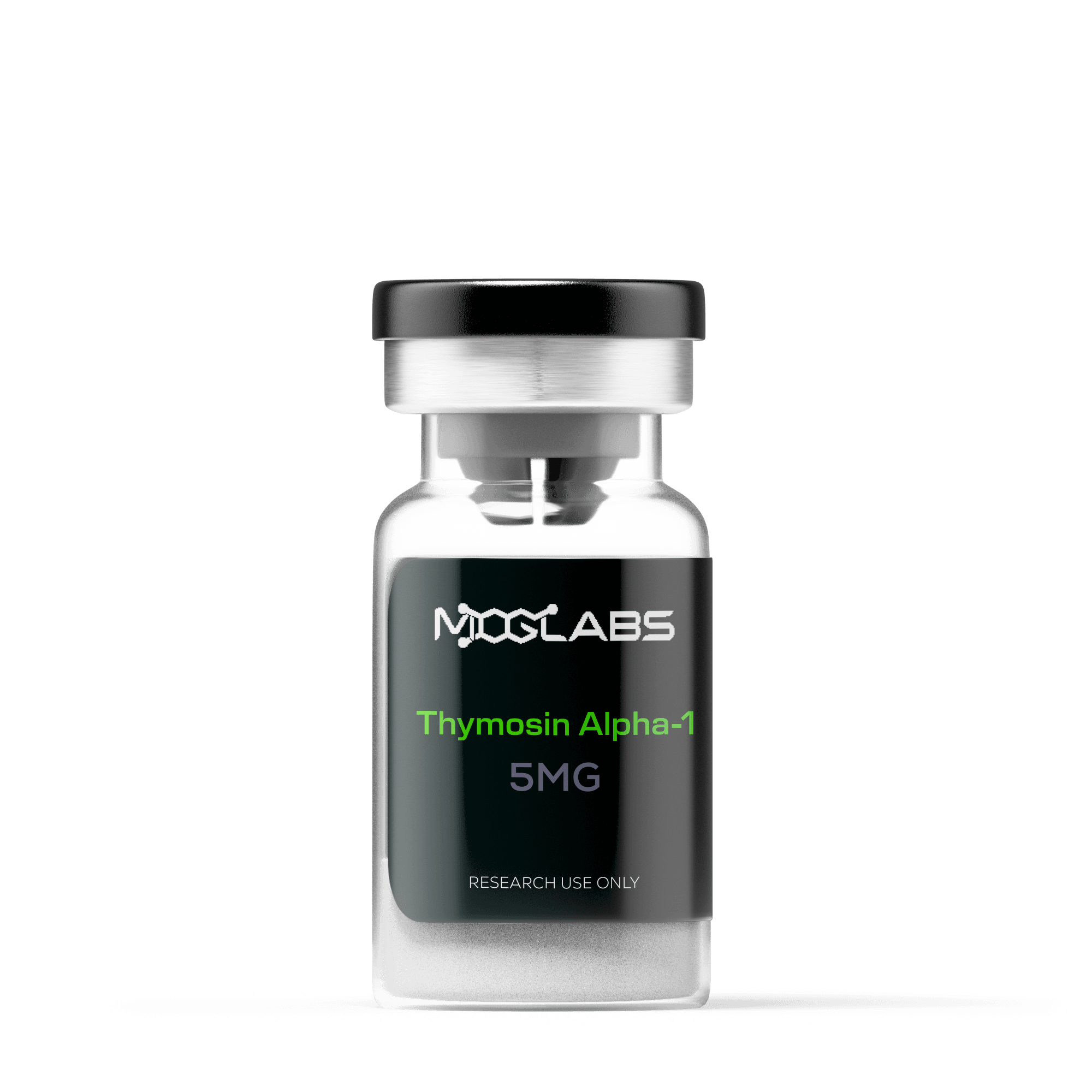
| Moglabslowest | 5mg | $36.00 | $7.20/mg |
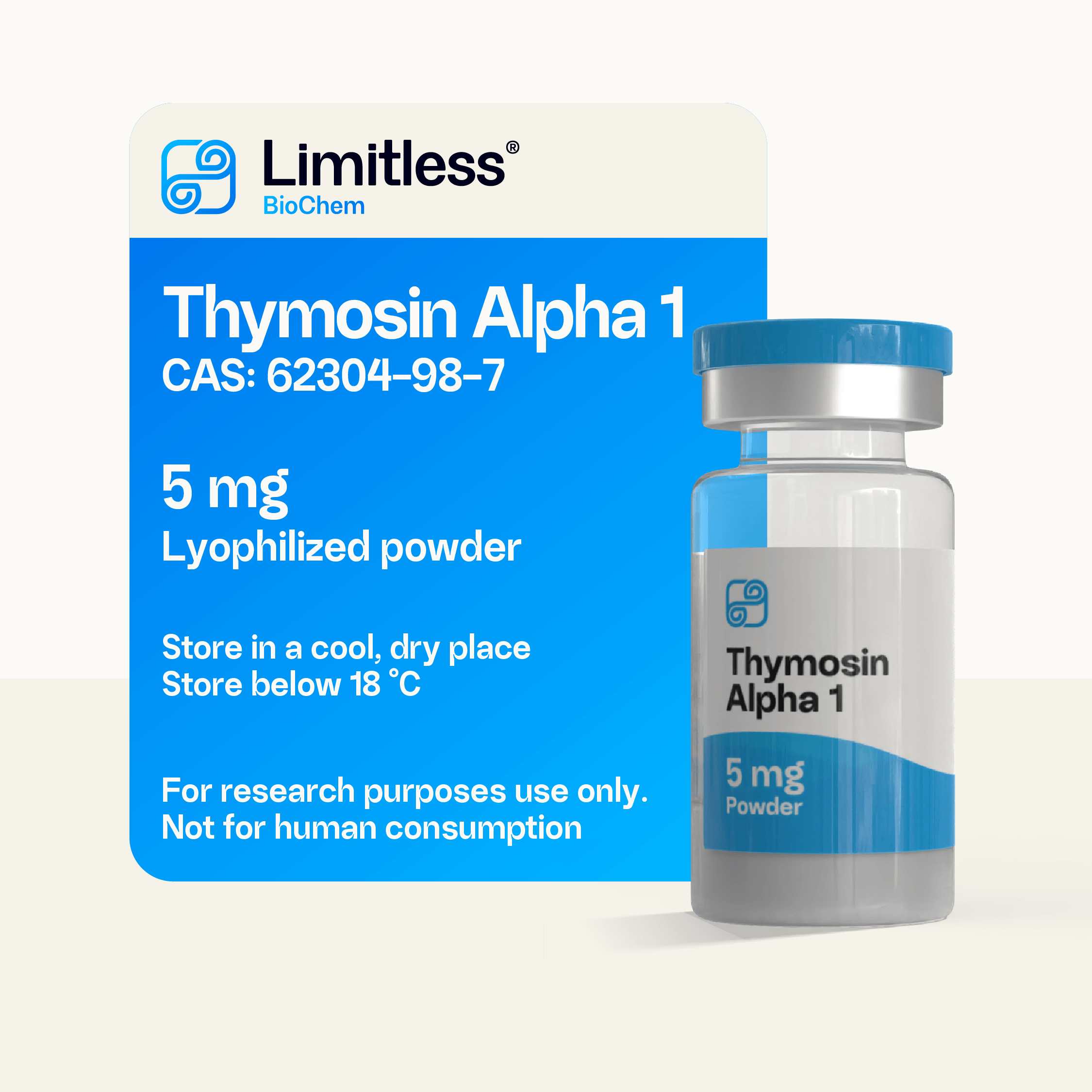
| Limitless Biochem | 5mg | $37.45 | $7.49/mg |
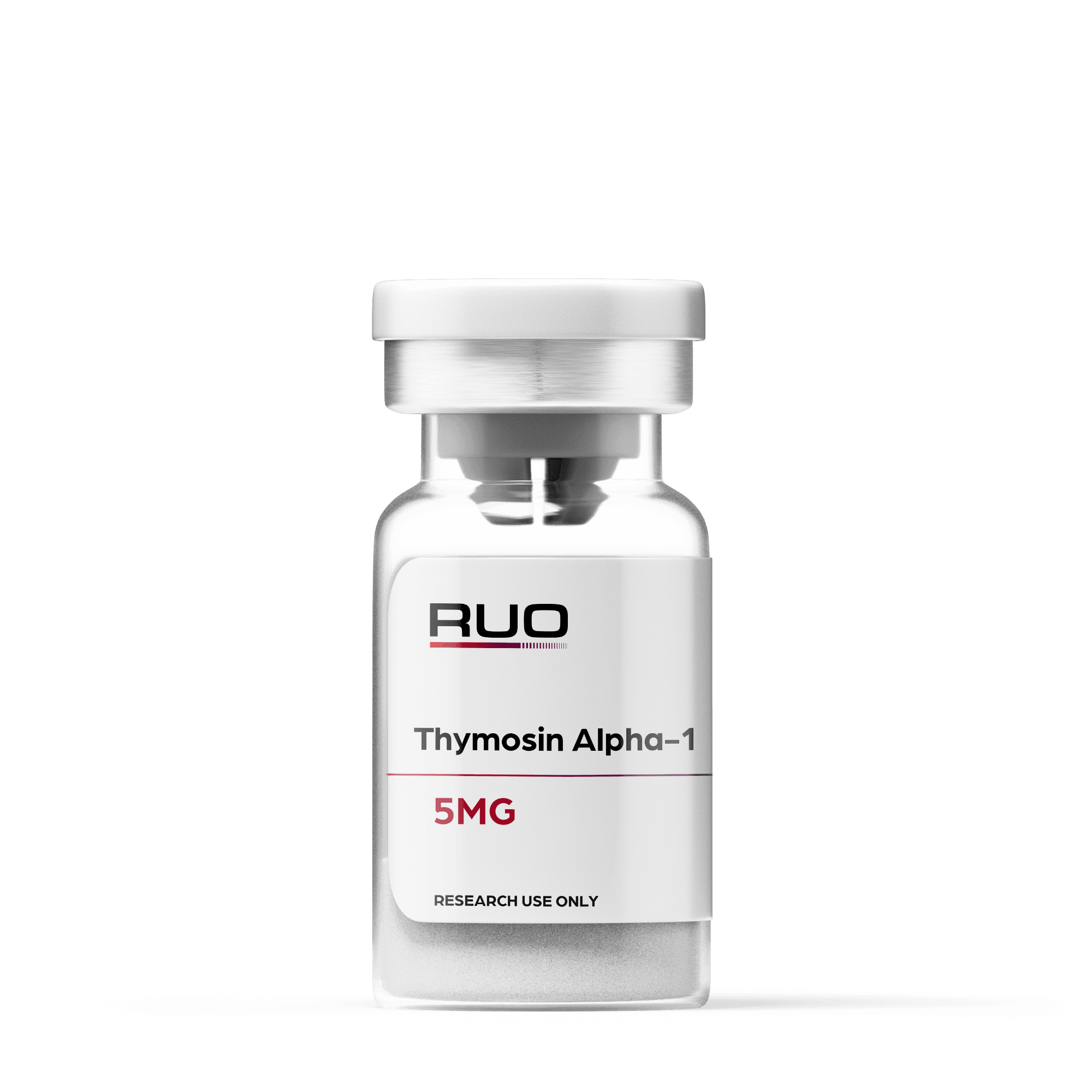
| RUO | 5mg | $42.00 | $8.40/mg |
RUPharma🌐
Thymosin Alpha-1
Moglabs
Thymosin Alpha-1
Limitless Biochem🌐
Thymosin Alpha-1
RUO
Thymosin Alpha-1
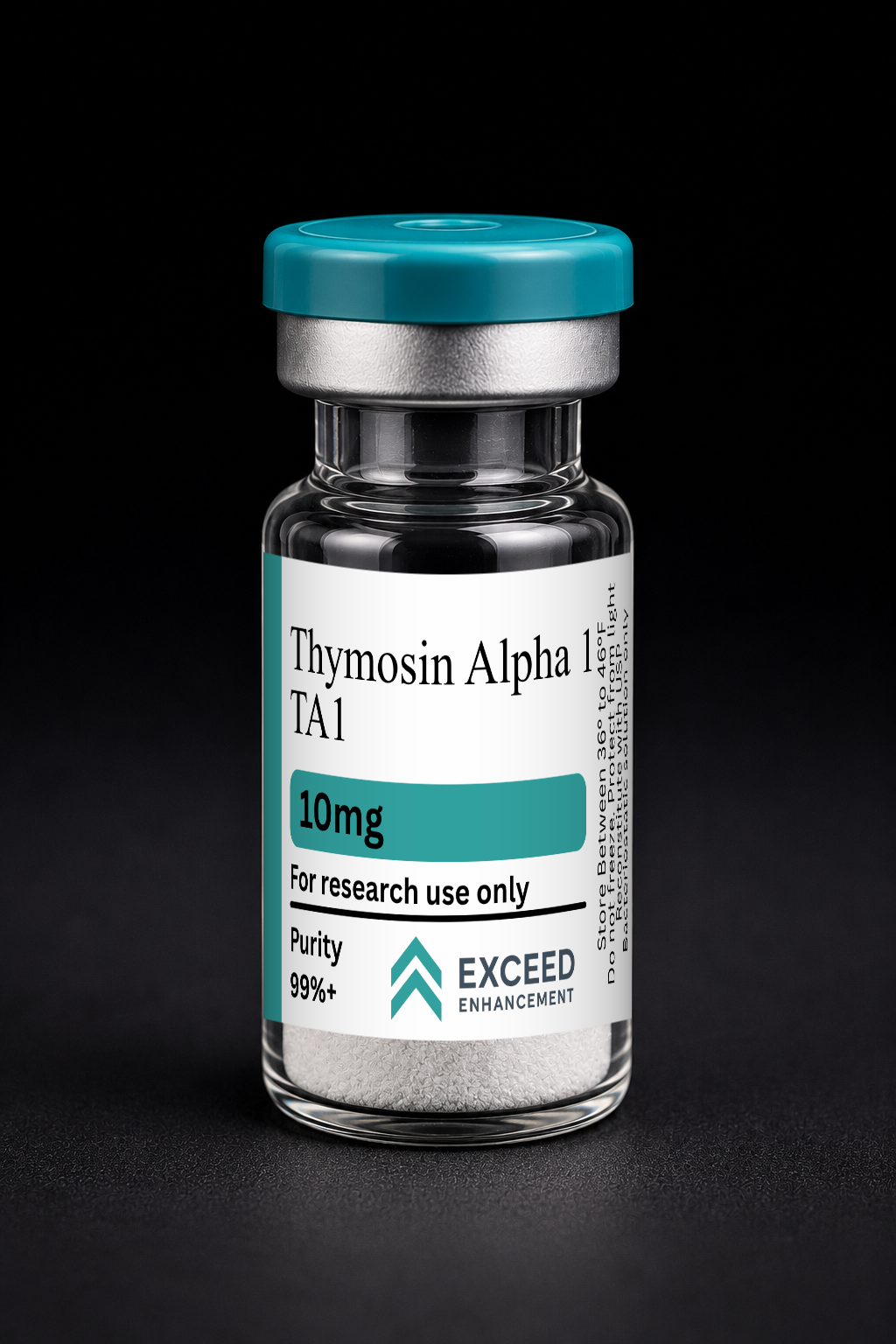
Exceed Enhancement
Thymosin Alpha-1
Kimera Chems
Thymosin Alpha-1
Research
- 1977first citedThymosin alpha1: isolation and sequence analysis of an immunologically active thymic polypeptide
- 2008meta-analysisComparison of the efficacy of thymosin alpha-1 and interferon alpha in the treatment of chronic…
- 2015most active year4 papers
- 2025most recentThe efficacy and safety of thymosin α1 for sepsis (TESTS): multicentre, double blinded, randomi…
- 1.Thymosin alpha1: an endogenous regulator of inflammation, immunity, and tolerance
- 2.Immune Modulation with Thymosin Alpha 1 Treatment
- 3.Comparison of the efficacy of thymosin alpha-1 and interferon alpha in the treatment of chronic hepatitis B: a meta-analysis
- 4.The efficacy of thymosin alpha 1 for severe sepsis (ETASS): a multicenter, single-blind, randomized and controlled trial
- 5.Thymosin Alpha 1 Reduces the Mortality of Severe Coronavirus Disease 2019 by Restoration of Lymphocytopenia and Reversion of Exhausted T Cells
- 6.The efficacy and safety of thymosin α1 for sepsis (TESTS): multicentre, double blinded, randomised, placebo controlled, phase 3 trial.
- 7.Thymosin α-1 in cancer therapy: Immunoregulation and potential applications.
- 8.Mechanism of Action of Thymosinα1: Does It Interact with Membrane by Recognition of Exposed Phosphatidylserine on Cell Surface? A Structural Approach.
- 9.Dual effect of Thymosin α 1 on human monocyte-derived dendritic cell in vitro stimulated with viral and bacterial toll-like receptor agonists.
- 10.Thymosin alpha 1: biological activities, applications and genetic engineering production.
- 11.Thymosin alpha-1 treatment in chronic hepatitis B.
- 12.Thymosin alpha-1.
18 listed here; entry last updated August 2026
Reviews
My notesprivate to this device
FAQ
Is Thymosin Alpha-1 an approved drug?
Its synthetic form thymalfasin is approved in several countries for hepatitis B and as a vaccine response enhancer, though not broadly in the US.
How does it help immunity?
It drives T cell maturation and signals through Toll-like receptors to coordinate a broader immune response.
Who should be cautious?
Anyone with autoimmune conditions should be careful, since stimulating immune activity can be a double-edged sword.
Adverse effects
- Injection-site reactions such as redness or discomfort can occur
- Mild, transient symptoms like fatigue may occur as the immune system is modulated
- Most human data come from specific disease settings under medical supervision
Notes and cautions
- Generally very well tolerated in clinical trials
- Theoretical caution in autoimmune conditions given its immune-activating effects