
spec sheet11 rows
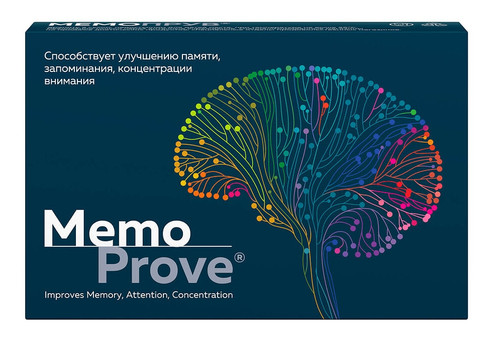
N-PEP-12 is an oral dietary supplement of small brain-derived peptides and free amino acids, sold as Memoprove and described by its own investigators as a lower-potency, needle-free relative of the injectable neurotrophic drug Cerebrolysin. Small, mostly manufacturer-linked studies report modest short-term gains in memory and brain EEG activity in aging adults and in stroke recovery. It is an appealing, gentle nootropic idea, but the human evidence is thin and largely industry-linked, and the core assumption that oral brain peptides survive digestion to reach the brain remains pharmacologically unproven.
- the Cerebrolysin idea with no needle required
- brain derived peptides you can simply swallow
- studied in age associated memory loss
- explored for cognitive recovery after stroke
- neurotrophic and plasticity effects in animal work
- generally well tolerated in the trials run so far
- Its own investigators describe it as much less potent than Cerebrolysin but able to be taken orally, whereas the parent must be given by intravenous infusion.
- It is derived from purified pig-brain protein, broken down into small peptides and free amino acids.
- The biggest open question is pharmacokinetic: there is no human data showing its brain peptides survive digestion and reach the brain.
- The largest N-PEP-12 trial, a 360-day post-stroke study, was open-label with no placebo group, which limits how much weight its positive results can carry.
Mechanism
N-PEP-12's proposed action is neurotrophic and neuroprotective: as a mixture of low-molecular-weight peptides and amino acids derived from purified pig brain protein, it is thought to mimic growth-factor signaling such as and , supporting neuronal survival, synaptogenesis, and plasticity [4][5]. In cell culture it protects cortical neurons against hypoxic, excitotoxic, and cytoskeletal insults, and in aged rodents oral dosing has been reported to raise synaptophysin, , and dendritic spine density and improve memory [4].
Much of the richer neurotrophic mechanism is extrapolated from the injectable parent Cerebrolysin and cannot be assumed to transfer to a lower-potency oral derivative. The central unresolved question is pharmacokinetic: peptides are typically broken down in the gut, and there is no human data showing intact bioactive neuropeptides survive oral dosing and reach the brain, so any signal may reflect amino-acid nutrition, indirect signaling, or placebo-adjacent effects.
receptor fingerprint
and neurotrophic signalingproposed mimetic
density and dendritic spinesincreases (preclinical)
Cortical neurons under stressprotects (in vitro)
Age-associated memoryimproves (small studies)
Post-stroke cognitive recoverysupports (exploratory)
Evidencehow good the literature is
Direct human evidence for N-PEP-12 is small and non-independent: two 2005 studies (a 54-person randomized trial in age-associated memory loss and a single-dose EEG study in healthy elderly) plus one Romanian post-stroke randomized trial re-sliced into several secondary papers and a 106-person open-label extension. These consistently report modest short-term signals on some cognitive and EEG measures, but they are small, short, sometimes mixed (one endpoint favored the control group), the largest was open-label with no placebo, and all are tied to the manufacturer or its collaborators, with no independent replication. Crucially, there is no published human pharmacokinetic or bioavailability data, and the oral-peptide premise runs against the gut-degradation reason the parent compound is injected. The parent, Cerebrolysin, has a larger but genuinely contested evidence base: independent Cochrane reviews found no clear benefit plus a non-fatal serious-adverse-event signal in acute stroke and very-low-quality evidence in vascular dementia, while industry-sponsored meta-analyses report modest low-certainty benefit in Alzheimer's and TBI. Preclinical cell-culture and aged-rodent data showing neurotrophic and neuroplasticity effects are real but limited, and several come from the manufacturer's own labs.
Dosingtypical ranges, not medical advice
interested in protocols and clinical dosages? make an account to see them! ^_^
Safetyrisks and cautions, not medical advice
N-PEP-12 has generally been well tolerated in its studies, with no significant adverse events attributed to it over courses of up to 360 days. Practical considerations: it is derived from porcine (pig) brain protein, so it is unsuitable for anyone avoiding animal products and carries a theoretical risk of allergy, immunogenicity, or batch-to-batch variability inherent to a brain hydrolysate, and the tablet contains lactose. There is no robust long-term or large-scale safety surveillance.
For contrast, the injectable parent Cerebrolysin shows moderate-quality evidence of increased non-fatal serious adverse events in acute stroke and carries cautions for epilepsy and seizure threshold, but that is the parenteral drug given in a clinical setting, not this oral supplement. As a dietary supplement N-PEP-12 is not approved to prevent or treat any disease; this is general educational information, not medical advice.
History
N-PEP-12 comes from the same corporate lineage as Cerebrolysin, made by EVER Neuro Pharma of Austria, and is marketed as Memoprove. Its foundational human studies were published in 2005 by Crook, Alvarez, and colleagues, several of them affiliated with the manufacturer, framing it as an orally available, lower-potency alternative to the injected parent. A more recent clinical program run by the RoNeuro Institute and the Mureșanu group in Cluj-Napoca, Romania, has explored it for cognitive recovery after ischemic stroke. It has never been developed as a licensed medicine and is sold as an over-the-counter dietary supplement, with no registrations on ClinicalTrials.gov.
Reputation
N-PEP-12 is marketed and discussed as a needle-free memory supplement and a convenient stand-in for Cerebrolysin, and it has a modest following in nootropic communities drawn to the idea of a brain-peptide supplement you can simply swallow. The honest counterpoint is that its reputation outpaces its proof: the supporting studies are small, short, and almost entirely tied to the manufacturer and its collaborators, no independent group has replicated the findings, and there is no pharmacokinetic evidence that its peptides reach the brain when taken by mouth. It is best understood as a gentle, low-risk option with a plausible mechanistic story and genuinely weak human evidence, not an established cognitive enhancer.
Where to buy
Suppliers
Vendors carrying N-PEP-12, with live product details and codes. Links are affiliate links that support the wiki at no cost to you.
RUPharma🌐
Memoprove
Research
- 2005first citedEffects of N-PEP-12 on memory among older adults.
- 2020meta-analysisCerebrolysin for acute ischaemic stroke.
- 2024most recentNeuropsychological Performance after Extended N-Pep-12 Dietary Supplementation in Supratentoria…
- 1.Effects of N-PEP-12 on memory among older adults.
- 2.N-PEP-12--a novel peptide compound that protects cortical neurons in culture against different age and disease associated lesions.
- 3.Effects of N-Pep-12 dietary supplementation on neurorecovery after ischemic stroke.
- 4.Neuropsychological Performance after Extended N-Pep-12 Dietary Supplementation in Supratentorial Ischemic Stroke.
- 5.Neuropeptide dietary supplement N-PEP-12 enhances cognitive function and activates brain bioelectrical activity in healthy elderly subjects.
- 6.Cerebrolysin for acute ischaemic stroke.
- 7.The efficacy and safety of animal-derived nootropics in cognitive disorders: Systematic review and meta-analysis.
7 listed here; entry last updated August 2026
Reviews
My notesprivate to this device
FAQ
What is N-PEP-12 made from?
It is a mixture of small peptides and free amino acids derived from purified pig brain protein, taken as an oral tablet marketed as Memoprove.
How is it related to Cerebrolysin?
Its own investigators describe it as a lower-potency derivative of Cerebrolysin that can be taken by mouth, whereas Cerebrolysin must be given by intravenous or intramuscular injection.
Does the evidence show it works?
Small, mostly manufacturer-linked studies report modest short-term gains in memory and EEG activity, but the human evidence is thin, sometimes mixed, and has not been independently replicated.
Do the peptides actually reach the brain?
That is the central open question. There is no human pharmacokinetic data confirming intact brain peptides survive digestion, so any benefit may reflect amino-acid nutrition or other effects. This is general educational information, not medical advice.
Limitations of the evidence
- Theoretical allergy or immunogenicity risk from a brain-derived hydrolysate
- No robust long-term or large-scale safety surveillance
Notes and cautions
- Generally well tolerated with no significant adverse events reported in trials
- Derived from pig brain, so unsuitable for those avoiding animal products
- Contains lactose as an excipient